
The plush blue-grey Chartreux looks like a living teddy bear, so it’s fair to ask how much of that gorgeous coat ends up on your couch. The honest answer: a fair bit, especially at coat-change time.
Here’s what to expect from Chartreux shedding and how to manage it.
- Chartreux cats do shed, thanks to a dense, water-resistant double coat.
- Shedding is heaviest seasonally, in spring and fall, when they change coat.
- Brush a few times a week (daily during peak shedding) to manage loose fur and mats.
- Their thick undercoat can mat if neglected, so regular grooming matters.
- Chartreux are not hypoallergenic, they produce the Fel d 1 allergen like all cats.
Do Chartreux cats shed?
Yes, Chartreux cats shed, and they can shed a noticeable amount, particularly during seasonal coat changes. The Chartreux is known for a dense, plush, water-resistant double coat, and that thick undercoat means more hair to lose. Expect steady light shedding year-round with heavier “coat blows” in spring and fall. Regular brushing keeps the shedding manageable and the coat healthy. So while their woolly coat is a hallmark of the breed, it does come with real grooming needs.
Why do Chartreux cats shed so much?
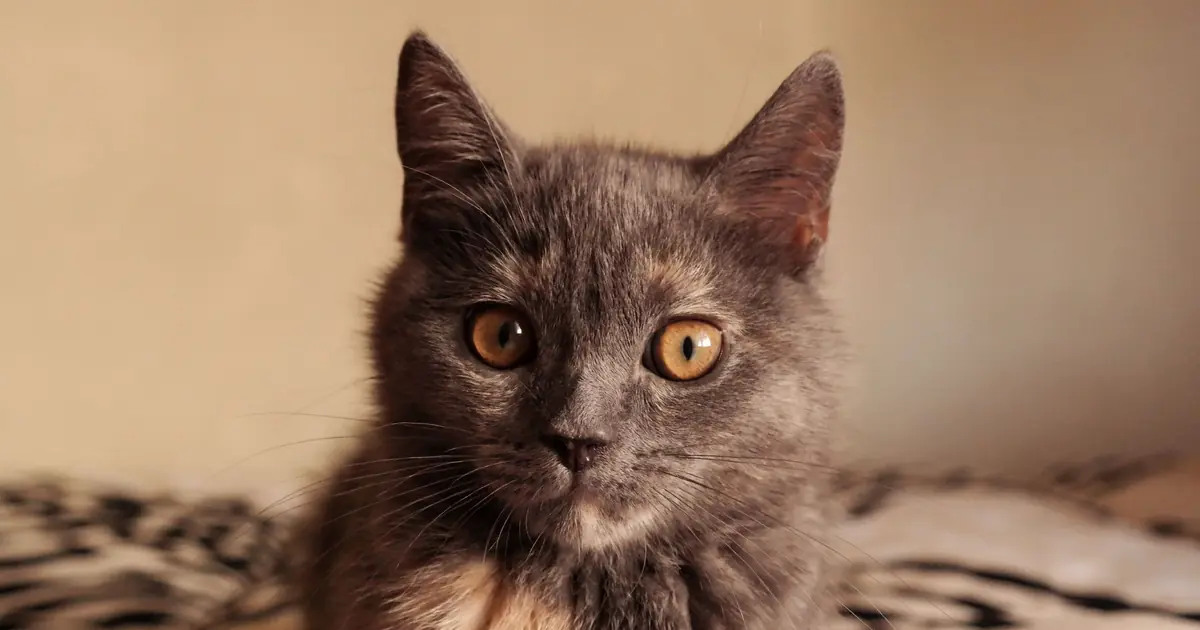
Chartreux shed because of their signature double coat, a dense, soft undercoat beneath a protective, water-resistant topcoat. That plush undercoat is what gives the breed its cuddly, wool-like feel, but it also sheds heavily when the cat swaps its coat with the seasons. Like other double-coated breeds, Chartreux drop a lot of undercoat in spring and fall as day length and temperature shift. You can spot a double coat by parting the fur, as we explain in how to tell if a cat has a double coat.
How do you manage Chartreux shedding?
Manage Chartreux shedding with regular brushing and good general care. Practical steps:
- Brush a few times a week, and daily during spring and fall shedding peaks.
- Use a comb and de-shedding tool to reach the dense undercoat.
- Watch for mats, since a thick undercoat can tangle if neglected.
- Feed a complete diet with omega-3s to support a healthy coat.
- Keep up hydration and routine vet care for skin and coat health.
Regular brushing also cuts down on hairballs and keeps loose fur off your furniture, and a good shedding brush makes a big difference.
How does Chartreux shedding compare to other breeds?
Chartreux are moderate-to-heavy seasonal shedders, similar to other dense-coated breeds. Here’s a rough comparison.
| Breed | Shedding level |
|---|---|
| Chartreux | Moderate to heavy, seasonal peaks |
| Persian | Heavy, long coat needs daily care |
| Ragdoll | Moderate, seasonal |
| Bengal | Low, short coat |
| Siamese | Low to moderate |
For those specific breeds, see do Persian cats shed and do Ragdoll cats shed.
Are Chartreux cats hypoallergenic, and when should shedding worry you?
No, Chartreux cats are not hypoallergenic, no cat truly is. They produce the Fel d 1 allergen in saliva and skin like all cats, and their shedding spreads it, so they’re not a safe pick for allergy sufferers. As for health, normal seasonal shedding is fine, but excessive shedding, bald patches, or a dull, greasy, or flaky coat can signal a problem, poor diet, parasites, stress, or illness. This article is educational and not a substitute for veterinary care; if shedding seems abnormal or your cat is losing hair in patches, see your vet. For that concern, see why a cat sheds so much, and for the breed, our Chartreux cat guide. Trusted grooming guidance comes from the ASPCA and International Cat Care.
Frequently Asked Questions
Q: Do Chartreux cats shed a lot?
They shed a moderate-to-heavy amount, especially seasonally in spring and fall, due to their dense double coat. Year-round shedding is lighter. Regular brushing, more during peak seasons, keeps loose fur, mats, and hairballs under control.
Q: Why do Chartreux cats shed so much?
Because of their dense, water-resistant double coat with a plush undercoat. That thick underlayer gives the breed its wool-like feel but sheds heavily during seasonal coat changes, when day length and temperature shift.
Q: How often should I brush a Chartreux?
A few times a week normally, and daily during spring and fall shedding peaks. Use a comb and de-shedding tool to reach the dense undercoat, which helps prevent mats, reduces hairballs, and keeps loose fur off your home.
Q: Are Chartreux cats hypoallergenic?
No. Chartreux produce the Fel d 1 allergen in saliva and skin like all cats, and their shedding spreads it. No cat breed is truly hypoallergenic, so Chartreux aren’t a safe choice for people with cat allergies.
Q: Do Chartreux cats’ coats mat?
They can. The thick undercoat may tangle and mat if grooming is neglected. Regular brushing prevents this. If mats form, don’t pull, gently work them out or seek grooming help, and address the coat-care routine to stop recurrence.
Q: When is Chartreux shedding a health concern?
Normal seasonal shedding is fine, but excessive shedding, bald patches, or a dull, greasy, or flaky coat can signal poor diet, parasites, stress, or illness. If shedding seems abnormal or your cat loses hair in patches, see your vet.

Hello and welcome to The Ideal Cat!
We are some passionate cat owners from different professions. We love our cats and have a lot of experience in how to care for our pets. We are incredibly excited to share our knowledge, experience, and research with you. So you can take good care of your loving cat. We will answer most of the common questions about owning cats, taking care of them, etc. If you have any question contact with us. Thanks for visiting! Enjoy the content.
