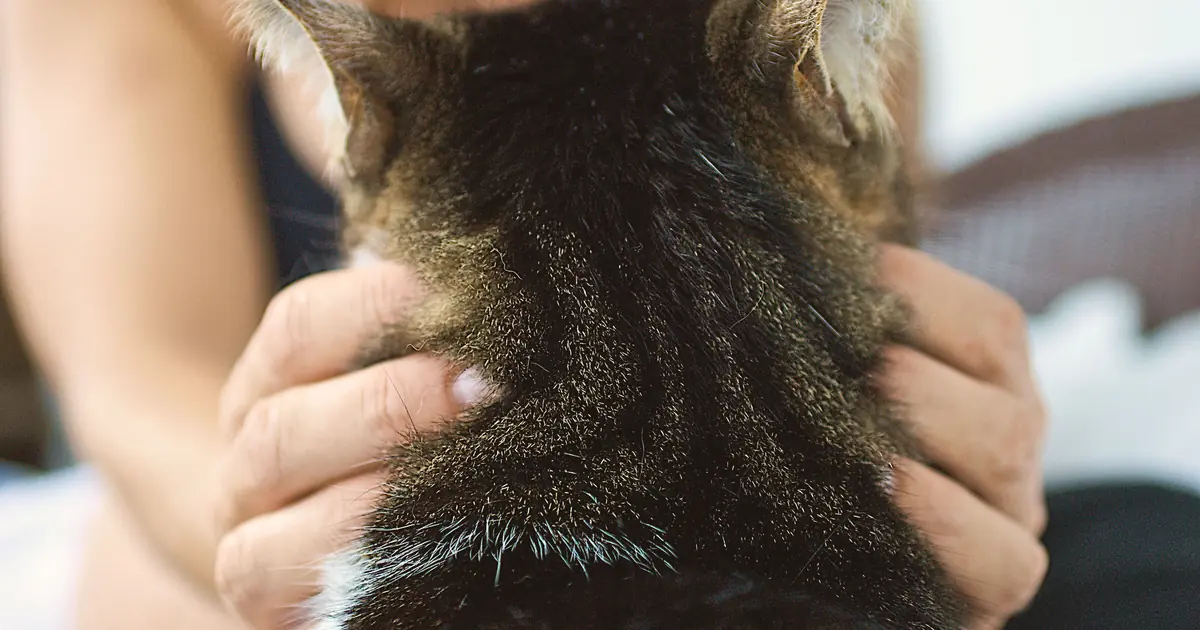
You stroke down your cat’s back and its rear pops up like a little elevator, tail high, hips lifted. It looks funny, but it’s one of the clearest “yes, keep going” signals a cat can give.
Here’s why cats do the “elevator butt” and what it’s telling you.
- Raising the back and rear when petted (“elevator butt”) means your cat is enjoying it.
- The base of the tail is a sensitive, scent-gland-rich sweet spot for many cats.
- Lifting into your hand directs the pressure to that pleasurable area.
- It’s often paired with a raised tail, a friendly, happy signal.
- Some cats find that area over-stimulating, so watch for signs they’ve had enough.
Why do cats raise their back when you pet them?
Cats raise their back and hindquarters when petted, the “elevator butt” pose, because it feels good and positions your hand over a favorite spot. The area at the base of the tail is rich in nerve endings and scent glands, so pressure there is especially pleasurable for many cats. By arching up and lifting the rear, your cat directs your hand to that sweet spot and shows it’s enjoying the attention. Combined with a raised tail, it’s a clear, happy “keep petting me” signal.
What is “elevator butt”?
“Elevator butt” is the affectionate nickname for the way a cat raises its hindquarters when you scratch or pet near the base of its tail. The cat lifts its rear, arches its back slightly, and often sticks its tail straight up, pushing into your hand for more pressure. It’s a positive, instinctive reaction to a pleasurable touch, essentially the cat saying “right there!” Not every cat does it, and intensity varies, but when it happens, it’s a good sign your cat is loving the petting. It relates to why some cats enjoy butt pats.
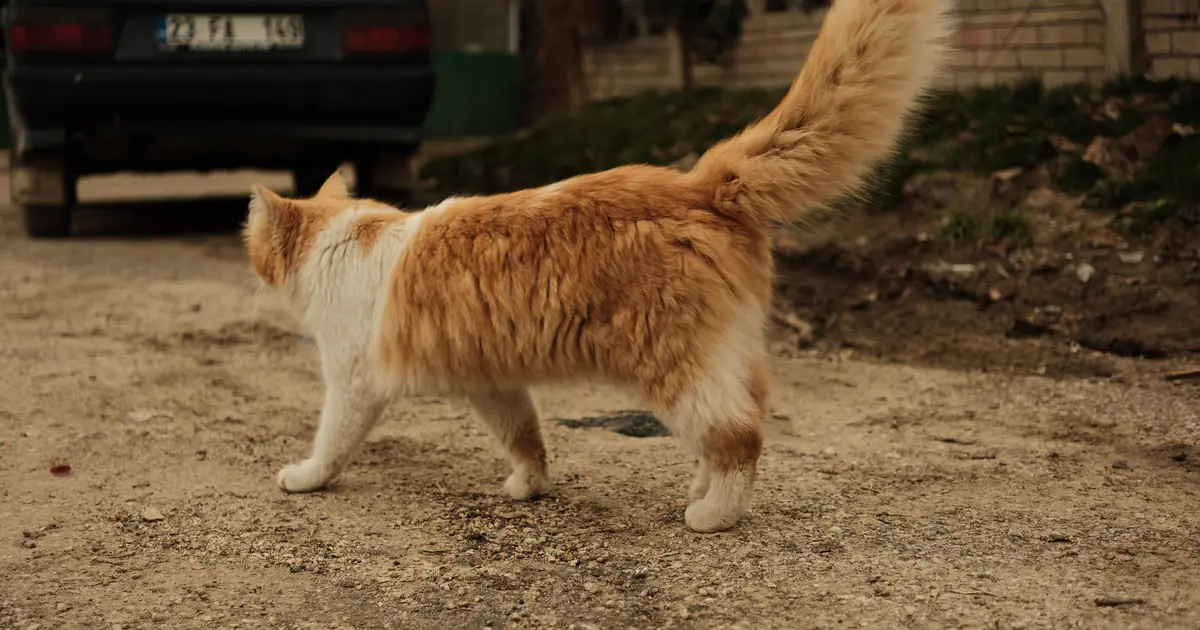
Why is the base of the tail such a sweet spot?
The base of the tail is a feline sweet spot because it’s packed with sensitive nerve endings and scent glands. Petting there provides strong, pleasurable stimulation, and it’s an area cats can’t easily groom or reach themselves, so a good scratch feels great. The scent glands mean your touch also mingles scents, part of bonding. This is why so many cats love attention at the tail base and lift into it, though it’s also why some become over-stimulated there, more on preferences in where cats like to be petted.
Is raising the back the same as arching in fear?
No, the happy “elevator butt” is different from the arched-back fear posture, and body language tells them apart. Here’s the contrast.
| Happy “elevator butt” | Defensive arched back |
|---|---|
| Rear lifts into your hand while petting | Back arches away from a perceived threat |
| Tail up, relaxed body, maybe purring | Fur puffed up, ears back, sideways stance |
| Leans in, wants more contact | Trying to look bigger, wants distance |
| Calm, content expression | Hissing, wide eyes, or tension |
The fearful, puffed-up arch is a separate signal, covered in why cats arch their back.
Can petting the back ever be too much?
Yes, the tail-base area is sensitive, so some cats get over-stimulated and may swat or nip if you overdo it. Even a cat doing elevator butt can reach its limit, so watch for a shift from enjoyment to irritation: a twitching or thrashing tail, flattened ears, skin rippling, tensing, or turning toward your hand. Stop or pause when you see those cues. Keep petting gentle and let your cat guide the intensity. This article is educational; healthy elevator butt is normal, but if your cat suddenly reacts with pain when touched near the tail base, or the area seems sore, consult your vet. For overstimulation cues, see why cats put their butt in your face and general body language from the ASPCA and International Cat Care.
Frequently Asked Questions
Q: Why does my cat raise its butt when I pet it?
It’s called “elevator butt,” and it means your cat is enjoying the petting. The base of the tail is a sensitive, scent-gland-rich sweet spot, so lifting the rear directs your hand there for more of that pleasurable pressure.
Q: What does “elevator butt” mean in cats?
It’s the happy pose where a cat raises its hindquarters, arches slightly, and sticks its tail up when scratched near the tail base. It’s a positive “right there, keep going” signal showing the cat loves the attention.
Q: Why do cats like being scratched at the base of the tail?
That area is packed with sensitive nerve endings and scent glands, and cats can’t easily groom it themselves, so a scratch feels especially good. The scent glands also make your touch part of bonding, which is why many cats love it.
Q: Is raising the back a happy or scared sign?
Raising the rear into your hand while being petted is happy, elevator butt. It differs from the fearful arched back, where fur puffs up, ears go back, and the cat stands sideways to look bigger. Body language tells them apart.
Q: Can petting near the tail overstimulate my cat?
Yes. The tail base is sensitive, so some cats get overstimulated and may swat or nip. Watch for a twitching tail, flattened ears, rippling skin, or tensing, and stop when you see them. Keep petting gentle and let your cat set the pace.
Q: Do all cats do elevator butt?
No. It’s common but not universal, some cats love tail-base scratches and lift into them, while others find the area too sensitive or simply don’t react that way. Follow your individual cat’s preferences and body language.

Hello and welcome to The Ideal Cat!
We are some passionate cat owners from different professions. We love our cats and have a lot of experience in how to care for our pets. We are incredibly excited to share our knowledge, experience, and research with you. So you can take good care of your loving cat. We will answer most of the common questions about owning cats, taking care of them, etc. If you have any question contact with us. Thanks for visiting! Enjoy the content.
