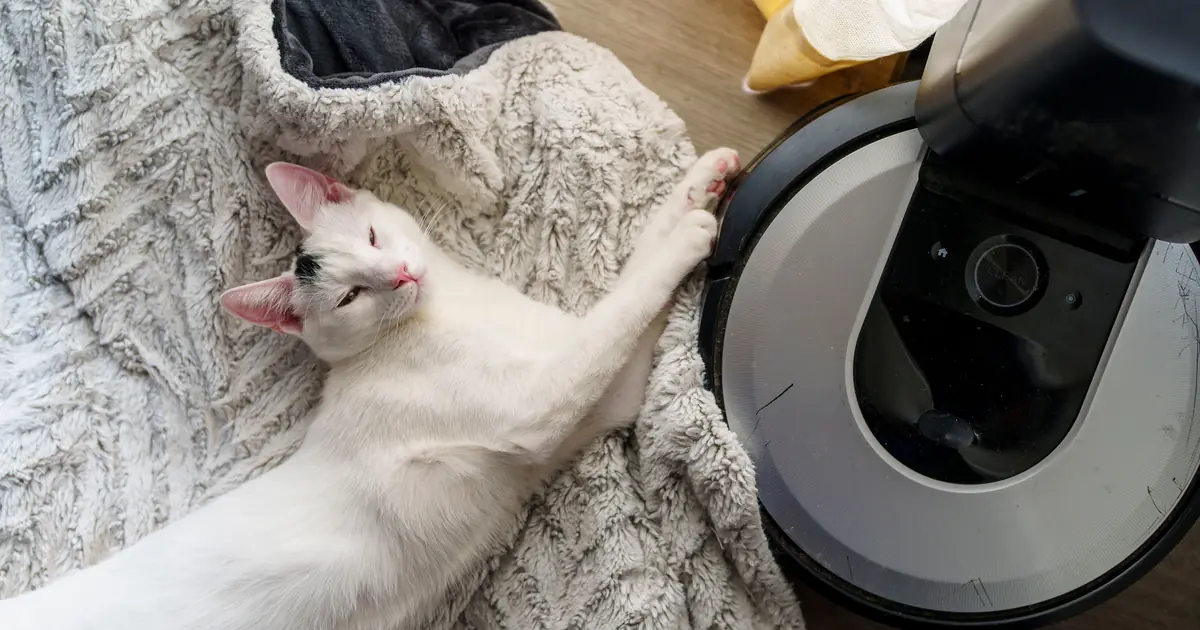
Slam a door or fire up the vacuum and watch your cat vanish. Cats have strong opinions about noise, and their super-powered ears mean a lot of everyday sounds are genuinely unpleasant to them.
Here’s the rundown of noises cats hate most, and how to keep yours calm.
- Cats hate loud, sudden, and high-pitched noises because their hearing is far more sensitive than ours.
- Top offenders: vacuums, hair dryers, thunder, fireworks, loud music, and yelling.
- Hissing or “sss” sounds mimic a threat and often make cats uneasy.
- Signs of noise stress include hiding, flattened ears, wide eyes, and fleeing.
- Give your cat a quiet safe space and never force it to tolerate a feared sound.
What noises do cats hate?
Cats hate noises that are loud, sudden, or high-pitched, because their hearing is far more sensitive than a human’s. The worst offenders are household and environmental sounds like vacuum cleaners, hair dryers, blenders, thunderstorms, fireworks, loud music, and shouting. Cats also dislike hissing or sharp “sss” sounds, which resemble a threat. What unites these is intensity and unpredictability, exactly what a cat’s finely tuned ears find alarming. Understanding this helps you reduce the noises that stress your cat.
Why are cats so sensitive to noise?
Cats are noise-sensitive because they hear a much wider and higher range of frequencies than we do, and locate sounds with great precision. This sharp hearing helps them hunt and stay alert to danger, but it also means everyday loud or high-pitched noises can feel overwhelming or even painful. A sound that’s merely annoying to you may be genuinely startling to your cat. Their instinct is to treat sudden loud noises as potential threats, triggering a fear response, more on their range in how far a cat can hear.
Which specific noises bother cats most?
Some sounds reliably send cats running. The usual culprits:
- Vacuum cleaners and other loud appliances (blenders, hair dryers).
- Thunder and fireworks, loud, sudden, and unpredictable.
- Loud music, TV, or yelling.
- Hissing “sss” sounds, which mimic a threatening cat or snake.
- Sudden bangs like slamming doors or dropped objects.
Some cats also react to specific things like crinkly foil, covered in why cats hate aluminum foil, or high-pitched singing, in why cats hate singing.
How can you tell a noise is stressing your cat?
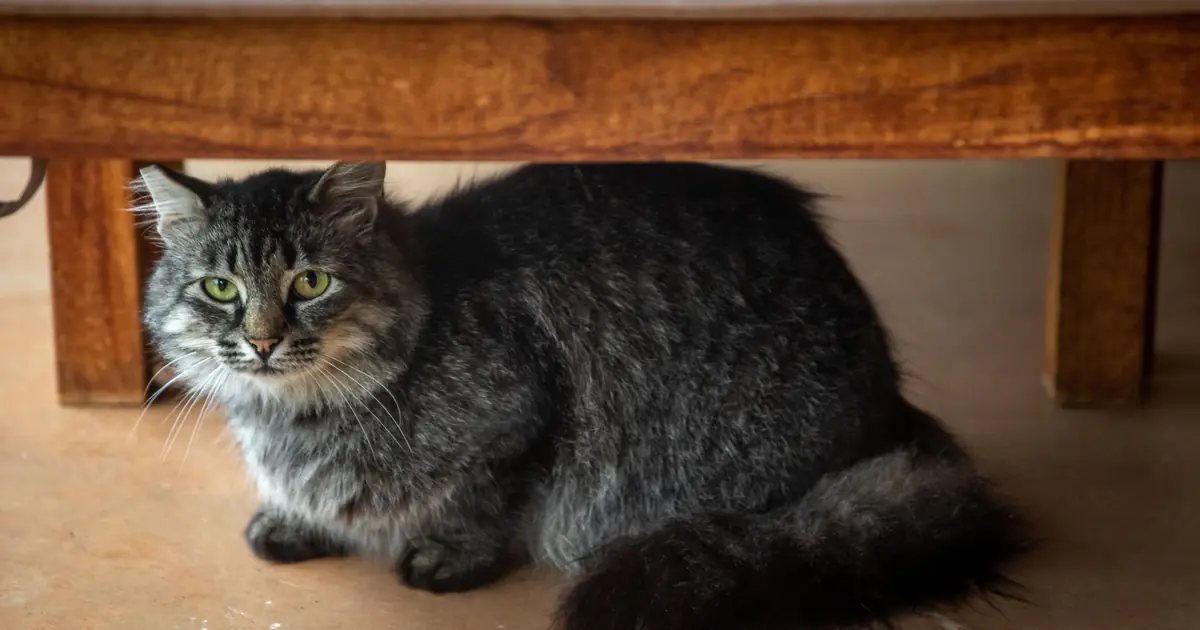
Cats show noise stress clearly through body language and behavior. Here’s what to watch for.
| Sign | What it means |
|---|---|
| Hiding or fleeing | Trying to escape the sound |
| Flattened ears | Fear or feeling threatened |
| Wide eyes, dilated pupils | Alarm and high alert |
| Crouched, tense body | Ready to bolt |
| Freezing or trembling | Fear response to the noise |
How do you help a noise-sensitive cat?
Help your cat by reducing scary sounds and giving it a way to escape them. Provide a quiet safe room with hiding spots where your cat can retreat, and never force it to stay near a feared noise. Warn your cat before predictable sounds (like vacuuming) by giving it time to move away, and keep TV, music, and voices at a reasonable volume. For big events like fireworks or storms, close windows, use soft background sound, and stay calm yourself. This article is educational; if your cat’s noise fear is severe or worsening, or it panics, ask your vet, since anxiety can be managed, and see how to calm a scared cat and whether cats fear sudden pops like balloons. Trusted guidance on feline fear comes from the ASPCA and International Cat Care.
Frequently Asked Questions
Q: What noises do cats hate the most?
Loud, sudden, and high-pitched sounds: vacuum cleaners, hair dryers, thunder, fireworks, loud music, yelling, and hissing “sss” sounds. Their sensitive hearing makes these feel startling or overwhelming, so cats often hide or flee from them.
Q: Why do cats hate the vacuum cleaner?
Vacuums are loud, unpredictable, and move around, hitting several of a cat’s dislikes at once. Combined with sharp feline hearing, the noise feels threatening. Give your cat a chance to leave the room before you start vacuuming.
Q: Do cats hate high-pitched sounds?
Yes. Cats hear higher frequencies than humans, so shrill or high-pitched noises can be uncomfortable or even painful. This includes some alarms, whistles, and high singing. Keep such sounds low and give your cat space to retreat.
Q: Why does hissing or “sss” sounds bother cats?
A hissing “sss” sound resembles the warning hiss of a threatened cat or a snake, so it registers as a threat cue. Many cats react warily to it. Avoid making sharp hissing sounds at your cat, as it can cause fear.
Q: How do I calm my cat during loud noises like fireworks?
Give it a quiet safe room with hiding spots, close windows, and add soft background sound to mask the bangs. Stay calm yourself and don’t force interaction. For severe fear, ask your vet about anxiety-reducing options ahead of time.
Q: Can loud noises harm a cat’s ears?
Very loud noises are more likely to cause fear and stress than physical damage, but extreme, sustained noise is best avoided. The bigger concern is chronic anxiety. Keep the home reasonably quiet and give your cat escape options.

Hello and welcome to The Ideal Cat!
We are some passionate cat owners from different professions. We love our cats and have a lot of experience in how to care for our pets. We are incredibly excited to share our knowledge, experience, and research with you. So you can take good care of your loving cat. We will answer most of the common questions about owning cats, taking care of them, etc. If you have any question contact with us. Thanks for visiting! Enjoy the content.
