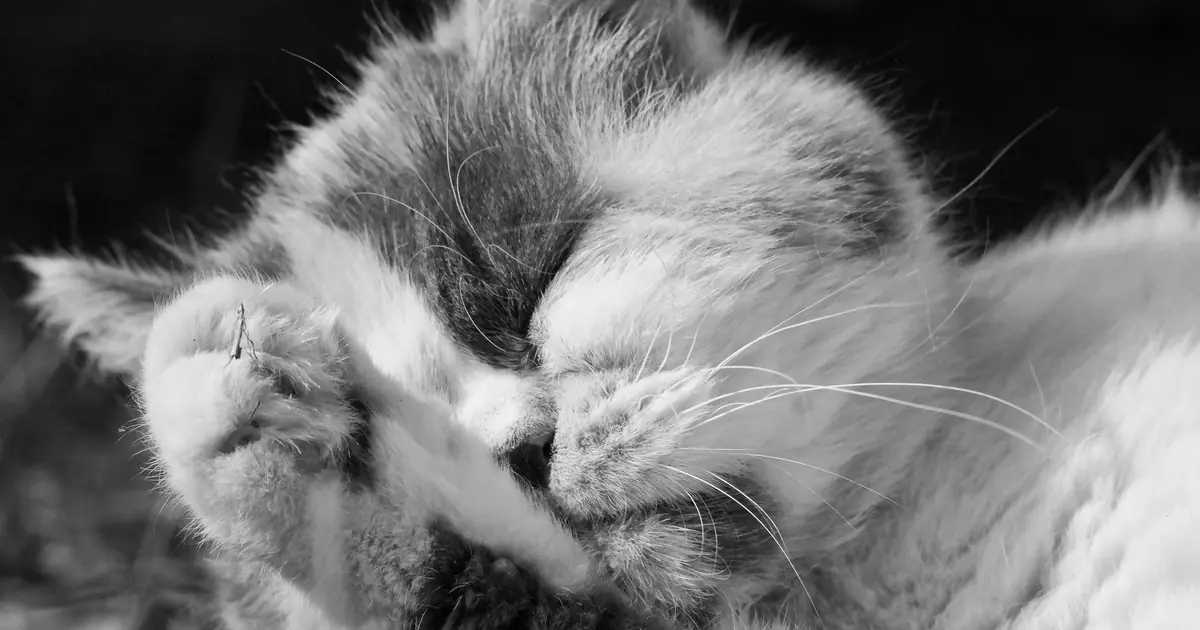
You break into song and your cat shoots you a look of pure betrayal, or bolts from the room. Rude! But there’s a real reason your private concert isn’t a hit with your cat.
Here’s what’s behind the feline music review, and how to sing without stressing your cat.
- Cats react to singing mostly because it’s loud, high-pitched, and unpredictable to their sensitive ears.
- A cat’s hearing is far more sensitive than ours, so loud or shrill notes can be uncomfortable.
- Most cats don’t truly hate music, they’re startled or overstimulated by the sudden strange sound.
- Some cats are indifferent, and a few relax to soft, calm singing or cat-specific music.
- If your cat flees or seems stressed, lower the volume and keep it gentle.
Why do cats hate singing?
Cats react to singing mainly because it’s louder, higher-pitched, and less predictable than the everyday voice they’re used to. A cat’s hearing is far sharper than a human’s, especially for high frequencies, so belting out a tune can feel overwhelming or even uncomfortable to sensitive feline ears. On top of that, singing changes your familiar sound and body language, which can startle or confuse a cat. So most cats don’t “hate” music in a judgmental sense, they’re simply reacting to an intense, unfamiliar noise.
Is it the volume or the sound itself?
It’s usually both the volume and the unusual quality of the sound. Cats hear a much wider, higher range of frequencies than we do, so loud, high, or shrill singing can be genuinely uncomfortable, more on this in how far a cat can hear. The sudden shift from your normal talking voice to sustained, powerful notes also breaks the familiar pattern, and cats dislike unpredictable stimuli. A soft lullaby is far less likely to bother a cat than enthusiastic, high-volume singing.
How do cats show they dislike singing?
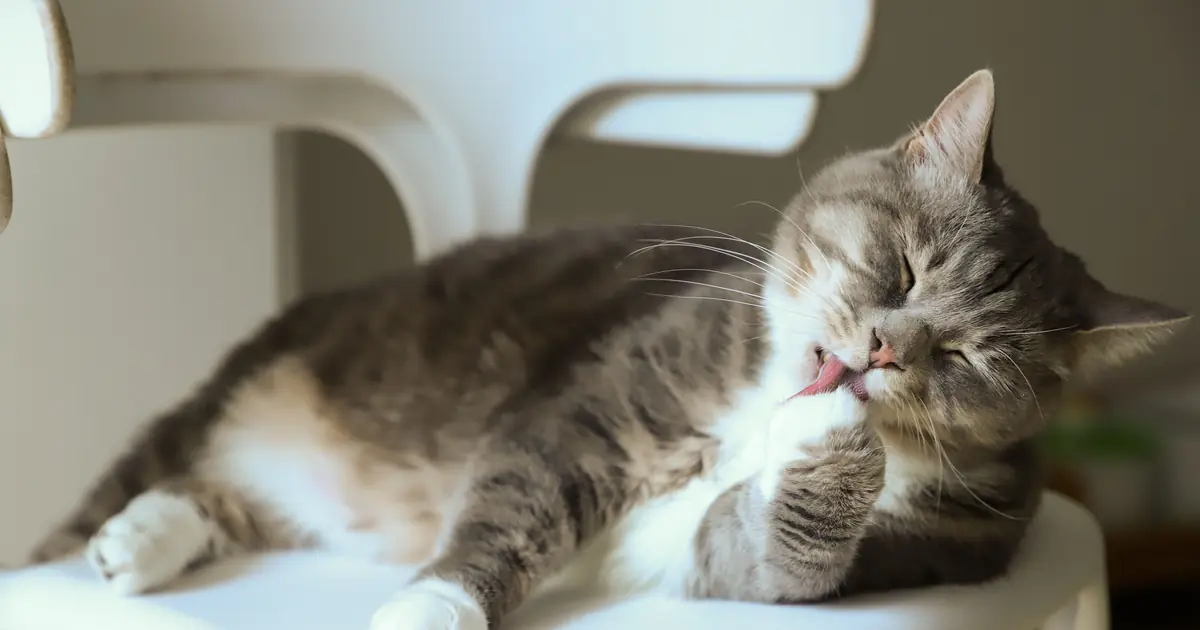
Cats signal discomfort with singing through clear body language and behavior. Watch for these reactions:
- Leaving the room or moving away from you.
- Flattened or swiveled-back ears, a sign of annoyance.
- Wide eyes, tense posture, or a twitching tail.
- Hiding if the sound is loud or startling.
- Meowing or looking at you as if to protest.
These are the same “I’m overstimulated” cues cats give for other loud or strange things, like why cats hate aluminum foil.
Do any cats like music or singing?
Yes, some cats are indifferent to music and a few genuinely relax to it, especially calm, quiet sounds. Reactions vary by individual: a confident, relaxed cat may ignore your singing entirely, while a sensitive one flees. Interestingly, research has explored “cat-specific” music, tunes pitched and paced to feline preferences, which some cats respond to positively. And plenty of cats enjoy the gentle, sing-song voice people naturally use with them, which is different from loud performance singing, as we cover in do cats like being talked to. It really comes down to the individual cat.
Human singing vs what cats prefer
Here’s how typical singing compares to sounds cats tolerate better.
| Sound | Cat’s likely reaction |
|---|---|
| Loud, high-pitched singing | Startled, overstimulated, may flee |
| Soft, gentle singing or humming | Often tolerated or ignored |
| Your normal talking voice | Familiar and reassuring |
| Cat-specific calming music | Some cats relax to it |
How can you sing without stressing your cat?
Keep it gentle and watch your cat’s cues. If your cat clearly dislikes singing, lower your volume, sing softly, and don’t aim it directly at your cat. Give your cat an easy escape route so it can leave if it wants, and never force it to stay. If your cat seems relaxed or curious, a soft sing-song voice can even be soothing. This article is educational; a cat fleeing loud singing is normal, but if your cat seems fearful of many everyday sounds, or reacts to sound with pain (pawing at ears, head shaking), see your vet to rule out an ear issue. Trusted guidance on feline hearing and stress comes from the ASPCA and International Cat Care.
Frequently Asked Questions
Q: Why does my cat hate it when I sing?
Singing is louder, higher-pitched, and more unpredictable than your normal voice, and cats have very sensitive hearing. That combination can startle or overstimulate your cat, so it reacts or leaves. Most cats don’t hate music, just the intensity.
Q: Does singing hurt cats’ ears?
Very loud or shrill singing can be uncomfortable, since cats hear a wider, higher range than we do. It doesn’t usually cause harm, but it can feel overwhelming. Keep singing soft and give your cat room to move away.
Q: Why does my cat leave the room when I sing?
Leaving is a normal way cats cope with a loud or strange sound they find overstimulating. Your cat isn’t necessarily upset with you, it’s just seeking a quieter spot. Provide an easy escape route and don’t force it to stay.
Q: Do cats like any kind of music?
Some do. Many cats ignore music, and a few relax to soft, calm tunes. Research on cat-specific music, pitched for feline ears, shows some cats respond positively. Gentle, quiet sounds are far better received than loud singing.
Q: Is it bad to sing to my cat?
Not at all, if you keep it gentle. Many cats enjoy the soft sing-song voice people use with them. Just watch for signs of stress, like flattened ears or fleeing, and lower the volume or stop if your cat seems bothered.
Q: Why does my cat meow when I sing?
Your cat may be responding to the unusual sound, seeking attention, or protesting the volume. Some cats “join in” or answer vocally. If the meowing seems distressed rather than chatty, soften your singing and check its body language.

Hello and welcome to The Ideal Cat!
We are some passionate cat owners from different professions. We love our cats and have a lot of experience in how to care for our pets. We are incredibly excited to share our knowledge, experience, and research with you. So you can take good care of your loving cat. We will answer most of the common questions about owning cats, taking care of them, etc. If you have any question contact with us. Thanks for visiting! Enjoy the content.
