
You notice one of your cat’s pupils is bigger than the other and your stomach drops a little. Unlike normal pupil changes from light or excitement, mismatched pupils are a real signal to act.
Here’s what causes anisocoria in cats and why it needs a vet, not a wait-and-see.
- Different-sized pupils (anisocoria) is not normal and usually indicates a medical problem.
- Common causes include eye injury, infection, uveitis, glaucoma, and nerve or brain issues.
- It is not caused by mood or lighting, both pupils should respond to light equally.
- Anisocoria always warrants a prompt veterinary exam to find the cause.
- Sudden onset with pain, vision loss, or other symptoms is an emergency, see a vet now.
Why is my cat’s pupils different sizes?
A cat with different-sized pupils has a condition called anisocoria, which is a sign of an underlying health problem, not a normal variation. Normally both pupils are the same size and change together in response to light. When one stays larger or smaller than the other, something is affecting the eye, the nerves controlling the pupil, or the brain. Causes range from eye injuries and infections to serious internal conditions. Because anisocoria is a symptom, not a diagnosis, it needs a vet to identify what’s wrong.
Is anisocoria in cats an emergency?
Anisocoria should always be checked promptly, and sudden onset with other symptoms is an emergency. If your cat’s uneven pupils appear suddenly, or come with squinting, redness, cloudiness, pawing at the eye, vision problems, disorientation, or signs of pain, seek veterinary care right away. Even without dramatic symptoms, unequal pupils warrant a same-week (or sooner) vet visit, because some causes can permanently damage vision or signal serious illness if left untreated. When in doubt, treat it as urgent.
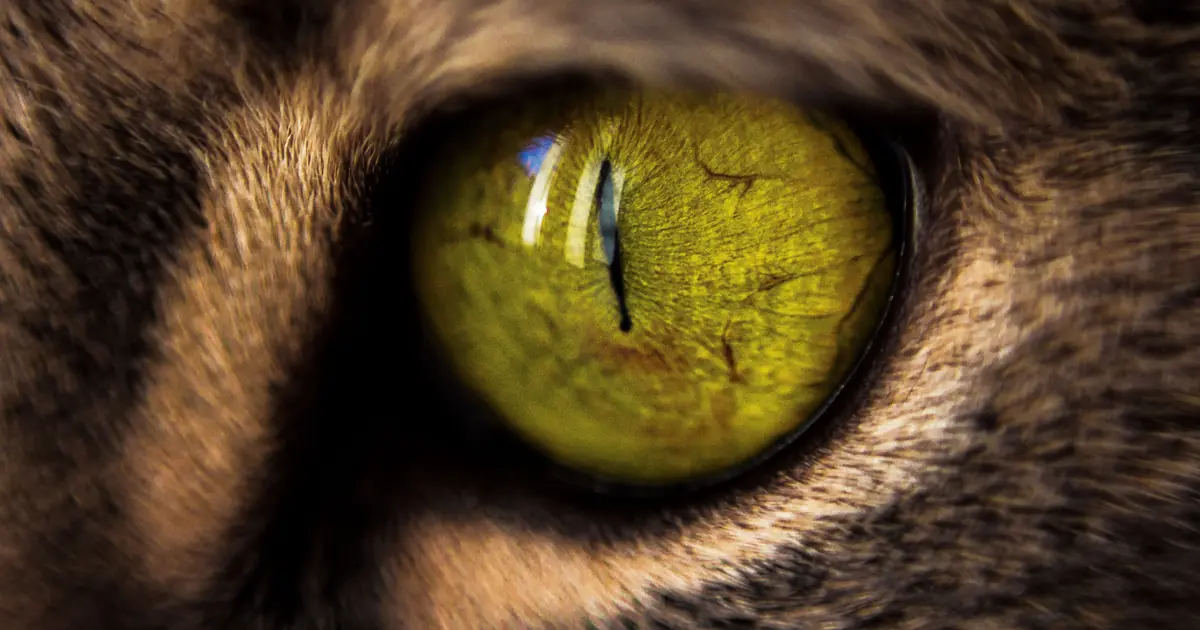
What causes different-sized pupils in cats?
Anisocoria has many possible causes, all needing veterinary diagnosis. Common ones include:
- Eye injury or trauma, such as a scratch to the cornea.
- Inflammation inside the eye (uveitis), often painful.
- Glaucoma, increased pressure in the eye.
- Infections, including feline herpesvirus and others.
- Nerve damage (such as Horner’s syndrome) affecting the pupil.
- Underlying illness, including certain viral diseases, high blood pressure, or tumors.
Because these differ so much in seriousness, only a vet exam can pinpoint the cause and the right treatment.
Normal pupil changes vs anisocoria
It helps to know what’s normal so you can spot what isn’t.
| Normal | Anisocoria (see a vet) |
|---|---|
| Both pupils large in dim light | One pupil larger than the other |
| Both pupils small in bright light | Pupils don’t match or respond unevenly |
| Both dilate with excitement or play | Difference persists regardless of lighting |
| Pupils change together, equally | Redness, squinting, cloudiness, or pain |
Normal, equal dilation from excitement or dim light is covered in why cats’ pupils get big, which is very different from unequal pupils.
What will the vet do, and what should you do now?
Your vet will examine the eyes and your cat’s overall health to find the cause and treat it. Expect an eye exam (checking pressure, the cornea, and internal structures), a light-response test, and possibly blood pressure checks or other diagnostics depending on findings. Treatment targets the underlying cause, from eye medications to managing an internal condition. Right now: don’t try to treat it at home or use any eye drops without veterinary direction, protect your cat from bright light if its eye seems painful, and book a vet appointment promptly. This article is educational and not a substitute for veterinary care. For other eye concerns, see why a cat squints one eye and cat eye boogers. Trusted background on anisocoria comes from the VCA and the Cornell Feline Health Center.
Frequently Asked Questions
Q: Is it normal for a cat to have different-sized pupils?
No. Unequal pupils (anisocoria) are not normal and usually signal a health problem, such as an eye injury, infection, glaucoma, or nerve issue. Both pupils should be the same size and respond to light together. See your vet promptly.
Q: Should I be worried about my cat’s uneven pupils?
Yes. Anisocoria always warrants a vet visit to find the cause, and sudden onset with pain, redness, cloudiness, or vision changes is an emergency. Some causes can threaten vision or indicate serious illness if not treated quickly.
Q: What causes anisocoria in cats?
Causes include eye trauma, inflammation (uveitis), glaucoma, infections like feline herpesvirus, nerve damage (Horner’s syndrome), high blood pressure, and tumors. They vary widely in seriousness, so a vet exam is needed to diagnose and treat the specific cause.
Q: Can stress or mood cause different-sized pupils?
No. Excitement, fear, and lighting make both pupils dilate or constrict equally, not unevenly. A lasting difference between the two pupils is a medical sign, anisocoria, and should be evaluated by a vet, not attributed to mood.
Q: Can different-sized pupils in cats go away on their own?
Don’t count on it, and don’t wait. Anisocoria reflects an underlying issue that usually needs treatment. Delaying can worsen the cause or risk permanent vision loss. Have your vet examine your cat rather than hoping it resolves.
Q: What should I do if I notice my cat’s pupils are unequal?
Book a prompt vet visit, and treat sudden onset with pain or other symptoms as an emergency. Don’t use eye drops without veterinary direction, and shield your cat from bright light if the eye seems painful until it’s examined.

Hello and welcome to The Ideal Cat!
We are some passionate cat owners from different professions. We love our cats and have a lot of experience in how to care for our pets. We are incredibly excited to share our knowledge, experience, and research with you. So you can take good care of your loving cat. We will answer most of the common questions about owning cats, taking care of them, etc. If you have any question contact with us. Thanks for visiting! Enjoy the content.
