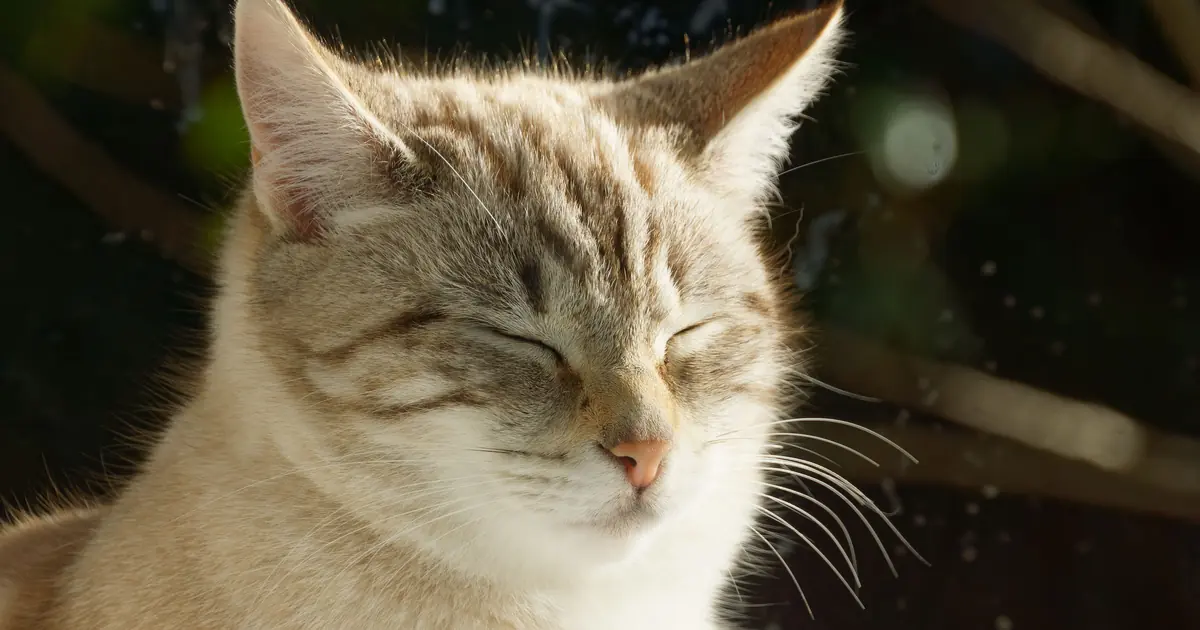
You catch your cat mid-nap and one eye is half shut while the other looks completely normal. Cats are experts at hiding pain, so by the time you can actually see it on their face, the discomfort behind a one-eye squint is usually real.
This guide walks through why cats squint one eye, the most common causes, what counts as an emergency, and exactly what to do next.
- Squinting in one eye almost always means pain, irritation, or infection in that specific eye, not both.
- Feline herpesvirus (FHV-1) is the most common infectious cause of corneal ulcers in cats, according to Cornell’s Feline Health Center.
- Glaucoma is an eye emergency: pressure inside the eye can cause permanent blindness within hours if it’s not treated.
- Never put human eye drops, saline, or leftover pet medication into a squinting eye without a vet’s direction.
- A fluorescein stain test, done in minutes at most vet clinics, can confirm or rule out a corneal ulcer.
Why Is My Cat Squinting in One Eye?
A cat squints one eye because that eye is painful, irritated, or sensitive to light. Squinting (vets call it blepharospasm) is a protective reflex. The eyelid muscles clamp down to shield the surface of the eye from more damage, air, or light while something underneath is inflamed or injured.
Because only one eye is affected, the cause is almost always localized to that eye specifically, rather than a body-wide illness. Think a scratch, a piece of debris, or a local infection rather than something systemic. Even so, one-eye squinting can be the first visible sign of a virus like feline herpesvirus, which is why it’s worth taking seriously even if your cat seems otherwise fine.
What Are the Most Common Causes of One-Eye Squinting in Cats?
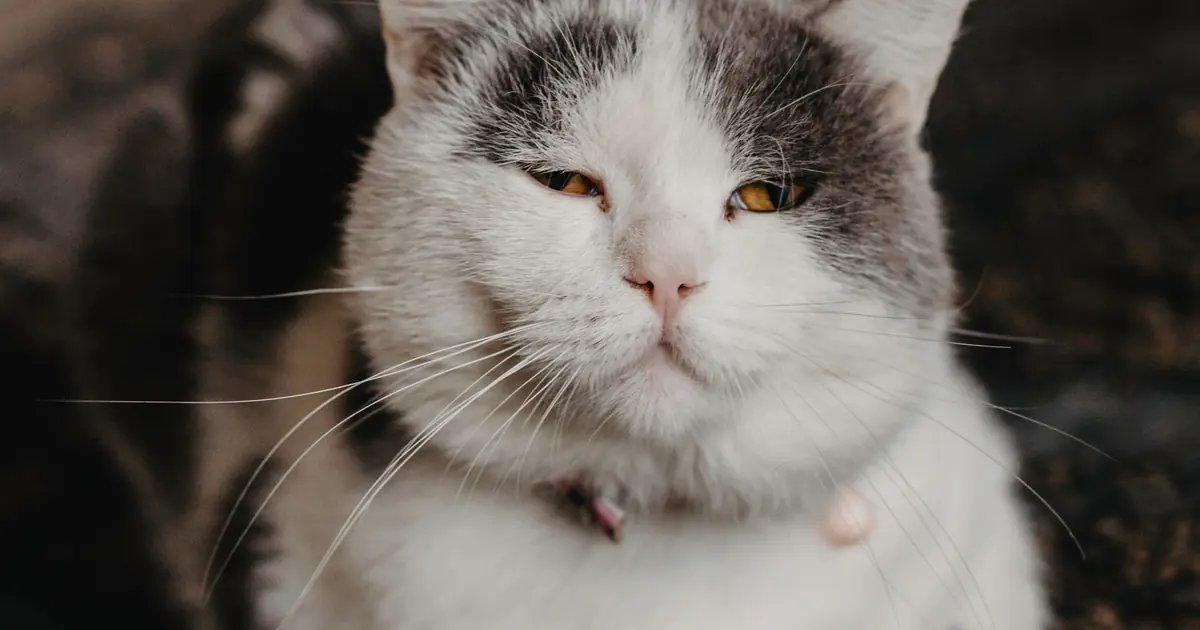
The most common causes are corneal scratches or ulcers, foreign objects, conjunctivitis, feline herpesvirus, glaucoma, and uveitis. Each one causes squinting a little differently, and the other symptoms that show up alongside it help point to which one your cat has.
- Corneal scratch or ulcer: a scrape or open sore on the eye’s clear surface, often from a claw, a plant, or rough play.
- Foreign object: a piece of grass, dust, or debris trapped under the eyelid.
- Conjunctivitis: inflammation of the pink tissue lining the eye and eyelid, from infection, allergies, or irritation.
- Feline herpesvirus (FHV-1), also called cat flu: a common respiratory virus that can flare up and attack the eye’s surface, especially during stress.
- Glaucoma: a dangerous buildup of pressure inside the eye.
- Uveitis: inflammation inside the eye, often linked to infection, injury, or illness elsewhere in the body.
- Blunt trauma: a bump, fall, or fight that bruises or injures the eye or the area around it.
The Cornell Feline Health Center notes that recurrent feline herpesvirus infection is the single most common cause of corneal ulcers in cats, since the virus lives dormant in nerve tissue and can reactivate whenever a cat is stressed or run down.
| Likely Cause | Other Signs to Look For | Urgency |
|---|---|---|
| Corneal scratch or ulcer | Watery discharge, pawing at the eye, squinting in bright light | See a vet the same day |
| Foreign object under the eyelid | Sudden onset, heavy tearing, redness, head shaking | See a vet the same day |
| Conjunctivitis | Redness, swelling, clear or colored discharge, sometimes both eyes | Vet visit within 24 hours |
| Feline herpesvirus (cat flu) | Sneezing, nasal discharge, sometimes past history of flare-ups | Vet visit within 24 hours |
| Glaucoma | Cloudy or bluish cornea, dilated pupil, firm or bulging eyeball | Emergency, same day |
| Uveitis | Cloudy eye, color change in the iris, small constricted pupil | Vet visit within 24 hours |
| Blunt injury or trauma | Visible wound, bleeding, swelling, third eyelid covering part of the eye | Emergency, same day |
What Other Symptoms Should I Watch For Alongside the Squint?
Along with squinting, watch for discharge, redness, pawing at the face, cloudiness, a visible third eyelid, and light sensitivity. These extra clues help you and your vet gauge how urgent things are.
- Discharge: clear and watery points toward irritation or a scratch, while thick yellow or green discharge often means infection.
- Redness: pink or red tissue around the eye usually signals conjunctivitis or general irritation.
- Pawing or rubbing: a sign the eye is uncomfortable enough that your cat is trying to relieve it, which risks making an injury worse.
- Cloudiness or a blue-gray haze: can point to a corneal ulcer, uveitis, or glaucoma, and needs a same-day vet visit.
- The third eyelid showing: cats have a third eyelid (a thin membrane called the nictitating membrane, different from the fine hairs covered in whether cats have eyelashes) that normally stays tucked away. It sliding across the eye usually means pain or illness.
- Light sensitivity: squinting harder in bright rooms or sunlight is common with corneal damage.
A runny nose or a cat that won’t stop sneezing alongside the eye symptoms often points to a respiratory virus like feline herpesvirus, since upper respiratory infections and eye flare-ups frequently travel together in cats.
Why Shouldn’t I Wait or Use Human Eye Drops on My Cat?
You shouldn’t wait or reach for human eye drops, because cat eye problems can go from mild to sight-threatening in a day or two, and human products can harm a cat’s eye. Corneal ulcers can deepen and rupture, and glaucoma can cause permanent blindness within hours once pressure spikes. Human eye drops, including basic redness relievers and artificial tears, are formulated for people and often irritate feline corneal tissue. Leftover pet eye medication is off the table too: a steroid drop on an active ulcer, for example, can make it dramatically worse. Eye medication needs to come from a vet who has actually examined the eye.
What Will the Vet Do to Diagnose the Problem?
Your vet will start with a close visual exam, then very likely run a fluorescein stain test: a quick, painless test where a drop of orange dye is placed on the eye and glows green under a blue light anywhere the corneal surface is scratched or ulcerated. Depending on what that shows, they may also check tear production, measure pressure inside the eye to rule out glaucoma, look under the eyelids for trapped debris, and ask about recent fights, new plants, or stressful changes at home. If a virus seems likely, they’ll discuss feline herpesvirus and how to manage future flare-ups.
How Can I Care for My Cat’s Eye Before the Vet Visit?
While you’re getting to the vet, keep the eye clean, stop your cat from pawing at it, and skip any medication on your own. A few practical steps help in the meantime:
- Gently wipe away discharge with a clean, damp cotton ball, using a fresh one for each wipe and wiping away from the eye, not across it.
- Discourage pawing and rubbing. An Elizabethan collar (cone) can stop your cat from scratching the eye further if the squinting is severe.
- Keep your cat in a calmer, dimmer room if the eye seems sensitive to bright light.
- Skip any drops, ointments, or leftover medication, unless your vet specifically directs you to use a plain saline eyewash.
- Call your vet the same day to describe what you’re seeing, since they may want to see your cat sooner rather than later.
When Is a Squinting Eye a Cat Emergency?
A squinting eye is an emergency when it comes on suddenly, looks very painful, turns cloudy or bluish, appears to bulge, or comes with obvious vision problems. These signs point to conditions like glaucoma or a rapidly worsening ulcer, both of which can cause permanent blindness in a matter of hours.
According to the Merck Veterinary Manual, acute glaucoma is considered a true ophthalmic emergency, because vision loss can happen quickly once pressure inside the eye rises. VCA Animal Hospitals notes that a firm, swollen eyeball and a dilated pupil that won’t respond to light are classic warning signs. If you notice any of the following, treat it as urgent and get to a vet or emergency animal hospital right away:
- Sudden, severe squinting that started within the last few hours
- A cloudy, bluish, or hazy-looking cornea
- An eye that looks larger, bulging, or protruding compared to the other side
- Visible bleeding, a wound, or something clearly stuck in the eye
- Your cat bumping into things, or other signs of sudden vision loss
- A very hard-feeling or obviously swollen eyeball
This article is educational and not a substitute for an in-person veterinary exam. Only a vet who has actually looked at your cat’s eye can diagnose what’s going on and prescribe safe, correct treatment. If your cat’s eye looks painful, cloudy, or different from normal, treat it as a same-day vet matter rather than a wait-and-see one.
Cats hide illness well, so if the eye issue is severe enough that your cat is also hiding and not eating, that’s another sign the discomfort is significant and needs prompt attention rather than home monitoring.
Frequently Asked Questions
Q: Is it normal for a cat to squint one eye sometimes?
No. Occasional slow blinking (sometimes called a “cat kiss”) is normal, but a held squint in just one eye is a sign of pain or irritation and should be checked by a vet.
Q: Can allergies cause a cat to squint one eye?
Allergies can cause eye irritation in cats, but they typically affect both eyes rather than just one. Squinting in a single eye is more often a localized issue, like a scratch, foreign object, or infection in that specific eye.
Q: How long can I wait before taking my squinting cat to the vet?
Same-day is the safest rule. Corneal ulcers and glaucoma can worsen within 24 to 48 hours, and some cases progress within hours. Waiting several days risks permanent eye damage that earlier treatment could have prevented.
Q: Will a cat’s squinting eye heal on its own?
Sometimes a mild irritation clears up in a day, but there’s no reliable way to tell a minor scratch apart from a serious ulcer or glaucoma just by looking. A vet exam and a fluorescein stain test are the only way to know for sure.
Q: Can I put saline solution in my cat’s eye at home?
Only if your vet specifically tells you to and specifies a safe, preservative-free saline eyewash. Regular contact lens saline, human eye drops, and any product with added medication or preservatives can irritate or damage a cat’s eye.
Q: What does it mean if my cat’s third eyelid is covering part of the squinting eye?
A cat’s third eyelid, a thin membrane at the inner corner of the eye, normally stays hidden. It showing up and partly covering the eye is a common sign of pain, illness, or injury, and it’s a reason to see a vet promptly.
Q: Is feline herpesvirus contagious to other cats in my house?
Yes. Feline herpesvirus (FHV-1) spreads through direct contact, shared bowls and bedding, and sneezing droplets, and most infected cats carry it silently for life with occasional stress-triggered flare-ups.
Q: Can a scratch from another cat cause one-eye squinting?
Yes, a claw scratch from a housemate cat during rough play or a fight is one of the more common causes of a corneal scratch or ulcer, which shows up as sudden squinting, tearing, and sensitivity in just the affected eye.

Hello and welcome to The Ideal Cat!
We are some passionate cat owners from different professions. We love our cats and have a lot of experience in how to care for our pets. We are incredibly excited to share our knowledge, experience, and research with you. So you can take good care of your loving cat. We will answer most of the common questions about owning cats, taking care of them, etc. If you have any question contact with us. Thanks for visiting! Enjoy the content.
