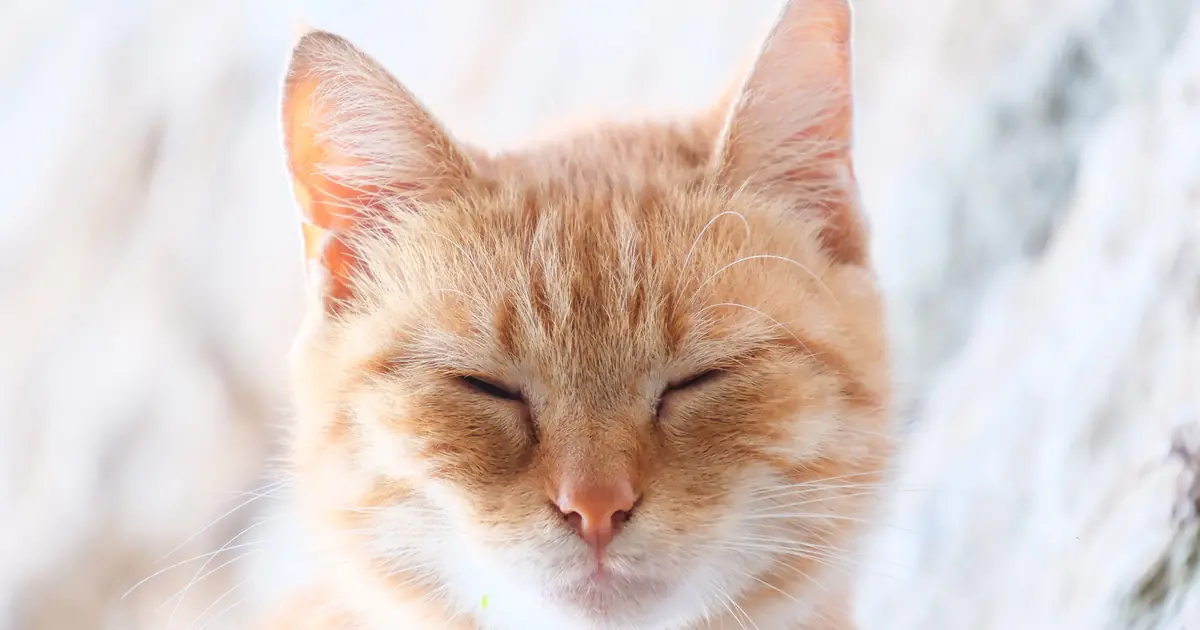
Your cat is clearly exhausted, eyes drooping, head bobbing, and yet it keeps jolting awake like a toddler refusing a nap. Cats really do fight sleep sometimes, and it’s usually pretty relatable.
Here’s why your cat battles the sandman, and when it’s worth noticing.
- Cats fight sleep mostly from FOMO, alertness instinct, or overstimulation.
- They doze lightly but snap awake to check their surroundings, a survival holdover.
- Kittens and playful cats often resist sleep when there’s activity around them.
- It’s usually normal; a tired cat will crash once it feels safe and things settle.
- Persistent restlessness or trouble settling can occasionally signal pain or anxiety.
Why do cats fight their sleep?
Cats fight their sleep mainly because they don’t want to miss anything and instinctively stay alert. Even a drowsy cat will resist fully dozing off if there’s movement, noise, or interesting activity nearby, snapping awake to keep tabs on its environment. This is partly a survival instinct (staying ready for threats or prey) and partly plain curiosity or overstimulation. It’s especially common in kittens and playful cats. In most cases, fighting sleep is normal, and the cat crashes hard once things calm down.
Is fighting sleep normal for cats?
Yes, occasionally resisting sleep is completely normal cat behavior. Cats are wired to nap lightly and wake easily, so a stimulating environment (people moving, sounds, other pets) can keep a tired cat hovering on the edge of sleep. You’ll often see the classic head-bob: the cat dozes, jerks awake, then dozes again. Once the cat feels safe and the activity dies down, it settles into deep sleep. This ties into how cats sleep so much overall, especially kittens, covered in why kittens sleep a lot.
Why do kittens especially fight sleep?
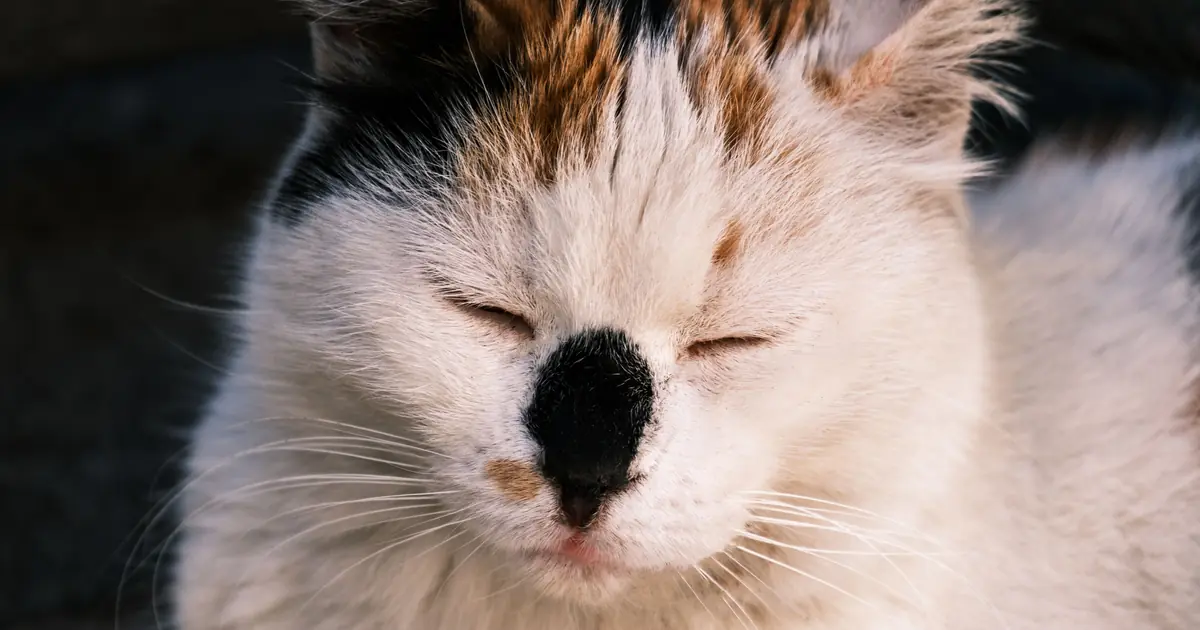
Kittens fight sleep because they’re bursting with energy and curiosity, then crash suddenly. A kitten will often play hard, resist winding down (much like an overtired child), and then abruptly fall asleep mid-activity. Their developing brains and boundless enthusiasm make them reluctant to miss the fun, but their small bodies tire fast, so the “fight” is short-lived. This burst-and-crash pattern is normal and fades as they mature, part of the broader arc in when kittens calm down.
What makes cats fight sleep? Common reasons
Here’s what’s usually behind it.
| Reason | What’s happening |
|---|---|
| Fear of missing out | Doesn’t want to miss activity or attention |
| Alertness instinct | Staying ready to react, a survival holdover |
| Overstimulation | Too much going on to relax fully |
| Overtiredness (kittens) | Wired and cranky, then a sudden crash |
| Uncomfortable spot | Not quite safe or cozy enough to settle |
When should fighting sleep worry you?
It’s rarely a concern, but persistent restlessness or trouble settling can occasionally signal a problem. If your cat seems unable to get comfortable, paces, cries at rest, sleeps far less than usual, or shows other changes like appetite loss or hiding, discomfort, pain, anxiety, or an illness (such as hyperthyroidism in older cats) could be involved. This article is educational and not a substitute for veterinary care; a sudden, ongoing change in your cat’s sleep or restlessness warrants a vet check. To help a cat settle, offer a calm, cozy spot and a consistent routine, and burn energy with play beforehand, as with the wind-down tips in how cats fall asleep so fast. Trusted guidance comes from the ASPCA and VCA.
Frequently Asked Questions
Q: Why does my cat fight falling asleep?
Usually fear of missing out, an instinct to stay alert, or overstimulation. Your cat doses but snaps awake to monitor its surroundings. It’s normal, especially with activity nearby, and the cat crashes once it feels safe and calm.
Q: Why does my kitten fight sleep then suddenly crash?
Kittens are full of energy and curiosity and hate missing the fun, so they resist winding down like an overtired child, then abruptly fall asleep when their small bodies run out of steam. It’s normal and eases as they grow.
Q: Is it normal for cats to resist sleep?
Yes. Cats nap lightly and wake easily by design, so a stimulating environment can keep a tired cat hovering on the edge of sleep, with the classic head-bob. Once things settle and the cat feels safe, it sleeps deeply.
Q: How do I help my cat settle down to sleep?
Offer a calm, cozy, safe spot away from activity, keep a consistent routine, and play with your cat to burn energy before rest. A predictable wind-down and a quiet environment help a cat relax into deep sleep.
Q: When should I worry about my cat not settling?
If your cat can’t get comfortable, paces, cries at rest, sleeps much less than usual, or shows appetite loss or hiding, discomfort, anxiety, or illness (like hyperthyroidism) could be involved. See your vet for persistent changes.
Q: Do cats fight sleep because they don’t feel safe?
Sometimes. A cat that doesn’t feel secure or comfortable may resist deep sleep and stay alert. Providing a quiet, cozy, safe resting spot and a calm routine helps it relax enough to settle fully.

Hello and welcome to The Ideal Cat!
We are some passionate cat owners from different professions. We love our cats and have a lot of experience in how to care for our pets. We are incredibly excited to share our knowledge, experience, and research with you. So you can take good care of your loving cat. We will answer most of the common questions about owning cats, taking care of them, etc. If you have any question contact with us. Thanks for visiting! Enjoy the content.
