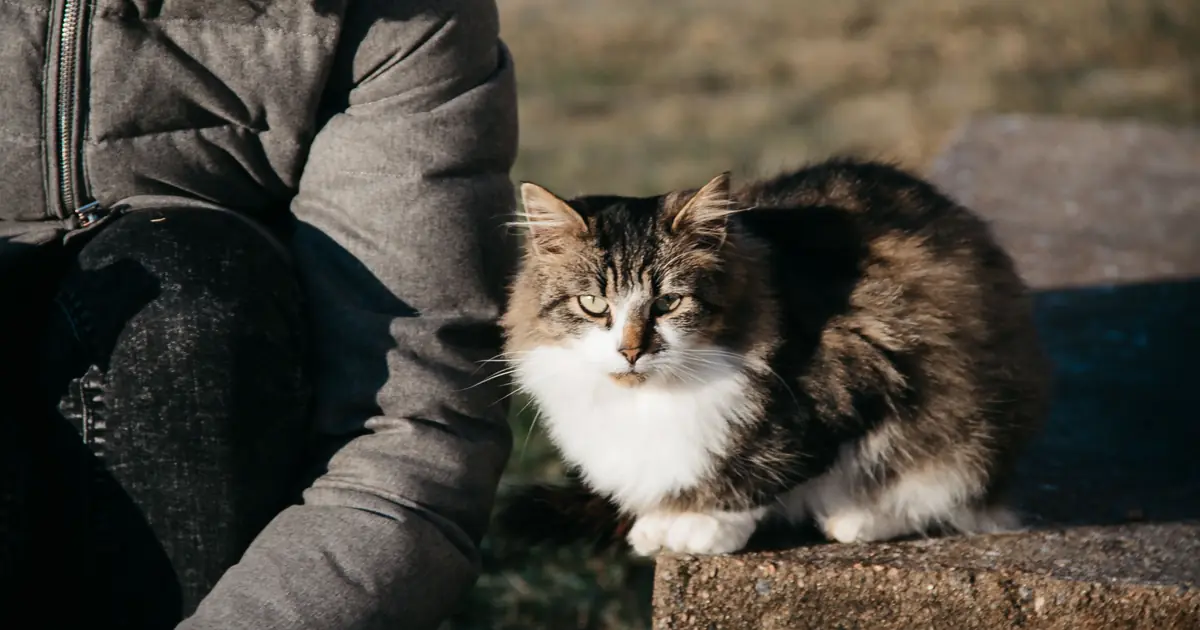
Your cat plants itself between you and a visitor, follows you room to room, or perches nearby keeping watch. It can feel like you’ve got a tiny furry bodyguard, and in a way, you do.
Here’s what “guarding” behavior really means and when it needs a second look.
- Cats guard you out of bonding, territory, and a sense of security, you’re part of their world.
- It usually reflects trust and attachment rather than deliberate protection like a dog.
- Cats may stay close, watch over you, or react warily to perceived threats.
- Some guarding is really resource-guarding (treating you as a valued resource) or anxiety.
- Watch for aggression toward people or pets, which can signal a behavior issue to address.
Why does my cat guard me?
Cats guard you because you’re a central, valued part of their world, so they bond closely, stay near, and stay alert around you. This “guarding” blends affection, attachment, and territorial instinct: your cat feels secure with you and wants to keep that safe. It may sit facing outward near you, follow you, or watch newcomers warily. For most cats this reflects trust and a strong bond rather than literal, dog-style protection, though the effect can look protective, and occasionally it shades into anxiety or resource-guarding.
Do cats actually protect their owners?
Cats can act protectively, but it’s usually instinct and attachment rather than a deliberate guarding job. Some cats do respond to threats, hissing at a stranger, positioning between you and a perceived danger, or reacting to your distress, and there are real stories of cats alerting owners. But cats aren’t guard animals by design like some dogs; what looks like protection is often territorial defense of their space (which includes you) plus a strong bond. Either way, it’s a sign your cat is deeply connected to you, similar to why some cats follow you everywhere.
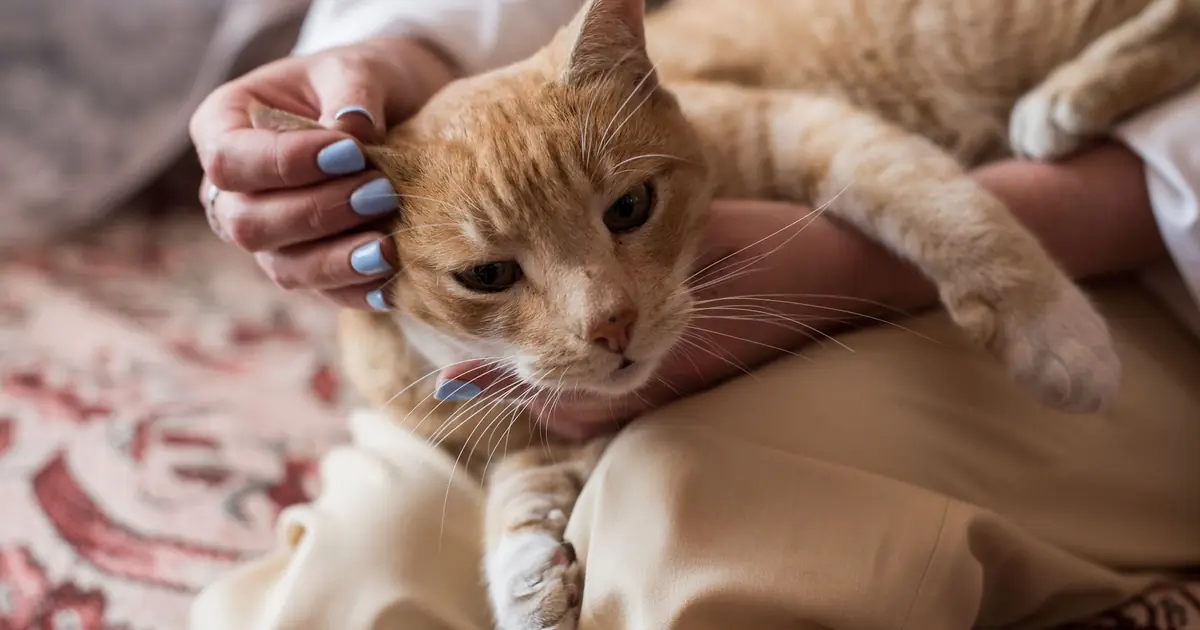
What does guarding behavior look like?
Guarding shows up in several recognizable ways. Common signs:
- Staying close and positioning near or facing away from you, keeping watch.
- Following you around the home and settling wherever you are.
- Alertness to newcomers, watching or reacting warily to guests or other pets.
- Reacting to your distress, coming over or vocalizing when you’re upset.
- Body language, upright posture, focused eyes, sometimes a puffed look at a threat.
Much of this overlaps with clingy, attached behavior, explored in why cats get clingy.
Is guarding a good sign or a problem?
In most cases guarding is a positive sign of trust and bonding, but sometimes it reflects a concern. Here’s the difference.
| Healthy guarding (bonding) | Worth addressing |
|---|---|
| Stays close and relaxed near you | Aggression toward people or pets who approach you |
| Watchful but calm around guests | Hissing, swatting, or blocking access to you |
| Comforting presence when you’re upset | Anxiety, over-attachment, or distress when apart |
| Confident, secure body language | Tense, fearful, or resource-guarding behavior |
When should you address guarding behavior?
Address guarding if it becomes aggressive, anxious, or possessive rather than affectionate. Warning signs include your cat hissing, swatting, or attacking people or other pets that come near you (a form of resource-guarding, treating you as a prized resource), or showing distress and clinginess that suggests separation anxiety. These can strain your household and stress your cat. This article is educational and not a substitute for professional advice; for genuine aggression or anxiety, rule out pain or illness with your vet and consider a certified feline behaviorist. Building your cat’s confidence and independence helps, as does managing introductions like in introducing a new cat. Trusted behavior guidance comes from the ASPCA and International Cat Care.
Frequently Asked Questions
Q: Why does my cat guard me?
Because you’re a valued part of its world. Guarding blends bonding, territory, and security, your cat stays close and watchful to keep you (its safe person) protected. It usually reflects trust and attachment rather than dog-style protection.
Q: Do cats really protect their owners?
Cats can act protectively, some react to threats or your distress, but it’s mostly instinct and attachment rather than a deliberate guarding role. What looks like protection is often territorial defense plus a strong bond with you.
Q: Is my cat guarding me a sign of love?
Usually, yes. Staying close, following you, and keeping watch reflect trust and a strong bond. Your cat sees you as central to its world. It’s a compliment, as long as the behavior stays affectionate rather than aggressive or anxious.
Q: Why does my cat get aggressive when people come near me?
That can be resource-guarding, your cat treats you as a prized resource and defends access. It may also be fear or overstimulation. It’s worth addressing: rule out pain with your vet and consider a behaviorist for persistent aggression.
Q: Is guarding behavior the same as clinginess?
They overlap. Both involve staying close and attachment. Guarding adds a watchful, protective flavor, while clinginess centers on wanting constant contact. Excessive versions of either can signal anxiety, so watch for distress when you’re apart.
Q: Should I encourage my cat to guard me?
Enjoy the bond, but don’t reinforce aggressive guarding. Reward calm, secure behavior, help your cat feel confident around guests, and give it independence and enrichment. If guarding turns possessive or anxious, address it with your vet or a behaviorist.

Hello and welcome to The Ideal Cat!
We are some passionate cat owners from different professions. We love our cats and have a lot of experience in how to care for our pets. We are incredibly excited to share our knowledge, experience, and research with you. So you can take good care of your loving cat. We will answer most of the common questions about owning cats, taking care of them, etc. If you have any question contact with us. Thanks for visiting! Enjoy the content.
