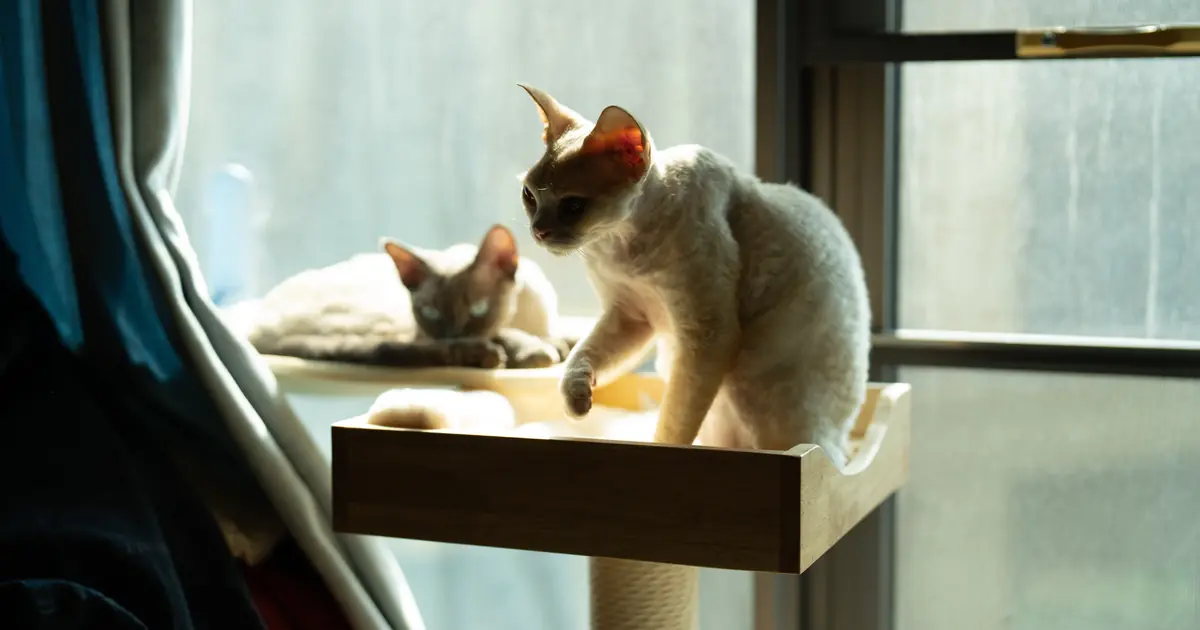
Picture a warm, wrinkly little cat with no fur and legs so short its belly almost brushes the floor. It trots over, hops into your lap, and radiates heat like a tiny furnace. That’s a Bambino cat, and yes, people do a double take every single time.
Here’s a number that surprises folks: a Bambino kitten can cost more than a used car deposit, often $1,500 to $3,500 or higher. They’re frequently called one of the most expensive cat breeds out there.
The Bambino cat is adorable and affectionate. It also comes with real care demands and a genuine ethical debate. Let’s talk through all of it, the good and the complicated, like two cat people figuring it out together.
Bambino Cat Breed Stats At A Glance
Here’s the quick rundown before we get into the details. The Bambino cat is a small, warm, low-to-the-ground charmer with high care needs.
| Origin | United States (Arkansas), 2005 |
| Weight (Male) | 6 to 9 pounds |
| Weight (Female) | 5 to 8 pounds |
| Lifespan | 9 to 15 years (often quoted 12 to 14) |
| Coat | Hairless or fine peach fuzz; warm, soft, often wrinkled skin |
| Colors | Any skin tone or pattern: pink, gray, black, cream, spotted, and more |
| Energy Level | Moderate to high; playful and curious |
| Grooming Needs | High (weekly baths, regular skin and ear cleaning) |
| Good With Kids | Yes, with gentle, supervised handling |
| Good With Other Pets | Yes, usually sociable with cats and friendly dogs |
| Average Price | $1,500 to $3,500 (sometimes higher) |
What Is A Bambino Cat? History And Origin
The Bambino cat is a designer breed created in 2005 by crossing the hairless Sphynx with the short-legged Munchkin. The result is a cat that’s both bald and dwarf-legged. Breeders Stephanie and Pat Osborne started the breed at their Holy Moly Cattery in Arkansas.
The name fits the look. “Bambino” means “baby” in Italian, and these cats keep a kitten-like, baby-faced charm their whole lives. Short legs and big eyes will do that.
Where Does The Bambino Come From Genetically?
A Bambino inherits two separate genetic mutations. The hairlessness comes from a recessive gene passed down from the Sphynx. The short legs come from a dominant gene passed down from the Munchkin. Stack those two traits in one cat and you get the Bambino’s signature look.
Is The Bambino A Recognized Breed?
The Bambino is recognized by The International Cat Association (TICA) as an experimental breed, a status it received in 2006. It’s also listed by the Rare and Exotic Feline Registry. But the Cat Fanciers’ Association (CFA) and the American Cat Fanciers’ Association (ACFA) do not recognize it.
That gap matters. The bigger registries have declined to recognize the Bambino partly because they don’t want to encourage breeding cats for two combined genetic mutations. We’ll come back to that honest conversation below.
What Does A Bambino Cat Look Like?
A Bambino cat looks like a hairless kitten that never grew tall. It has the Sphynx’s bare, wrinkled skin and the Munchkin’s stubby legs, wrapped in a small, muscular little body. Big ears, big eyes, and a warm belly complete the picture.
The Skin And “Coat”
Bambinos are technically hairless, but most aren’t truly bald. They’re usually covered in a fine peach fuzz, like a warm suede peach. You’ll often find a little more hair on the nose, ears, tail, and toes. The skin feels soft, warm, and slightly tacky, and it commonly wrinkles around the face, neck, and shoulders.
Because there’s no real coat, the color shows in the skin itself. Bambinos come in just about every shade and pattern: pink, gray, black, cream, and spotted or two-toned skin. The pattern that would have been in the fur shows up as pigment on the skin instead.
Short Legs And Small Size
The Bambino’s legs are noticeably short, a trait inherited from the Munchkin. The spine and body length stay normal, so the cat sits low and long, closer to the ground than a typical cat. Bambinos are small overall, usually 5 to 9 pounds, with females on the lighter end.
Kitten Versus Adult
Bambinos don’t change dramatically as they grow. They keep that baby-faced, kitten-ish look into adulthood, which is exactly where the name came from. Adults firm up into compact little muscle on short legs, but the cute-forever vibe sticks around.
What Is The Bambino Cat’s Personality Like?
The Bambino cat is affectionate, social, and playful, blending the cuddly Sphynx temperament with the curious, energetic Munchkin streak. These are people cats. They want to be near you, on you, or following you from room to room.
Expect a cat that greets you at the door and supervises your every move. Bambinos tend to be confident and outgoing, not shy wallflowers. Many love perching on shoulders and burrowing under blankets, partly for love and partly because hairless cats get cold.
They’re smart and curious, too. Short legs don’t slow them down much. They’ll still chase toys, explore shelves they probably shouldn’t, and figure out how to open the cabinet where you hide the treats. (Good luck.)
And the heat thing is real. With no fur, a Bambino feels like a tiny living heating pad. A lot of owners say their Bambino is the warmest, clingiest cat they’ve ever shared a couch with.
Is The Bambino Cat Right For You?
A Bambino cat is right for you if you want a loving, indoor, high-attention companion and you’re ready for daily skin care and a real vet budget. It’s not the cat for someone who wants a low-maintenance, leave-it-alone pet.
Be honest with yourself about a few things first:
- Time and attention. Bambinos hate being alone for long stretches. They thrive with company.
- Grooming commitment. Hairless skin needs weekly baths and regular wipe-downs to manage oil buildup.
- Climate control. No fur means these cats need a warm home and sun protection. They live strictly indoors.
- Money. The purchase price is high, and so is the lifetime vet and care cost.
The Ethics Question, Honestly
Here’s the part a lot of cute breed articles skip. The Bambino combines two genetic mutations on purpose: hairlessness and short legs. Both come with potential health tradeoffs, and stacking them is the heart of the ethical debate.
Critics, including major cat registries, argue it’s not great to breed cats for looks when those looks come from mutations that can affect health and mobility. The Netherlands banned the breeding of Bambinos in 2019, citing welfare concerns tied to the short-legged dwarfism trait. That’s a serious signal worth knowing.
Plenty of Bambinos live happy, comfortable lives, and many owners adore them. Both things can be true. We’re not here to shame anyone who loves their Bambino. The goal is to go in with eyes open, choose a responsible source, and prioritize the cat’s health over its novelty. If the ethics sit uneasy with you, a rescue Sphynx or a standard Munchkin might feel like a better fit.
Are Bambino Cats Healthy? Common Health Issues
Bambino cats can be reasonably healthy, but they carry inherited risks from both parent breeds, and the breed is still new, so long-term data is limited. The most discussed concerns are heart disease, spine and chest deformities, and skin problems.
A quick note: this section is educational, not a diagnosis. Always work with a licensed veterinarian for your individual cat’s health, screening, and care.
Heart: Hypertrophic Cardiomyopathy (HCM)
Hypertrophic cardiomyopathy (HCM) is a heart disease where the heart muscle thickens, and it’s the most common heart condition in cats. The Sphynx line is known to carry HCM risk, so it’s a top concern for Bambinos. Responsible breeders screen their cats, and your vet may recommend periodic heart checks.
Spine And Chest: Lordosis And Pectus Excavatum
Lordosis is an excessive inward curve of the spine, and it’s a concern linked to the short-legged Munchkin line. In serious cases it can affect movement and put pressure on internal organs. Pectus excavatum, a caved-in chest shape, is another structural issue that shows up in some hairless and dwarf-trait cats.
Skin, Sun, And Temperature
No fur means more skin care. Bambinos can develop oily skin, clogged pores, and yeast or fungal issues if they aren’t cleaned regularly. Their bare skin also burns in the sun and chills fast in the cold, so they need protection from both.
| Health Concern | Inherited From | What To Watch For |
|---|---|---|
| Hypertrophic cardiomyopathy (HCM) | Sphynx line | Lethargy, fast breathing, reduced activity |
| Lordosis (spine curvature) | Munchkin line | Posture changes, trouble moving, discomfort |
| Pectus excavatum (caved chest) | Both lines | Breathing or exercise issues in kittens |
| Skin and yeast problems | Hairlessness | Oily buildup, redness, odor, breakouts |
| Sunburn and chilling | Hairlessness | Pink or sore skin, seeking warmth |
See a vet promptly if your Bambino shows labored or fast breathing, sudden weakness, loss of appetite, or any trouble walking. Those can be signs of heart or spine trouble that need quick attention.
How Do You Care For A Bambino Cat?
Caring for a Bambino cat means weekly bathing, regular skin and ear cleaning, and constant sun and cold protection. The “no hair, no grooming” idea is a myth. Hairless cats are honestly more hands-on than fluffy ones.
Bathing And Skin Care
Because there’s no coat to absorb oils, a Bambino’s skin gets greasy and can leave residue on your sheets. Most need a gentle bath about once a week with a mild, cat-safe shampoo. Between baths, soft wipes help with face folds, armpits, and toes.
Gentle cat bath wipes
For the days between full baths, hypoallergenic feline wipes are an easy way to clean skin folds, paws, and ears without stressing your cat with another bath. They’re handy for quick touch-ups on oily spots.
Ears, Nails, And Eyes
Hairless cats build up wax and grime fast because there’s no fur to catch it. Clean the ears gently with a vet-approved solution, trim nails regularly, and wipe the eye area, since Bambinos often lack protective eyelashes. A weekly once-over keeps small problems from becoming big ones.
Sun And Cold Protection
A Bambino’s bare skin sunburns easily, so keep it out of direct, prolonged sun and skip outdoor roaming. In cooler weather, offer soft blankets, warm beds, and even cat sweaters. These cats run cold, and they’ll tell you about it by burrowing into anything warm.
What Should You Feed A Bambino Cat?
Feed a Bambino cat a high-quality, protein-rich diet, because hairless cats tend to have fast metabolisms and burn extra energy keeping warm. A vet-approved meal plan with the right portions keeps weight steady without overfeeding.
A few practical tips for Bambino feeding:
- Prioritize animal protein. Look for a named meat as the first ingredient.
- Watch the portions. Big appetites are common, but extra weight strains short legs and the spine.
- Keep fresh water available. A fountain encourages drinking and supports kidney health.
- Ask your vet about the right calories for your cat’s age, weight, and activity.
Because Bambinos run warm and busy, they may eat a bit more than the average cat. That doesn’t mean unlimited food. Lean and active beats round and strained, especially with those low-slung legs.
How Much Exercise And Enrichment Do Bambinos Need?
Bambino cats need daily play and mental enrichment to stay happy, even with short legs. They’re curious and energetic, and a bored Bambino can get into mischief or pack on weight. Plan for a couple of short play sessions a day.
Short legs change the game a little. Bambinos can climb and jump, but high leaps are harder, so they appreciate ramps, low cat trees, and steps to favorite perches. Wand toys, puzzle feeders, and gentle chase games are perfect. Many Bambinos also love simply being part of whatever you’re doing, so interactive play doubles as bonding time.
How Do Bambinos Do With Kids, Dogs, And Other Cats?
Bambino cats usually do well with kids, dogs, and other cats, thanks to their friendly, social nature. They’re not loners. They generally enjoy a busy household with plenty of company and attention.
With Kids
Bambinos are typically gentle and playful with children, which makes them good family cats. The catch is their delicate, fur-free skin. Teach kids to handle them softly and never grab or squeeze, and always supervise younger children around the cat.
With Dogs And Other Cats
Most Bambinos get along fine with cat-friendly dogs and other cats, especially with slow, proper introductions. Because they crave company, a Bambino often does better with a buddy than home alone all day. Just match energy levels so a rowdy playmate doesn’t bowl over those short legs.
How Long Do Bambino Cats Live? Aging Tips
Bambino cats typically live around 9 to 15 years, with many sources citing roughly 12 to 14 years for a well-cared-for cat. Good genetics, indoor living, vet care, and healthy weight all push toward the upper end.
To help a Bambino age comfortably:
- Keep up regular vet visits, including heart screening as your vet recommends.
- Protect the joints and spine by keeping weight in check and adding ramps as they slow down.
- Stay on top of skin care, since older cats can struggle to clean themselves.
- Keep them warm, as senior hairless cats feel the cold even more.
How Much Does A Bambino Cat Cost?
A Bambino cat usually costs between $1,500 and $3,500 from a breeder, and prices can climb higher for cats from established catteries. It’s frequently ranked among the most expensive cat breeds, driven by the difficulty of breeding the hybrid and the vet care involved.
The sticker price is only the start. Hairless cats carry ongoing costs that fluffy cats don’t.
| Expense | Typical Cost |
|---|---|
| Kitten from a breeder | $1,500 to $3,500+ |
| Adoption (if available) | $100 to $500 |
| Initial vet, spay/neuter, supplies | $300 to $700 |
| Monthly food, litter, and care | $100 to $150 |
| Routine and emergency vet care | Varies; budget for HCM and skin care |
If the breeder price feels steep, adoption is worth a look. Bambinos and hairless mixes do turn up in rescues, and the fee is a fraction of a breeder’s. Just know that ongoing care costs stay the same either way.
Where Can You Find A Bambino Cat Ethically?
To find a Bambino cat ethically, choose a responsible breeder who health-tests their cats and is honest about risks, or adopt through a rescue. Avoid anyone who treats these cats like a novelty product, because that’s where welfare problems start.
Green Flags In A Breeder
- Screens parent cats for HCM and shares the results
- Lets you visit or video-call to see how the cats live
- Talks openly about the breed’s health and ethical concerns
- Provides health records, a contract, and ongoing support
- Doesn’t send kittens home too young (usually 12 weeks or older)
Red Flags To Walk Away From
- Multiple breeds and constant litters with no health testing
- Pushy sales, deposits before you see anything, cash-only pressure
- No questions about you or your home
- Won’t discuss lordosis, HCM, or the ethics debate
- “Rare color” or “teacup” gimmicks used to justify sky-high prices
And the honest reminder: because the Bambino combines two mutations, some welfare groups discourage breeding it at all, and at least one country has banned it. Adopting an existing cat sidesteps that dilemma entirely, and it gives a deserving cat a home.
Breeds Similar To The Bambino Cat
If you love the Bambino’s look but want to compare, several related breeds share its hairless or short-legged traits. Here are the closest cousins.
| Breed | How It Compares To The Bambino |
|---|---|
| Sphynx | Hairless like the Bambino, but with normal-length legs |
| Munchkin | Short legs like the Bambino, but with a full coat of fur |
| Minskin | Short legs and mostly hairless, with fur “points” on the face, ears, legs, and tail |
| Dwelf | Hairless, short-legged, and curled-ear; an even rarer dwarf hairless breed |
The Bambino is essentially the Sphynx’s hairlessness plus the Munchkin’s legs in one cat. If you want hairless without the short legs, the Sphynx is your breed. If you want short legs without the bathing routine, the Munchkin is the easier-care choice.
Common Myths And Misconceptions About Bambino Cats
The Bambino comes wrapped in a few myths that lead new owners astray. Let’s clear up the big ones.
Myth: Bambino Cats Are Hypoallergenic
Bambino cats are not hypoallergenic. No cat truly is. Most cat allergies are caused by a protein called Fel d 1 in saliva and skin oils, not the fur itself. Since hairless cats still produce that protein and groom themselves, a Bambino can absolutely trigger allergies. Some people react less, but “less” is not “none.”
Myth: No Hair Means No Grooming
Hairless cats are higher maintenance, not lower. Without a coat to absorb oils, a Bambino’s skin gets greasy and needs weekly baths plus regular wiping. So the “low maintenance because there’s no hair” idea is backwards.
Myth: Short Legs Mean A Painful, Disabled Cat
Most Bambinos move, run, and play just fine despite their short legs. The breed does carry real spine and joint risks worth taking seriously, but plenty of Bambinos live active, comfortable lives. The truth sits in the middle: not doomed, not risk-free.
Bambino Cat FAQ
Q: Are Bambino cats healthy?
Bambino cats can be reasonably healthy but carry inherited risks from both parents, including hypertrophic cardiomyopathy from the Sphynx side and lordosis from the Munchkin side. The breed is still new, so long-term health data is limited. Choosing a health-testing breeder and regular vet care make a big difference.
Q: How much is a Bambino cat?
A Bambino cat typically costs $1,500 to $3,500 from a breeder, and sometimes more. It’s often called one of the most expensive cat breeds. Adoption, when available, runs far cheaper at around $100 to $500, though ongoing care costs stay the same.
Q: Are Bambino cats hypoallergenic?
No, Bambino cats are not hypoallergenic. Cat allergies come from the Fel d 1 protein in saliva and skin oils, not from fur. Hairless cats still make this protein, so a Bambino can trigger allergies. Some people react less, but no cat is allergy-proof.
Q: What is the difference between a Bambino and a Sphynx?
The main difference is the legs. A Sphynx is hairless with normal-length legs, while a Bambino is hairless with short legs inherited from the Munchkin. Bambinos are also smaller and sit lower to the ground. Both share the same warm skin and high care needs.
Q: Are Bambino cats ethical to breed?
This is debated. The Bambino combines two genetic mutations, hairlessness and short legs, and major registries like the CFA decline to recognize it for that reason. The Netherlands banned breeding it in 2019 over welfare concerns. Many Bambinos live happy lives, but the ethics are a real and fair question.
Q: Do Bambino cats need baths?
Yes, Bambino cats need regular baths, usually about once a week. Without fur to absorb skin oils, they get greasy and can develop skin problems. Use a gentle, cat-safe shampoo and clean their ears, skin folds, and paws between baths with soft wipes.
Q: How big do Bambino cats get?
Bambino cats stay small, typically weighing 5 to 9 pounds, with males slightly larger than females. They have normal body length but short legs, so they sit low and look compact. Their kitten-like size is part of where the name “bambino,” Italian for “baby,” comes from.
Q: Can Bambino cats go outside?
Bambino cats should live strictly indoors. Their bare skin sunburns easily, they get cold fast, and they’re vulnerable without fur for protection. Keep them warm with blankets and beds, and provide play and enrichment inside instead of outdoor roaming.
The Final Verdict On The Bambino Cat
The Bambino cat is a warm, affectionate, endlessly entertaining little companion that will follow you everywhere and heat up your lap like nothing else. If you want a clingy, people-loving cat and you’re ready for the bathing routine, the vet budget, and the indoor lifestyle, a Bambino can be a joy.
Just go in honest. This is a high-maintenance, high-cost breed built from two mutations, and the ethics deserve real thought, not a shrug. Choose a responsible source or adopt, prioritize health over novelty, and keep your vet in the loop. Do that, and your Bambino cat can be a happy, healthy, baby-faced shadow for many years.
This guide is educational and not a substitute for veterinary advice. Always consult a licensed veterinarian about your individual cat’s health and care.

Hello and welcome to The Ideal Cat!
We are some passionate cat owners from different professions. We love our cats and have a lot of experience in how to care for our pets. We are incredibly excited to share our knowledge, experience, and research with you. So you can take good care of your loving cat. We will answer most of the common questions about owning cats, taking care of them, etc. If you have any question contact with us. Thanks for visiting! Enjoy the content.
