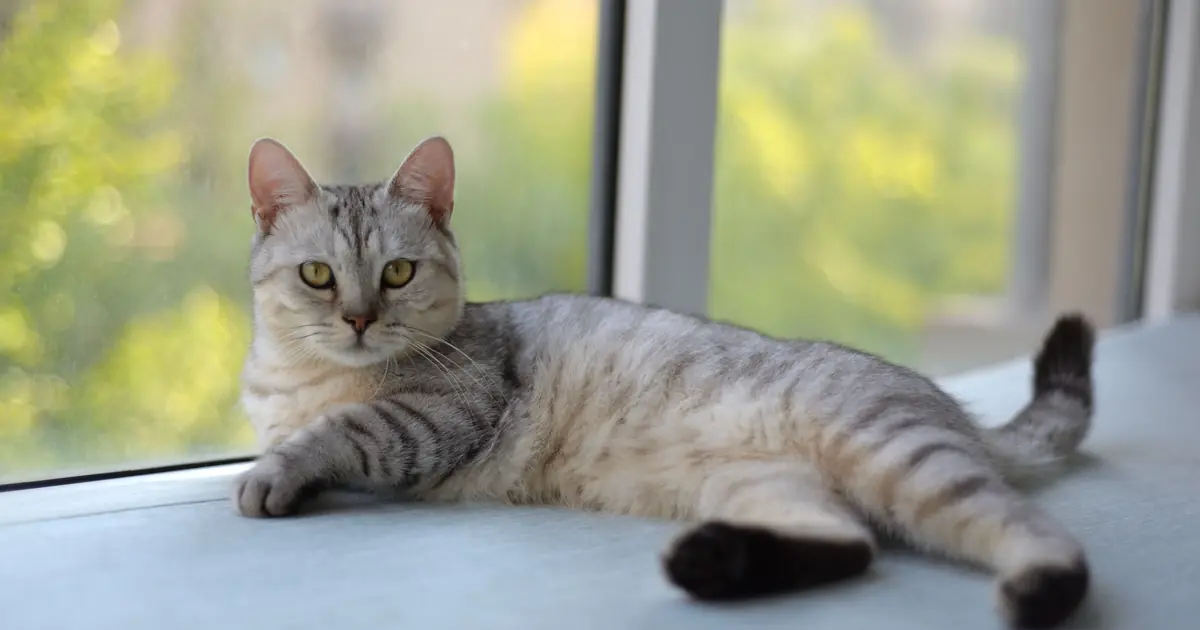
Picture a kitten that looks like someone shrank a Sphynx, gave it stubby little legs, and then dusted soft fuzz onto its face, ears, paws, and tail. That is a Minskin cat. And yes, the body in between is mostly bare.
It feels like warm suede. People always say that after they hold one.
The Minskin cat is one of the rarest cats you will ever meet, and one of the most divisive. Some adore the quirky look and the velcro-cat personality. Others worry about stacking two big mutations into one tiny body. Both reactions are fair. Let’s get into all of it, honestly.
- The Minskin is a mostly-hairless, short-legged breed developed by Paul McSorley in Boston starting in 1998, using Munchkin, Sphynx, Devon Rex, and Burmese stock.
- Minskins have “fur points”: fine fur on the face, ears, legs, and tail, with a mostly bare, cashmere-feeling body that sets them apart from the fully bald Sphynx.
- Adult Minskins are small, usually 4 to 6 pounds, with a sturdy, surprisingly heavy little body and very short legs from the same gene behind the Munchkin.
- The breed carries two well-known mutation lines (hairlessness and short legs), so health screening, an ethical breeder, and an honest look at the welfare debate matter a lot here.
- The Minskin is recognized only by TICA, where it sits in registration-only status rather than full championship recognition; it is not a CFA breed.
What Is a Minskin Cat?
A Minskin cat is a small, mostly-hairless cat with very short legs and patches of soft fur on its face, ears, legs, and tail. Those fur patches are called “fur points,” and they are the breed’s calling card. The body in between is nearly bare and feels like warm chamois or cashmere.
The name says it all. “Min” is for the miniature legs (borrowed from the Munchkin). “Skin” is for the exposed, sparsely-coated body (borrowed from the Sphynx). Put them together and you get a cat that is genuinely unlike anything else in the room.
Minskin Cat Breed Stats at a Glance
| Origin | United States (Boston, Massachusetts), developed from 1998 by Paul McSorley |
| Weight (Male) | About 4 to 6 lb (roughly 2 to 2.7 kg) |
| Weight (Female) | About 4 to 5 lb (often a touch smaller than males) |
| Lifespan | 12 to 15 years with good care |
| Coat | Mostly hairless body with soft “fur points” on face, ears, legs, and tail; suede or cashmere feel |
| Colors | All colors and patterns accepted, including point coloration |
| Energy Level | Moderate to high; playful, curious, and very people-focused |
| Grooming Needs | High; regular bathing or wipe-downs, ear cleaning, and skin care |
| Good With Kids | Yes, with gentle, supervised handling |
| Good With Other Pets | Yes; usually friendly with cat-savvy dogs and other cats |
| Average Price | $1,500 to $5,000 from an ethical breeder |
Where Did the Minskin Cat Come From?
The Minskin cat was created by Paul McSorley, who started the breeding program in Boston, Massachusetts, in 1998. His goal was specific: combine the short legs of the Munchkin with a mostly-hairless body, while keeping soft fur on the extremities, almost like a color-point cat in reverse.
To get there, McSorley worked with four breeds. The Munchkin brought the short legs. The Sphynx brought the hairlessness. The Devon Rex added its fine, rexed coat texture. And the Burmese contributed a sweet, sturdy body and a famously people-loving temperament.
The first cat that truly hit McSorley’s target was born in July 2000. By early 2005, only around 50 cats met the breed standard. That is a tiny gene pool, and it is a big part of why Minskins are still rare and pricey today.
What Does a Minskin Cat Look Like?
A Minskin cat looks like a compact, big-eyed pixie on short legs. The head is round and broad, the eyes are large and wide-set, and the body is small but solid. Pick one up and it feels heavier than it looks, like a warm little beanbag.
The Fur Points (The Part Everyone Asks About)
Fur points are the patches of soft, fine fur a Minskin keeps on its face, ears, legs, tail, and sometimes the underside. The rest of the body is sparsely coated or nearly bare, with skin that often shows gentle wrinkles around the neck and shoulders. That mix of bald body and fuzzy edges is exactly what separates a Minskin from a fully naked Sphynx.
Those Short Legs
The Minskin’s short legs come from the same gene behind the Munchkin (a form of chondrodysplasia, a type of dwarfism that shortens the long bones). The legs are short and sturdy, the back stays fairly level, and the whole cat sits low to the ground. They can still jump and climb, just usually a little lower and with more of a hop.
Kitten vs Adult
Minskin kittens look impossibly wrinkly and almost frog-like, with skin that seems a size too big. As they grow, the body fills in, the wrinkles smooth out a bit, and the fur points become more defined. Adults stay small their whole lives, which is part of the appeal.
What Is a Minskin Cat’s Personality Like?
Minskin cats are affectionate, social, and deeply attached to their people. They are not the aloof, do-not-touch-me type. A Minskin wants to be on your lap, on your keyboard, or tucked under the covers with you, ideally all at once.
Think of them as a warm shadow. You go to the kitchen, they come too. You sit down, they appear. A lot of owners describe Minskins as dog-like: friendly, curious, and genuinely interested in whatever you are doing.
They are playful and clever, with a Devon-Rex streak of mischief and a Burmese love of company. They tend to greet guests instead of hiding. And because they crave warmth and contact, they are happiest in a busy, hands-on home, not one where they are alone all day.
Is the Minskin Cat Right for You?
A Minskin cat is right for you if you want a small, cuddly, high-contact cat and you are genuinely ready for the grooming, the warmth needs, the cost, and the ethical questions that come with the breed. This is not a low-effort pet. Honestly, it is one of the more demanding cats you can own.
Here is the honest scorecard.
| A Minskin may suit you if… | A Minskin may not suit you if… |
|---|---|
| You are home often and want a velcro cat | You travel constantly or want an independent cat |
| You are fine with weekly baths and skin care | You want a wash-and-go, low-maintenance pet |
| You can keep a warm, draft-free home | Your home runs cold or has a lot of sun-baked windows |
| You can budget for a high purchase price and vet care | A four-figure cat plus ongoing costs is a stretch |
| You have researched the mutation and welfare debate and feel at peace with it | The ethics of stacking two mutations sits wrong with you |
That last row is worth sitting with. The Minskin combines two separate mutations, hairlessness and dwarfism, in one cat. Some major registries decline to recognize dwarf breeds at all, and a few countries restrict breeding cats based on dwarfism. We will cover the debate in plain terms below. It is not preachy, it is just something a thoughtful owner should weigh before buying.
Are Minskin Cats Healthy? Common Health Issues
Minskin cats are generally healthy for a young breed, but they can inherit specific issues from their four founding breeds, especially heart, skin, and skeletal concerns. Because the breed is small and the gene pool is limited, choosing a breeder who screens for disease really matters.
Here are the conditions to know about.
| Concern | What it is | Where it comes from |
|---|---|---|
| Hypertrophic cardiomyopathy (HCM) | A thickening of the heart muscle; the most common feline heart disease | Seen in Sphynx and other breeds in the Minskin’s background |
| Skin sensitivity and sunburn | Dry, oily, or irritated skin and easy sunburn on exposed areas | The hairless (Sphynx) trait |
| Lordosis and pectus excavatum | An abnormal spine curve or a sunken chest wall | Linked to the Munchkin dwarfism gene |
| Joint and limb issues | Possible osteoarthritis or bowed/knock-kneed posture over time | The short-leg (chondrodysplasia) trait |
| Body temperature swings | They get cold fast with little fur to insulate them | The hairless trait |
About HCM
Hypertrophic cardiomyopathy is the heart condition Sphynx-line cats are most often associated with, so it is the one to ask breeders about directly. In one older study of 114 Sphynx cats, about a third had some heart abnormality on screening. That does not mean your Minskin will get it, but it does mean regular vet heart checks are a smart habit. Reputable breeders often screen their breeding cats with echocardiograms.
Skin care is the other daily reality. A nearly-bare cat has no fur to wick away skin oils, so the skin can get greasy or clogged without regular cleaning, and any sunny windowsill is a sunburn risk.
This guide is educational, not a substitute for veterinary advice. If your Minskin shows trouble breathing, lethargy, fainting, skin sores, or a loss of appetite, see a licensed vet promptly. Ask your vet about a baseline heart check and a skin-care routine that fits your cat.
How Do You Groom and Care for a Minskin Cat?
Caring for a Minskin cat means treating the skin like a coat, because it basically is one. That means regular bathing or wipe-downs, gentle ear cleaning, sun protection, and keeping your cat warm. “No hair” does not mean “no grooming.” If anything, it is more work, not less.
Bathing and Skin Care
- Bathe roughly once a week (or wipe down between baths) to remove the oily film that builds up on bare skin.
- Use a gentle, fragrance-free cat shampoo and lukewarm water. Never human shampoo.
- Dry your cat fully and right away. A damp Minskin gets chilled quickly.
- Watch for blackheads, redness, or flaking, and check those wrinkly folds where grime collects.
For quick clean-ups between baths, soft pet wipes are handy. Something gentle and unscented works best on sensitive skin.
Earthbath Hypo-Allergenic Cat Wipes
These are fragrance-free, plant-based grooming wipes made for sensitive skin. They are a simple way to wipe down a Minskin’s skin folds, paws, and ears between full baths without drying things out. Good for owners who want low-fuss daily upkeep.
Ears, Nails, and Warmth
Minskin ears collect wax fast because there is little fur to slow it down, so clean them gently every week or two with a vet-approved solution. Trim nails as usual. And keep your cat warm: cozy beds, soft blankets, maybe a cat-safe heating pad, and sweaters in winter are all fair game. A cold Minskin is an unhappy Minskin.
What Should You Feed a Minskin Cat?
Feed a Minskin cat a high-quality, protein-rich diet, because hairless and partly-hairless cats tend to run a higher metabolism to keep their body temperature up. Many Minskins eat a bit more for their size than a fully-coated cat would, so steady, nutritious meals matter.
- Choose a complete, animal-protein-first cat food, wet, dry, or a mix.
- Keep meals consistent and portioned; their small bodies do not need huge servings, just good ones.
- Always have fresh water available.
- Ask your vet about the right calories for your individual cat, especially kittens and seniors.
Because they often eat heartily, keep an eye on weight. A few extra ounces on a 5-pound frame is a bigger deal than it sounds.
How Much Exercise and Enrichment Does a Minskin Need?
Minskin cats need daily play and mental stimulation, because they are curious, smart, and bond closely with their humans. Short legs do not mean low energy. These cats love to chase, pounce, and problem-solve.
- Set aside two or three short play sessions a day with wand toys or chase toys.
- Offer puzzle feeders and treat balls to work that clever brain.
- Provide low, easy-access perches and ramps so short legs can climb safely.
- Rotate toys to keep things fresh, and join in: they would rather play with you than alone.
A bored Minskin gets clingy or mischievous. A busy one is content.
Are Minskin Cats Good With Kids, Dogs, and Other Cats?
Minskin cats are generally great with kids, cat-friendly dogs, and other cats, thanks to their easygoing, social temperament. They tend to seek company rather than avoid it, which makes them a nice fit for a lively household.
With children, the usual rules apply: teach gentle handling and supervise the little ones. A Minskin’s bare skin can be scratched or chilled, so no rough play. With dogs, slow introductions and a dog that respects cats go a long way. And in multi-cat homes, most Minskins happily snuggle up with a warm feline buddy, which also helps them stay cozy.
How Long Do Minskin Cats Live? Aging Tips
Minskin cats typically live 12 to 15 years with attentive care. To help your Minskin age well, stay ahead of the heart, skin, and joint issues the breed is prone to, and keep up with regular vet visits.
- Book wellness checks at least once a year, twice a year for seniors, and ask about heart screening.
- Keep weight in a healthy range to protect short-leg joints.
- Maintain the skin-care routine; older skin can get drier and more sensitive.
- Add soft bedding, ramps, and extra warmth as your cat slows down.
How Much Does a Minskin Cat Cost?
A Minskin cat usually costs between $1,500 and $5,000 from an ethical breeder. The price is high because the breed is rare, the gene pool is small, the kittens are hard to produce, and responsible breeders invest in health testing.
| Cost | Typical range |
|---|---|
| Kitten purchase price | $1,500 to $5,000 |
| Initial vet setup (exam, vaccines, spay/neuter if not done) | $150 to $500+ |
| Ongoing skin and grooming supplies | $15 to $40 per month |
| Quality food | $25 to $60 per month |
| Routine and unexpected vet care | Varies; budget for heart and skin care |
And remember, the sticker price is just the start. The skin care, the warmth, the higher metabolism, and the breed’s health risks all add up over a 12-to-15-year life. Be honest with yourself about the long game.
Where Can You Find a Minskin Cat Ethically?
Find a Minskin cat through a TICA-registered breeder who health-tests their cats, breeds for welfare, and is transparent about the risks. Because Minskins are so rare, expect a waitlist, and walk away from anyone who feels more like a sales pitch than a responsible breeder.
The Welfare Debate (Said Plainly)
The Minskin combines two mutations that are each debated on their own: hairlessness and dwarfism. The FIFe, a major international registry, does not allow breeds based on dwarfism and names the Munchkin gene as an example of a genetic condition it will not promote. A few places, including the Netherlands and the Australian state of Victoria, restrict breeding cats based on dwarfism. The Minskin is recognized only by TICA, in registration-only status, not as a championship breed, and the CFA does not recognize it at all.
Reasonable cat lovers land in different places on this. Some feel a well-bred, well-cared-for Minskin lives a happy life. Others would rather not support stacking mutations. Both views deserve respect. The point is to decide with eyes open, not to be sold a kitten before you have thought it through.
Red Flags to Watch For
- No health testing, or vague answers about HCM and skeletal screening.
- Won’t let you see where the kittens are raised or meet the parents.
- Kittens sent home very young (before about 12 weeks).
- Prices that seem too good to be true for such a rare breed.
- Pressure tactics, deposits before you have asked a single question, or no health guarantee.
What Breeds Are Similar to the Minskin?
If you love the Minskin look but want to compare, a few breeds share its short legs, hairlessness, or both. Here is how they stack up.
| Breed | Legs | Coat | How it differs from the Minskin |
|---|---|---|---|
| Bambino | Short | Mostly hairless | Sphynx x Munchkin cross; lacks the Minskin’s fur points and Devon Rex/Burmese input |
| Sphynx | Normal length | Hairless | Standard-length legs and no fur points; fully bare body |
| Munchkin | Short | Full coat | Normal furry coat; the short-leg parent of the Minskin |
| Dwelf | Short | Hairless | Has curled ears (American Curl input), which the Minskin does not |
| Lykoi | Normal length | Partial “werewolf” coat | Patchy roan coat and normal legs; a very different look |
The quick way to tell a Minskin from a Bambino: look for fur points. A Minskin keeps soft fuzz on the face, ears, legs, and tail. A Bambino is closer to a short-legged Sphynx with no fur points. The Dwelf gives itself away with curled-back ears.
Common Myths and Misconceptions About Minskin Cats
Myth: Minskin cats are hypoallergenic
Minskin cats are not hypoallergenic. No cat truly is. Allergies are triggered by a protein called Fel d 1, found in saliva and skin oils, not in fur. A near-hairless Minskin still produces Fel d 1, and with so much exposed skin, allergen can transfer easily. Some allergy sufferers do react less to hairless cats, but that is individual, not guaranteed. Spend time with one before you commit.
Myth: No hair means low maintenance
A hairless body is more work, not less. Minskins need regular baths, ear cleaning, skin checks, sun protection, and warmth, plus the same play and vet care as any cat. The fur you save vacuuming, you spend in the bathtub.
Myth: Short legs mean a Minskin can’t move or play
Minskins are active and playful. Short legs lower their reach a bit, so they hop and climb lower perches, but they chase, pounce, and zoom around just fine. They simply appreciate ramps and low furniture.
Minskin Cat FAQ
Q: Are Minskin cats rare?
Yes, Minskin cats are very rare. The breed only began in 1998, and by 2005 just around 50 cats met the standard. The gene pool is still small, so finding one usually means a breeder waitlist and a high price.
Q: How much is a Minskin cat?
A Minskin cat typically costs $1,500 to $5,000 from an ethical breeder. The high price reflects the breed’s rarity, the difficulty of producing kittens, and the health testing responsible breeders do.
Q: What is the difference between a Minskin and a Bambino?
The main difference is fur points. A Minskin has soft fur on its face, ears, legs, and tail, plus Devon Rex and Burmese in its background. A Bambino is a Sphynx-and-Munchkin cross with no fur points, so it looks more like a short-legged Sphynx.
Q: Are Minskin cats healthy?
Minskin cats are generally healthy but can inherit issues from their four founding breeds, including HCM (a heart condition), skin sensitivity, and skeletal concerns like lordosis tied to the dwarfism gene. Health-testing breeders and regular vet checks reduce the risk.
Q: Are Minskin cats hypoallergenic?
No, Minskin cats are not hypoallergenic. The allergen Fel d 1 lives in saliva and skin oils, not fur, so a near-hairless cat still produces it. Some allergy sufferers react less, but that varies from person to person.
Q: How big do Minskin cats get?
Minskin cats stay small, usually 4 to 6 pounds as adults, with very short legs and a compact, solid body. They feel heavier than they look and remain kitten-sized their whole lives.
Q: How long do Minskin cats live?
Minskin cats typically live 12 to 15 years with good care. A healthy diet, weight management, skin care, and regular vet checks, including heart screening, all help them live a full life.
Q: Do Minskin cats get cold?
Yes, Minskin cats get cold easily because they have so little fur to insulate them. Keep your home warm and draft-free, offer cozy beds and blankets, and consider cat sweaters in winter to keep your Minskin comfortable.
Final Verdict: Is the Minskin Cat for You?
The Minskin cat is a rare, affectionate, high-maintenance little companion that rewards the right owner and frustrates the wrong one. If you want a warm, velvety lap cat and you are ready for the baths, the warmth, the cost, and the honest ethical questions, a Minskin can be a wonderful, devoted friend for 12 to 15 years.
If you want a low-effort, hands-off pet, look elsewhere. And whatever you decide, choose a breeder who tests, tells the truth, and clearly puts the cats first. That single choice matters more than anything else on this page.

Hello and welcome to The Ideal Cat!
We are some passionate cat owners from different professions. We love our cats and have a lot of experience in how to care for our pets. We are incredibly excited to share our knowledge, experience, and research with you. So you can take good care of your loving cat. We will answer most of the common questions about owning cats, taking care of them, etc. If you have any question contact with us. Thanks for visiting! Enjoy the content.
