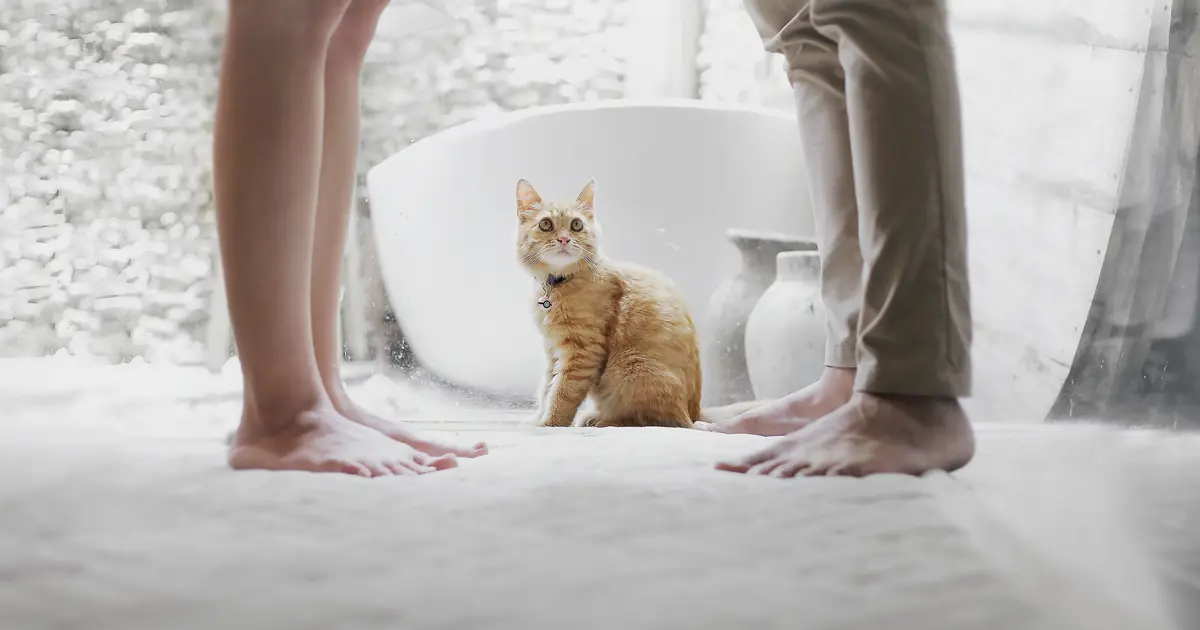
You step into the shower and, ugh, your cat has beaten you to it. Peeing in the tub or shower is a surprisingly common cat habit, and it usually has a fixable reason behind it.
Here’s why cats choose the shower, and how to redirect them back to the litter box.
- Cats pee in the shower for the cool, smooth surface and easy access, or due to litter-box issues.
- Stress, anxiety, or changes at home can trigger peeing outside the box, including in the tub.
- A urinary tract infection, crystals, or blockage can cause it, especially if it’s new.
- A straining male cat that can’t pass urine is a life-threatening emergency, see a vet now.
- Rule out medical causes first, then fix the litter box and reduce stress.
Why do cats pee in the shower?
Cats pee in the shower or bathtub for a mix of surface appeal and litter-box dissatisfaction, and sometimes because of a health issue. The cool, smooth, easy-to-reach surface can attract a cat, and the tub contains the mess neatly. But often it’s a sign your cat is unhappy with its litter box, stressed, or has a urinary problem. Because a medical cause is possible, especially if the behavior is new, shower-peeing should never be ignored.
Is it the surface or a litter-box problem?
It can be either, so consider both. Some cats simply like the tub or shower’s cool, clean, smooth surface, similar to why some are drawn to sinks and other odd spots. But frequently, peeing there means the litter box is falling short, too dirty, too small, covered, poorly located, or filled with a disliked litter, so the cat seeks an alternative. If your cat avoids the box in general, work through the setup, as we cover in why a cat stops using the litter box.
Can stress make a cat pee in the shower?
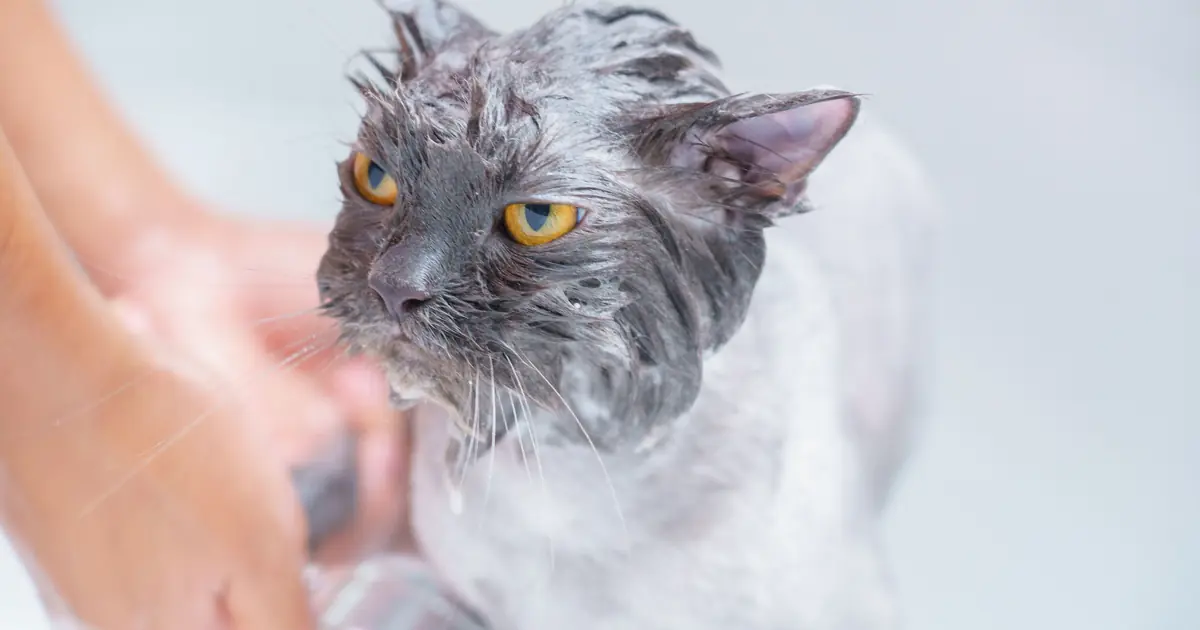
Yes, stress and anxiety are common triggers for peeing outside the box, including in the tub. Changes like a move, new pets or people, schedule shifts, or conflict with another cat can prompt inappropriate urination. Cats may also pee in “safe,” open spots like the bathroom when anxious. Reducing stressors, keeping routines steady, and providing enough resources (litter boxes, hiding spots) often helps. This is different from deliberate marking, which you can learn about in what cat spraying is.
Could it be a medical problem?
Yes, urinary issues are a leading medical cause and must be ruled out. A urinary tract infection, bladder inflammation (cystitis), or crystals can make urinating painful, so a cat associates the box with discomfort and goes elsewhere, like the cool tub. Watch for straining, frequent small trips, blood in the urine, or crying. Critically, a male cat straining to urinate with little or no output may have a urinary blockage, which is a life-threatening emergency requiring immediate veterinary care. This overlaps with other odd-surface peeing, like peeing on plastic.
Shower-peeing: harmless habit vs red flag
Here’s how to read the behavior.
| Likely behavioral | See a vet |
|---|---|
| Occasional, cat otherwise normal | New, frequent, or worsening shower-peeing |
| Improves when you fix the litter box | Straining, frequent trips, or crying to urinate |
| Linked to a dirty or disliked box | Blood in urine or very small amounts |
| Tied to a stressor you can identify | A male cat unable to pass urine (emergency) |
How do you stop a cat from peeing in the shower?
Start with a vet check, then fix the litter box and reduce stress. Once medical causes are ruled out, keep the box impeccably clean, try a larger uncovered box, add more boxes (one per cat plus one), and place them in quiet, accessible spots. Clean the tub with an enzyme cleaner to remove odor cues, and keep the bathroom door closed or leave a little water in the tub as a deterrent while you address the real cause. This article is educational and not a substitute for veterinary care. For related issues, see peeing on the bed. Trusted background on feline urinary and house-soiling issues comes from the VCA and the ASPCA.
Frequently Asked Questions
Q: Why does my cat pee in the shower or bathtub?
Often for the cool, smooth, easy-to-access surface, or because it’s unhappy with the litter box. Stress and urinary problems are also common causes. If it’s new or frequent, have your vet rule out a UTI or blockage first.
Q: Is peeing in the shower a sign my cat is sick?
It can be. Urinary tract infections, cystitis, crystals, or a blockage can cause it. Watch for straining, frequent trips, blood, or crying. A male cat straining with no urine output is an emergency, see a vet immediately.
Q: How do I stop my cat peeing in the tub?
First rule out a medical cause with your vet. Then keep the litter box very clean, try a bigger uncovered box, add more boxes, and reduce stress. Clean the tub with an enzyme cleaner and limit bathroom access while you fix the cause.
Q: Can stress cause a cat to pee in the shower?
Yes. Stress from moves, new pets, routine changes, or conflict can trigger peeing outside the box, sometimes in open, safe spots like the tub. Easing stressors, keeping routines steady, and adding litter boxes and hiding spots can help.
Q: Why does my cat only pee in the bathroom?
The bathroom’s cool, smooth surfaces and quiet, open feel can appeal to a cat, especially if the litter box is unsatisfactory or the cat is stressed. Improve the box and reduce stress, and rule out a urinary issue if it’s new.
Q: Does the litter box location matter?
Yes, a lot. Cats avoid boxes that are dirty, cramped, covered, or in busy or hard-to-reach spots. Place clean, roomy, uncovered boxes in quiet, accessible areas, one per cat plus one, to make the box more appealing than the shower.

Hello and welcome to The Ideal Cat!
We are some passionate cat owners from different professions. We love our cats and have a lot of experience in how to care for our pets. We are incredibly excited to share our knowledge, experience, and research with you. So you can take good care of your loving cat. We will answer most of the common questions about owning cats, taking care of them, etc. If you have any question contact with us. Thanks for visiting! Enjoy the content.
