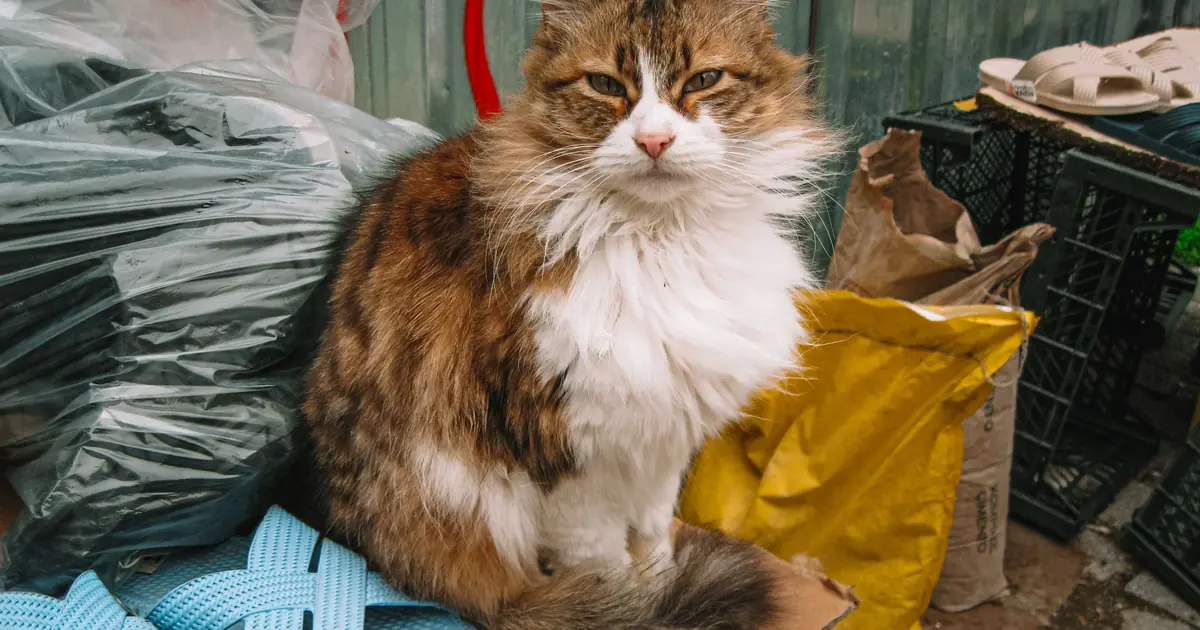
You find a puddle on a plastic bag, a shopping tote, or that pile of packaging by the door. Of all the places, why plastic? It’s a weirdly common cat habit with a few real reasons behind it.
Here’s what draws cats to plastic, and when the behavior means something’s wrong.
- Cats are drawn to plastic’s smooth, cool feel, crinkly texture, and interesting smells.
- Plastic bags can carry food or outdoor scents that trigger marking or investigation.
- Peeing on plastic can also signal litter-box aversion, stress, or territorial marking.
- A sudden change, especially in a male cat, can mean a urinary tract issue and needs a vet.
- Rule out medical causes first, then address the litter box, stress, and access to plastic.
Why do cats pee on plastic?
Cats pee on plastic because the material appeals to their senses and sometimes because something is off with their litter-box routine. The smooth, cool surface feels distinct under their paws, the crinkle is stimulating, and plastic bags often carry food or outdoor smells that attract a cat. On top of that, plastic is easy to detect and mark. So the habit is partly sensory attraction and partly a signal worth investigating, especially if it’s new.
What is it about plastic that attracts cats?
Plastic hits several feline buttons at once. The main draws are:
- Texture and temperature: the smooth, cool surface feels novel and pleasant.
- Sound: the crinkle of a bag is stimulating and fun to interact with.
- Smell: bags absorb food, outdoor, or other cats’ scents that pique interest.
- Absorbency cues: a soft plastic pile can feel oddly litter-like to some cats.
Some cats take this fascination further and chew plastic too, a related quirk we cover in why cats chew on plastic.
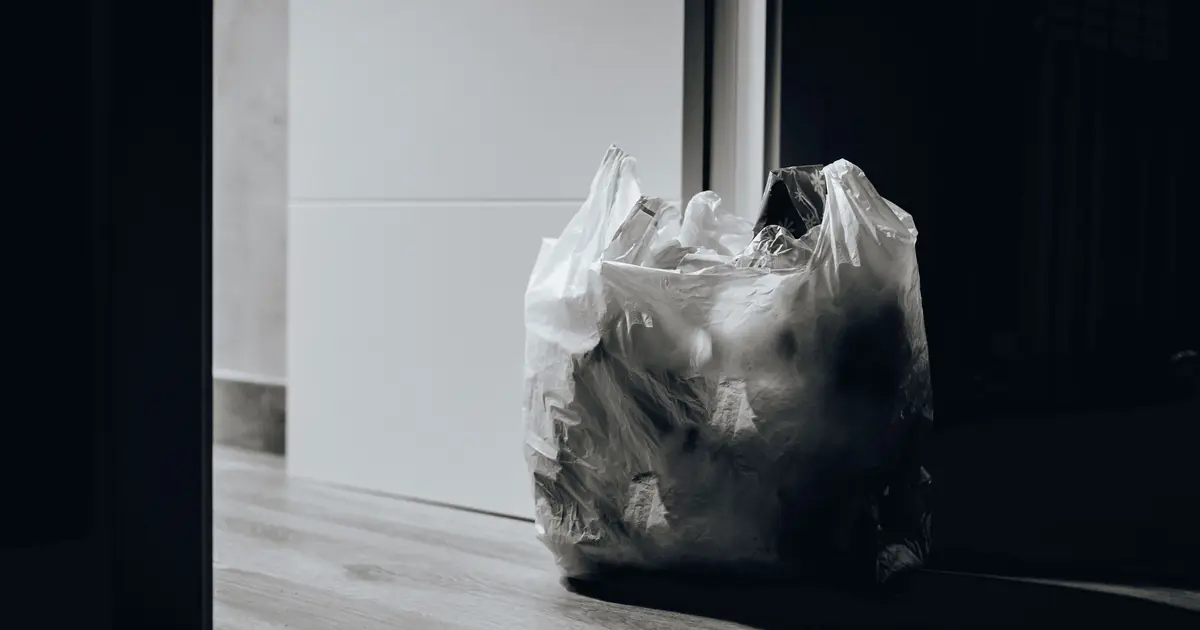
Is peeing on plastic a litter-box problem?
Often, yes, peeing outside the box on plastic can point to litter-box dissatisfaction. Cats reject a box that’s dirty, too small, covered, in a bad spot, or filled with a litter they dislike, and they’ll seek an alternative surface like plastic. Stress, changes at home, or too few boxes can push a cat to eliminate elsewhere too. If the plastic-peeing comes with box avoidance, work through the setup, as we explain in why a cat stops using the litter box and pooping outside the box.
Could it be marking or stress?
Yes, peeing on plastic can be territorial marking or a stress response. Unneutered cats and cats in multi-cat or high-tension homes may mark to claim territory, often on novel or scented items like plastic bags. Stress from changes, new pets, or conflict can trigger inappropriate urination as well. Spaying or neutering reduces marking, and easing stress helps, understanding what cat spraying is can help you tell marking from a simple accident.
Attraction vs a problem: how to tell
Here’s how to read the behavior.
| Likely harmless attraction | Sign of a problem |
|---|---|
| Cat plays with and sniffs plastic, rare accidents | Repeated peeing on plastic or other surfaces |
| Litter box otherwise used normally | Avoiding the litter box overall |
| Behavior unchanged, cat acts normal | Straining, frequent trips, blood in urine |
| No other stressors or symptoms | New stress, or a male cat straining (emergency) |
When should you see a vet?
See your vet promptly if peeing on plastic is new, frequent, or paired with urinary symptoms. Straining, frequent small urinations, crying in the box, or blood in the urine can indicate a urinary tract infection, crystals, or a blockage, and a straining male cat that can’t pass urine is a life-threatening emergency needing immediate care. This article is educational and not a substitute for veterinary advice. Once medical causes are ruled out, address the litter box, reduce stress, and keep tempting plastic put away. Reliable background on feline urinary and litter-box issues comes from the VCA and the ASPCA.
Frequently Asked Questions
Q: Why does my cat pee on plastic bags?
Plastic’s smooth, cool feel, crinkly sound, and absorbed food or outdoor smells attract cats. Some also mark it or use it when unhappy with the litter box. If it’s sudden or frequent, rule out a urinary problem with your vet.
Q: Is peeing on plastic a sign of a UTI?
It can be. Urinary tract infections, crystals, or blockages cause cats to pee outside the box, sometimes on plastic. Watch for straining, frequent trips, or blood in urine. A straining male cat is an emergency, see a vet immediately.
Q: How do I stop my cat from peeing on plastic?
First, have your vet rule out a medical cause. Then keep plastic out of reach, clean soiled items with an enzyme cleaner, improve the litter box (clean, larger, uncovered, well-placed), and reduce stress. Address the cause, not just the symptom.
Q: Does peeing on plastic mean my cat is marking?
It can be marking, especially in unneutered cats or tense multi-cat homes, since plastic is novel and scented. Marking is usually small amounts on vertical or prominent items. Spaying or neutering and easing stress help reduce it.
Q: Why does my cat only pee on plastic and not other things?
Plastic’s unique texture, coolness, sound, and absorbed smells make it especially appealing, so a cat may single it out. It may also feel litter-like. Remove access to plastic and ensure the litter box is clean and inviting.
Q: Can stress make a cat pee on plastic?
Yes. Stress from changes, new pets, or household tension can trigger inappropriate urination, and cats often choose novel surfaces like plastic. Reducing stressors, adding litter boxes, and keeping routines steady can help resolve it.

Hello and welcome to The Ideal Cat!
We are some passionate cat owners from different professions. We love our cats and have a lot of experience in how to care for our pets. We are incredibly excited to share our knowledge, experience, and research with you. So you can take good care of your loving cat. We will answer most of the common questions about owning cats, taking care of them, etc. If you have any question contact with us. Thanks for visiting! Enjoy the content.
