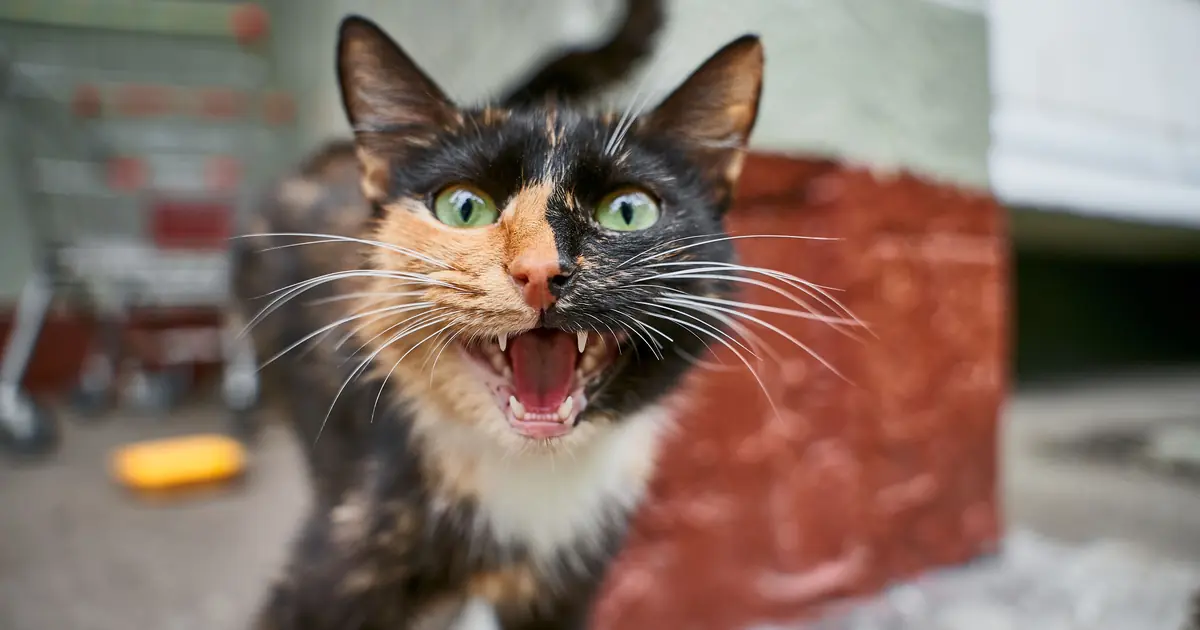
You say “hi” to your cat, and it meows right back. Then you reply, and so does it. Congratulations, you’re having a conversation, at least as far as your cat is concerned.
Here’s what your chatty cat is really saying when it answers you.
- Cats meow back because they’ve learned it earns your attention and a reply.
- It’s a form of social bonding, your cat is engaging in a back-and-forth with you.
- Adult cats mostly meow at humans, not other cats, so a meow-back is aimed at you.
- The meow may be a greeting, a request, or simply enjoyment of the interaction.
- A sudden spike in meowing-back can signal stress, pain, or illness worth a vet check.
Why do cats meow back at you?
Cats meow back at you because they’ve learned that vocalizing gets a response, and they enjoy the social exchange. Over time, your cat figures out that when it meows, you look, talk, feed, or pet it, so it keeps “answering” to keep the interaction going. Since adult cats largely reserve meowing for communicating with people rather than each other, a meow-back is your cat deliberately engaging with you. It’s part conversation, part request, part bonding.
Is my cat actually talking to me?
In a sense, yes, your cat is communicating directly with you, even if it’s not “language.” Cats develop a personalized vocal repertoire with their humans, using different meows to mean different things and responding to your voice because they associate it with attention and care. They’re not translating words, but they are intentionally answering and trying to get a reaction. This is the same social intelligence behind how cats “talk” to us and why many enjoy being talked to.
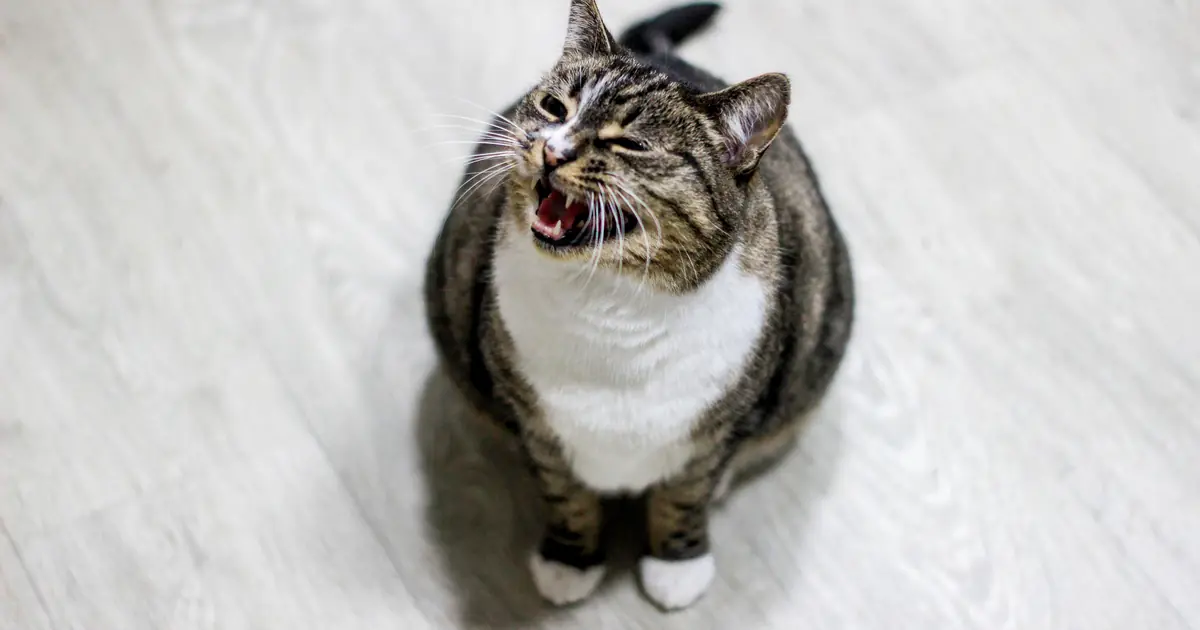
What is my cat trying to say?
A meow-back usually carries a specific, friendly message. Common meanings include:
- A greeting, answering your “hello” as social acknowledgment.
- A request for food, play, attention, or an open door.
- Enjoyment of the interaction and your voice.
- Seeking attention when it wants you to engage.
- A learned habit because meowing reliably gets your response.
Cats also respond to certain sounds we make, like the high-pitched kissing noise, covered in why cats respond to kissing noises.
Why do some cats meow back more than others?
How much a cat meows back depends on breed, personality, and how you’ve responded over time. Talkative breeds like the Siamese and Oriental are famously conversational, while some quiet cats rarely answer. Personality matters a lot, some cats are simply social chatterboxes. Your own behavior shapes it too: if you reliably reply to every meow, you reinforce the back-and-forth and your cat “talks” more. So a very responsive, chatty cat is often one that’s learned you’re a great conversation partner.
Should you meow back at your cat?
Yes, meowing or talking back is a nice way to bond, and many cats love it. Responding to your cat’s meows with a gentle voice, slow blinks, and attention reinforces your connection and can make your cat feel heard. Here’s a quick guide to responding well.
| Do | Avoid |
|---|---|
| Answer in a calm, friendly voice | Yelling or mimicking harshly |
| Pair it with attention or play | Rewarding demand-meowing at 3am |
| Use slow blinks and gentle words | Ignoring a sudden change in meowing |
| Meet real needs (food, litter, play) | Assuming all meows mean the same thing |
When is meowing back a concern?
Excessive or newly increased meowing can signal a problem, not just chattiness. If your cat suddenly meows back far more than usual, or the meowing sounds distressed, watch for other signs like weight loss, restlessness, night yowling, hiding, or appetite changes, which can point to pain, hyperthyroidism, high blood pressure, or (in seniors) cognitive decline. This article is educational and not a substitute for veterinary care; a sudden shift in vocalizing deserves a vet visit. For related behavior, see how much cats vocalize by breed and personality. Trusted guidance comes from the ASPCA and International Cat Care.
Frequently Asked Questions
Q: Why does my cat meow back when I talk to it?
Because it’s learned that meowing earns your attention and a reply, and it enjoys the social exchange. Cats mostly meow at humans, so your cat is answering you directly, greeting, requesting, or just keeping the conversation going.
Q: Does my cat understand me when it meows back?
Your cat isn’t translating words, but it does communicate intentionally, answering your voice because it links it to attention and care. Cats build a personalized “vocabulary” of meows with their people, so the back-and-forth is real bonding.
Q: Should I meow back at my cat?
Yes, it’s a nice bonding habit and many cats enjoy it. Respond in a calm, friendly voice with attention or slow blinks. Just avoid reinforcing demanding meowing at bad times, like the middle of the night.
Q: Why does my cat meow back so much all of a sudden?
A sudden increase can mean stress, pain, or illness like hyperthyroidism, or cognitive decline in older cats. Watch for weight loss, hiding, or night yowling. If the change is abrupt or the meows sound distressed, see your vet.
Q: Which cats meow back the most?
Talkative breeds like the Siamese and Oriental are the most conversational, and social, attention-loving individuals of any breed meow back a lot. Your own responsiveness matters too, replying often encourages more back-and-forth.
Q: Is my cat annoyed when it meows back?
Usually not, most meow-backs are friendly greetings, requests, or bonding. Annoyance shows more in body language: flattened ears, a lashing tail, or growling. A relaxed cat answering your voice is simply enjoying the interaction.

Hello and welcome to The Ideal Cat!
We are some passionate cat owners from different professions. We love our cats and have a lot of experience in how to care for our pets. We are incredibly excited to share our knowledge, experience, and research with you. So you can take good care of your loving cat. We will answer most of the common questions about owning cats, taking care of them, etc. If you have any question contact with us. Thanks for visiting! Enjoy the content.
