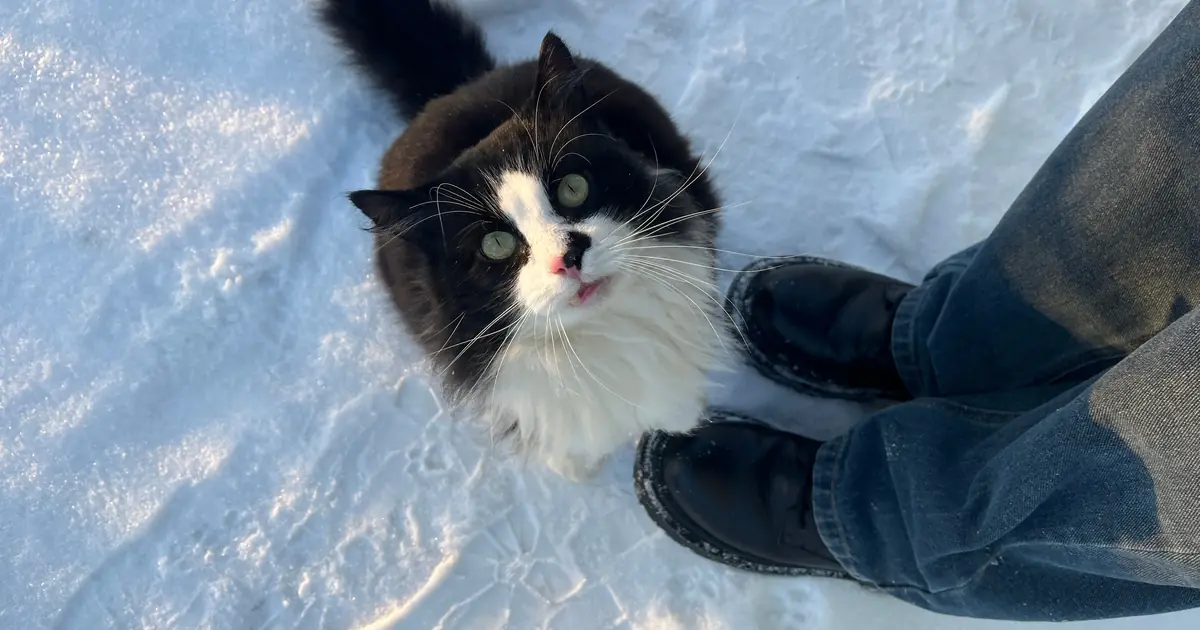
You make that little “mwah mwah” kissing sound, and your cat’s ears swivel, its head turns, and here it comes. It works almost every time. But does your cat think you’re kissing it, or is something else going on?
The answer is a neat mix of instinct and learning. Here’s why kiss noises are cat catnip for the ears.
- The high pitch of a kiss noise grabs a cat’s attention, cats hear high frequencies extremely well.
- The sound mimics the chirps and squeaks of prey like birds and mice, triggering curiosity.
- Cats learn that kiss noises predict affection, food, or play, so they come to expect a reward.
- Your cat isn’t interpreting it as a “kiss”, it’s responding to sound and association.
- Not every cat reacts; response depends on hearing, personality, and past experience.
Why do cats respond to kissing noises?
Cats respond to kissing noises mainly because the sound is high-pitched and attention-grabbing, and they’ve learned it means good things from you. A kiss noise sits in the high-frequency range cats are especially tuned to, and it resembles the small squeaks and chirps of prey. Add the fact that you often follow it with petting, treats, or play, and your cat quickly learns to pay attention.
Is it because the sound resembles prey?
Partly, yes. The sharp, high “kiss” sound echoes the chirps, squeaks, and rustles of birds and rodents, exactly the frequencies a hunting cat is wired to notice. That instinctive interest is why even a cat that’s never been trained will often perk up at the noise. It’s the same prey-tuned hearing behind a cat’s fascination with squeaky toys and bird sounds.
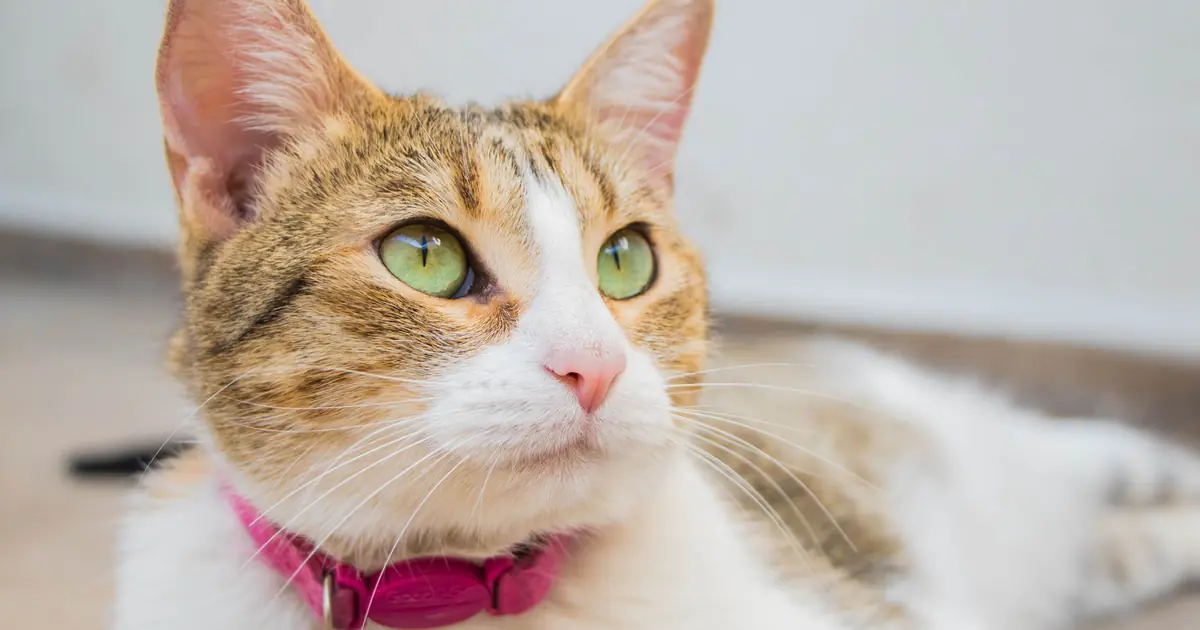
Do cats learn to associate kiss noises with attention?
Absolutely, and this is a big part of it. If you tend to make the sound right before petting, feeding, or playing, your cat forms an association: kiss noise equals reward. Over time the sound becomes a cue that summons them, a bit of accidental training. This ties into how cats read our vocal cues generally, which we cover in do cats like being talked to and can cats talk.
Does my cat think I’m kissing it?
Not in the human sense. Your cat responds to the sound and what it predicts, not to the concept of a kiss. Cats do have their own affection signals, like the slow blink, sometimes called a “cat kiss”, which we explain in what a cat slow blink means and do cats understand kisses. So while your cat may not “get” a human kiss, it does recognize your affection through tone, routine, and body language.
Why do some cats ignore kiss noises?
Response varies from cat to cat. A few reasons one cat comes running while another ignores you:
| Responds | Ignores |
|---|---|
| Good hearing, high-frequency sensitive | Older cat with reduced hearing |
| Learned the sound predicts rewards | No positive association formed |
| Curious, social personality | Aloof or independent temperament |
| Not currently distracted | Busy, sleeping, or overstimulated |
Should you use kiss noises with your cat?
Yes, if your cat enjoys it, it’s a harmless, handy way to get attention and bond. Pair it with genuine positive experiences (gentle pets, play, the occasional treat) and it becomes a friendly little cue. Just don’t overuse it to the point it loses meaning, and respect a cat that would rather not engage. This article is educational; for more on feline communication, International Cat Care’s behavior guides and the ASPCA are great resources.
Frequently Asked Questions
Q: Why does my cat come when I make kissing sounds?
The high-pitched sound grabs your cat’s attention and resembles prey squeaks, and your cat has likely learned it means petting, food, or play is coming. It’s a mix of instinct and learned association.
Q: Do cats like kissing noises?
Many cats respond positively because the sound is intriguing and predicts good things. Whether they “like” it depends on the individual and the associations you’ve built. Some cats simply find it attention-grabbing.
Q: Does my cat know a kiss noise means affection?
Your cat responds to the sound and what usually follows, not to the human concept of a kiss. Through routine and tone, though, cats do learn to link the noise with your affection and attention.
Q: Why does the kiss sound get my cat’s attention so well?
Cats hear high frequencies far better than we do, and a kiss noise falls in that range while mimicking prey chirps. That makes it naturally attention-grabbing, even before any learned reward is added.
Q: Why doesn’t my cat react to kissing noises?
Some cats have never formed a positive association, are more aloof, or are distracted. Older cats with reduced hearing may also not respond. It’s normal variation, not a sign of a problem.
Q: Is it okay to make kissing noises at my cat?
Yes, it’s harmless and can be a nice way to get attention and bond, especially paired with pets, play, or treats. Just avoid overusing it, and don’t force interaction on a cat that isn’t interested.

Hello and welcome to The Ideal Cat!
We are some passionate cat owners from different professions. We love our cats and have a lot of experience in how to care for our pets. We are incredibly excited to share our knowledge, experience, and research with you. So you can take good care of your loving cat. We will answer most of the common questions about owning cats, taking care of them, etc. If you have any question contact with us. Thanks for visiting! Enjoy the content.
