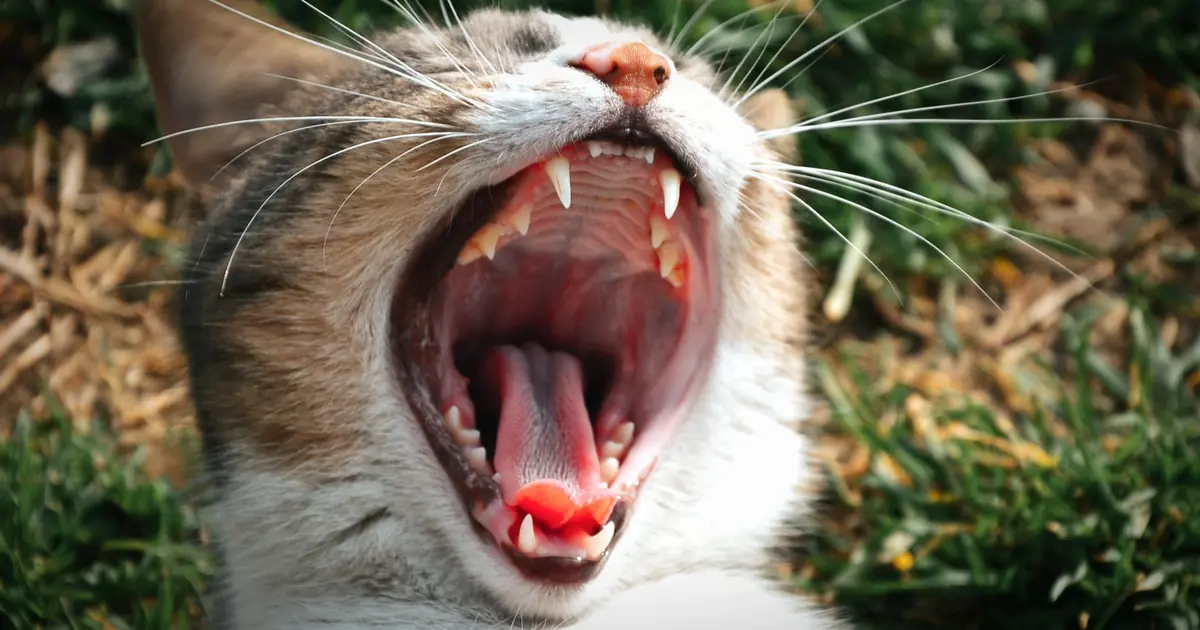
Your cat leans in for a head boop, opens that little mouth for a yawn, and wow. The smell hits you like a wall. If you’ve ever pulled back thinking “what have you been eating,” you’re not alone. So why does your cat’s breath stink? Nine times out of ten, the answer starts in the mouth.
Here’s the thing most cat parents don’t realize: bad breath isn’t just gross, it’s usually a message. A whiff of fish after dinner is normal. A smell that lingers all day, every day, is your cat telling you something’s wrong. And sometimes that something is bigger than a dirty tooth.
- Dental disease (plaque, tartar, gingivitis, and tooth resorption) is the number one cause of stinky cat breath, and most cats show signs of it by age three.
- A rotten or foul smell usually means dental or gum disease, while a sweet or fruity smell can signal diabetes and an ammonia or urine-like smell can signal kidney disease.
- Mild “kitten breath” or a faint food smell right after eating is normal; breath that stinks constantly is not.
- Daily brushing, dental treats, and regular professional cleanings are the best ways to prevent smelly breath.
- Persistent bad breath always deserves a vet visit, and a sudden sweet or ammonia smell means you should call promptly.
Why does my cat’s breath stink so bad?
Your cat’s breath stinks so bad mainly because of dental disease. Plaque, a sticky film of bacteria, coats the teeth every day. When it isn’t brushed away, it hardens into tartar, that yellow-brown crust along the gumline. Tartar gives bacteria more places to hide, and those bacteria pump out sulfur compounds. Sulfur is exactly what you’re smelling. Think rotten eggs, and you’re close.
Left alone, that bacteria irritates the gums and causes gingivitis (red, swollen, sometimes bleeding gums). From there it can progress to periodontal disease, which damages the tissue and bone holding the teeth in place. According to the American Veterinary Dental College, most cats show signs of periodontal disease by age three. So if your adult cat has funky breath, dental trouble is the first thing to suspect.
Cats also get a painful problem called tooth resorption, where the tooth structure breaks down from the inside. It’s incredibly common and often hides below the gumline. Bad breath, drooling, and dropping food are all clues. Regular brushing with a good cat-safe toothpaste slows plaque before it turns into all of this.
What can my cat’s breath smell tell me about their health?
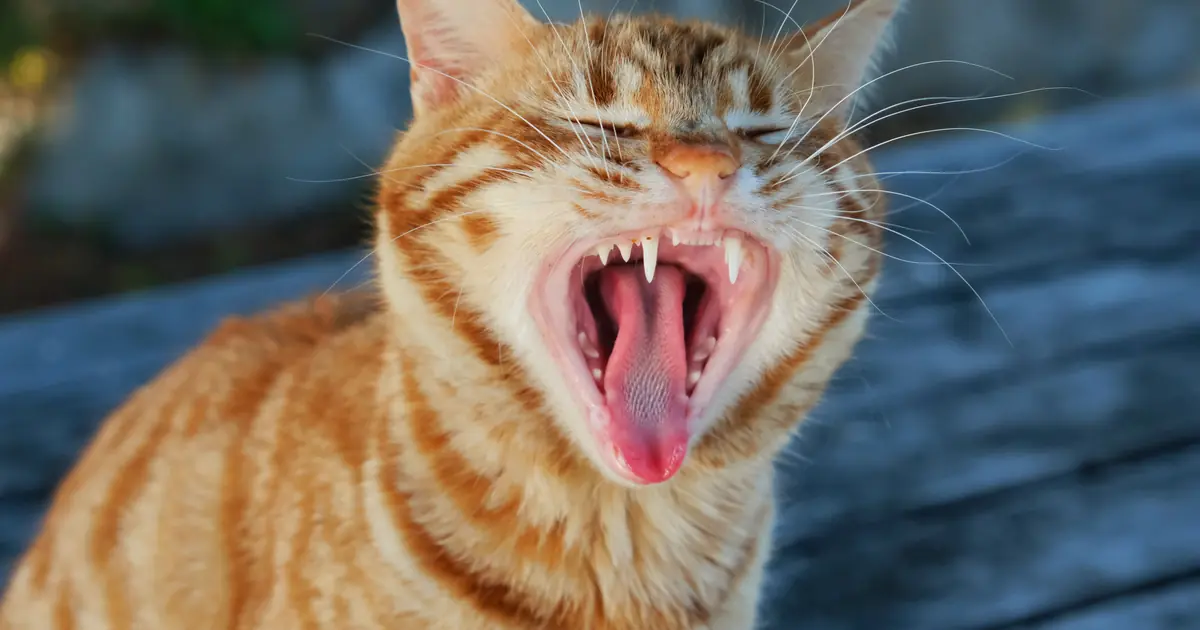
Your cat’s breath smell is a surprisingly useful health clue, and the type of odor points to different problems. This is why you shouldn’t just wave it off. The Cornell Feline Health Center notes that bad breath can flag issues ranging from dental disease to kidney, liver, and respiratory problems. Here’s a quick way to read what your nose is picking up.
| What the breath smells like | Most likely cause |
|---|---|
| Rotten, foul, or “rotten egg” sulfur smell | Dental disease: plaque, tartar, gingivitis, or an infected tooth |
| Strong fishy or bad smell that lingers all day | Usually dental disease or gum infection (not just dinner) |
| Sweet, fruity, or nail-polish-like smell | Possible diabetes (ketones), needs prompt vet care |
| Ammonia or urine-like smell | Possible kidney disease, needs prompt vet care |
That sweet or fruity smell is the one to take seriously fast. When a cat’s diabetes isn’t controlled, the body burns fat for fuel and produces ketones, which give off that odd sweet, almost nail-polish odor. The ammonia smell is another red flag. Failing kidneys can’t filter waste properly, so those toxins build up and come out on the breath. Neither one is a “wait and see” situation.
What else causes bad breath in cats besides teeth?
Besides dental disease, several other things can make your cat’s breath stink. The mouth is the usual suspect, but not the only one. Here are the common culprits worth knowing:
- Stomatitis and mouth ulcers. This is severe, painful inflammation of the mouth tissues. It causes serious odor, drooling, and reluctance to eat.
- Oral tumors. Growths in the mouth can get infected and smell foul. They need a vet exam quickly.
- Something stuck in the mouth. A shard of bone, a bit of string, or grass wedged in the gums or between teeth can rot and stink.
- Diet. Fishy wet food or the occasional snack can cause a short-lived smell. This one fades. It shouldn’t linger.
- Kidney, liver, or respiratory disease. These systemic illnesses can all change how the breath smells.
Drooling often shows up alongside mouth pain, so it’s another sign worth watching. If you’re not sure what counts as normal, this guide on why cats drool can help you tell the difference between happy drool and a dental warning sign.
Is it normal for my cat’s breath to smell?
A little bit of breath smell can be normal, but a strong, constant stink is not. Healthy cat breath is fairly neutral. It might carry a faint whiff of the food they just ate, and that’s fine. Kittens sometimes have a slightly milky “kitten breath” that’s harmless and passes with age.
What’s not normal is breath that makes you flinch every time, day after day. Persistent bad breath in cats almost always means dental disease or another health problem underneath. As PetMD explains, halitosis that doesn’t go away is a symptom, not a quirk. So if your cat’s breath has gotten worse over weeks or months, don’t chalk it up to “just cat stuff.” Get the mouth checked.
How do I get rid of my cat’s bad breath?
The best way to get rid of your cat’s bad breath is to treat the cause, and for most cats that means tackling dental plaque before it builds up. A professional cleaning at the vet handles what’s already there, and a home routine keeps it from coming back. Here’s what actually works:
- Brush your cat’s teeth. Daily is ideal, a few times a week helps a lot. Use a cat toothbrush or finger brush and a toothpaste made for cats. Never use human toothpaste, since it’s toxic to them.
- Offer dental treats or chews. Vet-approved dental treats help scrub away plaque as your cat chews. They’re a great backup when brushing is a battle.
- Book regular vet checkups and cleanings. Your vet can spot problems below the gumline and perform a professional cleaning under anesthesia when needed.
- Feed a quality diet. Some dental diets are shaped to reduce tartar. Ask your vet what fits your cat.
- Watch for changes. Any sudden smell change, especially sweet or ammonia-like, means call the vet.
Curious about what you’re actually cleaning in there? Knowing how many teeth a cat has makes brushing feel a lot less mysterious. VCA Animal Hospitals also has a solid overview of feline halitosis if you want to dig deeper into treatment options.
When should I take my cat to the vet for bad breath?
You should take your cat to the vet for any bad breath that sticks around, because persistent halitosis usually means dental disease that won’t fix itself. Some smells and symptoms mean you should call sooner rather than later. This article is educational and isn’t a substitute for a hands-on exam by your veterinarian.
Call your vet promptly if you notice:
- A sweet or fruity smell on the breath (possible diabetes)
- An ammonia or urine-like smell (possible kidney disease)
- Sudden, severe bad breath that appeared out of nowhere
- Drooling, pawing at the mouth, or blood in the saliva
- Trouble eating, dropping food, or eating on one side
- Red, swollen, or bleeding gums
- Weight loss, increased thirst, or increased urination alongside the smell
The AVMA and vet resources like PetMD’s cat conditions library all agree on one thing: bad breath is a symptom worth investigating, not ignoring. Your cat can’t tell you their tooth hurts, so their breath does the talking.
The bottom line on stinky cat breath
If your cat’s breath stinks, the mouth is almost always where the trouble begins. Dental disease, from plaque and tartar to gingivitis and tooth resorption, is the top reason for that foul smell, and it’s fixable with brushing, dental treats, and regular cleanings. But breath is also an early-warning system. A sweet smell can mean diabetes, and an ammonia smell can mean kidney disease. So don’t just hold your nose and move on. Bad breath is a health signal, and getting your cat’s mouth checked is one of the kindest, smartest things you can do for them.
Frequently asked questions about cat bad breath
Q: Why does my cat’s breath smell like death or rotten food?
A rotten, death-like smell usually means advanced dental disease, an infected or abscessed tooth, or dying tissue in the mouth. Bacteria feeding on plaque and infection produce sulfur compounds that smell foul. This kind of odor needs a vet exam soon, since it often signals pain and infection your cat is hiding.
Q: Is cat bad breath an emergency?
Bad breath itself usually isn’t an emergency, but it always deserves a vet visit. A sudden sweet, fruity smell (possible diabetes) or a strong ammonia smell (possible kidney disease) should be checked promptly. Bad breath with drooling, refusing food, or bleeding gums also needs quick attention.
Q: Can bad breath in cats go away on its own?
Persistent bad breath in cats rarely goes away on its own, because it’s usually caused by plaque, tartar, or gum disease that keeps getting worse. A brief fishy smell after eating fades naturally. But constant stink means bacteria are active in the mouth and need treatment through cleaning and home dental care.
Q: What does diabetic cat breath smell like?
Diabetic cat breath often smells sweet, fruity, or like nail polish remover. This happens when uncontrolled diabetes forces the body to burn fat, producing chemicals called ketones that escape through the lungs. If you notice this smell, call your vet promptly, as it can signal a serious diabetic complication.
Q: Does kidney disease make a cat’s breath smell?
Yes, kidney disease can make a cat’s breath smell like ammonia or urine. When the kidneys can’t filter waste properly, toxins build up in the blood and get released through the breath. This ammonia-like odor, especially with increased thirst or weight loss, warrants a prompt vet visit.
Q: How can I clean my cat’s teeth to fix bad breath?
Brush your cat’s teeth with a cat toothbrush or finger brush and cat-safe toothpaste, ideally daily. Never use human toothpaste, which is toxic to cats. Dental treats and a professional cleaning at the vet also help. Start slow, keep sessions short, and reward your cat to build the habit.
Q: At what age do cats get bad breath from dental disease?
Most cats show signs of periodontal disease by age three, according to the American Veterinary Dental College. That means bad breath from dental disease can start young. Regular brushing and vet checkups from a young age help prevent plaque and tartar from building up early.
Q: Is a little bit of cat breath smell normal?
Yes, mild breath smell is normal. Healthy cat breath is fairly neutral and may carry a faint whiff of food right after eating. Kittens can have slightly milky “kitten breath” too. What’s not normal is a strong, constant stink, which usually points to dental disease or another health issue.

Hello and welcome to The Ideal Cat!
We are some passionate cat owners from different professions. We love our cats and have a lot of experience in how to care for our pets. We are incredibly excited to share our knowledge, experience, and research with you. So you can take good care of your loving cat. We will answer most of the common questions about owning cats, taking care of them, etc. If you have any question contact with us. Thanks for visiting! Enjoy the content.
