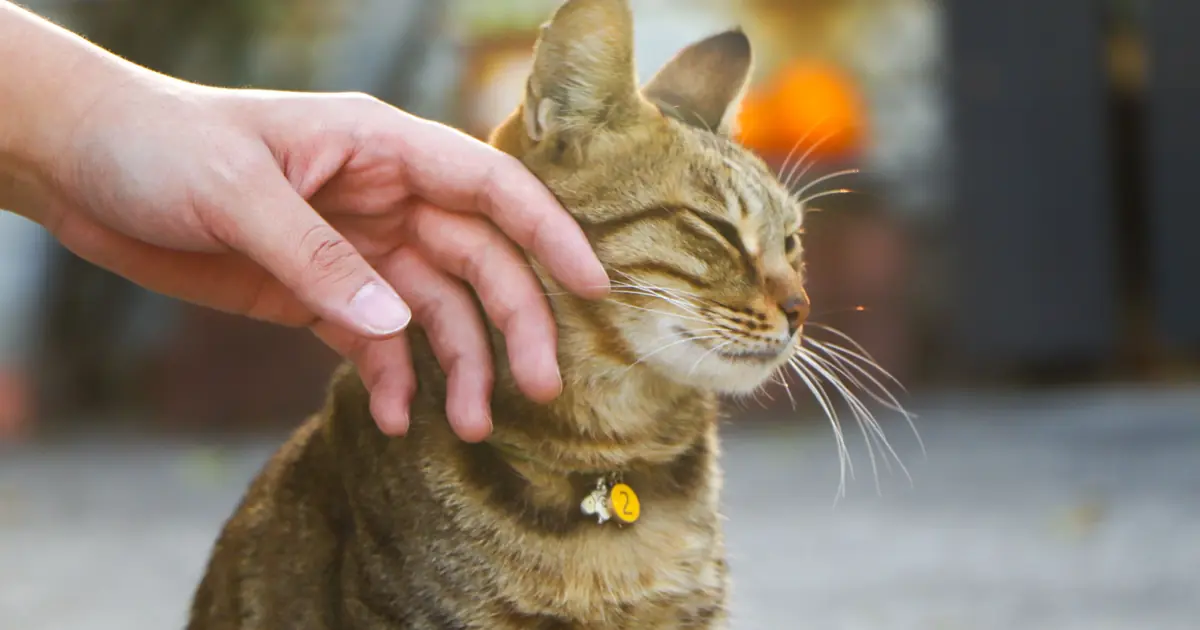
Picture this. Your cat climbs into your lap, starts kneading your leg, cranks up the purr, and then you feel it: a little wet patch soaking through your jeans. If you’ve ever wondered “why does my cat drool when I pet him,” you’re not alone, and honestly, you can relax. For most cats, a bit of drool during petting is a compliment. It means your cat feels safe, happy, and completely at ease with you.
Here’s the thing though. Drooling has two sides. The happy kind is sweet and harmless. The other kind can be your cat’s only way of telling you something hurts. Knowing the difference is the whole game, and it’s easier to spot than you’d think.
- Happy drooling during petting is a contentment response, tied to the same comfort kittens feel while nursing.
- Normal contentment drool is a small amount and usually stops within 2 to 5 minutes after petting ends.
- Dental disease is the top medical cause of abnormal drooling, and up to 70% of cats over age 3 have some form of it.
- Sudden, heavy, or foul-smelling drool, or drool with pawing at the mouth or not eating, means it’s time to call your vet.
- New drooling in a cat that never drooled before is always worth a vet check, even if your cat seems fine otherwise.
Why does my cat drool when I pet him?
Cats drool when you pet them mostly because they’re deeply relaxed and content. When your cat feels safe and happy, the body shifts into a rest-and-digest state, and saliva production ticks up. Add purring and kneading, and a little drool can slip out. It’s not weird. It’s your cat melting into a puddle of trust.
The roots go back to kittenhood. Nursing kittens knead their mom’s belly to get milk flowing, and that kneading comes paired with warmth, safety, and a full tummy. As adults, that same combo of kneading plus deep relaxation can trigger the drool response. So when your grown cat kneads your lap and drools, part of their brain is right back to being a cozy, milk-drunk kitten.
Happy drooling usually shows up with other signs of a blissed-out cat: slow blinks, a loose and floppy body, purring, and headbutts. If your cat is doing several of these at once, the drool is almost certainly the good kind. Learning to read the whole picture of cat body language makes it easier to tell contentment from discomfort.
Which cats drool the most when petted?
Some cats are simply more drooly than others, and it usually comes down to temperament and how relaxed they get. Cats that are super affectionate, closely bonded, and prone to intense kneading tend to drool more during petting. It’s less about breed and more about personality.
Cats weaned a little early sometimes drool more too, because the nursing and kneading association stays strong. Cats that love to suckle on blankets or your sweater often overlap with the droolers. Same oral comfort instinct, basically the cat version of a security blanket.
The droolers tend to be the same cats that headbutt, flop over for belly rubs, and follow you room to room. That headbutting habit is another affection signal, and you can read more about why your cat headbutts you. Drool and headbutts often come from the same happy place.
What does normal, happy drooling look like?
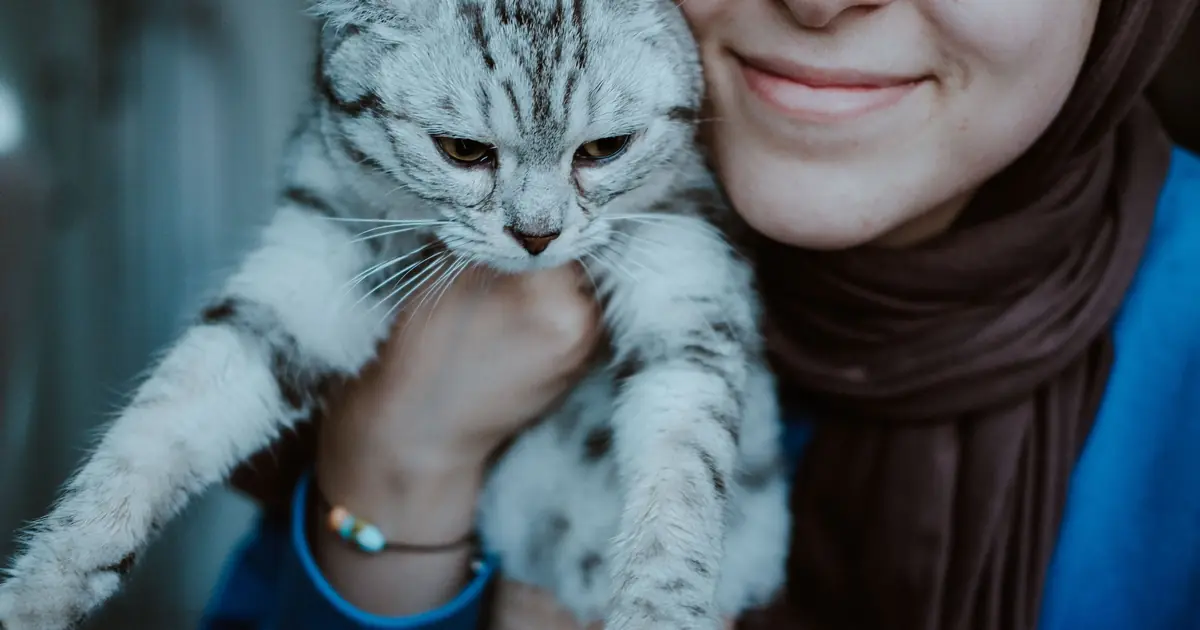
Normal happy drooling is a small amount of clear, watery saliva that shows up only during affectionate moments. It appears while your cat is being petted, purring, or kneading, and it fades away once the petting stops. Think a damp spot, not a puddle. And it comes packaged with obviously content body language, never with signs of pain.
Here’s a helpful benchmark: contentment drool usually stops within 2 to 5 minutes after you stop petting. If your cat perks up, wanders off, and the drool dries up, that’s textbook happy drooling. Nothing to do except feel flattered.
The behavior should also be consistent for your cat. If your cat has always dribbled a little during cuddle time, that’s just their normal. Cats that relax deeply enough to drool often show the same signals you’d see when they lay on your chest and settle in. Same trust, same calm, sometimes the same drool.
Happy drool vs. drool that needs a vet
The easiest way to sort harmless drool from worrying drool is to look at the amount, the timing, the smell, and what else is going on with your cat. Happy drool is small, tied to petting, odorless, and paired with content behavior. Concerning drool is heavy or constant, smelly, or comes with signs your cat feels unwell. Use this quick comparison.
| Happy, normal drooling | Drooling that needs a vet |
|---|---|
| Small amount of clear, watery saliva | Heavy, constant, or thick, ropey drool |
| Only during petting, purring, or kneading | Happens randomly, even when your cat is alone |
| Stops within 2 to 5 minutes after petting | Doesn’t stop, or has suddenly gotten worse |
| No smell | Foul or unusually bad breath |
| Cat is relaxed, purring, kneading | Pawing at mouth, not eating, hiding, drooling blood |
| A long-standing habit for your cat | Brand-new behavior your cat never did before |
The single biggest red flag is change. If drooling while relaxed is brand new for your cat, or your usual droolers suddenly produce way more than normal, treat it as a possible health sign and not just an upgrade in cuddliness.
Could dental disease be making my cat drool?
Yes, and it’s the number one medical reason cats drool. Dental disease creates pain and inflammation in the mouth, and that triggers extra saliva.
It’s incredibly common too. Studies suggest up to 70% of cats over age 3 have some form of dental disease, which makes oral health the leading cause of abnormal drooling in cats.
The tricky part is that dental drool can happen during petting, so it can masquerade as happy drool. The tell is the extra clues. Watch for bad breath, red or swollen gums, brown tartar on the teeth, dropping food while eating, chewing on one side, or a paw going to the mouth. According to the Cornell Feline Health Center, dental problems like gingivitis and resorptive lesions are widespread in cats and often go unnoticed until they’re advanced.
Good news: dental trouble is very manageable once you catch it. Regular vet dental checks, at-home brushing with a proper cat toothpaste, and dental-supporting dental treats all help keep your cat’s mouth healthy. And if you’re curious about what’s actually going on in there, here’s a rundown of how many teeth a cat has and why they matter.
What other medical causes make cats drool?
Beyond dental disease, several other health issues can make a cat drool, and most come with pain, nausea, or exposure to something they shouldn’t have touched. Drooling is a nonspecific symptom, meaning it points to “something’s off in or near the mouth” rather than one exact cause. Here are the common culprits.
- Nausea: Cats often drool right before vomiting, and nausea can come from hairballs, an upset stomach, kidney disease, or motion sickness in the car.
- Bitter or toxic contact: Cats drool heavily after licking something bitter, like certain medications, houseplants, or cleaning products. Some human foods and plants are toxic to cats, so heavy drooling plus a suspicious chew mark deserves a fast call to your vet.
- Foreign object: A bit of string, bone, or grass stuck in the mouth or throat can cause sudden, frantic drooling and pawing.
- Mouth injuries or ulcers: A burned tongue, a cut, or oral ulcers from illness can all boost saliva.
- Heatstroke or stress: Overheating and intense fear or anxiety can both trigger drooling in cats.
The vet resource library at VCA Hospitals is a solid place to read up on many of these conditions in plain language. If your cat’s drool comes with any of these extra symptoms, it’s medical until proven otherwise.
When should I take my drooling cat to the vet?
Call your vet if the drooling is sudden, heavy, smelly, or paired with any sign that your cat feels unwell. Happy drool during petting needs no vet visit. But drooling that shows up out of nowhere, keeps going, or joins forces with other symptoms is your cat asking for help.
Get your cat seen promptly if you notice any of these red flags:
- Heavy or constant drooling that lasts more than 24 hours
- Blood in the saliva, or drool that smells foul
- Pawing at the mouth, or trouble opening or closing the jaw
- Not eating, dropping food, or losing weight
- Bad breath with red, swollen, or bleeding gums
- Drooling with vomiting, lethargy, or hiding
- Any chance your cat licked or chewed something toxic (call right away)
This article is educational and isn’t a substitute for professional care. When in doubt, a quick call to your veterinarian is always the safe move, especially for a new or worsening symptom.
The bottom line on happy cat drool
So, why does my cat drool when I pet him? Nine times out of ten, it’s a love letter. Your cat feels safe enough to fully let go, drifting back to the cozy comfort of kittenhood, and the drool is just proof. Take the compliment. But keep one eye on the red flags, because that same drool can occasionally be your cat’s way of saying its mouth hurts. Know your cat’s normal, watch for change, and you’ll always know which kind of drool you’re dealing with.
Frequently asked questions
Q: Is it normal for my cat to drool when I pet him?
Yes, it’s usually completely normal. Most cats drool during petting because they’re deeply relaxed and content, a response tied to the comfort they felt nursing as kittens. As long as it’s a small amount, appears only during cuddling, and stops within a few minutes, there’s nothing to worry about.
Q: How long should happy drooling last after I stop petting?
Contentment drooling usually stops within 2 to 5 minutes after petting ends. If your cat wanders off and the drool dries up quickly, that’s normal happy drool. Drooling that keeps going long after cuddle time, or happens when your cat is alone, is worth a closer look.
Q: Can drooling be a sign of dental problems in cats?
Yes, dental disease is the top medical cause of abnormal drooling in cats. Up to 70% of cats over age 3 have some form of dental disease. Watch for bad breath, red gums, tartar, dropping food, or pawing at the mouth, and book a vet dental check if you spot them.
Q: Why does my cat drool and knead at the same time?
Kneading and drooling together come from kittenhood, when kneading their mom’s belly meant nursing, warmth, and safety. As adults, cats repeat that combo when they feel deeply content. Kneading plus drooling during petting is one of the clearest signs your cat feels happy and secure with you.
Q: Should I be worried if my cat suddenly starts drooling?
Sudden, new drooling is always worth a vet check, even if your cat seems otherwise fine. New drooling can signal dental pain, nausea, a foreign object, or contact with something toxic. If drooling is heavy, smelly, bloody, or comes with not eating, contact your vet promptly.
Q: Do certain cats drool more than others?
Yes, some cats are naturally more drooly. Very affectionate cats that bond closely, knead intensely, and relax deeply tend to drool more during petting. Cats weaned early or that suckle on blankets often drool more too, since the nursing and kneading association stays strong into adulthood.
Q: Is drooling a sign my cat is poisoned?
Heavy, sudden drooling can be a sign your cat licked or chewed something bitter or toxic, like certain plants, medications, or cleaning products. If you suspect poisoning, especially with vomiting, weakness, or a suspicious chew mark, call your vet or an animal poison control line immediately.
Q: My cat drools during car rides, not petting. Why?
Drooling during car rides usually means motion sickness or stress rather than contentment. Nausea triggers extra saliva, and many cats get carsick or anxious in the carrier. If travel drooling is severe or your cat also vomits, ask your vet about motion sickness options before your next trip.

Hello and welcome to The Ideal Cat!
We are some passionate cat owners from different professions. We love our cats and have a lot of experience in how to care for our pets. We are incredibly excited to share our knowledge, experience, and research with you. So you can take good care of your loving cat. We will answer most of the common questions about owning cats, taking care of them, etc. If you have any question contact with us. Thanks for visiting! Enjoy the content.
