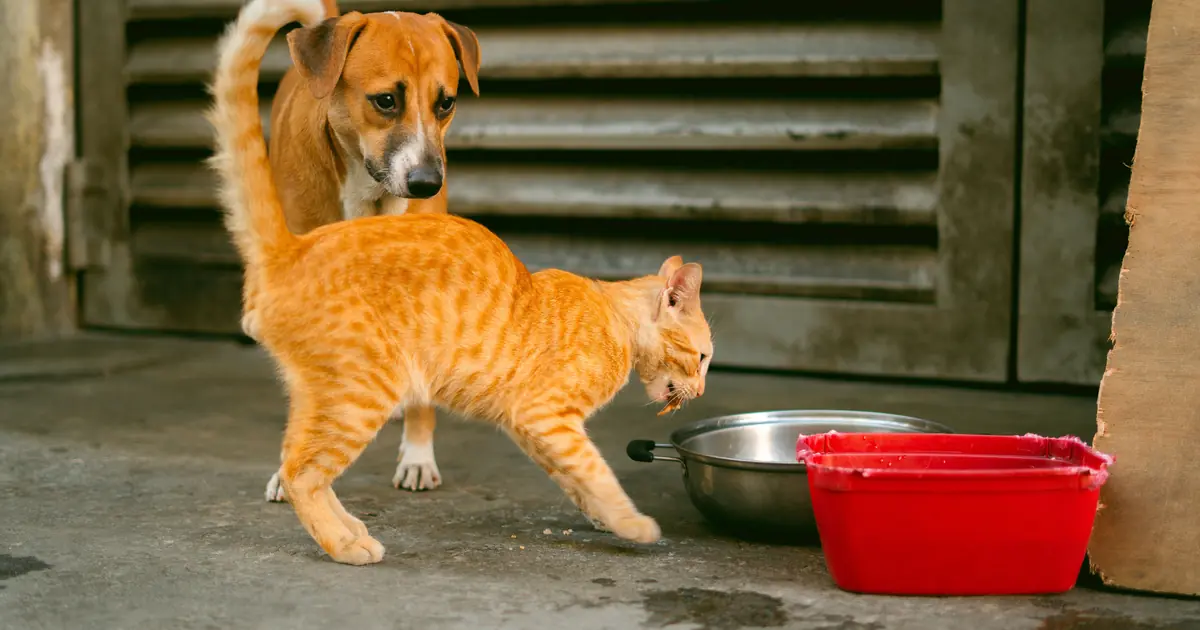
One day your cat inhales its food like always. The next day, it sniffs the same bowl and walks away without a bite. No drama, just a slow blink and a turned back. You start wondering if your cat is bored, being dramatic, or trying to tell you something.
Here’s the thing: cats can get tired of the same flavor, but true “food boredom” is rarer than most cat parents assume. Most sudden refusals trace back to a stale bag, a tweaked recipe, or a cat that quietly doesn’t feel well. Let’s sort out what’s really going on before you buy a new flavor every week.
- Some cats show neophilia (a preference for new foods), while others show neophobia (a fear of unfamiliar foods), and both are normal feline traits, not misbehavior.
- A cat that refuses food for more than 24 hours is at risk of hepatic lipidosis, a serious and potentially fatal liver condition, so this always warrants a same-day vet call.
- Dry cat food fats can go rancid within weeks of opening a bag, especially in a warm kitchen, which makes an “old favorite” suddenly taste off to a cat’s sensitive nose.
- Cats rely heavily on smell to decide whether to eat, so a food that’s been sitting out, refrigerated straight from the fridge, or served in a dirty bowl can smell wrong to them even if it’s perfectly safe.
- If you want to rotate flavors, do it gradually over 5 to 7 days by mixing old and new food, since a fast switch risks vomiting, diarrhea, or a cat that decides it will only eat one narrow food again.
Do Cats Actually Get Tired of the Same Food?
Yes, some cats genuinely get tired of eating the same food day after day, though this trait varies a lot from cat to cat. Researchers call the drive to seek out new foods “neophilia,” and some cats show it strongly, especially if they were raised on a variety of textures as kittens. Other cats show the opposite trait, neophobia, treating anything unfamiliar with suspicion. A neophobic cat may eat the same food for years without complaint, while a neophilic cat might turn up its nose after just a few weeks.
There’s no single “normal” here. If your cat has always been an adventurous eater, mild boredom is plausible. If it’s eaten the same food happily for two years and stops overnight, boredom is a weak explanation. Something else changed.
What Is “Flavor Fatigue” in Cats, and Is It Real?
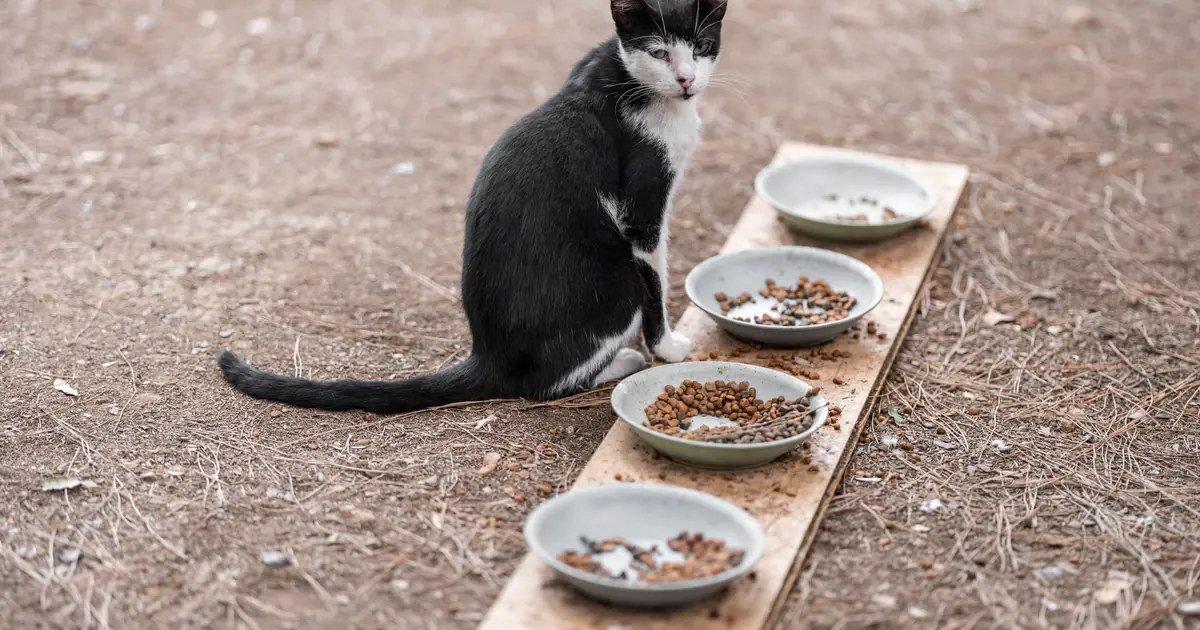
Flavor fatigue is a real, mild effect where a cat eats less enthusiastically after the same flavor for a long stretch, but it’s often overstated online. Cats have roughly 470 taste buds, compared to about 9,000 in humans, so smell drives their food decisions far more than taste does. Most of what looks like “getting sick of a flavor” is really a cat reacting to subtle changes in smell, texture, or freshness rather than true taste boredom.
A cat with mild flavor fatigue usually still eats, just slower, and picks back up once you offer a different protein for a few meals. That’s different from a cat who stops eating entirely, which points to a bigger problem.
What Looks Like Boredom But Usually Isn’t?
Most “my cat is bored of its food” situations trace back to a change in the food itself, not the cat’s taste buds. Cats have an extremely sensitive sense of smell and notice small shifts we can’t detect. The usual suspects:
- Rancid or oxidized fat: dry food fats break down once a bag is opened, especially in a warm kitchen, and can turn “off” within a few weeks, even before the best-by date.
- A manufacturer recipe change: brands quietly reformulate recipes or switch protein sources, and cats often notice before their owners do.
- A dirty bowl: residue builds up fast, and a bowl that smells like old food can put a cat off a fresh serving.
- Whisker fatigue: a narrow or deep bowl presses a cat’s sensitive whiskers against the sides, making eating uncomfortable enough to avoid the bowl.
- Food temperature: wet food straight from the fridge is cold with less aroma, and many cats prefer it closer to room temperature.
- Bowl location: a bowl near a noisy appliance or busy walkway can make a cat hesitant to approach, even if the food itself is fine.
If your cat used to love its food and suddenly stops, walk through this list before you assume boredom. Nine times out of ten, one of these is the real culprit.
Could a Health Problem Be the Real Reason My Cat Won’t Eat?
Yes, and this is the possibility you should never skip. A sudden drop in appetite is one of the most common early signs of illness in cats, and it’s far more common than simple boredom. Dental pain from a broken tooth or gum disease can make crunching kibble genuinely painful. Nausea from kidney disease, pancreatitis, a hairball, or an upset stomach can kill a cat’s appetite even for a favorite food. Upper respiratory infections that block a cat’s nose can stop them from eating too, since cats rely on smell to want food in the first place.
According to Cornell Feline Health Center, any unexplained change in a cat’s eating habits deserves attention, since cats are skilled at hiding pain and illness until a problem has progressed. If food refusal comes with hiding, lethargy, vomiting, or weight loss, treat it as a health issue first and a taste preference second. Our guide on why cats hide and stop eating covers this connection in more depth.
Should You Rotate Your Cat’s Food?
Rotating your cat’s food can work well, but do it slowly and for a clear reason, not just to chase novelty. Cycling between a few trusted proteins or textures can keep some cats interested and may reduce the odds of your cat becoming a picky eater who accepts only one narrow food (a real problem if that food ever gets discontinued or a vet needs you to switch to a prescription diet).
The downside: cats have sensitive digestive systems, and a fast switch can cause vomiting or diarrhea. The American Animal Hospital Association recommends transitioning cats to new food gradually over about a week rather than swapping overnight. Rotate if you like, but always mix old and new food together instead of cutting over cold turkey. If you’re shopping for options, our guides to best wet cat food and best cat food overall are a good place to compare recipes.
How Do You Tempt a Picky Cat to Eat Again?
You can usually coax a hesitant cat back to its bowl with a few simple, low-risk changes before buying a whole new food. Try these in order:
- Open a fresh bag or can, since even a partially used one can go stale or pick up pantry odors.
- Warm wet food for about 10 to 15 seconds to release more aroma, then check it’s not hot before serving.
- Wash the bowl before every meal, and switch to a wide, shallow bowl or plate if whisker fatigue seems possible.
- Move the bowl to a calm spot away from the litter box, loud appliances, or foot traffic.
- To introduce a new flavor, mix a small amount into the familiar food and increase the ratio over 5 to 7 days.
- Skip free-feeding a huge bowl all day. A fresher, smaller portion at set times often gets more interest.
If your cat still won’t eat after a day of trying these, call your vet. A cat that’s ravenous one week and disinterested the next is worth mentioning too; our article on why cats seem always hungry covers the flip side of this problem.
When Is a Cat Refusing Food an Emergency?
A cat that refuses all food for more than 24 hours needs urgent veterinary care, since this isn’t just a preference issue, it’s a medical risk. Cats who stop eating, even briefly, can develop a serious and potentially fatal liver condition called hepatic lipidosis, also known as fatty liver disease. The body starts breaking down fat stores for energy when food intake drops, and the liver can become overwhelmed processing that fat, especially in overweight cats. VCA Hospitals notes hepatic lipidosis can develop within just a few days of reduced eating, which is why vets treat total food refusal as urgent.
Call your vet the same day if your cat has gone 24 hours without food, or sooner for vomiting, lethargy, or yellowing of the gums or eyes. Don’t try to force-feed or medicate your cat at home without your vet’s guidance. If your cat looks thinner than usual on top of skipping meals, our guide on how to tell if your cat is underweight can help you spot the warning signs early.
Boredom vs. Something Else: A Quick Comparison
| Reason a Cat Refuses Food | Boredom or Something Else? | What to Do |
|---|---|---|
| Eats slower, less enthusiastic, but still finishes meals | Likely mild flavor fatigue | Offer a different flavor or protein for a few meals |
| Sudden total refusal of a longtime favorite food | Usually not boredom | Check the bag’s freshness, look for a recipe change, watch for other symptoms |
| Refusal plus vomiting, hiding, or lethargy | Health problem, not boredom | Call your vet promptly |
| Sniffs food then walks away from a specific bowl | Could be whisker fatigue or a dirty bowl | Clean the bowl or switch to a wide, shallow dish |
| Refuses food only when it’s cold from the fridge | Temperature preference, not boredom | Warm wet food slightly before serving |
| No food intake at all for 24+ hours | Medical emergency | Contact your vet the same day |
A quick note: this article is meant to help you understand common reasons cats refuse food, but it’s not a substitute for veterinary care. If your cat suddenly stops eating, especially for more than a day, please call your vet. Appetite loss can escalate quickly in cats, and a same-day check-in is always the safer call.
Frequently Asked Questions
Q: Can cats really get sick of eating the same food every day?
Some cats can, especially those with a strong neophilic trait that pushes them to seek variety. Most cats are neophobic to some degree and tolerate the same food for years, so sudden refusal usually points to something other than plain boredom.
Q: How long can a cat go without eating before it’s dangerous?
A cat going more than 24 hours without food is at real risk of hepatic lipidosis, a serious liver condition. Call your vet the same day if your cat hasn’t eaten in a full day, even if it’s still drinking water.
Q: Why does my cat suddenly refuse food it used to love?
The most common causes are a stale or rancid bag, a recipe change, a dirty bowl, or a health issue like dental pain or nausea. True taste boredom is possible but is one of the less likely explanations.
Q: Is it good to rotate my cat’s food regularly?
Rotating between a few trusted proteins can work well and may prevent your cat from becoming a picky, single-food eater. Transition gradually over about a week by mixing old and new food, since a fast switch can cause vomiting or diarrhea.
Q: Does dry cat food go bad or stale after opening?
Yes, the fats in dry cat food start to oxidize once a bag is opened, sometimes within a few weeks in a warm kitchen. Rancid fat has an off smell that cats detect before humans do, which can look exactly like sudden pickiness.
Q: Why does my cat sniff its food and then walk away?
This usually means the food’s smell, freshness, or the bowl itself seems off to your cat, not that the food is inherently unappealing. Check whether the bowl is clean and fresh, and whether its shape might be causing whisker fatigue.
Q: Can whisker fatigue really make a cat avoid its food bowl?
Yes, a narrow or deep bowl can press against a cat’s sensitive whiskers, which some cats find uncomfortable enough to avoid entirely. Switching to a wide, shallow dish often solves this without changing the food at all.
Q: When should I take my cat to the vet for not eating?
Call your vet if your cat refuses all food for 24 hours, or sooner for vomiting, hiding, lethargy, or yellowing of the gums or eyes. Cats can develop serious liver complications quickly once they stop eating, so it’s never a wait-and-see situation.

Hello and welcome to The Ideal Cat!
We are some passionate cat owners from different professions. We love our cats and have a lot of experience in how to care for our pets. We are incredibly excited to share our knowledge, experience, and research with you. So you can take good care of your loving cat. We will answer most of the common questions about owning cats, taking care of them, etc. If you have any question contact with us. Thanks for visiting! Enjoy the content.
