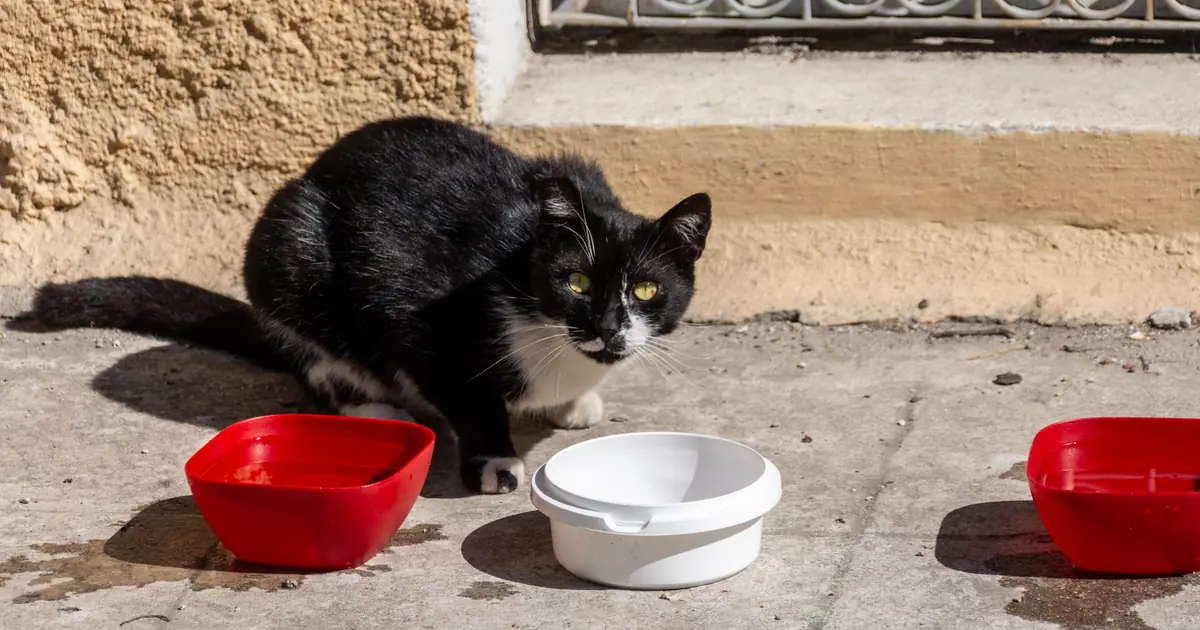
If your cat acts like they’re starving five minutes after a full bowl, you’re not imagining it. Some cats really do seem hungry all the time, weaving around your ankles and crying at the food cupboard. Most of the time it’s a habit or a diet issue. Sometimes, though, constant hunger is your cat’s way of telling you something is off. Here’s how to tell the difference.
- Most constant hunger in cats comes from boredom, learned begging, or being fed too little or too low in protein, not a disease.
- Polyphagia is the medical term for an abnormally increased appetite, and it is a recognized symptom of several feline illnesses.
- Hyperthyroidism and diabetes mellitus are two of the most common medical causes of increased appetite in middle-aged and older cats.
- A hungry cat that is also losing weight, drinking more, or vomiting should be seen by a veterinarian, because that combination points to a medical problem.
- Cats do best on small, regular meals of high-protein food rather than constant free-feeding, which can hide changes in appetite.
Is It Normal for a Cat to Always Seem Hungry?
It’s normal for cats to be food-motivated and to ask for meals, but a cat that is genuinely hungry all the time is worth a closer look. Cats are natural grazers who, in the wild, eat many small prey meals a day. So begging at mealtimes or perking up when you open a can is completely normal behavior. What’s not normal is a noticeable, ongoing jump in how much your cat wants to eat, especially if it appeared suddenly. If the begging turns out to be about timing rather than volume, an automatic cat feeder settles it.
The key question is whether your cat is showing real, increased hunger or simply asking out of habit. A cat who eats their full portion and still seems desperate for more, or who has clearly ramped up their eating over days or weeks, is different from a cat who just likes to remind you it’s dinnertime.
What Are the Behavioral and Diet Causes of a Hungry Cat?
Most cats that seem always hungry are reacting to their routine and their food, not an illness. These behavioral and diet causes are the most common reasons a healthy cat begs nonstop. The good news is that they’re usually fixable at home with a few small changes.
Boredom and “I’m bored, feed me” begging
Boredom is one of the top reasons indoor cats act hungry, because food becomes the most exciting thing in an otherwise quiet day. A cat with nothing to do will turn to the food bowl for entertainment. Eating out of boredom is also a common path to weight gain. More play, window perches, and food puzzles often calm the begging fast.
Learned begging (you trained them, gently)
Learned begging happens when a cat figures out that crying or pestering reliably produces food. If you’ve ever caved and fed your cat early to stop the 5am yowling, they’ve learned that noise works. This is one of the most common reasons cats seem “always hungry” when they’re actually well fed. Feeding on a fixed schedule, not on demand, retrains them over time.
Not enough calories or low-quality food
A cat fed too little, or fed a low-protein, filler-heavy food, can be genuinely hungry even with a full-looking bowl. Cats are obligate carnivores and need protein-rich diets to feel satisfied. Cheap foods padded with carbohydrates can leave a cat eating plenty by volume but still short on what their body wants. Check that you’re feeding the right amount for your cat’s weight and life stage.
Free-feeding and multi-cat competition
Free-feeding and multi-cat households can both drive food-seeking behavior. A cat that grazes from a bowl left out all day may eat out of habit rather than hunger, and you lose the ability to notice appetite changes. In homes with several cats, a more anxious cat may bolt food or beg because they fear missing out. Separate, measured meals help here.
What Medical Conditions Make a Cat Always Hungry?
Several medical conditions increase a cat’s appetite, often by stopping the body from using or absorbing nutrients properly. The medical term for this abnormally increased appetite is polyphagia. When hunger has a medical cause, it usually appears fairly suddenly and comes alongside other clues like weight loss, increased thirst, or changes in the coat. Below are the conditions vets see most.
Hyperthyroidism
Hyperthyroidism is an overactive thyroid gland that floods the body with thyroid hormone, speeding up metabolism so the cat burns through calories and feels constantly hungry. It is one of the most common hormone disorders in middle-aged and older cats. Classic signs are a big appetite paired with weight loss, increased thirst, restlessness, and sometimes a poor coat or vomiting. According to the Cornell Feline Health Center, weight loss, increased appetite, and thirst are among the most characteristic signs.
Diabetes mellitus
Diabetes mellitus makes a cat hungry because glucose can’t get into the cells for energy, so the body keeps signaling hunger even when the cat is eating plenty. It’s more common in overweight and older cats. The telltale combination is increased appetite plus increased thirst and urination, often with weight loss. A hungry cat that’s also drinking and peeing a lot needs a vet check for diabetes.
Intestinal parasites
Intestinal parasites, such as roundworms or tapeworms, can make a cat hungry by stealing nutrients from food before the cat’s body can use them. The cat eats normally but doesn’t get the full benefit, so the appetite stays switched on. Parasites are especially worth ruling out in kittens, outdoor cats, and hunters. A simple fecal test at the vet checks for them.
Digestive and malabsorption disorders (IBD and EPI)
Digestive disorders that block nutrient absorption can leave a cat hungry no matter how much they eat. Two examples are inflammatory bowel disease (IBD), where chronic gut inflammation interferes with digestion, and exocrine pancreatic insufficiency (EPI), where the pancreas doesn’t make enough digestive enzymes. Both can cause increased appetite alongside weight loss and often soft, frequent, or greasy stools.
Behavioral vs Medical Causes: How to Tell the Difference
The fastest way to tell behavioral hunger from a medical cause is to look at how the hunger started and what comes with it. Behavioral and diet-related hunger tends to be steady and otherwise healthy. Medical hunger tends to appear suddenly and travels with other symptoms. Use this table as a quick guide, then check with your vet if anything in the right column fits.
| Behavioral / Diet Cause (usually manageable at home) | Medical Cause (call your vet) |
|---|---|
| Hunger has been steady for a long time | Appetite increased suddenly over days or weeks |
| Cat is a healthy, stable weight | Cat is losing weight despite eating more |
| Normal thirst and litter box habits | Drinking and urinating noticeably more |
| No vomiting or diarrhea | Vomiting, diarrhea, or greasy stools |
| Begs at mealtimes, then settles | Restless, vocal, or frantic around food |
| Normal energy and coat | Lethargy, or a dull, unkempt coat |
This article is educational and isn’t a substitute for veterinary care. If you’re unsure which side of the table your cat falls on, your vet can run simple blood, urine, and fecal tests to find out.
When Should I Worry About My Cat’s Increased Appetite?
You should worry, and book a vet visit, when increased hunger shows up suddenly or comes with other symptoms. A bigger appetite on its own can be diet or behavior, but appetite changes paired with the signs below point to a medical problem that needs testing. Trust a sudden change: cats are good at hiding illness, and appetite shifts are often the first visible clue.
Call your veterinarian promptly if your hungry cat also has any of these red flags:
- Weight loss even though they’re eating more
- Drinking noticeably more water than usual
- Urinating more often or in larger amounts
- Vomiting, diarrhea, or unusually greasy stools
- Lethargy, hiding, or a sudden change in behavior
- A poor, dull, or unkempt coat
Seek same-day or emergency care if your cat’s appetite suddenly drops to nothing, or if they’re vomiting repeatedly or straining to pass stool. A cat that stops eating entirely for more than a day is an urgent concern.
How to Help a Cat That’s Always Hungry
To help a cat that’s always hungry, start by ruling out medical causes with your vet, then fine-tune feeding and enrichment. Once a vet has confirmed your cat is healthy, the steps below usually reduce constant food-seeking within a couple of weeks.
- Confirm the portion size. Measure your cat’s daily food using the label and your vet’s guidance for their ideal weight, not their current weight.
- Switch to high-protein, quality food. Protein-rich meals keep cats fuller and more satisfied than carb-heavy, filler-based foods.
- Feed scheduled meals, not a permanent buffet. Two to four set meals a day let you spot appetite changes and reduce grazing.
- Use food puzzles and slow feeders. Making your cat work for food adds mental stimulation and stretches mealtime out.
- Add play and enrichment. Daily interactive play, climbing spaces, and window views give bored cats something better than the bowl.
- Don’t reward begging. Feed on the clock so your cat learns that crying doesn’t produce snacks.
- Feed cats separately in multi-cat homes. Individual spots lower competition and anxious eating.
Frequently Asked Questions
Q: Why is my cat always hungry but not gaining weight?
A cat that’s always hungry but not gaining weight, or losing it, is a classic warning sign of a medical issue like hyperthyroidism, diabetes, intestinal parasites, or a malabsorption disorder. In these conditions the cat eats more but the body can’t use the nutrients. This combination warrants a vet visit and blood, urine, and fecal testing.
Q: What is polyphagia in cats?
Polyphagia is the medical term for an abnormally increased appetite in cats. It’s considered a symptom rather than a disease, and it can stem from behavioral causes like boredom or from medical causes like hyperthyroidism and diabetes. Persistent polyphagia, especially with weight loss, should be checked by a veterinarian.
Q: Can a cat be hungry all the time from worms?
Yes, intestinal worms can make a cat hungry all the time because parasites steal nutrients from food before the cat absorbs them. The cat eats normally but doesn’t get the full nutritional value, so the appetite stays high. A fecal test at your vet confirms parasites, and deworming treats them.
Q: Is my cat actually hungry or just bored?
If your cat eats a full, correctly sized portion and still seeks food, boredom or learned begging is the likely cause rather than true hunger. Bored cats often settle once you add play, food puzzles, and a consistent feeding schedule. If begging continues alongside weight loss or other symptoms, see your vet.
Q: Does wet food keep cats fuller than dry food?
Wet food can help cats feel fuller because it’s high in moisture and often higher in protein and lower in carbohydrates than dry kibble. Many cats stay more satisfied on a high-protein, meat-based diet regardless of form. Choosing quality food and the right portion matters more than wet versus dry alone.
Q: Why does my older cat suddenly want more food?
A senior cat that suddenly wants more food should be checked for hyperthyroidism and diabetes, two common conditions in middle-aged and older cats that increase appetite. Aging cats can also absorb nutrients less efficiently. Any sudden appetite change in an older cat is worth a vet visit, ideally with bloodwork.
Q: How many times a day should I feed my cat to stop constant begging?
Feeding two to four measured meals a day helps stop constant begging because it sets a predictable routine and prevents grazing. Splitting the daily portion into smaller meals keeps cats more satisfied across the day. Avoid free-feeding, which makes it harder to notice real appetite changes.
Q: Could stress make my cat want to eat more?
Yes, stress and anxiety can make some cats eat more, because they use food to self-soothe much like emotional eating in people. New pets, moves, or household changes can trigger it. Reducing stressors and adding enrichment usually helps, but rule out medical causes first if appetite has clearly increased.
Bottom line: if your cat is always hungry, start by checking their portions, food quality, and boredom level, since those explain most cases. But never ignore a sudden jump in appetite, especially alongside weight loss, more thirst, or vomiting, because that’s when constant hunger can mean a real health problem. When in doubt, a quick vet visit gives you a clear answer and peace of mind.

Hello and welcome to The Ideal Cat!
We are some passionate cat owners from different professions. We love our cats and have a lot of experience in how to care for our pets. We are incredibly excited to share our knowledge, experience, and research with you. So you can take good care of your loving cat. We will answer most of the common questions about owning cats, taking care of them, etc. If you have any question contact with us. Thanks for visiting! Enjoy the content.
