
You’ve got two cats and one big water bowl, and it seems to be working fine. So do you really need more? The honest answer is: sharing is okay, but it’s rarely the best setup.
Cats are quietly particular about water, and a shared bowl can create problems you won’t always see. Here’s what to know.
- Cats can share a water bowl, but the ideal is one water station per cat plus one extra, in different locations.
- Sharing can spread illness and parasites, and can cause a dominant cat to guard the bowl.
- Many cats dislike water near their food or litter, and prefer fresh, moving water.
- Shared bowls get dirty faster, wash and refill daily to keep cats drinking enough.
- If a cat suddenly drinks much more or much less, see a vet; it can signal a health issue.
Can cats safely share a water bowl?
Cats can share a water bowl, and many households do it without obvious issues. But “can” isn’t “should.” Sharing works best when cats already get along, the bowl is large and clean, and no cat is guarding it. The safer, cat-preferred approach is multiple water sources so no cat ever has to compete for a drink.
Why isn’t sharing ideal for cats?
Sharing a single bowl introduces a few real downsides. Cats are territorial about resources, and water is one. A confident cat may block a shyer cat from drinking, which can quietly leave one cat under-hydrated. Shared bowls also pool saliva and debris from multiple cats, which can spread illnesses and simply makes the water less appealing. If one cat is sick, a shared bowl is an easy route of transmission.
How many water bowls should you have?
The widely recommended rule, echoed by International Cat Care, is one resource station per cat, plus one extra, spread around the home. That means two cats do best with three water spots in different rooms. Separating water from food and litter matters too, cats instinctively avoid drinking near where they eat or eliminate.
| Number of cats | Recommended water stations |
|---|---|
| 1 cat | 2 (one main, one backup) |
| 2 cats | 3, in separate spots |
| 3 cats | 4, spread across rooms |
Do cats prefer fountains over shared bowls?
Many cats drink more from moving water than from a still shared bowl. Running water tastes fresher to them and stays cleaner longer, which is why fountains often boost how much a fussy cat drinks.
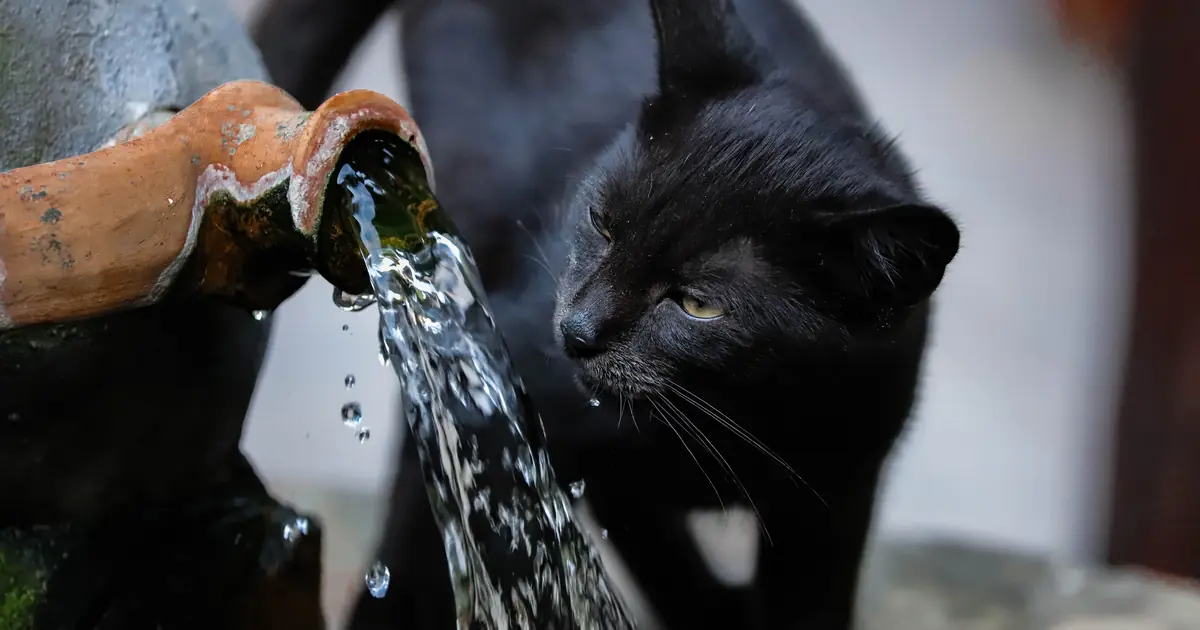
If your cats squabble over one bowl or one seems to drink too little, a couple of separate stations, or a cat water fountain, can help. It also plays into a cat’s preference for cool, fresh water, which we cover in do cats like cold water.
How do you keep a shared water bowl clean and safe?
If your cats do share, hygiene is everything. Wash the bowl with soap and water daily, not just top it up, since biofilm builds fast. Use a wide, shallow stainless steel or ceramic bowl (plastic scratches and harbors bacteria), refill with fresh water at least once a day, and place it away from food and the litter box. Watch that every cat is actually drinking.
When should you worry about your cat’s water intake?
See a vet if a cat’s drinking changes noticeably. Drinking a lot more than usual can signal kidney disease, diabetes, or hyperthyroidism, while drinking too little risks dehydration and urinary problems. In a shared-bowl home, these changes are easy to miss, another reason separate stations help you track each cat. Our guide on how much water a cat should drink a day gives normal ranges. This article is educational and not a substitute for veterinary advice; the ASPCA’s cat care basics and your vet are the best references for hydration concerns.
Frequently Asked Questions
Q: Is it bad for cats to share a water bowl?
Not necessarily bad, but not ideal. Sharing can spread illness, let a dominant cat guard the water, and leave a shy cat under-hydrated. Multiple separate water stations are the safer, cat-preferred setup.
Q: How many water bowls do two cats need?
Three is ideal, following the one-per-cat-plus-one rule, placed in different rooms and away from food and litter. This prevents competition and ensures both cats always have easy access to fresh water.
Q: Can cats catch diseases from a shared water bowl?
Yes, a shared bowl can transmit some infections and parasites, especially if one cat is unwell. Daily cleaning reduces the risk, but separate bowls are safer when a cat is sick.
Q: Why won’t my cat drink from the shared bowl?
Your cat may be avoiding competition, disliking the bowl’s location near food or litter, or finding the shared water stale or dirty. Try a separate, clean station or a fountain in a quiet spot.
Q: Should the water bowl be near the food bowl?
No. Cats instinctively prefer water away from their food, a leftover survival instinct to avoid contaminating water near prey. Placing water in a separate spot often increases how much a cat drinks.
Q: How often should I change shared cat water?
At least once a day, and wash the bowl daily rather than just refilling. Shared bowls collect saliva and debris quickly, so frequent cleaning keeps the water appealing and safe.

Hello and welcome to The Ideal Cat!
We are some passionate cat owners from different professions. We love our cats and have a lot of experience in how to care for our pets. We are incredibly excited to share our knowledge, experience, and research with you. So you can take good care of your loving cat. We will answer most of the common questions about owning cats, taking care of them, etc. If you have any question contact with us. Thanks for visiting! Enjoy the content.
