
You’ve caught your kitten basking in a sunbeam and wondered: is that just cozy, or does the little one actually need the sun to grow up healthy? Good question, and the answer surprises many cat parents.
Here’s the truth about kittens and sunlight, and how much they really need.
- Kittens don’t need sunlight for vitamin D, cats get vitamin D from food, not sun.
- A complete kitten diet supplies the nutrients a growing kitten needs.
- Natural light still helps with warmth, comfort, and a healthy sleep-wake rhythm.
- Kittens love sunbathing because it feels warm and cozy, not out of necessity.
- Never leave a kitten in direct sun where it could overheat; provide shade and water.
Do kittens need sunlight?
Kittens do not strictly need sunlight to stay healthy, because cats get their vitamin D from their diet, not from sun exposure. Unlike humans, who synthesize vitamin D in the skin from sunlight, cats absorb it through the food they eat, so a complete, balanced kitten diet covers that need. Still, natural light offers other benefits, warmth, comfort, and a healthy day-night rhythm, so access to a safe sunny spot is good for a kitten’s wellbeing, just not a nutritional requirement.
Do cats get vitamin D from the sun?
No, cats and kittens get vitamin D from their food, not from sunbathing. A cat’s fur and skin chemistry mean they can’t effectively make vitamin D from sunlight the way people do, so their bodies rely on dietary sources instead. This is why a nutritionally complete kitten food is so important, it provides the vitamin D and other nutrients a growing kitten needs. If you’re ever unsure about a kitten’s nutrition, your vet can advise, and general info on supplements is in cat vitamins.
Why do kittens love sunbathing then?
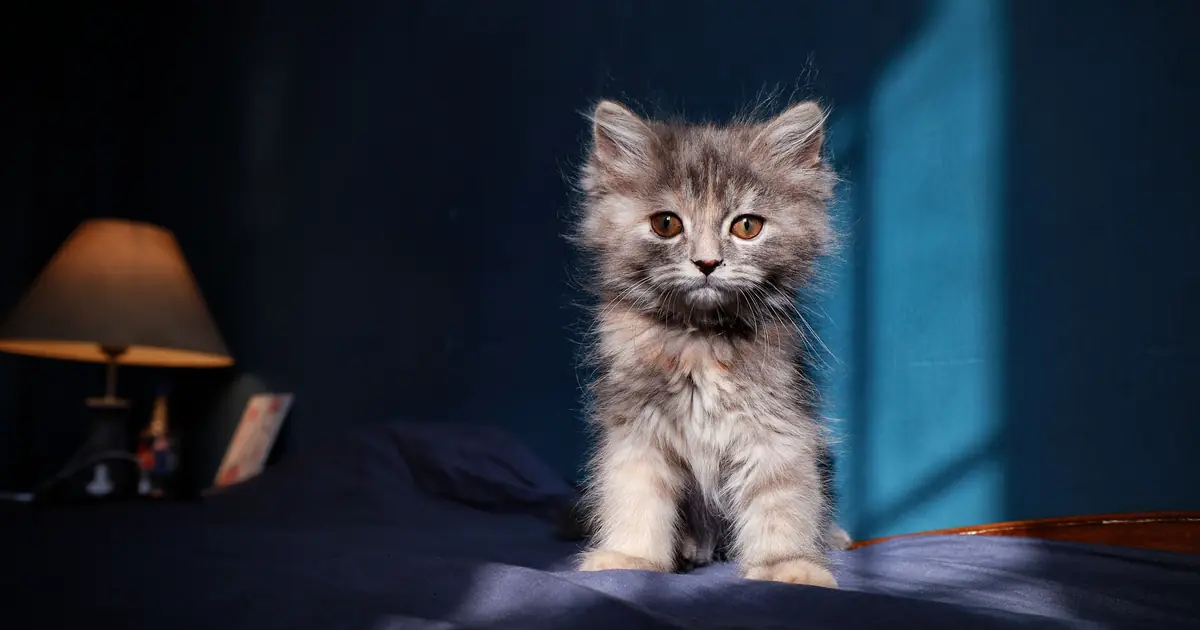
Kittens seek out sunbeams because the warmth feels wonderful, not because they need the sun. Cats prefer temperatures warmer than most homes, so a sunny patch is a cozy, comforting place to nap. Basking also helps them relax and regulate their body temperature comfortably. So when your kitten sprawls in a sunbeam, it’s chasing warmth and comfort, the same reason adult cats do it, explained in why cats like to sunbathe. It’s a happy habit, not a health necessity.
Is natural light still good for kittens?
Yes, natural light benefits kittens even though it isn’t a vitamin source. Exposure to the natural cycle of daylight and darkness supports a healthy circadian rhythm, helping regulate sleep, activity, and mood. Warmth from sunlight is comforting and can be soothing for a young kitten. And a bright, stimulating environment with a window view offers enrichment. So while sunlight isn’t required for nutrition, a home with good natural light and safe sunny resting spots is genuinely good for a kitten’s comfort and routine.
Sunlight for kittens: myth vs reality
Here’s the quick breakdown.
| Claim | Reality |
|---|---|
| Kittens need sun for vitamin D | False, cats get vitamin D from food |
| Sunbathing is just for warmth | True, kittens love the cozy heat |
| Natural light has no benefit | False, it aids rhythm, comfort, and mood |
| Direct sun is always safe | False, kittens can overheat, provide shade |
How much sun should a kitten get, and when to be careful?
Give kittens access to safe, optional sunny spots, but always with shade, water, and no risk of overheating. A kitten should be able to move into and out of the sun freely, never be confined in direct sunlight, especially behind glass in a hot room, where temperatures climb fast. Watch for signs of overheating like panting, drooling, lethargy, or restlessness, and provide cool areas and fresh water. This article is educational and not a substitute for veterinary care; a kitten showing signs of heat stress needs prompt cooling and a vet. For overall care, ensure a complete diet as covered in kitten feeding basics like do kittens drink water. Trusted kitten-care guidance comes from the ASPCA and International Cat Care’s kitten guide.
Frequently Asked Questions
Q: Do kittens need sunlight to be healthy?
No. Kittens get vitamin D from their food, not sunlight, so sun isn’t a nutritional requirement. A complete kitten diet covers their needs. Natural light still helps with warmth, comfort, and a healthy sleep-wake rhythm, but it’s not essential.
Q: Do cats get vitamin D from the sun like people?
No. Unlike humans, cats can’t effectively make vitamin D from sunlight, so they rely on dietary sources. This makes a nutritionally complete cat or kitten food important, since that’s where they get the vitamin D they need.
Q: Why does my kitten love sitting in the sun?
For the warmth. Cats prefer temperatures warmer than most homes, so a sunbeam is a cozy, comforting nap spot. It’s about comfort and relaxation, not a health need. Just make sure your kitten can move out of the sun freely.
Q: Is natural light good for kittens?
Yes. While it isn’t a vitamin source, natural daylight supports a healthy circadian rhythm for sleep and activity, provides comforting warmth, and adds enrichment. A bright home with safe sunny resting spots benefits a kitten’s comfort and routine.
Q: Can a kitten get too much sun?
Yes. Kittens can overheat, especially in direct sun or behind glass in a hot room. Always provide shade, cool areas, and fresh water, and let the kitten move freely. Watch for panting, drooling, or lethargy, signs of heat stress needing prompt care.
Q: Do indoor kittens need sunlight?
Not for health, since their vitamin D comes from food. But indoor kittens benefit from natural light through windows for warmth, rhythm, and enrichment. A sunny window perch is a lovely, safe addition, not a nutritional necessity.

Hello and welcome to The Ideal Cat!
We are some passionate cat owners from different professions. We love our cats and have a lot of experience in how to care for our pets. We are incredibly excited to share our knowledge, experience, and research with you. So you can take good care of your loving cat. We will answer most of the common questions about owning cats, taking care of them, etc. If you have any question contact with us. Thanks for visiting! Enjoy the content.
