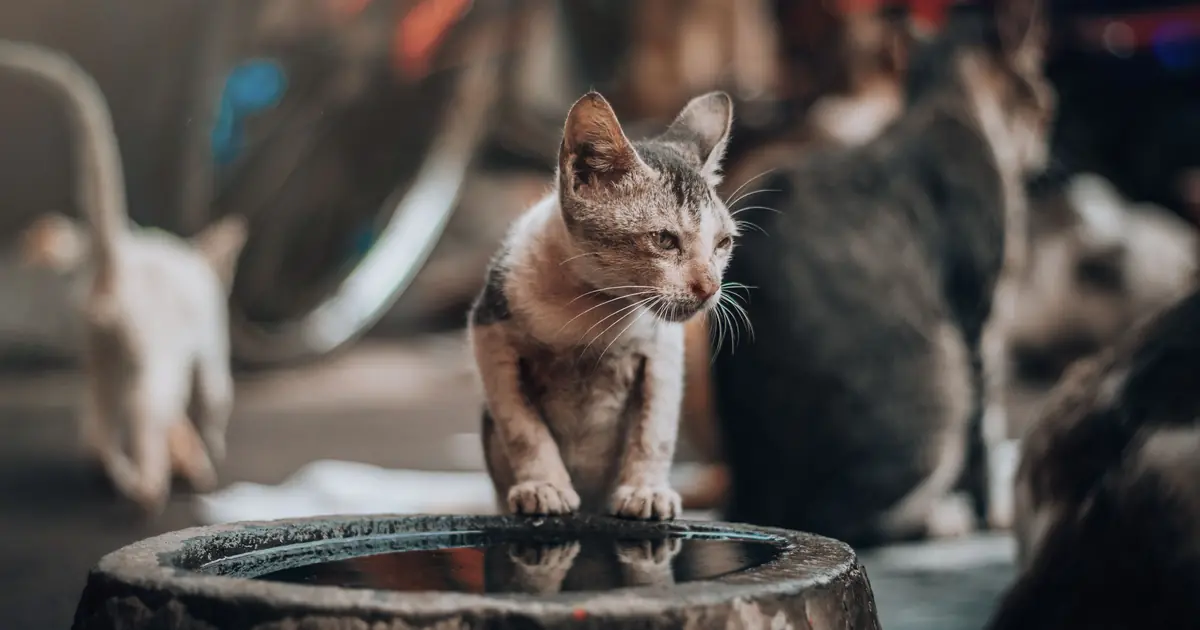
You’ve got a tiny kitten in the house and you’re staring at the water bowl, wondering whether to push it closer or take it away entirely. Good instinct. This is one of those kitten questions where the right answer changes week by week.
Here’s the short version: newborn kittens don’t drink water, and they shouldn’t. Once they hit around 4 weeks old and start nibbling solid food, water becomes part of the picture for good. Let’s walk through exactly when, why, and what to do if your kitten seems uninterested in the bowl.
- Kittens under 3 to 4 weeks old get all the hydration they need from mother’s milk or kitten formula, not from a water bowl.
- Kittens typically start drinking small amounts of water around 4 weeks old, right alongside their first bites of moistened solid food.
- Weaning is usually finished by around 8 weeks old, and a fully weaned kitten needs fresh water available at all times.
- Cow’s milk is not a substitute for water or formula. It’s low in the nutrients kittens need and often triggers diarrhea because most kittens can’t digest lactose well.
- A kitten who won’t drink, seems lethargic, or has diarrhea can dehydrate fast and needs veterinary attention promptly.
Do Kittens Drink Water?
Yes, kittens drink water, but not from day one. A newborn kitten’s entire hydration and nutrition needs are met by nursing on its mother, or by kitten milk replacer formula if the mother isn’t around. It’s only once a kitten starts weaning, usually around 4 weeks old, that it begins lapping up water on its own, and it stays a daily habit for the rest of its life.
When Do Kittens Start Drinking Water?
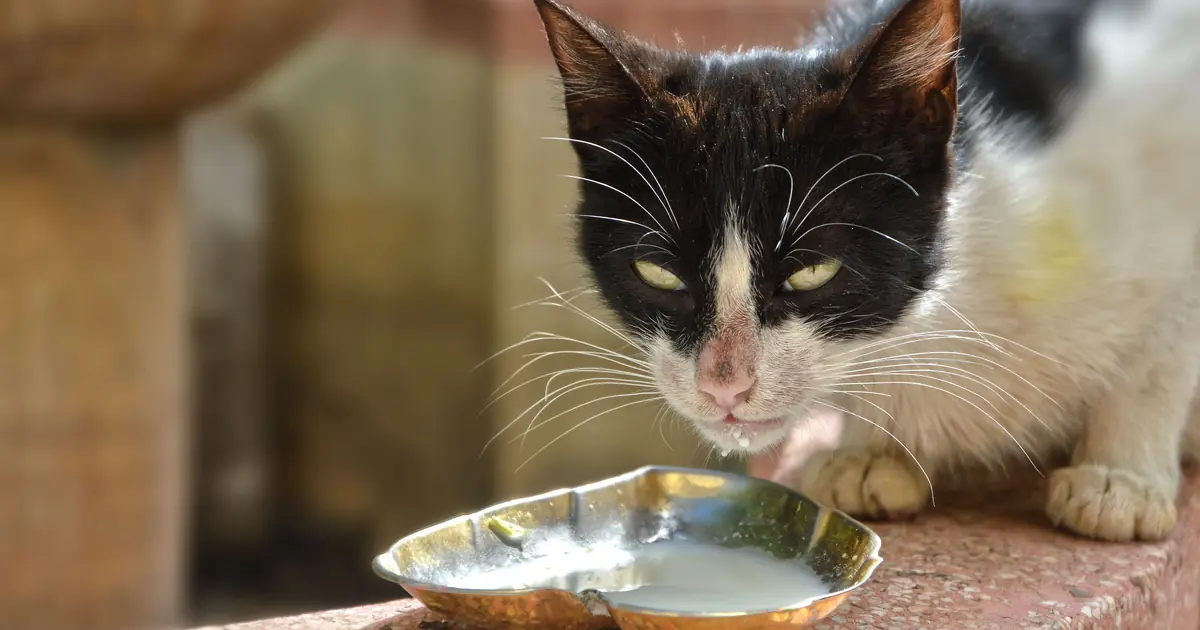
Kittens usually start drinking water around 4 weeks old, right as weaning begins. According to International Cat Care, weaning (the process of moving kittens from milk onto solid food) typically starts around 3 to 4 weeks of age and is usually complete by 8 weeks.
Most cat parents mix wet kitten food with a little warm water or leftover formula to make a thin gruel, and that’s often a kitten’s first real taste of water, mixed right into the meal. By 6 to 8 weeks, once a kitten eats solid food confidently, it should also be drinking from its own bowl.
| Kitten Age Stage | Main Hydration Source | Water Offered? |
|---|---|---|
| 0 to 4 weeks (newborn, nursing) | Mother’s milk or kitten milk replacer formula | No, milk or formula covers all hydration needs |
| 4 to 8 weeks (weaning) | Mother’s milk/formula plus moistened solid food | Small amounts, usually mixed into food gruel |
| 8 weeks and up (weaned) | Solid kitten food (wet and/or dry) | Yes, fresh water should be available at all times |
Why Can’t Newborn Kittens Have Water?
Newborn kittens shouldn’t get plain water because their tiny bodies are built to run entirely on milk in those first few weeks. Filling a small stomach with water instead of calorie-dense milk means missing out on the fat, protein, and antibodies a kitten needs to grow and stay warm.
There’s a safety angle too. Very young kittens can’t regulate body temperature well on their own, so cold water can chill them fast, and they can’t lap efficiently yet, which raises the risk of water going down the wrong way. This is why orphaned or hand-reared kittens get warm formula by bottle instead of a water dish. If you’re raising an orphaned litter, skip anything other than proper kitten formula, including human breast milk, no matter how well-meaning that idea sounds.
A related concern is fading kitten syndrome, where a newborn suddenly weakens and declines in its first weeks. Dehydration and poor nutrition can drive it, which is exactly why milk or formula (never water) matters so much at this age.
Why You Should Never Give a Kitten Cow’s Milk
Cow’s milk is not a safe substitute for water or kitten formula, at any age. Most kittens, like most adult cats, lose the ability to digest lactose efficiently after weaning, so cow’s milk usually leads to diarrhea and stomach upset, which is itself a fast track to dehydration in a small animal.
It’s a myth with staying power (thank the vintage cartoons for that), but cow’s or goat’s milk should never replace formula for a nursing kitten. If you’re curious why the myth persists, it’s worth reading why cats seem to like milk even though it’s not actually good for them.
How Much Water Does a Kitten Need Each Day?
There’s no single magic number for kittens, since it depends on age, size, and diet, but adult cats offer a useful reference point. Cornell Feline Health Center notes that cats generally need about 4 ounces of water for every 5 pounds of body weight per day, and cats eating wet food (up to 80% moisture) naturally drink less from the bowl since they get water through meals.
For a small, weaned kitten, that works out to just a few tablespoons a day on top of food moisture, and kittens fed mostly dry kibble drink more than kittens on wet food. Once your kitten is grown, see how much water a cat should drink a day as an adult, since needs shift again with age and diet.
How Do You Get a Kitten to Drink More Water?
Encouraging a kitten to drink comes down to making water easy to find, fresh, and pleasant to approach. A few things genuinely help:
- Use a shallow, wide bowl. Deep bowls where whiskers touch the sides can feel intimidating to a kitten.
- Change the water daily. Kittens, like adult cats, are picky, and stale water often gets ignored.
- Add wet food to the diet. It’s a sneaky, effective way to boost overall moisture intake.
- Keep bowls away from the litter box and food dish. Cats instinctively avoid drinking near where they eliminate or eat.
- Try a few water stations. Multiple small bowls around the house give a shy kitten more low-pressure chances to drink.
Some cats also just prefer moving water, so a cat water fountain is worth trying once your kitten is old enough to explore freely. Temperature matters too. Some cats are surprisingly particular about whether cats like cold water versus room temperature.
What Are the Signs of Dehydration in a Kitten?
Dehydration in a kitten shows up as lethargy, dry or tacky gums, sunken eyes, and skin that stays “tented” instead of snapping back when gently pinched. That’s the skin tent test: lift a bit of loose skin between the shoulder blades, let go, and watch how fast it settles. Snaps back instantly, kitten is fine. Stays raised for a beat or two, that’s a warning sign.
According to VCA Animal Hospitals, dehydration is a genuine medical concern in cats that can escalate quickly in a small body. Watch for these red flags:
- Noticeable lethargy or weakness, more than a normal sleepy kitten nap
- Dry, sticky, or pale gums instead of moist pink ones
- Sunken-looking eyes
- Skin that “tents” and doesn’t snap back quickly
- Not eating or drinking for more than a few hours, especially alongside vomiting or diarrhea
- A kitten that feels unusually cold to the touch
This article is meant to help you understand what’s normal, not replace a vet exam. Dehydration is dangerous in kittens because they’re so small that fluid losses add up fast. If your kitten isn’t drinking, seems lethargic, has diarrhea, or you’re unsure whether an orphaned newborn is getting enough formula, call your vet promptly rather than waiting to see if things improve. Newborn orphan kittens need proper kitten formula, never plain water and never cow’s milk.
Frequently Asked Questions
Q: Do kittens need water if they’re still nursing?
No. A nursing kitten under about 3 to 4 weeks old gets all the fluid it needs from its mother’s milk, so a separate water bowl isn’t necessary and isn’t recommended at this age.
Q: What age can kittens start drinking water?
Kittens typically start drinking small amounts of water around 4 weeks old, as they begin weaning onto solid food. By 8 weeks, most kittens are fully weaned and drinking from a bowl on their own.
Q: Can a 2-week-old kitten drink water?
A 2-week-old kitten should not be given water. At this age kittens rely entirely on mother’s milk or kitten formula, and their bodies aren’t ready to handle plain water safely.
Q: What happens if a newborn kitten drinks water?
Water offers no calories or nutrients, so it can mean missing out on the milk a newborn actually needs, and it can chill a kitten that can’t yet regulate its own body temperature. Call a vet if a very young kitten seems off after swallowing water.
Q: Can kittens drink tap water?
Yes, once a kitten is old enough to drink water at all (around 4 weeks and up), clean tap water is fine in most areas. Filtered water is a reasonable alternative if yours has a strong taste or odor.
Q: How do I know if my kitten is drinking enough water?
A well-hydrated kitten has moist pink gums, elastic skin that snaps back quickly when gently pinched, and normal energy levels. If you’re seeing lethargy, dry gums, or skin that stays tented, contact your vet.
Q: Can kittens drink milk instead of water?
No. Cow’s milk is not a safe substitute for water, formula, or mother’s milk. Most kittens can’t digest the lactose in cow’s milk well, and it commonly causes diarrhea, which can lead to dehydration.
Q: What should I do if my kitten won’t drink water?
Try a shallow bowl, fresh water changed daily, and some wet food for extra moisture. Call your vet promptly if your kitten refuses water for more than a few hours, seems lethargic, or has diarrhea.

Hello and welcome to The Ideal Cat!
We are some passionate cat owners from different professions. We love our cats and have a lot of experience in how to care for our pets. We are incredibly excited to share our knowledge, experience, and research with you. So you can take good care of your loving cat. We will answer most of the common questions about owning cats, taking care of them, etc. If you have any question contact with us. Thanks for visiting! Enjoy the content.
