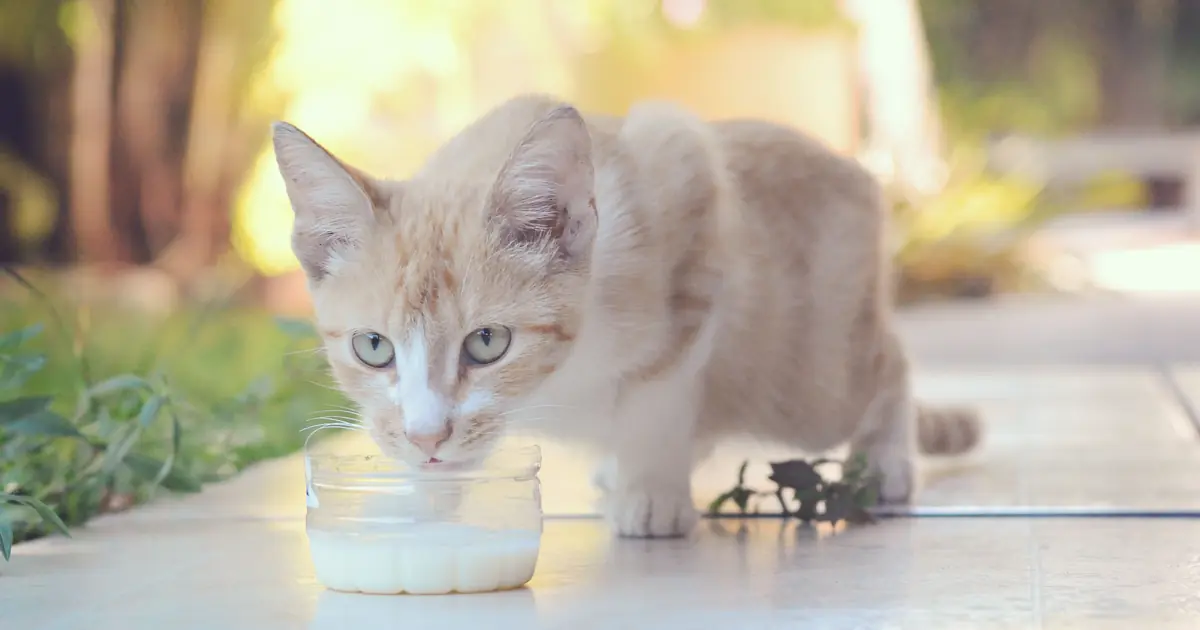
Picture this. You pour a bowl of cereal, turn your back for two seconds, and your cat is suddenly on the counter, nose buried in the milk. You’ve seen the cartoons. The saucer of milk, the happy cat, the whole cozy image. So why do cats like milk so much when every vet says to skip it?
Here’s the honest version. Cats really do love milk, and their bodies really can’t handle it. Those two facts live side by side. Your cat’s enthusiasm for that white puddle isn’t a sign she needs it. It’s her nose reading the fat and protein and saying “yes please,” even though her gut is going to disagree a few hours later.
- Cats are drawn to milk for its fat and protein, plus a leftover comfort association from nursing as kittens.
- Most adult cats are lactose intolerant because they stop making enough of the enzyme lactase after weaning, usually around 8 weeks old.
- Cow’s milk commonly causes diarrhea, gas, vomiting, and stomach upset in cats, often within 8 to 12 hours.
- Kittens should only drink their mother’s milk or a proper kitten milk replacer, never cow’s milk.
- Fresh water and a complete cat food give your cat everything milk seems to promise, minus the tummy trouble.
Why are cats so attracted to milk?
Cats are attracted to milk because it’s loaded with fat and protein, two things a meat-eater’s brain is wired to chase. Cats can actually smell the fat content in milk, which is why even a cat who has never tasted dairy will come running when you pour a glass. To your cat, that creamy smell reads as concentrated, high-value food.
There’s an emotional layer too. Every cat started life nursing, and mother’s milk meant warmth, safety, and a full belly. That early association sticks. A saucer of milk isn’t just a snack to your cat, it’s a small echo of kittenhood. Add the rich fat and the smooth mouthfeel, and you’ve got a treat cats find genuinely hard to resist.
So the craving is real, but it’s a craving for richness, not a nutritional need. A cat on a proper diet gets no missing nutrient from milk. If you want to reward that food-motivated side of your cat, better options exist. A few quality cat treats hit the same “this is a special snack” note without wrecking her stomach.
Are cats lactose intolerant?
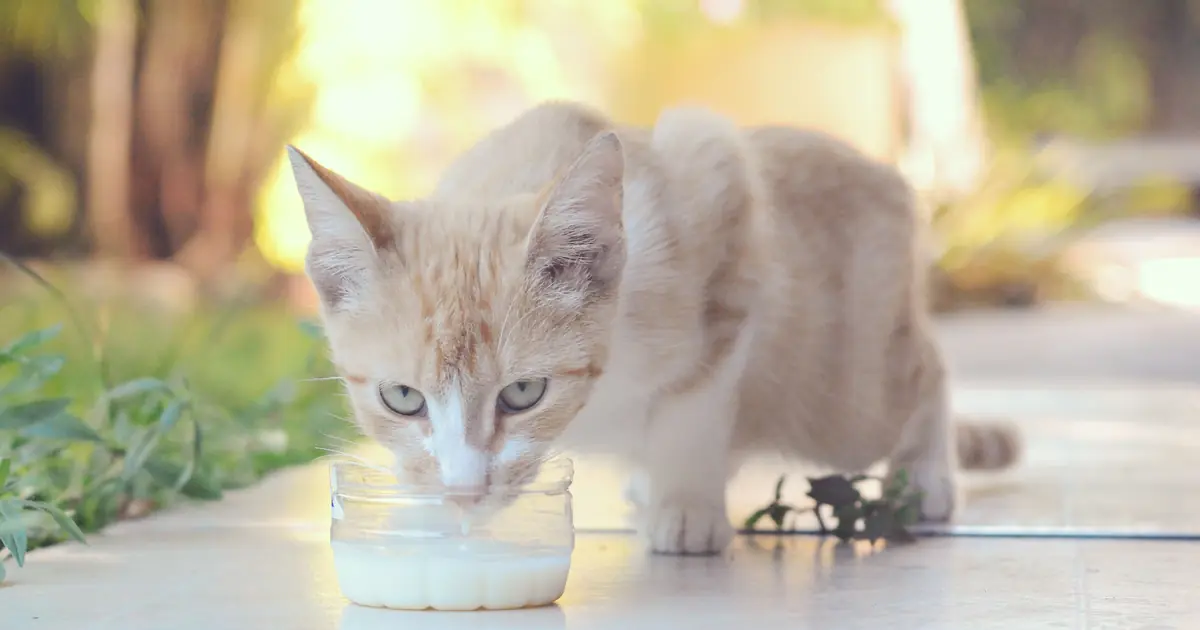
Yes, most adult cats are lactose intolerant. Lactose is the natural sugar found in milk, and digesting it requires an enzyme called lactase. Kittens are born making plenty of lactase so they can nurse. But once they’re weaned, usually around 8 weeks old, their lactase production drops off sharply. By adulthood, most cats make very little, and after the first year many make almost none at all.
This is the twist most people miss. Liking milk and being able to digest it are two completely different things. Your cat can adore the taste of milk while lacking the exact enzyme she’d need to break it down. When lactose reaches the gut undigested, it draws in water and gets fermented by bacteria, and that’s where the trouble starts.
It’s the same mechanism behind lactose intolerance in people, just more common in cats. For a deeper look at how dairy hits a cat’s system, veterinary nutrition resources like PetMD’s cat nutrition guides break down why adult cats and cow’s milk are a poor match.
What does cow’s milk actually do to an adult cat’s gut?
Cow’s milk usually gives an adult cat an upset stomach, and the signs tend to show up within 8 to 12 hours of drinking it. Because the lactose sits in the gut undigested, it pulls water into the intestines and ferments, which leads to a familiar and messy set of symptoms.
Common reactions to cow’s milk in cats include:
- Diarrhea, often loose or watery
- Gas and a bloated, gurgling belly
- Vomiting
- General stomach discomfort and low appetite afterward
Cow’s milk is also a bigger dose than it looks. Cats are small animals, and cow’s milk carries far more lactose than the milk a mother cat produces. So even a “little saucer” can be a real load on a system that barely makes any lactase. If your cat gets into milk and then has ongoing loose stool, our guide on cat diarrhea walks through what’s normal, what isn’t, and when to worry. And if the reaction is throwing up rather than the runs, here’s what dairy and other triggers can do when a cat throws up after eating.
Quick note: this article is educational and not a substitute for veterinary advice. If your cat has diarrhea or vomiting that lasts more than a day, seems lethargic, stops eating, or is a kitten or senior, call your vet.
Do kittens need milk, and can they drink cow’s milk?
Kittens need milk, but only the right kind. A nursing kitten should drink its mother’s milk, which is perfectly balanced for growth and packed with antibodies that protect a newborn. If the mother isn’t available, the answer is a commercial kitten milk replacer (KMR), not anything from the fridge.
Cow’s milk is a bad idea for kittens too. It doesn’t have the right balance of protein, fat, and nutrients a growing kitten needs, and the lactose can still trigger diarrhea, which is dangerous for a tiny animal that dehydrates fast. Yes, young kittens still make lactase, so they may tolerate a bit better than an adult. But “tolerate” isn’t the same as “needs” or “should have.”
Here’s the simple rule. Mother’s milk or kitten formula until weaning, then a complete kitten food and fresh water after that. Cow’s milk never earns a spot on that list.
What about “cat milk” and lactose-free milk?
Special “cat milk” and lactose-free milk are safer than cow’s milk, but they’re still just an occasional treat, not a daily drink. Products sold as cat milk have the lactase enzyme added (or the lactose already broken down), so they’re much gentler on your cat’s gut. Lactose-free cow’s milk works on the same idea.
Even so, these drinks add extra calories and fat your cat doesn’t need. A little now and then is fine for most cats. A bowl every day can nudge your cat toward weight gain and can still cause loose stool in sensitive cats. Goat’s milk sometimes gets recommended because it’s lower in lactose than cow’s milk, but “lower” isn’t “none,” so treat it with the same caution.
| Type of milk | Safe for cats? | Why |
|---|---|---|
| Cow’s milk | No | High lactose; commonly causes diarrhea and stomach upset in adult cats |
| Goat’s milk | Occasionally, with caution | Lower in lactose than cow’s milk, but still contains some |
| Lactose-free milk | Occasional treat only | Easier to digest, but adds unneeded fat and calories |
| “Cat milk” products | Occasional treat only | Lactase added so it’s gentler, but still just a treat |
| Mother’s milk / kitten formula | Yes, for kittens | Correct nutrients and antibodies for growth before weaning |
What should cats actually drink instead of milk?
Cats should drink fresh, clean water, and that’s really the whole answer. Water is the only drink an adult cat truly needs, and pairing it with a complete, balanced cat food covers every nutritional base. Milk fills no gap that a good diet leaves open.
The honest truth about hydration is that many cats are lazy drinkers, which is part of why people reach for milk in the first place. If your cat ignores her water bowl, try moving it away from the food, using a wide shallow dish, or adding a cat water fountain, since a lot of cats prefer moving water. Feeding some wet food helps too, because it’s mostly moisture.
For the food side, a diet built for cats is genuinely all they need to thrive, and picking the right one matters more than any treat. Our roundup of the best cat food options is a good place to start. Authorities like the ASPCA’s cat nutrition tips and the Cornell Feline Health Center agree on the basics: complete cat food plus fresh water, no dairy required.
My honest take? They love it, most of them can’t handle it, so skip the saucer of milk. Your cat won’t miss out on a single nutrient, and you’ll both be spared the aftermath.
Frequently Asked Questions
Q: Why do cats like milk if they’re lactose intolerant?
Cats like milk because they can smell its fat and protein, which their meat-eating brains find irresistible, plus a comfort association from nursing as kittens. Being lactose intolerant is separate: it means their gut can’t digest the milk sugar, so the craving stays even though the digestion doesn’t.
Q: Will a little milk hurt my cat?
A small amount of cow’s milk won’t poison your cat, but it can still cause diarrhea, gas, or vomiting within about 8 to 12 hours, especially in a lactose intolerant adult. It’s not toxic, just hard on the stomach, so it’s best avoided.
Q: Can kittens drink cow’s milk?
No, kittens should not drink cow’s milk. It lacks the right nutrients for growth and can cause diarrhea, which is dangerous for a small kitten. Kittens should have their mother’s milk or a kitten milk replacer (KMR) until they’re weaned, then complete kitten food and water.
Q: Is lactose-free milk or “cat milk” safe for cats?
Lactose-free milk and specially made “cat milk” are much easier on a cat’s stomach because the lactose is removed or broken down with added lactase. They’re fine as an occasional treat, but they still add extra calories and fat, so they shouldn’t replace water or become a daily habit.
Q: How long after drinking milk will a cat get sick?
Signs of lactose intolerance in cats usually appear within 8 to 12 hours of drinking milk. The most common symptoms are diarrhea, gas, bloating, and sometimes vomiting. If the upset lasts more than a day or your cat seems weak, contact your vet.
Q: Can cats drink goat’s milk?
Goat’s milk is lower in lactose than cow’s milk, so some cats handle small amounts better. But it still contains lactose and extra fat, so it’s not a safe daily drink. Treat it as an occasional taste at most, and skip it entirely if your cat gets loose stool.
Q: What can I give my cat instead of milk?
Give your cat fresh water as her main drink and a complete, balanced cat food for nutrition. If she loves the ritual of a special treat, offer a few cat-formulated treats or a spoon of wet food instead. Milk fills no nutritional gap that a good diet leaves.
Q: Why do cats love cream and cheese too?
Cats love cream and cheese for the same reason they love milk: high fat content that smells like rich, concentrated food. Cream is even fattier than milk, and cheese is very fatty, so both are appealing but hard to digest. Small tastes may not upset every cat, but dairy is best kept to a rare treat.

Hello and welcome to The Ideal Cat!
We are some passionate cat owners from different professions. We love our cats and have a lot of experience in how to care for our pets. We are incredibly excited to share our knowledge, experience, and research with you. So you can take good care of your loving cat. We will answer most of the common questions about owning cats, taking care of them, etc. If you have any question contact with us. Thanks for visiting! Enjoy the content.
