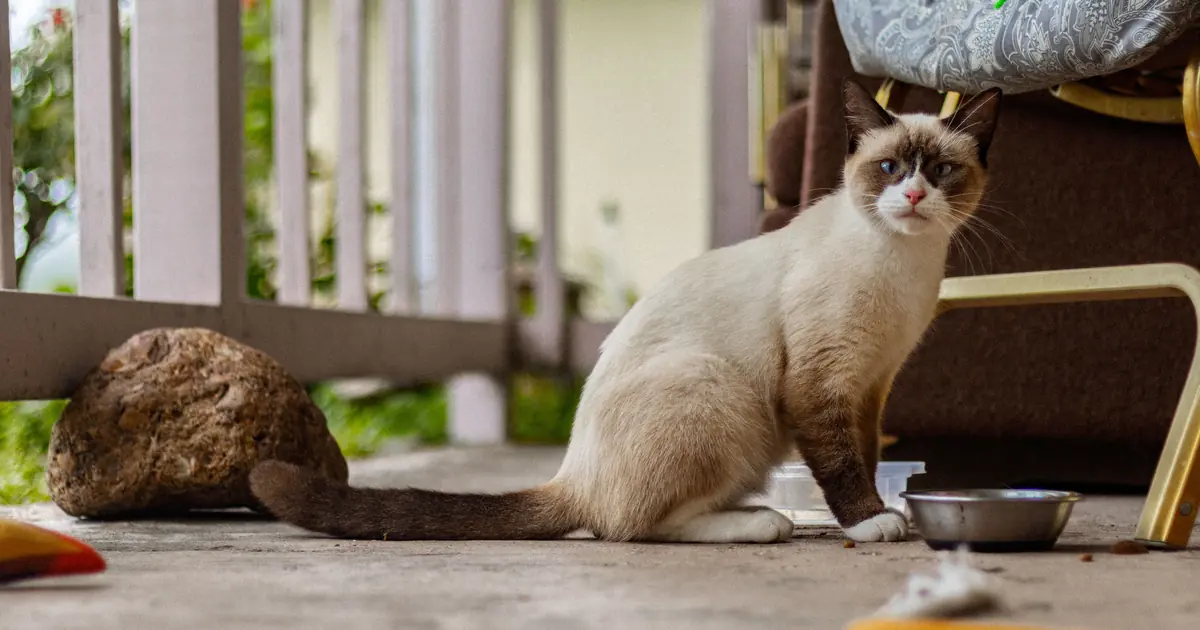
Picture this. It’s 6am. Your Siamese is perched on your chest, staring into your soul, narrating a very urgent opera about breakfast. Siamese cats are dramatic, athletic, and endlessly opinionated, and a lot of that fire runs on what’s in their bowl. So it makes sense you’d want to get their food right.
Here’s the good news. A great Siamese cat diet isn’t some secret, breed-only formula. There’s no magic “Siamese food.” Like every cat, a Siamese is an obligate carnivore, meaning they’re built to run on meat. What changes with this breed is the details: how much you feed, how you split it up, and a few health quirks worth watching. Let’s walk through all of it.
- Siamese cats need a high-protein, meat-based, complete-and-balanced diet with an AAFCO nutritional adequacy statement on the label.
- Siamese are lean and muscular with fast metabolisms, but they’re poor at self-regulating food, so measured portions beat free-feeding.
- Two meals a day suits most adult Siamese, and wet food helps them stay hydrated.
- Feeding should match life stage: kitten food for growth, adult food for maintenance, and a vet-guided plan for seniors.
- Siamese can be prone to weight gain, dental disease, and food sensitivities, so watch portions and ask your vet if your cat reacts to certain proteins.
What should a Siamese cat eat?
A Siamese cat should eat a high-protein, meat-first food that’s labeled complete and balanced for their life stage. Because Siamese are obligate carnivores, animal protein isn’t optional for them. It’s how they get essential nutrients like taurine and arginine that their bodies can’t make on their own.
When you read a label, look for a named meat as the first ingredient (chicken, turkey, rabbit, or fish), and check for an AAFCO nutritional adequacy statement confirming the food is complete and balanced. That statement is your shortcut for knowing the food covers all your cat’s needs, not just protein.
What you want less of: corn, wheat, soy, and vegetable starches used as cheap bulk. Cats don’t need much carbohydrate, and heavy fillers just add calories without doing your Siamese any favors. If you’re comparing options, our guide to choosing a quality cat food breaks down how to read a label without a chemistry degree.
Honestly, the “best” food is a good-quality, meat-based one your cat actually eats and thrives on. Skip anything marketed as a special Siamese blend if it’s just ordinary food with a fancy label.
How much should you feed a Siamese cat?
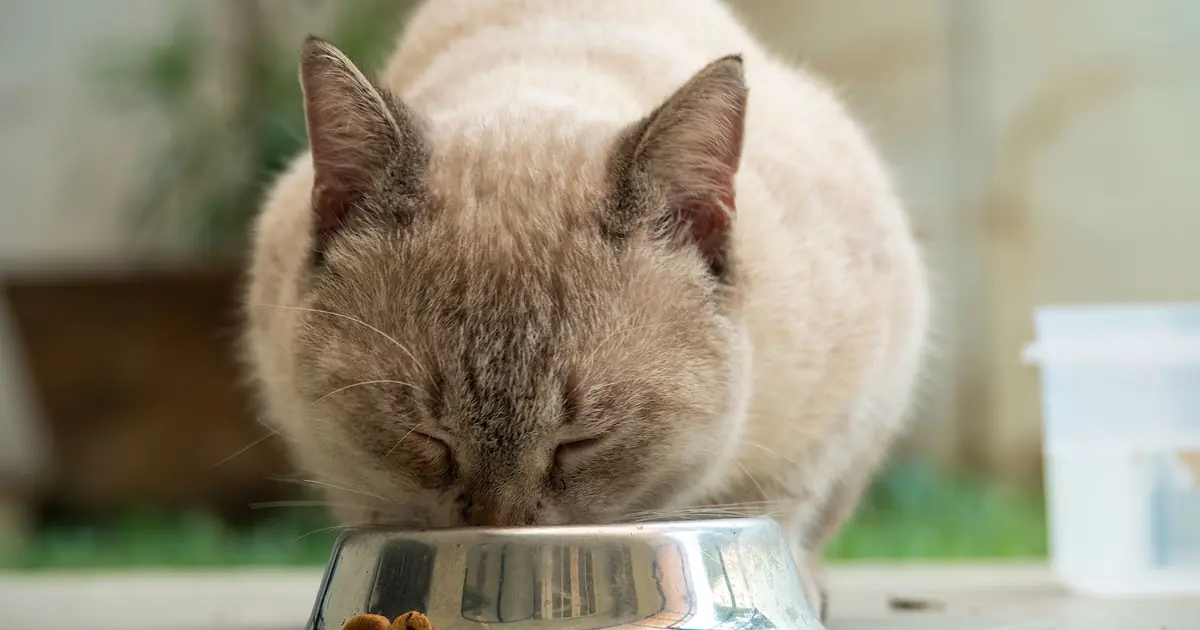
Feed a Siamese cat a measured amount split into meals rather than leaving food out all day. Siamese are notoriously bad at regulating their own intake, so free-feeding often leads to overeating and weight gain once they slow down past kittenhood.
Portion size depends on your cat’s weight, age, activity level, and whether they’re spayed or neutered. Altered cats typically need fewer calories than intact ones. Start with the feeding guide on the food’s packaging, then adjust based on your cat’s body condition. You want to feel their ribs easily under a thin layer, with a visible waist from above.
Most adult Siamese do well with two meals a day, one morning and one evening. Two meals steadies their metabolism and cuts down on the frantic, gorge-then-beg cycle. I’d skip the calorie math here on purpose. Every cat is different, and your vet can pin down the right daily amount for yours far better than a generic number can.
Wet food or dry food for a Siamese?
Both wet and dry food can work for a Siamese, but many vets lean toward including wet food because it helps with hydration. Cats have a naturally low thirst drive, and wet food is roughly 70 to 80% moisture, which supports urinary and kidney health.
Dry food has its perks too. It’s convenient, easy to portion, and works well in puzzle feeders that give your busy Siamese something to do. The catch is that it’s calorie-dense and low in moisture, so it’s easy to overfeed. A common, sensible approach is a mix: wet food for hydration and dry for convenience and enrichment.
| Factor | Wet Food | Dry Food |
|---|---|---|
| Moisture | High (70 to 80%), great for hydration | Low (around 10%) |
| Calorie control | Easier, more filling per calorie | Dense, easy to overfeed |
| Convenience | Spoils fast once opened | Stays fresh, easy to store |
| Enrichment | Limited | Works in puzzle feeders |
| Picky eaters | Strong aroma often wins them over | Some cats prefer the crunch |
If you want to dig deeper, we compare specific options in our roundups of the best wet cat food for hydration and solid dry food picks. Either way, always keep fresh water available, and consider a pet fountain if your Siamese is a fan of running water.
How does a Siamese cat’s diet change with age?
A Siamese cat’s diet changes at each life stage because kittens, adults, and seniors have different energy and nutrient needs. Feeding the right stage keeps growth, weight, and organ health on track.
Kittens grow fast and need calorie-rich, protein-dense kitten food, usually fed in several small meals a day up to around 12 months. Adult Siamese switch to a maintenance food, typically two meals daily, with portions dialed to keep them lean and muscular. Seniors, roughly 10 or 11 years and up, often need adjustments for slower metabolism, dental changes, or early kidney or organ concerns, which is where your vet’s input really matters.
| Life Stage | Food Type | Feeding Focus |
|---|---|---|
| Kitten (0 to 12 months) | Complete kitten food | High calories and protein for growth; small, frequent meals |
| Adult (1 to 10 years) | Adult maintenance food | Measured portions, two meals, keep them lean |
| Senior (10+ years) | Senior or vet-recommended diet | Adjust for metabolism, teeth, kidneys; vet-guided |
Curious about the breed beyond the bowl? Our full Siamese cat breed guide covers their personality, care, and quirks in one place.
What diet-related health issues do Siamese cats face?
Siamese cats face a few diet-related health issues worth knowing about: weight gain, dental disease, and food sensitivities. None should scare you off the breed, but a little awareness goes a long way at feeding time.
Weight gain. Siamese look sleek, but because they don’t self-regulate well, they can pack on pounds if free-fed after their zoomie years fade. Extra weight strains joints and raises the risk of diabetes, so portion control is your best friend.
Dental disease. Siamese are prone to periodontal disease and gingivitis, partly thanks to their wedge-shaped head and dental crowding. Diet alone won’t prevent it, so pair good food with regular tooth brushing and vet dental checks. The Cornell Feline Health Center is a reliable place to read up on feline dental care.
Food sensitivities and GI quirks. Siamese seem to show food sensitivities a bit more often than some breeds, and chicken and fish are common triggers. If your cat has recurring soft stools, vomiting, or itchy skin, don’t guess and swap blindly. Ask your vet about an elimination diet to find the culprit safely.
Siamese are also genetically more prone to a serious condition called amyloidosis, where abnormal protein deposits build up in organs like the liver. This isn’t something you fix with food, but signs like weight loss, poor appetite, and excessive drinking are worth a vet visit.
Can Siamese cats have treats?
Yes, Siamese cats can have treats, but only in moderation. A good rule of thumb is that treats should make up no more than about 10% of your cat’s daily calories, so the rest comes from complete, balanced meals.
Treats are wonderful for training, bonding, and giving a clever, chatty Siamese a little job to do. The trouble starts when treats crowd out real nutrition or quietly push your cat over their calorie budget. Reach for high-protein, single-ingredient options like freeze-dried meat over sugary or heavily processed ones. Our picks for healthy cat treats in moderation are a good starting point.
And human food? Keep it off the menu. Onions, garlic, chocolate, and grapes are toxic to cats, and rich table scraps can upset a sensitive Siamese stomach fast.
When should you talk to a vet about your Siamese cat’s diet?
This article is educational and isn’t a substitute for veterinary care. Talk to your vet before any major diet change, and see one promptly if your Siamese shows sudden weight loss or gain, repeated vomiting or diarrhea, a drop in appetite, excessive thirst or urination, or ongoing itchy skin. Those can signal food sensitivities, dental problems, or something more serious like amyloidosis or kidney disease. For general breed care basics, International Cat Care offers vet-reviewed advice too. Your vet can build a feeding plan tailored to your individual cat, which always beats a one-size-fits-all number.
Frequently Asked Questions
Q: What is the best food for a Siamese cat?
The best food for a Siamese cat is a high-protein, meat-based food that’s complete and balanced for their life stage, with an AAFCO adequacy statement on the label. Look for a named meat as the first ingredient and avoid heavy grain or starch fillers. There’s no special “Siamese-only” formula needed.
Q: How much should I feed my Siamese cat per day?
Daily amounts depend on your Siamese cat’s weight, age, activity, and spay or neuter status, so use the food’s feeding guide as a starting point and adjust to keep your cat lean. Most adult Siamese eat two measured meals a day. Your vet can calculate the exact portion for your individual cat.
Q: Should Siamese cats eat wet or dry food?
Siamese cats can eat wet food, dry food, or a mix of both. Wet food is about 70 to 80% moisture and helps with hydration, while dry food is convenient and works in puzzle feeders. Many owners feed a combination and always keep fresh water available.
Q: Do Siamese cats need a special diet?
Siamese cats don’t need a breed-specific diet, just a quality, high-protein, complete-and-balanced food fed in the right portions. Because they’re active, lean, and poor at self-regulating intake, portion control and life-stage-appropriate food matter more than any special formula.
Q: Why is my Siamese cat always hungry?
Siamese cats are active with fast metabolisms and are vocal by nature, so constant begging is often personality plus genuine appetite. Feeding two set meals and using puzzle feeders can help. If the hunger is sudden or extreme, or comes with weight loss, see your vet to rule out medical causes.
Q: Can Siamese cats have food allergies?
Yes, Siamese cats can have food sensitivities and appear to show them somewhat more often than some breeds, with chicken and fish among common triggers. Signs include soft stools, vomiting, and itchy skin. Ask your vet about an elimination diet rather than switching foods randomly.
Q: What foods should Siamese cats avoid?
Siamese cats should avoid foods heavy in grains, vegetable starch, and added sugar, plus toxic human foods like onions, garlic, chocolate, and grapes. If your cat has a known sensitivity to a protein like chicken or fish, avoid that too, based on your vet’s guidance.
Q: How many times a day should I feed a Siamese cat?
Most adult Siamese cats do best with two meals a day, one in the morning and one in the evening. Kittens need more frequent small meals during growth. A consistent schedule helps steady their metabolism and reduces frantic, gorge-then-beg behavior.

Hello and welcome to The Ideal Cat!
We are some passionate cat owners from different professions. We love our cats and have a lot of experience in how to care for our pets. We are incredibly excited to share our knowledge, experience, and research with you. So you can take good care of your loving cat. We will answer most of the common questions about owning cats, taking care of them, etc. If you have any question contact with us. Thanks for visiting! Enjoy the content.
