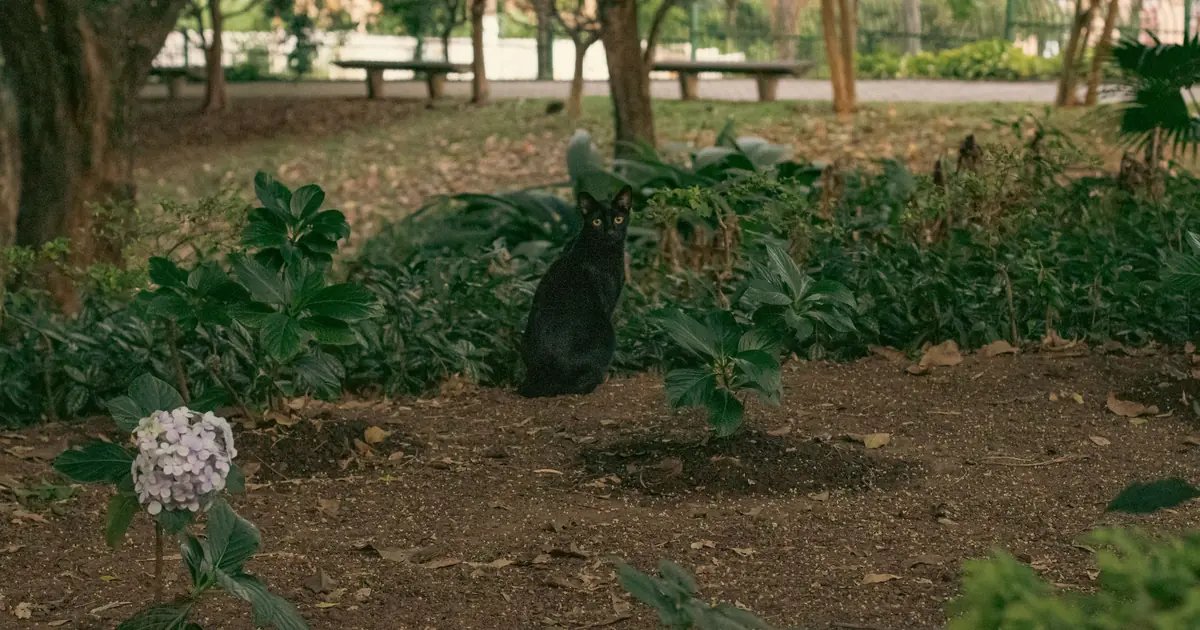
Picture this. You walk out to your favorite flower bed, coffee in hand, and step right in a fresh little surprise. Again. Or maybe it’s the corner of your guest room, and your own cat has decided that’s the new bathroom. So you Google a quick fix and land on the same tip everyone gives: vinegar. Does vinegar stop cats from pooping, or is it just another kitchen-cupboard myth?
Here’s the honest answer. Vinegar can help keep a cat off a specific spot, at least for a bit, because cats have a powerful nose and hate strong sour smells. But it’s a band-aid, not a cure. If your own cat has stopped using the litter box, vinegar hides the problem instead of solving it. Let’s break down when it works, how to use it safely, and what actually fixes the behavior.
- Vinegar works as a mild, temporary deterrent because cats dislike its strong sour odor, and it works best outdoors on specific spots.
- Always dilute vinegar to a 1:1 mix with water, spot-test surfaces first, and keep it off live plants, since undiluted vinegar can burn foliage and damage some materials.
- The vinegar smell fades in a day or two and washes away in rain, so you have to reapply often for it to keep working.
- Vinegar does not fix a cat pooping outside the litter box indoors, which usually points to a litter box problem or a medical issue.
- If your cat suddenly starts pooping outside the box, see a vet first to rule out pain, GI trouble, or other health problems.
Does vinegar actually stop cats from pooping?
Vinegar can discourage a cat from pooping in a treated spot, but only as a short-term smell deterrent. Cats have roughly 200 million scent receptors in their noses, compared to about 5 million in ours, so a strong sour smell that barely registers to you can feel overwhelming to them. Most cats will avoid an area that reeks of vinegar, at least while the smell is fresh.
The catch is that vinegar isn’t reliable. The effect is real but hit or miss. Some cats walk right past it and go anyway, and others get used to it after a few visits. Solid scientific proof on vinegar and cat pooping is thin, and a lot of what you read online is anecdotal. Treat it as a helpful nudge for keeping a cat off a spot, not a guaranteed off switch. It tends to work best outdoors, on a defined area like a garden bed or a porch corner, where you’re just trying to make one patch unappealing.
How do you use vinegar to keep cats away safely?
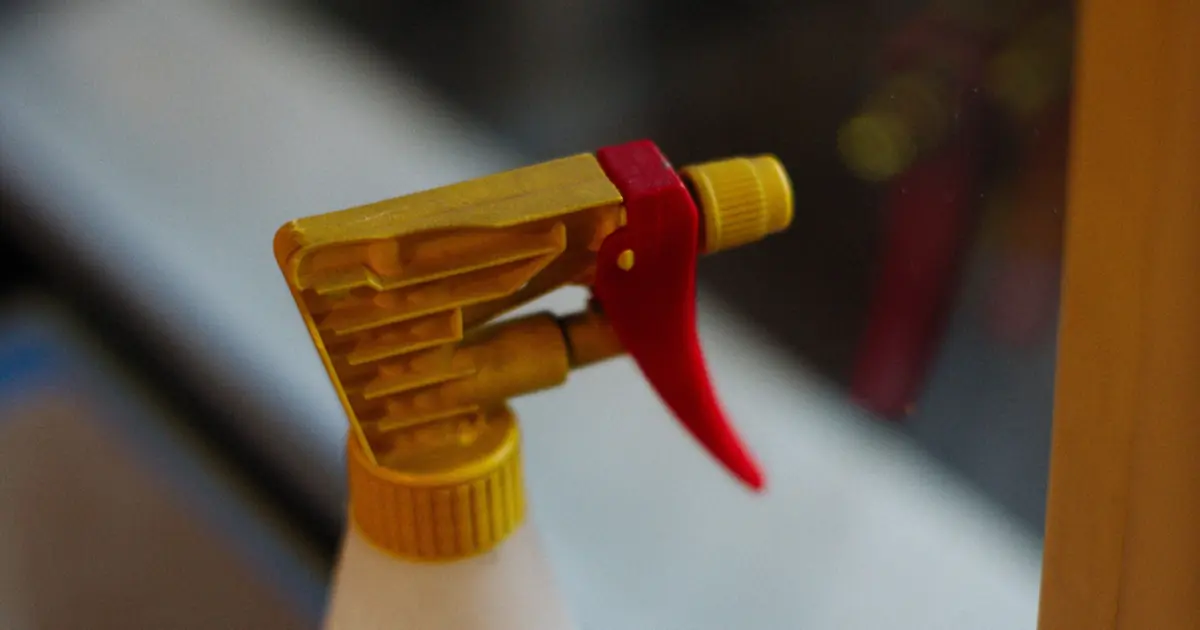
To use vinegar as a cat deterrent, always dilute it and reapply it often. Straight vinegar is acidic enough to scorch plant leaves, dull natural stone, and dull some finishes, so never spray it at full strength around your garden or home. A simple, safe routine looks like this:
- Mix one part distilled white vinegar with one part water in a clean spray bottle.
- Spot-test first. Spray a hidden patch of the surface, wait a few hours, and check for staining or damage before treating the whole area.
- Spray the target spot lightly, keeping the mix off flower petals, leaves, and edible plants.
- Reapply every one to three days, and always after rain or watering, since moisture washes the smell away fast.
- Keep it up for a couple of weeks so the cat forms a new habit of avoiding the area.
Wondering whether vinegar is even safe to have around your cat? A little diluted vinegar on outdoor surfaces is generally low-risk, but you can read more about vinegar and cats and where it’s safe to use before you spray it near their favorite hangouts.
Why doesn’t vinegar fix a cat pooping outside the litter box?
Vinegar doesn’t fix indoor accidents because it treats the symptom, not the cause. When a cat poops outside the litter box inside your home, something is wrong from the cat’s point of view. Spraying vinegar on the spot might move the problem three feet to the left, but it doesn’t answer the real question: why did your cat stop using the box in the first place?
Two big buckets explain almost all indoor pooping. The first is a litter box problem: a box that’s too dirty, the wrong litter, too few boxes, a covered box the cat feels trapped in, or a location that’s too busy or too close to noisy appliances. The second is a medical or stress issue. Constipation, diarrhea, inflammatory bowel disease, parasites, painful anal glands, and arthritis can all make the box feel uncomfortable or unreachable. There are plenty of overlapping reasons behind out-of-box elimination, and vinegar addresses none of them.
What are other safe ways to deter cats from an area?
Several safe deterrents can keep cats off a spot, and some hold up better than vinegar outdoors. The goal is the same: make the area boring, uncomfortable, or smelly in a cat-unfriendly way, without harming the cat, your plants, or your home. Here’s how the common options stack up.
| Deterrent method | How well it works | Cautions |
|---|---|---|
| Diluted vinegar spray | Mild and temporary; fades fast, needs frequent reapplying | Can burn plants and damage some surfaces if not diluted |
| Citrus peels or citrus scent | Mild; many cats dislike citrus smells | Citrus oils can be toxic if ingested, so use peels, not concentrated oils |
| Motion-activated sprinkler | Strong and consistent outdoors | Needs a water hookup; can catch you off guard too |
| Textured ground cover (pine cones, rough mulch, chicken wire) | Strong; cats dislike the feel underfoot | Must cover the whole target area to work |
| Commercial cat repellent | Consistent and made for the job | Choose a pet-safe formula and follow the label |
Honestly, if you want something more dependable than a vinegar spray you have to redo every other day, it’s worth looking at a purpose-built option. Our guide to the safest and most effective cat repellents walks through what actually holds up in a garden versus what just smells nice for an afternoon. The ASPCA also has solid, science-backed advice on common cat behavior issues if you’re dealing with a repeat offender.
What’s the real fix for a cat pooping outside the litter box?
The real fix for indoor pooping is finding the cause and solving it, starting with a vet visit. This is the part vinegar can’t do for you. A cat that suddenly changes bathroom habits is often telling you something hurts or feels off. So before you assume it’s stubbornness or spite (cats don’t really do spite), rule out the medical side.
A quick, friendly note: this article is educational, not a substitute for veterinary care. Pooping outside the box can be a medical issue or a litter box problem, so a vet check should come before you assume it’s just behavior.
Once your vet gives the all-clear, work through the litter box basics:
- Clean more often. Scoop at least once a day and do a full litter change regularly. Many cats reject a box that smells used.
- Follow the box math. The classic rule is one box per cat, plus one extra, spread across the home.
- Rethink the litter. Most cats prefer unscented, fine-grained clumping litter. If your cat is picky, switching the type of litter you use often solves it on its own.
- Check the location. Put boxes in quiet, easy-to-reach spots, away from loud appliances and food bowls.
- Try an open box. Some cats feel trapped in covered boxes, and larger, uncovered boxes get used more.
- Clean accidents fully. Leftover scent pulls a cat back to the same spot, so removing the odor completely with an enzyme cleaner matters more than any deterrent.
For the behavior side, groups like International Cat Care and the Cornell Feline Health Center have excellent, vet-reviewed guidance on house soiling and reducing stress. Bottom line: vinegar is a band-aid for keeping a cat off one spot, not a cure for a cat who’s stopped using the box. Fix the root cause and the accidents stop for good.
Frequently asked questions about vinegar and cat pooping
Q: What kind of vinegar keeps cats from pooping?
Distilled white vinegar is the usual pick for deterring cats, because it’s cheap, strong-smelling, and clear so it won’t stain. Dilute it 1:1 with water before spraying. Apple cider vinegar works similarly, but white vinegar has the sharpest scent and is easiest on light surfaces.
Q: How often do I need to reapply vinegar to keep cats away?
Reapply diluted vinegar every one to three days, and always after rain or watering. The sour smell that repels cats fades quickly, especially outdoors, so a single spray won’t last. Keep it up for at least two weeks to help the cat break the habit of using that spot.
Q: Is vinegar safe for cats?
Diluted vinegar used on outdoor surfaces is generally low-risk for cats, since they avoid the smell rather than lick it. Never spray it directly on a cat, and keep undiluted vinegar away from them, as it can irritate skin, eyes, and stomach. When in doubt, ask your vet.
Q: Will vinegar damage my plants or garden?
Undiluted vinegar can burn plant leaves and harm soil, since it’s acidic. Always dilute it 1:1 with water and spray the ground or hard surfaces, not the plants themselves. Keep it off flower petals, foliage, and anything edible you plan to harvest.
Q: Why is my cat suddenly pooping outside the litter box?
A sudden change in bathroom habits often signals a medical problem like constipation, diarrhea, parasites, painful anal glands, or arthritis. It can also mean a dirty box, wrong litter, or stress. See your vet first to rule out illness, then work through the litter box basics.
Q: Does vinegar work better than commercial cat repellents?
Commercial cat repellents usually work more reliably than vinegar because they’re formulated to last longer and resist fading. Vinegar is cheaper and handy for a quick fix, but you’ll reapply it constantly. For an ongoing garden problem, a purpose-built repellent or motion-activated sprinkler tends to hold up better.
Q: Can I use vinegar to clean where my cat pooped?
Vinegar can help neutralize some odor, but it won’t fully break down the proteins in cat waste that draw a cat back. An enzyme-based cleaner works far better for removing scent completely. Cleaning thoroughly is what stops repeat accidents in the same spot.
Q: Do cats hate the smell of vinegar?
Yes, most cats dislike the strong, sour smell of vinegar. With around 200 million scent receptors, cats find sharp odors far more intense than we do. That’s why vinegar can work as a mild deterrent, though some individual cats simply ignore it.

Hello and welcome to The Ideal Cat!
We are some passionate cat owners from different professions. We love our cats and have a lot of experience in how to care for our pets. We are incredibly excited to share our knowledge, experience, and research with you. So you can take good care of your loving cat. We will answer most of the common questions about owning cats, taking care of them, etc. If you have any question contact with us. Thanks for visiting! Enjoy the content.
