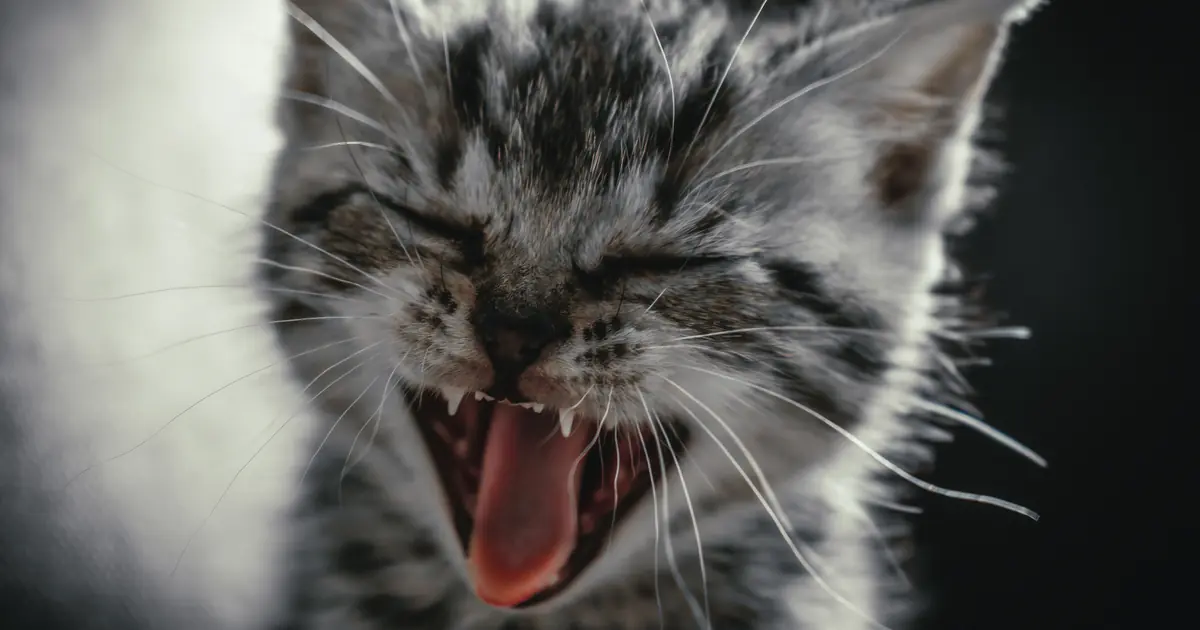
You lean in for a kitten kiss, and whoa. That tiny mouth smells like it just visited the litter box. If you’ve ever pulled back mid-cuddle wondering how something so cute can smell so foul, you’re not alone. A lot of new kitten parents notice this and quietly panic.
Here’s the good news. Most of the time, when your kitten’s breath smells like poop, the answer is either something they ate or a mouth that’s busy growing new teeth. Neither is usually an emergency. But a strong, lasting fecal smell is worth paying attention to, because in some cases it flags a gum infection or a gut issue that needs a vet. Let’s walk through what’s actually going on.
- The most common reason a kitten’s breath smells like poop is simple: they ate something foul, like feces, litter, spoiled food, or a bug.
- Teething kittens often get mild gum inflammation (gingivitis) that causes temporary bad breath, and it usually clears once adult teeth settle in around 6 months.
- Normal “kitten breath” smells mildly milky or slightly fishy from food, not like poop, so a strong fecal odor is worth investigating.
- Kittens eating their own poop (coprophagia) can be normal, but it’s also linked to intestinal worms, so a fecal test and deworming are smart steps.
- Foul breath that lasts more than a few days, or comes with vomiting, drooling, or not eating, is a reason to call your vet.
Why does my kitten’s breath smell like poop?
A kitten’s breath smells like poop for one of two main reasons: something they ate, or something happening inside their mouth. Kittens explore the world with their mouths, and they aren’t picky. If your kitten just snacked on litter box contents, dug into spoiled food, or caught a dead bug behind the couch, the smell can linger for hours. It’s gross, but it’s usually harmless.
The second big cause is dental. Teething kittens get inflamed gums, and inflamed gums smell bad. Bacteria build up fast around erupting teeth, and that can read as a rotten or fecal odor. So before you worry about anything serious, check what your kitten has been eating and take a peek at those little gums. If your cat also has other causes of stinky breath, the fix often overlaps. For a deeper look at the medical side, PetMD’s cat conditions library is a solid, vet-reviewed reference.
What does normal kitten breath smell like?
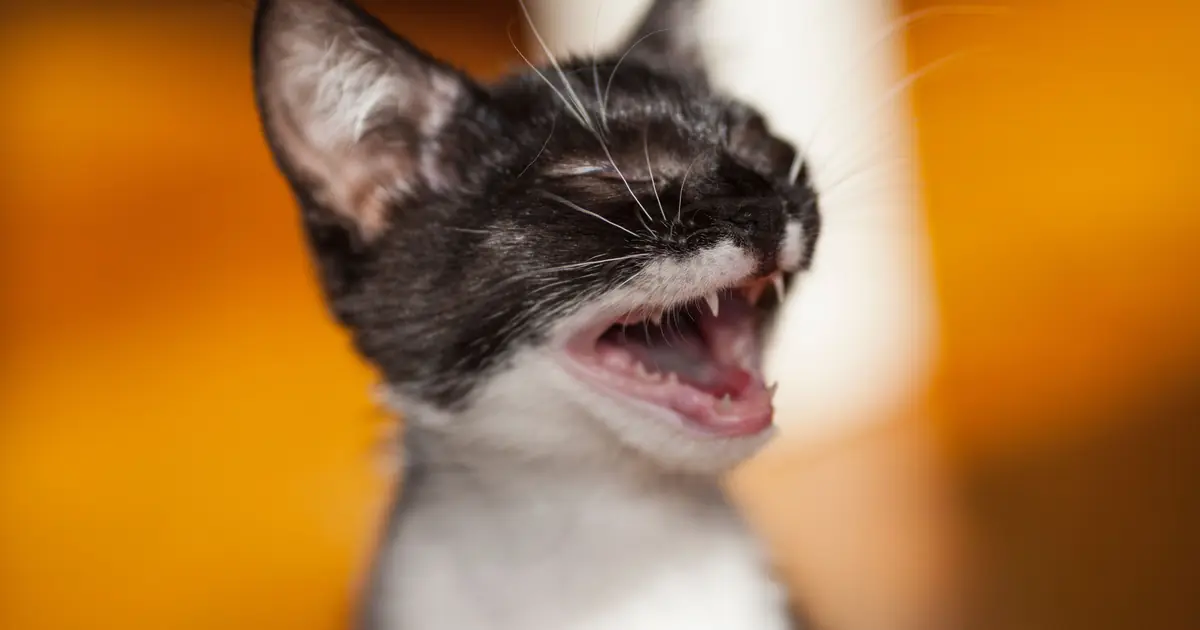
Normal kitten breath smells mild, a little milky, or faintly fishy from their food. It should not knock you over. That soft “kitten breath” smell is completely fine and fades as they grow. What’s not normal is a strong, sour, or straight-up poop-like odor that makes you recoil every time.
Think of it this way. A gentle food smell is background noise. A powerful fecal stench is a signal. If the smell is faint and comes and goes right after meals, relax. If it’s strong and constant, that’s your cue to look closer at the mouth and the gut.
Can teething cause my kitten’s bad breath?
Yes, teething is one of the most common causes of bad breath in kittens. As baby teeth fall out and adult teeth push through, the gums get irritated and mildly inflamed. This is called gingivitis, and it can cause a bit of bleeding and a foul smell. It’s usually temporary.
Here’s the timeline. Kittens get their 26 baby teeth by about 6 to 8 weeks old. Adult teeth start coming in around 3 to 4 months, and the full set of 30 adult teeth is usually in by 6 months. That whole stretch can come with smelly breath. Once the adult teeth are settled, the smell typically clears on its own.
Sometimes a baby tooth doesn’t fall out when it should. These retained deciduous teeth crowd the mouth, trap food, and feed odor-causing bacteria. If you see a double row of teeth, mention it at your kitten’s next vet visit. Building good dental care habits with cat toothpaste now makes a huge difference later.
Why does my kitten eat poop, and does it cause the smell?
Yes, if your kitten eats poop, their breath will smell like poop, plainly and directly. This behavior is called coprophagia. In very young kittens it can be surprisingly normal. Mother cats eat their kittens’ waste to keep the nest clean, and some kittens copy the habit or do it out of pure curiosity.
But eating poop isn’t always innocent. It’s also linked to intestinal worms and poor nutrient absorption, which is why a fecal test and deworming are smart moves for any kitten doing this. Many kittens are born with or pick up worms early, so parasites are common at this age. You can read more about whether kittens are born with worms to understand the risk.
Litter is another culprit. Some kittens nibble clumping litter, and that leaves a distinct smell too. If your kitten is munching non-food things, our guide on why cats eat litter digs into the reasons and how to stop it. Keeping the litter box clean and scooped often removes the temptation at the source.
When is fecal-smelling breath a sign of something serious?
Fecal-smelling breath becomes a real concern when it lasts and comes with other symptoms. Most kitten bad breath is minor, but a persistent poop-like odor can point to a gum infection, a digestive upset, or, in rare cases, a gastrointestinal blockage. A blockage is a medical emergency, and it often shows up alongside vomiting and a refusal to eat.
VCA Hospitals notes that halitosis in cats can stem from problems well beyond the mouth, including issues in the gut and other organs. So don’t assume it’s always just teething. If the smell won’t quit, or your kitten seems off in any way, get them checked. Catching a problem early is always easier than treating it late.
| Likely cause | Other signs you might notice | What to do |
|---|---|---|
| Ate feces, litter, spoiled food, or a bug | Smell fades after a few hours, kitten acts normal | Clean the litter box often, secure trash and food, watch it clear |
| Teething and gum inflammation | Mild gum redness, slight drooling, kitten under 6 months | Monitor, start gentle dental care, mention at next vet visit |
| Retained baby teeth or gum infection | Double row of teeth, swollen or bleeding gums, constant odor | Book a vet exam for the mouth |
| Coprophagia linked to worms | Eating poop, dull coat, visible worms, diarrhea | Fecal test and deworming through your vet |
| GI upset or blockage (less common) | Vomiting, not eating, lethargy, straining | See a vet promptly, blockage is an emergency |
How do I get rid of my kitten’s poop breath?
To get rid of your kitten’s poop breath, you tackle both the mouth and the habits behind it. Start with the easy wins. Scoop the litter box daily so there’s nothing tempting to snack on. Store food properly and toss anything spoiled. Keep an eye on your kitten during play so they don’t swallow bugs or garbage.
Then build a dental routine. Introduce a cat-safe toothpaste and a soft finger brush slowly, a few seconds at a time. Never use human toothpaste, since it’s toxic to cats. Regular brushing keeps odor-causing bacteria in check as those adult teeth come in. Finally, loop in your vet. A quick fecal test rules out worms, and a mouth exam catches retained baby teeth or early gum trouble. If the breath is tied to teething, patience usually does the rest.
When should I see a vet about my kitten’s breath?
See a vet if your kitten’s poop breath lasts more than a few days or comes with any warning signs. This article is educational and not a substitute for veterinary care, so when in doubt, call your vet.
Get to a vet promptly if your kitten shows any of these red flags:
- Vomiting, especially repeated vomiting
- Not eating or a sudden drop in appetite
- Drooling, pawing at the mouth, or trouble eating
- Swollen, bleeding, or bright red gums
- Lethargy, hiding, or acting unwell
- Diarrhea, straining, or visible worms in the stool
Any of those combined with foul breath means it’s time for a professional look. For general kitten and cat health guidance you can trust, the Cornell Feline Health Center and VCA’s pet health library are excellent starting points.
Frequently asked questions
Q: Is it normal for kitten breath to smell bad?
Mild kitten breath that smells faintly milky or fishy from food is normal. A strong, poop-like, or rotten smell is not. Teething kittens under 6 months often have temporary bad breath from inflamed gums, which usually clears once their adult teeth settle in.
Q: Why does my kitten’s breath smell like poop after eating?
A poop smell right after eating usually means your kitten ate something foul, like feces, litter, spoiled food, or a bug. Food particles stuck in the mouth can also smell bad. If the odor fades within a few hours and your kitten acts normal, it’s rarely a concern.
Q: Can worms cause my kitten’s breath to smell like poop?
Worms don’t directly cause fecal breath, but they’re linked to poop-eating (coprophagia), which does. Intestinal parasites can also cause digestive upset. If your kitten eats poop and has foul breath, ask your vet for a fecal test and deworming.
Q: Does teething make my kitten’s breath smell?
Yes. As baby teeth fall out and adult teeth erupt, gums get inflamed and can bleed slightly, causing a foul smell. This is common between 3 and 6 months of age and usually resolves once the full set of adult teeth is in.
Q: How can I freshen my kitten’s breath safely?
Keep the litter box scooped, secure food and trash, and start a gentle dental routine with cat-safe toothpaste. Never use human toothpaste, which is toxic to cats. Regular brushing keeps odor-causing bacteria down, and a vet check rules out worms or gum problems.
Q: When is bad kitten breath an emergency?
Bad breath becomes urgent when paired with vomiting, refusal to eat, drooling, or lethargy, since these can signal a gastrointestinal blockage, which is a medical emergency. Persistent foul breath with any of these signs means you should see a vet right away.
Q: Will my kitten’s poop breath go away on its own?
If it’s caused by teething or a one-time snack of something foul, the smell usually goes away on its own. Teething-related odor typically clears by around 6 months. If the smell lasts longer than a few days or comes with other symptoms, have your vet check it.
Q: Why does my kitten eat poop?
Kittens eat poop out of curiosity, from copying their mother, or because of a dirty litter box. It can be normal in young kittens, but it’s also linked to intestinal worms and poor nutrient absorption. A fecal test and clean litter box usually help stop the habit.

Hello and welcome to The Ideal Cat!
We are some passionate cat owners from different professions. We love our cats and have a lot of experience in how to care for our pets. We are incredibly excited to share our knowledge, experience, and research with you. So you can take good care of your loving cat. We will answer most of the common questions about owning cats, taking care of them, etc. If you have any question contact with us. Thanks for visiting! Enjoy the content.
