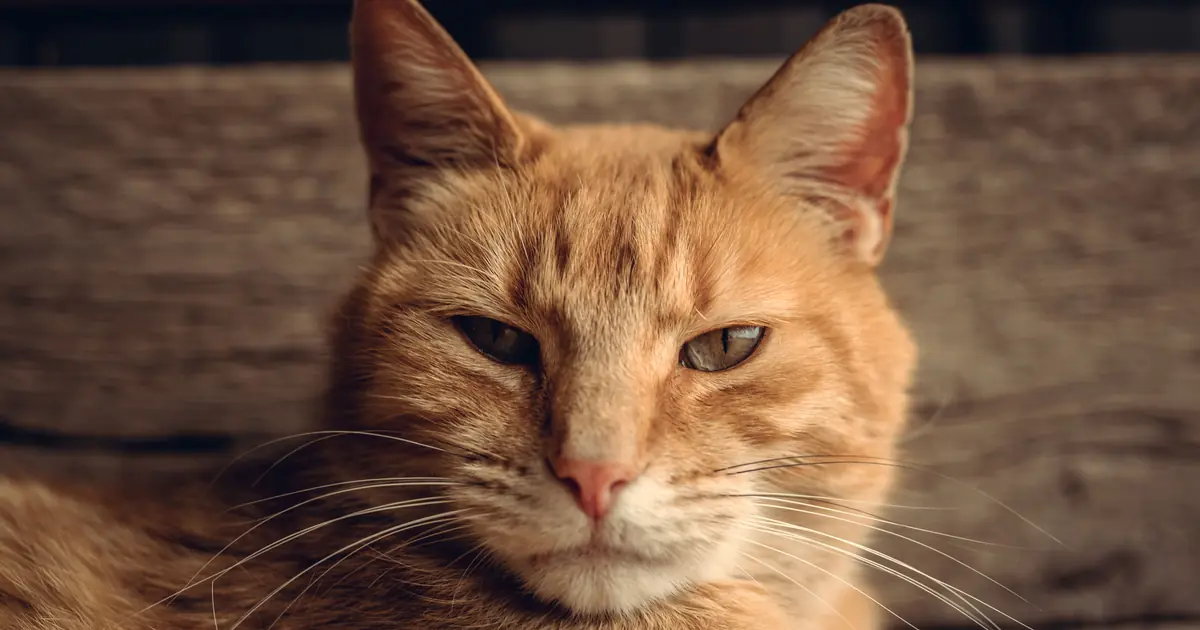
Picture this. Your orange tabby launches off the couch, skids across the kitchen, knocks over a full glass of water, then stares at you like you did something wrong. You laugh, film it, and post it. And somewhere online, another orange cat is doing the exact same chaotic thing at 3am. So the legend grows: orange cats are wild, feisty, maybe even a little aggressive.
Here’s the thing. The question of why are orange cats aggressive is built on a shaky idea to begin with. Coat color doesn’t reach into a cat’s brain and flip a switch for bad behavior. Real aggression in any cat, ginger or gray, almost always has a cause you can find and fix. Let’s clear up the myth, unpack where the reputation came from, and talk about what actually makes a cat lash out.
- There is no strong scientific proof that orange coat color causes aggression in cats.
- Roughly 80 percent of orange cats are male, because the orange gene sits on the X chromosome.
- Intact (unneutered) male cats are more prone to territorial aggression, which can feed the “wild orange cat” stereotype.
- Real feline aggression usually comes from fear, pain or illness, overstimulation, territory, or poor socialization, not fur color.
- Sudden or serious aggression in any cat warrants a vet visit to rule out pain and medical causes.
Are orange cats really more aggressive than other cats?
No, orange cats are not reliably more aggressive than other cats. Studies on coat color and behavior are mixed and mostly rely on owner surveys, not direct observation, so they can’t prove a solid link. A 2024 UC Davis survey found no meaningful difference in aggression between orange cats and other colors. Earlier surveys pointed at different color patterns entirely, and they contradict each other.
What research does show more consistently is human bias. People expect orange cats to be friendly, goofy, and bold, so that’s what they notice and remember. This is the same pattern you’ll see if you dig into the real causes of aggression: it’s rarely about looks and almost always about the individual cat and its situation.
The honest takeaway? Judge the cat in front of you, not its coat. Orange cats are big personalities by reputation, not by biology.
Where did the “crazy orange cat” stereotype come from?
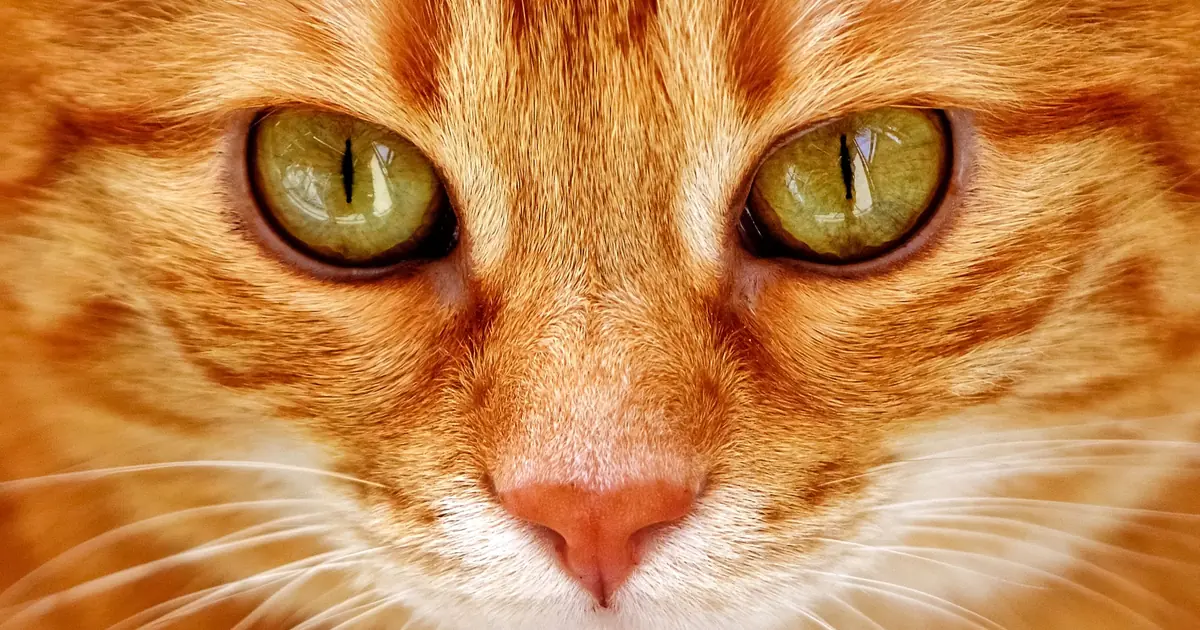
The crazy orange cat stereotype comes from reputation, meme culture, and confirmation bias, not science. Orange cats are wildly popular online. Think of the classic fat ginger cartoon cat, or the endless “orange cat behavior” jokes about them sharing a single brain cell. Those jokes are funny, and they spread fast, and they quietly train everyone to expect chaos.
Confirmation bias does the rest. Once you believe orange cats are nutty, every zoomie, every knocked-over cup, every derpy stare confirms it. Meanwhile, the gray cat doing the exact same thing gets a pass. You remember the hits and forget the misses.
The meme feedback loop is real. Bold orange antics get filmed and shared more, which builds the reputation, which makes people film even more orange antics. It’s a story that feeds itself. None of it means ginger fur makes a cat mean.
Why are most orange cats male, and does that matter?
About 80 percent of orange cats are male, and yes, that skew probably feeds the stereotype. The orange color gene sits on the X chromosome. Males have just one X, so a single copy of the orange gene turns them ginger. Females need the gene on both X chromosomes, which is far less common, so roughly 1 in 5 orange cats is female.
Why does sex matter here? Some behavior research suggests a mild link between being male and certain bold, active, social traits. And intact (unneutered) male cats are more prone to territorial and roaming aggression, driven by hormones, not coat color. So when people picture a “typical” orange cat, they’re often picturing an intact or once-intact male, and attributing his male-typical behavior to the orange fur.
Neutering usually softens that territorial edge in males of any color. If your ginger boy is intact and getting scrappy, that’s a conversation worth having with your vet.
What actually causes aggression in cats?
Real aggression in cats comes from identifiable causes, and coat color isn’t one of them. When a cat hisses, swats, or bites, there’s usually a reason underneath. Learning to spot it matters more than the cat’s color. Getting fluent in reading a cat’s mood helps you catch the warning signs before teeth come out.
Here are the usual drivers behind genuine feline aggression:
- Fear: A scared cat that feels cornered may lash out. Fear aggression is defensive, not mean.
- Pain or illness: A cat that hurts often gets snappy. New or sudden aggression is a classic pain flag.
- Overstimulation: Too much petting can flip a purring cat into a biting one in seconds. This is “petting-induced aggression.”
- Territory: New cats, new smells, or a stray outside the window can trigger territorial swatting and redirected aggression.
- Poor socialization: Kittens that missed gentle handling early on may stay jumpy and defensive as adults.
Notice what’s missing from that list? Fur color. A frightened tabby, a painful tuxedo, and an overstimulated ginger all bite for the same reasons. If your cat seems wound up a lot, it’s worth learning the stress behind reactivity, since chronic stress can make any cat quicker to snap.
Orange cat myth vs. what science actually says
The gap between the orange cat myth and the science is wide. The reputation says one thing; the evidence says another. Here’s a clean side-by-side so you can see where the popular story falls apart.
| The Popular Belief | What Science Actually Says |
|---|---|
| Orange fur makes cats aggressive | No strong evidence links coat color to aggression |
| All orange cats act the same “crazy” way | Personality comes from genetics, socialization, and environment |
| Orange cats are naturally wild | The ~80% male skew and intact-male behavior explain a lot of it |
| You can predict temperament by color | Owner bias predicts our expectations better than the cat’s behavior |
| Ginger cats are meaner | Many orange cats are described as friendly and affectionate |
Groups like International Cat Care and the ASPCA tie cat behavior to fear, health, environment, and socialization, not fur. That’s the through-line in every credible source.
What should you do if your orange cat is genuinely aggressive?
If your orange cat is genuinely aggressive, start by ruling out pain, then look at the trigger. Sudden aggression in a normally calm cat is a medical red flag until proven otherwise. Don’t just chalk it up to “he’s an orange cat.” That mindset can hide a real problem.
A few practical moves:
- Book a vet check to rule out pain, dental issues, thyroid problems, or other illness.
- Note the pattern: when, where, and what happens right before the aggression.
- Give your cat space and never punish aggression, which raises fear and makes it worse.
- Reduce stress with routine, vertical space, and hiding spots. Some cats also settle with a calming aid like a pheromone diffuser.
- If it continues, ask your vet for a referral to a certified feline behaviorist.
See a vet promptly if aggression is sudden, severe, comes with other symptoms (hiding, not eating, limping, dilated pupils), or is aimed at a person or pet who could get hurt. This article is educational and doesn’t replace advice from a licensed veterinarian. The Cornell Feline Health Center is a solid resource for understanding feline behavior and health.
FAQ: Orange cats and aggression
Q: Are orange cats aggressive because of their color?
No. There is no strong scientific evidence that coat color causes aggression in cats. Temperament comes from genetics, early socialization, environment, and individual personality. Any genuinely aggressive cat, orange or not, usually has a real cause like fear, pain, or territory.
Q: Why do people say orange cats are crazy?
The “crazy orange cat” idea comes from reputation, internet memes, and confirmation bias. Orange cats are popular online, so their bold and goofy moments get shared widely. People then notice behavior that fits the stereotype and forget the calm ginger cats that don’t.
Q: Are orange cats more likely to be male?
Yes. About 80 percent of orange cats are male because the orange color gene is carried on the X chromosome. Males need only one copy to be orange, while females need it on both X chromosomes, which is rarer. Roughly 1 in 5 orange cats is female.
Q: Does being male make orange cats more aggressive?
Sex can play a small role. Some research suggests males lean bolder and more active, and intact (unneutered) males are more prone to territorial aggression driven by hormones. Since most orange cats are male, this male skew likely feeds the stereotype more than the color itself does.
Q: Are orange cats actually friendly?
Many orange cats are described by owners as friendly, affectionate, and social. But that reputation is shaped partly by human expectation and bias. The most accurate approach is to judge each cat as an individual, since personality varies far more within a color than between colors.
Q: My orange cat suddenly became aggressive. What does that mean?
Sudden aggression in a previously calm cat is a medical red flag. Pain, dental disease, thyroid problems, and other illnesses can all cause a cat to lash out. Book a vet visit to rule out health issues before assuming it’s a behavior or personality problem.
Q: Does neutering reduce aggression in orange male cats?
Neutering often reduces hormone-driven territorial and roaming aggression in male cats of any color. It won’t fix aggression caused by fear, pain, or overstimulation, but it commonly softens the scrappy, territorial edge seen in intact males. Ask your vet what’s right for your cat.
Q: How can I calm an aggressive cat?
Give the cat space, avoid punishment, and reduce stress with routine, hiding spots, and vertical perches. Identify and limit the trigger, whether it’s overstimulation or another animal. If aggression continues, see your vet and ask about a certified feline behaviorist.

Hello and welcome to The Ideal Cat!
We are some passionate cat owners from different professions. We love our cats and have a lot of experience in how to care for our pets. We are incredibly excited to share our knowledge, experience, and research with you. So you can take good care of your loving cat. We will answer most of the common questions about owning cats, taking care of them, etc. If you have any question contact with us. Thanks for visiting! Enjoy the content.
