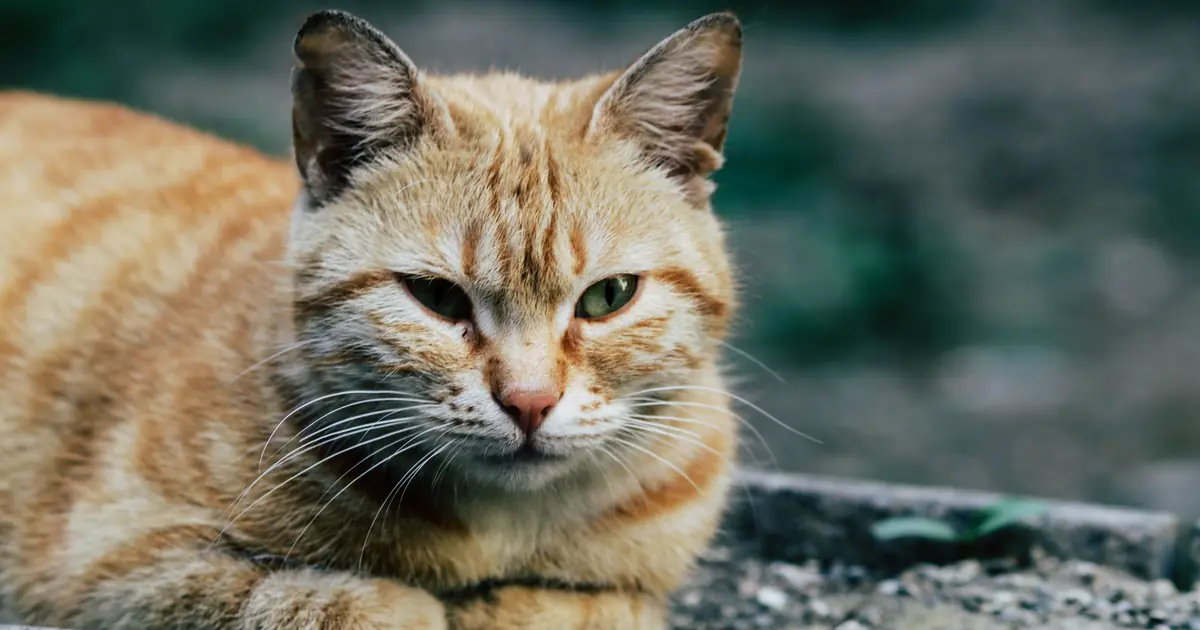
You’re petting your cat, minding your own business, when your fingers catch on two sharp ridges near the neck. When did those get there? Suddenly you’re worried your cat’s shoulder blades stick out too much, and you’re wondering if something’s wrong.
Here’s the thing. A little shoulder-blade action is completely normal. Those blades are meant to glide as your cat moves. But new, sharp boniness is a different story, and it’s worth paying attention to. Let’s sort out which one you’re looking at.
- Shoulder blades (scapulae) that shift up and down as a cat walks are normal, especially in lean, short-haired, or muscular cats.
- Newly prominent, sharp, or bony shoulder blades usually signal weight loss or muscle loss, not a bone problem.
- The most common medical causes of feline weight loss are hyperthyroidism, chronic kidney disease, diabetes, dental disease, and intestinal problems.
- A cat that eats well but keeps shrinking often has hyperthyroidism; a cat that stops eating and wastes away needs a full vet workup.
- A quick body-condition check of the ribs, spine, and hips tells you whether it’s one bony spot or overall thinness.
Is it normal for my cat’s shoulder blades to stick out?
Some shoulder-blade movement is completely normal. A cat’s shoulder blades, called scapulae, aren’t fused to the skeleton the way ours are. They float along the sides of the chest, held by muscle. So when your cat walks, prowls, or stretches, those blades rock up and down. That’s healthy feline anatomy doing its job.
You’ll notice it most in certain cats: lean, athletic cats, short-haired breeds, and naturally slim types like Siamese or Oriental cats. If your cat has always looked this way, eats well, and holds a steady weight, prominent shoulder blades are probably just how your cat is built. For the anatomy behind this, resources like VCA Animal Hospitals are a solid place to read more.
When are prominent shoulder blades a sign of a problem?
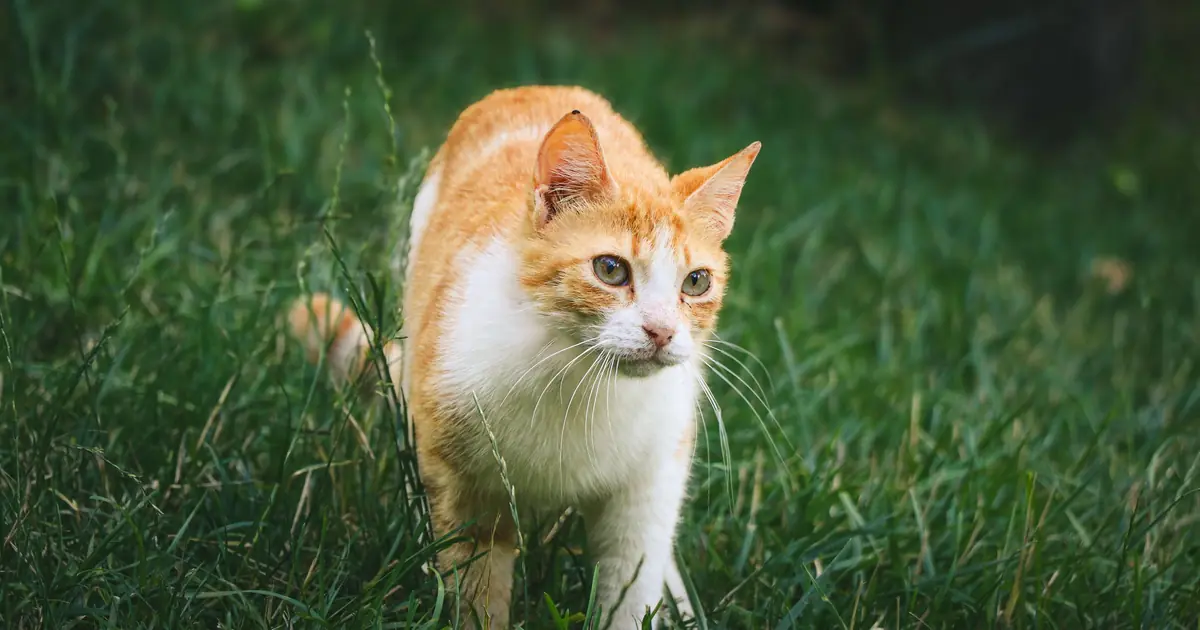
Prominent shoulder blades become a concern when they’re new. If your cat’s blades used to be smooth under a nice layer of muscle and padding, and now they feel sharp and bony, that change almost always means your cat has lost weight, muscle, or both. The bones didn’t grow. The cushion around them shrank.
Watch for red flags alongside the bony feeling: a spine and hips you can suddenly feel too, a dull coat, less muscle over the back legs, and shifts in eating, drinking, energy, or litter box habits. One bony spot with a chunky belly is usually just your cat’s shape. Bones you can feel all over is a weight-and-vet situation. If your cat also seems underweight overall, don’t wait it out.
What causes weight loss and muscle loss in cats?
Unexplained weight loss in cats usually points to a handful of common medical causes. Cats are good at hiding illness, so weight and muscle loss are often the first visible clue that something’s off inside. Here are the ones vets see most:
- Hyperthyroidism. An overactive thyroid gland speeds up metabolism and burns through muscle. The classic pattern is a cat that’s eating a lot, even acting ravenous, but still losing weight. It’s very common in cats over 10.
- Chronic kidney disease. Failing kidneys cause muscle wasting, increased thirst, and weight loss, especially in senior cats. It’s one of the most common conditions in aging cats.
- Diabetes. When the body can’t use sugar for fuel, it breaks down fat and muscle instead. You may notice more drinking, more peeing, and a shrinking frame.
- Dental pain. A sore mouth, a cracked tooth, or gum disease can make eating hurt, so your cat eats less and slowly drops weight.
- Intestinal disease and parasites. Inflammatory bowel disease, worms, and other gut problems keep your cat from absorbing nutrients properly.
- Age-related muscle loss. Older cats naturally lose some muscle over time, a process called sarcopenia. Senior bodies build and hold muscle less efficiently, which is why the right senior cat food and protein matter so much.
Cancer and heart disease can also cause weight loss, though they’re less common. The takeaway: a cat losing weight isn’t a diagnosis you can guess from the couch. Bloodwork, a urine test, and a physical exam are how vets tell these apart. PetMD’s nutrition guides are a good read while you book that appointment.
A quick note on appetite. The direction of your cat’s appetite is a big clue. Eating like a champ but still shrinking leans toward hyperthyroidism or diabetes. Barely touching the bowl and wasting away leans toward dental pain, kidney disease, or a gut problem. If your cat is always hungry but losing weight, tell your vet specifically.
How do I do a quick body condition check at home?
A body condition check tells you whether the shoulder blades are the whole story or part of a bigger thinness. It takes about a minute, and you’re feeling, not just looking, since fur hides a lot. Run through these spots:
- Ribs. Run your hands along your cat’s sides. You should feel the ribs with a light layer of padding, like knuckles through a thin glove. Sharp and bare is too thin.
- Spine. Stroke down the back. The spine should be there but not jutting up like a row of beads.
- Hips and shoulder blades. Check whether the hips and shoulder blades feel sharp. Bony hips plus bony shoulders points to overall weight loss, not just one lean spot.
- Waist and belly. Look down from above. A healthy cat has a slight tuck behind the ribs, not a caved-in hourglass.
Weigh your cat too, if you can. Step on a scale holding your cat, then subtract your own weight. On a 9 or 10 pound cat, even half a pound is roughly 5% of body weight, so it matters. A solid, balanced everyday cat food is the foundation for holding healthy weight and muscle.
Normal shoulder blades vs. concerning shoulder blades
Here’s a side-by-side to help you tell the two apart at a glance.
| Normal (usually fine) | Concerning (see your vet) |
|---|---|
| Blades gently move up and down as your cat walks | Blades feel newly sharp, hard, or bony |
| Your cat has always looked this lean | The boniness is a recent change |
| Ribs, spine, and hips still have some padding | Ribs, spine, and hips also feel sharp |
| Steady weight, good appetite, normal energy | Weight dropping, appetite or thirst changing |
| Shiny coat, playful, alert | Dull coat, hiding, low energy, or vomiting |
When should I take my cat to the vet?
Call your vet if your cat’s shoulder blades have recently become prominent, especially with any other change. Newly bony shoulder blades usually mean weight or muscle loss, which in cats can signal hyperthyroidism, kidney disease, diabetes, dental pain, or age-related muscle loss. These are all far more treatable when caught early, so an exam is never an overreaction.
Book a visit soon if you notice weight loss, a bony spine or hips, a dull coat, or muscle thinning over the back legs. Go sooner, and treat it as urgent, if your cat also shows a big change in appetite or thirst, is vomiting or having diarrhea, is very tired or hiding, or has stopped eating for more than a day. Your vet will likely run bloodwork, a urine test, and a thyroid check to find the cause. The Cornell Feline Health Center is a trustworthy resource for understanding these conditions.
This article is educational and isn’t a substitute for veterinary care. If you’re worried about your cat’s weight or health, please see a licensed veterinarian, who can examine your cat and run the right tests.
Frequently asked questions
Q: Is it normal to feel my cat’s shoulder blades when I pet them?
Yes, it’s often normal to feel your cat’s shoulder blades. The scapulae sit close to the surface and are held by muscle, so a bit of movement and shape under your hand is expected, especially in lean or short-haired cats. Concern kicks in only when the blades feel newly sharp or bony alongside overall thinness.
Q: Why did my cat’s shoulder blades suddenly become more prominent?
Shoulder blades that suddenly stick out usually mean your cat has lost weight or muscle recently. The bones didn’t change; the padding and muscle around them shrank. Common reasons include hyperthyroidism, kidney disease, diabetes, dental pain, and aging, so a vet exam and bloodwork are the right next step.
Q: Can an older cat have prominent shoulder blades just from age?
Yes. Senior cats naturally lose some muscle over time, a process called sarcopenia, which can make the shoulder blades and spine feel more prominent. Don’t assume it’s just age, though, since kidney disease and hyperthyroidism are common in older cats and look similar. A vet check rules out treatable causes.
Q: My cat is eating a lot but still looks bony. What’s going on?
A cat that eats well, even ravenously, but keeps losing weight is a classic sign of hyperthyroidism, and sometimes diabetes. Both conditions burn through the body’s fat and muscle despite a good appetite. This pattern needs a vet visit and bloodwork, including a thyroid test, fairly soon.
Q: How can I tell if my cat is just lean or actually underweight?
Do a quick body-condition check. In a healthy lean cat, you can feel the ribs with a light layer of padding and see a slight waist. In an underweight cat, the ribs, spine, and hips all feel sharp with little cushion. If the bones feel bare all over, your cat is likely underweight and should see a vet.
Q: Should I just feed my cat more to fix bony shoulder blades?
Not without knowing the cause. If an illness like hyperthyroidism or kidney disease is driving the weight loss, more food won’t fix it, and it can delay proper treatment. Get a diagnosis first. Once your vet identifies the cause, they’ll guide you on the right diet and calorie plan for your cat.
Q: Can stress cause my cat to lose weight and look bony?
Yes, stress can reduce a cat’s appetite and lead to weight loss over time, which can make the shoulder blades more noticeable. But stress is a diagnosis of exclusion. Because medical causes are so common in cats, your vet should rule those out before blaming stress alone.
Q: How quickly should I worry about a cat losing weight?
Any unexplained weight loss deserves attention. On a 9 or 10 pound cat, losing even half a pound is around 5% of body weight and worth a vet call. If weight loss comes with appetite or thirst changes, vomiting, low energy, or not eating for over a day, treat it as urgent.
Newly prominent shoulder blades are your cat’s way of telling you something changed. A little blade movement is normal, but new boniness is a weigh-and-vet situation, and catching the cause early gives your cat the best shot at feeling like themselves again.

Hello and welcome to The Ideal Cat!
We are some passionate cat owners from different professions. We love our cats and have a lot of experience in how to care for our pets. We are incredibly excited to share our knowledge, experience, and research with you. So you can take good care of your loving cat. We will answer most of the common questions about owning cats, taking care of them, etc. If you have any question contact with us. Thanks for visiting! Enjoy the content.
