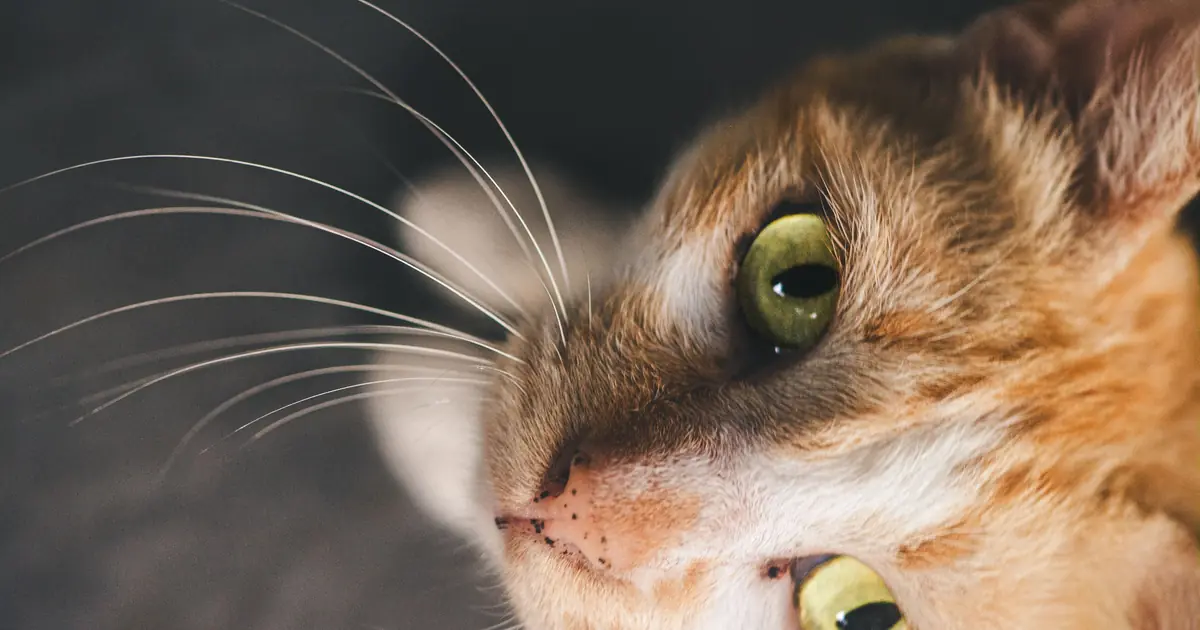
If you’ve ever fallen for a big orange tomcat at your local shelter, you’re not alone. Orange cats have main character energy, and the internet has decided they’re a whole personality type. But here’s the question that trips people up: are they worth more because of that color?
Short answer, not really. The price tag on an orange cat has almost nothing to do with the orange itself. It’s all about what’s underneath that coat: a scrappy shelter tabby, or a pedigreed cat that happens to carry the orange gene. Let’s break down what you’ll actually pay, and why.
- Orange is a coat color, not a cat breed, so “orange cat” pricing depends entirely on the breed underneath the color.
- Shelter and rescue adoption fees for orange cats typically run $10 to $100, often including spay/neuter and vaccines.
- Purebred cats that happen to be orange, like a Maine Coon or Persian, can cost $500 to $2,000 or more from a breeder.
- About 80% of orange cats are male, because the orange color gene sits on the X chromosome.
- Every orange cat is technically a tabby, since the orange gene always shows up with tabby striping or patches.
How Much Do Orange Cats Cost?
Most orange cats cost between $10 and $100 to bring home, since the vast majority of them are mixed-breed tabbies sitting in shelters right now. If you want a purebred cat that carries the orange gene, like an orange Persian or an orange British Shorthair, expect to pay $500 to $2,000 or more, depending on the breed, the breeder, and the cat’s pedigree.
Here’s a quick breakdown of what you’ll typically see:
| Source | Typical Price | Notes |
|---|---|---|
| Animal shelter | $10 to $75 | Fee often covers spay/neuter, first vaccines, and a microchip |
| Rescue organization | $50 to $150 | Similar to shelters, sometimes includes a health check and starter supplies |
| Someone rehoming a cat | $0 to $50 | Rehoming fees vary, ask about vaccine and vet history |
| Purebred breeder (orange color) | $500 to $2,000+ | Price reflects the breed (Maine Coon, Persian, Scottish Fold), not the color itself |
Notice that the color “orange” never shows up as its own line item. That’s on purpose. Nobody charges extra for orange fur, because orange isn’t rare or special on its own.
Why Does the Price Vary So Much?
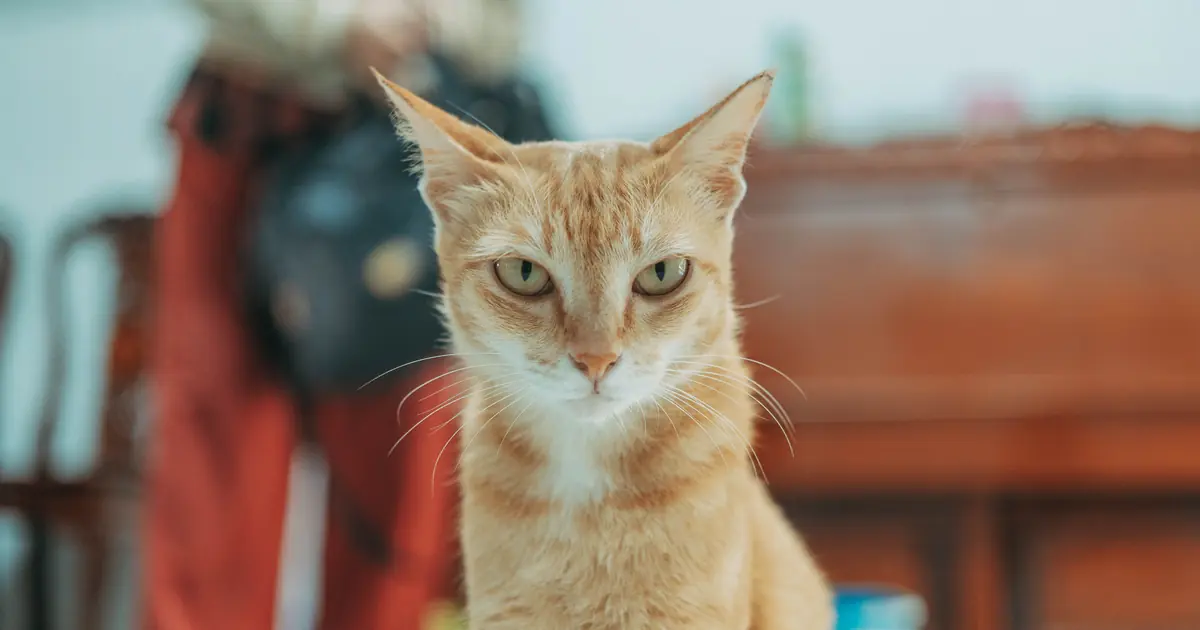
The price swings so wildly because orange is a color pattern, not a breed, and the cost of a cat is set by its breed, not its coat. A random shelter tabby with orange fur and a purebred Maine Coon with orange fur are genetically worlds apart, even though they might look similar from across the room.
Think of it like this: a car’s paint color doesn’t set the price, the make and model does. A white Honda Civic and a white Ferrari cost wildly different amounts, and the white paint has nothing to do with it. Same idea here. If you see an orange tabby cat for $2,000, you’re paying for the breed, the breeder’s reputation, and the pedigree paperwork, not the color.
Breeds where orange (also called red or ginger) shows up include Maine Coons, Persians, British Shorthairs, Scottish Folds, and Abyssinians. Any of these can cost $500 to $2,000 or more from a reputable breeder, orange or not.
Are Orange Cats Rare or Special?
No, orange cats are common, not rare. They just look distinctive because of a genetic quirk that makes them mostly male. The gene responsible for orange fur sits on the X chromosome, and according to International Cat Care, this is why roughly 80% of orange cats are male. A cat needs two copies of the orange gene (one on each X chromosome) to be an orange female, which is a much rarer genetic combination.
Here’s another fact that surprises people: every orange cat is technically a tabby. The orange gene always expresses itself with a tabby pattern underneath, whether that’s classic swirls, mackerel stripes, or a more subtle look. There’s no such thing as a solid orange cat without any tabby markings at all. You can read more about what that pattern actually means in our guide to what a tabby cat is.
So no, you’re not stumbling onto something exotic. You’re stumbling onto one of the most common cat colorings in North America, wearing a coat that happens to photograph beautifully.
Adoption vs. Breeder: Which Costs More?
Adoption almost always costs less than buying from a breeder, often by a factor of ten or more. A shelter adoption fee of $10 to $100 typically bundles in spay or neuter surgery, core vaccines, a microchip, and sometimes a free vet visit voucher. According to the ASPCA, shelters price adoption fees well below the actual cost of that care, since the goal is finding cats homes, not making a profit.
Breeder prices ($500 to $2,000+) reflect months of pedigree tracking, health testing on the parents, and raising kittens to a safe adoption age, usually 12 weeks or older. You’re paying for a specific, predictable breed with known traits, not for the orange color riding along with it.
If your heart is set on a specific purebred cat, a breeder makes sense. If you just want a friendly orange cat to love, a shelter is the faster, cheaper, and honestly more responsible route. Shelters and rescues are full of orange tabbies waiting for homes, so you’re not settling by adopting, you’re winning.
What One-Time Costs Should You Budget For?
Beyond the adoption or purchase fee, plan for several one-time costs when you bring an orange cat home. These usually add up to $200 to $600 on top of whatever you paid for the cat itself, and they’re the same regardless of coat color:
- Spay or neuter surgery: $50 to $300 if not already included in your adoption fee.
- Initial vaccines: $50 to $150 for the core kitten or booster series.
- Microchipping: $25 to $50, often bundled with a shelter adoption.
- Starter supplies: $100 to $250 for a litter box, scratching post, carrier, bed, and food and water bowls.
- First vet exam: $50 to $100 for a wellness check and parasite screening.
The American Veterinary Medical Association notes that spay and neuter costs vary a lot by region and clinic, so it’s worth calling around or asking about low-cost clinics in your area.
What Are the Ongoing Monthly Costs?
Owning any cat, orange or otherwise, runs most owners $50 to $100 a month once you factor in food, litter, and routine vet care. That number climbs if your cat needs a special diet, has a chronic condition, or you spring for premium litter and toys. Orange fur doesn’t shed differently or need special grooming, so you won’t pay a color tax here either.
For a full monthly breakdown, including food, litter, insurance, and vet visits, our guide on how much a cat costs per month walks through every line item.
Why You Shouldn’t Overpay for an Orange Cat
You shouldn’t pay a premium for a cat just because it’s orange, because orange is a common, naturally occurring color, not a rare or valuable trait. If you see someone selling a “rare orange cat” for hundreds of dollars with no pedigree, breed history, or health testing behind it, that’s a red flag, not a bargain.
Shelters across the country are full of orange tabbies right now, and adoption fees exist specifically to make that easy and affordable. Save the bigger spending for a specific purebred you actually want, and only buy from a breeder who health tests, provides records, and lets you meet the kittens in person.
And honestly? Some of the best orange cats we’ve heard about came from a $20 shelter fee and a lucky Saturday visit. If you want inspiration for what to call your new orange friend, check out our list of orange cat names once you bring one home.
A quick educational note: This guide covers typical costs and general information, not a guarantee of what you’ll pay locally. Prices vary by region, shelter, and breeder, so always confirm fees directly and ask a licensed veterinarian about any health questions specific to your cat.
Frequently Asked Questions
Q: How much does an orange kitten cost?
An orange kitten from a shelter or rescue typically costs $10 to $100, while an orange kitten from a purebred breeder can run $500 to $2,000 or more, depending on the breed.
Q: Are orange cats more expensive than other colors?
No. Orange cats cost the same as any other coat color once you account for breed. A mixed-breed orange tabby and a mixed-breed black cat both typically cost $10 to $100 from a shelter, since color has no effect on price for non-pedigreed cats.
Q: Is it true that most orange cats are male?
Yes. About 80% of orange cats are male because the orange color gene is carried on the X chromosome, and a cat only needs one copy to show the color if it’s male. Female orange cats need two copies, which is far less common.
Q: Are all orange cats tabbies?
Yes. The orange gene always produces a tabby pattern underneath, whether it’s bold stripes, swirls, or spots. There’s no genetic version of a solid orange cat without tabby markings.
Q: Is a Maine Coon more expensive if it’s orange?
No. An orange Maine Coon costs the same as a Maine Coon in any other color, typically $1,000 to $2,000 or more from a reputable breeder. The price reflects the breed and pedigree, not the coat color.
Q: What’s the cheapest way to get an orange cat?
Adopting from a local animal shelter or rescue is the cheapest route, usually $10 to $100, and orange tabbies are one of the most commonly available colors in shelters nationwide.
Q: Do orange cats need any special care that adds to the cost?
No. Orange fur doesn’t require special grooming, diet, or medical care compared to other coat colors, so day-to-day costs stay the same as for any other cat of the same breed and size.
Q: Why do some people think orange cats are rare or special?
Orange cats stand out visually and have become popular online, which creates a perception of rarity, but they’re actually a common and widespread coloring, especially in male mixed-breed cats.

Hello and welcome to The Ideal Cat!
We are some passionate cat owners from different professions. We love our cats and have a lot of experience in how to care for our pets. We are incredibly excited to share our knowledge, experience, and research with you. So you can take good care of your loving cat. We will answer most of the common questions about owning cats, taking care of them, etc. If you have any question contact with us. Thanks for visiting! Enjoy the content.
