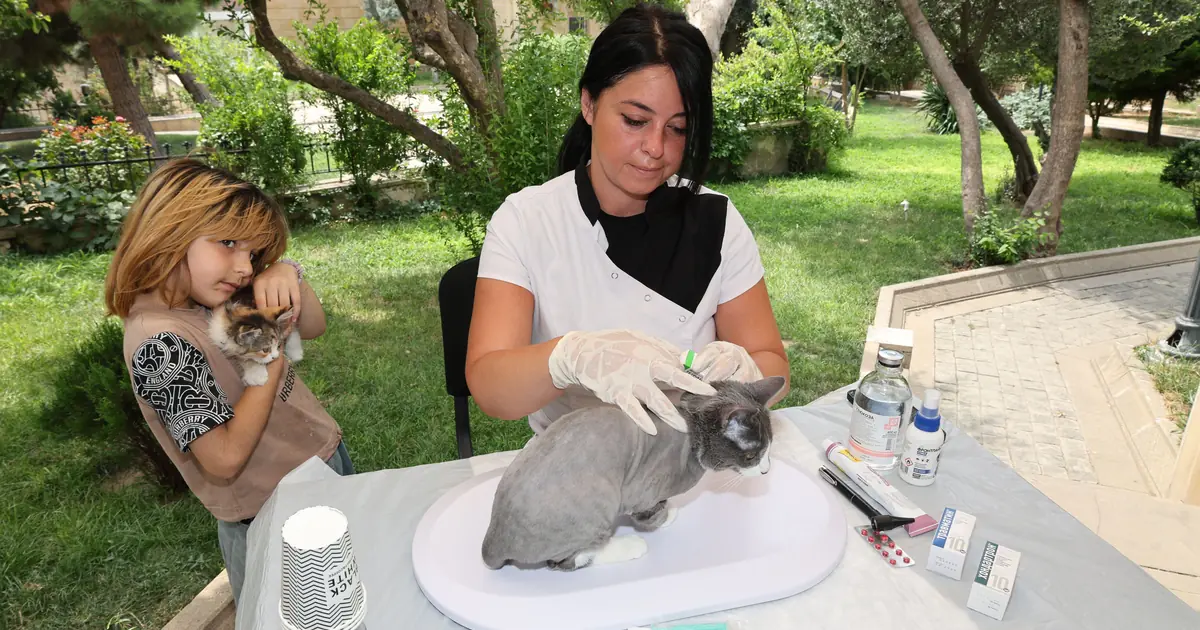
Maybe you’re reading this after another bite that broke skin. Maybe your cat cornered you in the hallway, or you’re afraid to reach into the litter box, and a quiet, awful question has started circling in your head. You love this cat. And you’re wondering if a vet will put down an aggressive cat, because you feel like you’re out of options. Please take a breath. You are not a bad cat parent for asking.
Here’s the honest truth. A vet almost never euthanizes a healthy cat just for being aggressive, and certainly not on the first visit. Aggression is a symptom, not a character flaw, and it usually has a cause you can find and treat. Let’s walk through what actually happens, what to try first, and the rare situations where this heartbreaking decision gets discussed.
- A vet will not euthanize a physically healthy cat for aggression as a first response; it is a rare last resort, not a starting point.
- Pain and illness such as arthritis, dental disease, or hyperthyroidism can trigger sudden aggression, so a full medical workup comes first.
- Most feline aggression improves with the right diagnosis, environmental changes, behavior work, and sometimes anti-anxiety medication.
- Behavioral euthanasia is generally reserved for cats posing a serious, unmanageable danger after treatment, a behaviorist, and rehoming have all failed.
- The decision is deeply personal and always made together with your veterinarian, never rushed and never alone.
Will a vet actually put down an aggressive cat?
A vet will not put down an aggressive cat simply because it bites or scratches. Euthanasia for behavior is treated as a rare last resort, reached only after real efforts to find and fix the cause have failed. Many vets feel genuine reluctance about ending the life of a physically healthy animal for behavior alone, and they will push for treatment first.
Vets don’t all agree on exactly when it becomes appropriate, either. Some will help; some will refer you to a behavior specialist or an in-home euthanasia service if it ever reaches that point. What almost every vet shares is this instinct: rule out medical causes, try to help the cat, and only consider euthanasia when a cat is a serious, ongoing danger that cannot be safely managed. So if you walked in today asking, the answer would very likely be, “Let’s figure out why this is happening first.”
Why is aggression a symptom and not a character flaw?
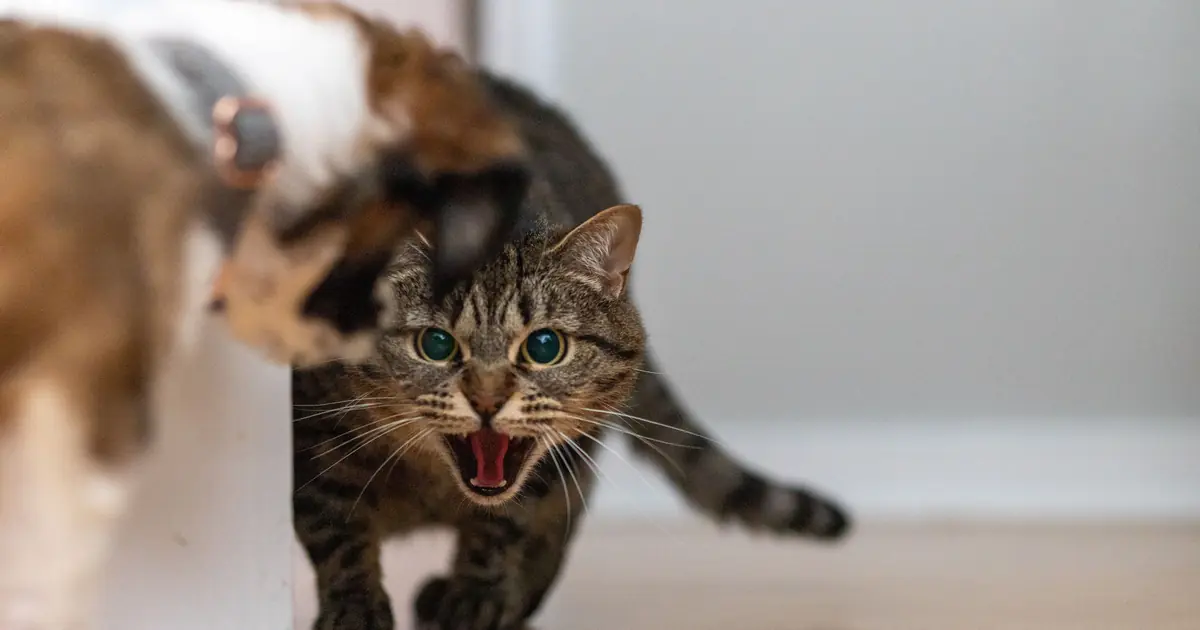
Aggression in cats is a signal, not a personality defect. A cat that suddenly lashes out is almost always telling you something is wrong, whether that’s pain, fear, stress, or a change in their world. Cats are not “mean.” They react to how they feel and what they’ve learned, and both of those can change with the right help.
This matters because it reframes the whole problem. You’re not stuck with a “bad cat.” You have a cat with an unmet need or an untreated cause. Finding that cause is where hope lives. If your cat’s behavior shifted recently, our guide on finding the cause of sudden aggression is a good next read, and the ASPCA’s overview of common cat behavior issues explains how different triggers show up.
Could a medical problem be causing my cat’s aggression?
Yes, and this is the first thing a good vet will check. Pain and illness are among the most common reasons a gentle cat suddenly turns aggressive. A cat can’t tell you their tooth aches or their hips hurt, so they warn you the only way they can: with a hiss, a swat, or a bite when touched near the sore spot.
Common medical triggers include arthritis (an older cat that snaps when picked up), dental disease (biting when touched near the face), and hyperthyroidism, an overactive thyroid that causes irritability and restlessness in cats over about eight. Other culprits include infections, abscesses, high blood pressure, neurological issues, and age-related cognitive decline. The encouraging part: treating the underlying condition often calms the aggression right down. The Cornell Feline Health Center is a trusted resource on how feline health conditions drive behavior.
What should you try before ever considering euthanasia?
Before euthanasia is even on the table, there’s a clear path to work through, and most cats improve somewhere along it. Think of it as a ladder you climb one rung at a time, with your vet.
- Get a full veterinary workup. Ask specifically to rule out pain and illness: a hands-on exam, bloodwork, a thyroid check, and a dental look. This is step one, always.
- Identify the type of trigger. Fear, redirected aggression, petting overload, territory, or play gone rough all need different fixes. Learning to read the signs of stress in cats helps you spot the warning signals before things escalate.
- Change the environment. Add vertical space, separate resources for multiple cats, more litter boxes, hiding spots, and predictable routines. Small changes remove a lot of daily friction.
- Add calming support. Feline pheromone products can lower background tension. Our take on calming pheromone diffusers covers how they work and where they help.
- Work with a professional. A certified veterinary behaviorist can build a behavior modification plan, and it’s often the turning point. For fear-driven cases, start with gentle ways to calm a scared cat.
- Consider medication. When anxiety runs high, your vet may prescribe anti-anxiety medication alongside behavior work. Never medicate a cat without veterinary guidance.
- Explore rehoming to a suitable home. Some cats thrive as an only cat, in a calm adult-only household, or with more space. A better-fit environment can resolve what looked unfixable.
Most cats never need to go past the first few rungs. International Cat Care’s behavior advice is a gentle, practical library to lean on as you go.
What’s the difference between causes of aggression and what to try first?
Different kinds of aggression call for different first moves. Matching the response to the cause is what makes progress feel possible instead of overwhelming. Here’s a quick map.
| Type or cause of aggression | What to try first |
|---|---|
| Pain or illness (arthritis, dental, thyroid) | Full vet workup and treat the condition; pain relief as prescribed |
| Fear-based aggression | Give space, avoid cornering, calm handling, pheromone support |
| Redirected aggression (triggered by an outside cat or noise) | Remove the trigger, separate cats, let the cat cool down for hours |
| Petting-induced or overstimulation | Learn the warning signs, shorten sessions, stop before the tail flicks |
| Territorial or between-cats conflict | Separate resources, add vertical space, slow reintroduction |
| Play aggression | Daily wand-toy play, never use hands as toys, redirect to prey toys |
When is behavioral euthanasia genuinely considered?
Behavioral euthanasia is genuinely considered only in rare cases where a cat poses a serious, unmanageable danger and every reasonable option has already failed. That means a full medical workup found no treatable cause, a behaviorist’s plan didn’t create safe change, medication didn’t help enough, and rehoming to a more suitable environment isn’t possible or safe. It is the end of a long road, not a shortcut.
Even then, “serious danger” has real weight. Think repeated, unprovoked attacks causing injury, a genuine risk to vulnerable people in the home, and a quality of life so ruled by fear or distress that the cat is suffering too. This is an agonizing, deeply personal decision, and it belongs in a calm conversation with a vet who knows your cat and your situation. You should never carry it alone, and you should never rush it. If it ever reaches this point, understanding the humane at-home euthanasia process can help you prepare gently.
One more thing, because you need to hear it: choosing this after truly trying everything is not failure or cruelty. It can be a last act of love for a cat who is suffering and a household that isn’t safe. And it is far, far down the list of what usually happens.
This article is educational and isn’t a substitute for veterinary care. Aggression can have medical causes, so please have your cat examined by a licensed veterinarian, and seek help right away if anyone in your home has been seriously injured.
Frequently asked questions
Q: Will a vet put down a healthy cat just because it’s aggressive?
No. A vet will not euthanize a physically healthy cat for aggression as a first step. Most vets treat behavioral euthanasia as a rare last resort and will first want a medical workup, behavior help, and often a referral to a specialist before it’s ever discussed.
Q: Is cat aggression treatable?
Yes, feline aggression is very often treatable once the cause is found. Many cases improve with treatment of an underlying medical issue, environmental changes, behavior modification, and sometimes anti-anxiety medication prescribed by a vet.
Q: Can pain make a cat aggressive?
Yes. Pain is one of the most common medical reasons for sudden aggression in cats. Conditions like arthritis, dental disease, infections, and hyperthyroidism can make a normally gentle cat hiss, swat, or bite when touched or approached.
Q: What kind of professional helps with an aggressive cat?
Start with your primary veterinarian to rule out medical causes, then ask for a referral to a board-certified veterinary behaviorist. These specialists build tailored behavior modification plans and can guide medication decisions when anxiety is severe.
Q: Should I rehome my aggressive cat instead of euthanizing?
Rehoming to a more suitable environment is a real option worth exploring before euthanasia. Some cats do much better as an only cat, in a calm adult-only home, or with more space. Be honest with any new owner about the cat’s history so the placement is safe.
Q: When is behavioral euthanasia for a cat actually appropriate?
Behavioral euthanasia is generally considered only when a cat poses a serious, unmanageable danger and a medical workup, behaviorist plan, medication, and rehoming have all failed. It is a rare last resort and a deeply personal decision made together with your veterinarian.
Q: Does my vet have to agree that euthanasia is the right choice?
Vets don’t all draw the line in the same place, so opinions can differ. If you feel behavioral euthanasia may be relevant, ask whether your primary vet is willing to help or can refer you to another veterinarian, including an in-home euthanasia service.
Q: I feel guilty even thinking about this. Am I a bad owner?
No. Wondering about your options when you’re scared and exhausted doesn’t make you a bad cat parent. It means you’re trying to do right by your cat and your family. Reach out to your vet for support; you don’t have to figure this out alone.

Hello and welcome to The Ideal Cat!
We are some passionate cat owners from different professions. We love our cats and have a lot of experience in how to care for our pets. We are incredibly excited to share our knowledge, experience, and research with you. So you can take good care of your loving cat. We will answer most of the common questions about owning cats, taking care of them, etc. If you have any question contact with us. Thanks for visiting! Enjoy the content.
