
Bringing your cat home after surgery or a dental, still wobbly and dazed, can be unnerving. Anesthesia grogginess is normal and temporary, but knowing the timeline helps you care for your cat and spot any problem.
Here’s how long anesthesia takes to wear off in cats and how to help recovery.
- Cats are usually groggy for 12 to 24 hours after anesthesia, and normal within 24 to 48 hours.
- Wobbliness, sleepiness, and a reduced appetite the first day are normal.
- Keep your cat calm, warm, confined, and away from heights, stairs, and other pets.
- Offer a small amount of water and food once fully alert, per your vet’s instructions.
- Call your vet if grogginess, not eating, or vomiting persists beyond about 48 hours.
How long does anesthesia take to wear off in cats?
Most cats are noticeably groggy for the first 12 to 24 hours after anesthesia and return to their normal selves within about 24 to 48 hours. The initial hours after coming home are usually the wobbliest, sleepy, unsteady, and a bit disoriented, as the drugs clear the system. By the next day most cats are much brighter, and within a day or two they’re back to normal. Exact timing depends on the cat’s age, health, the procedure, and the specific anesthetic used, so follow your vet’s guidance for your cat.
What’s normal right after anesthesia?
Some grogginess and odd behavior in the first day is completely normal. Expect things like:
- Sleepiness and low energy, lots of resting.
- Wobbliness or unsteadiness on the feet.
- Reduced appetite for the first meal or two.
- Mild disorientation or seeming “out of it.”
- Dilated pupils or a hoarse meow (from the breathing tube) briefly.
These effects fade as the anesthesia wears off. If your cat also had surgery, follow post-op wound care too, like keeping it from licking the incision, covered in recovery after neutering.
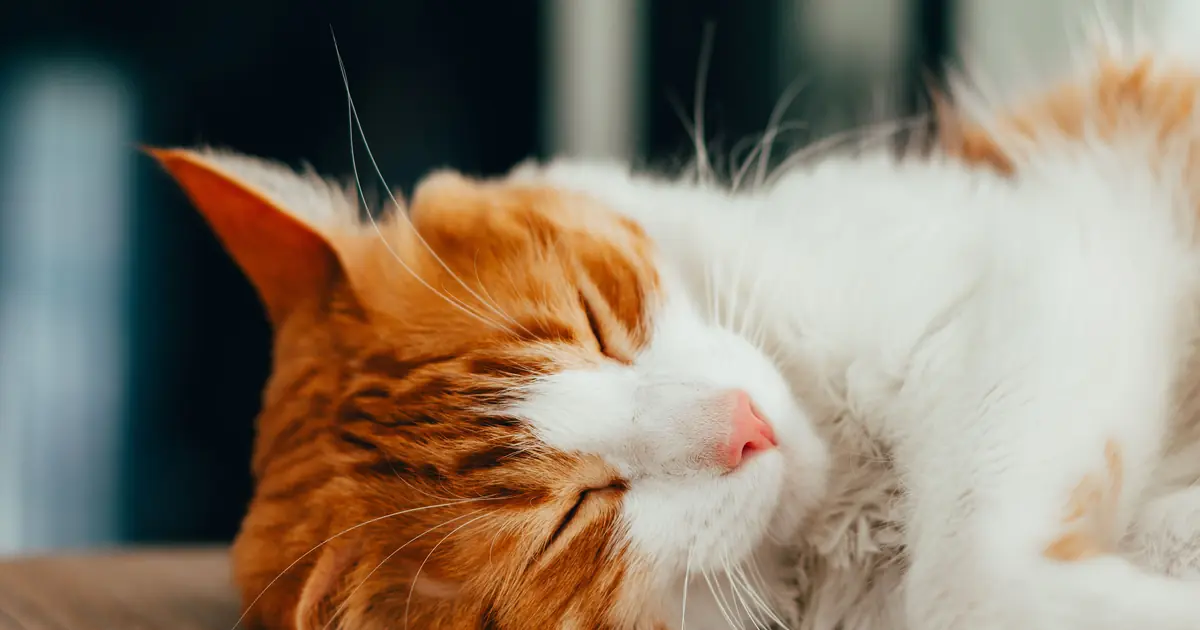
How do you care for a cat after anesthesia?
Care for a recovering cat by keeping it calm, warm, confined, and safe while the anesthesia clears. Set up a quiet, comfortable room away from other pets and children, and prevent jumping or climbing, since a wobbly cat can fall, so no high perches, stairs, or furniture leaps for a day. Keep your cat warm (anesthesia lowers body temperature), and offer a small amount of water and food only once it’s fully alert, following your vet’s feeding instructions. Let it rest and don’t force interaction. Monitor the surgical site if there is one, and give any prescribed medication exactly as directed, never human painkillers, which are toxic to cats.
Recovery timeline at a glance
Here’s the typical progression.
| Time after anesthesia | What to expect |
|---|---|
| 0 to 12 hours | Groggy, wobbly, sleepy, disoriented |
| 12 to 24 hours | Steadier, more alert, may eat a little |
| 24 to 48 hours | Largely back to normal energy and appetite |
| Beyond 48 hours | Should be normal, call the vet if still off |
When should you call the vet?
Call your vet if grogginess, appetite loss, or other issues last beyond about 48 hours, or if you see worrying signs sooner. Red flags include prolonged severe lethargy or unresponsiveness, not eating or drinking for more than a day, repeated vomiting, difficulty breathing, pale gums, a swollen or bleeding surgical site, or signs of pain. These warrant prompt veterinary attention. This article is educational and not a substitute for veterinary care; always follow your clinic’s specific discharge instructions, and don’t hesitate to call with concerns. For appetite worries, see why a cat hides and won’t eat, and for spay/neuter context, peeing after neutering. Trusted anesthesia and recovery guidance comes from the AAHA and VCA.
Frequently Asked Questions
Q: How long does anesthesia take to wear off in cats?
Cats are usually groggy for 12 to 24 hours and fully back to normal within 24 to 48 hours. The first hours home are the wobbliest as the drugs clear. Timing varies with age, health, the procedure, and the anesthetic used.
Q: Is it normal for my cat to be wobbly after anesthesia?
Yes. Wobbliness, sleepiness, and mild disorientation are normal in the first 12 to 24 hours as anesthesia wears off. Keep your cat confined and away from heights and stairs so it can’t fall while unsteady.
Q: Should my cat eat right after anesthesia?
Offer only a small amount of water and food once your cat is fully alert, and follow your vet’s instructions. A reduced appetite for the first meal or two is normal. If your cat won’t eat after a day, call your vet.
Q: How do I care for my cat after surgery and anesthesia?
Keep it calm, warm, confined, and away from other pets, and prevent jumping or climbing for a day. Offer water and food when fully alert, monitor any surgical site, and give prescribed medication as directed, never human painkillers.
Q: When should I worry after my cat’s anesthesia?
Call your vet if grogginess or not eating lasts beyond about 48 hours, or sooner for severe lethargy, unresponsiveness, repeated vomiting, breathing trouble, pale gums, or a swollen or bleeding surgical site. These need prompt attention.
Q: Why is my cat’s meow hoarse after anesthesia?
A temporarily hoarse or quiet meow can result from the breathing tube used during anesthesia. It’s usually mild and resolves within a day or two. If it persists or your cat seems to struggle breathing, contact your vet.

Hello and welcome to The Ideal Cat!
We are some passionate cat owners from different professions. We love our cats and have a lot of experience in how to care for our pets. We are incredibly excited to share our knowledge, experience, and research with you. So you can take good care of your loving cat. We will answer most of the common questions about owning cats, taking care of them, etc. If you have any question contact with us. Thanks for visiting! Enjoy the content.
