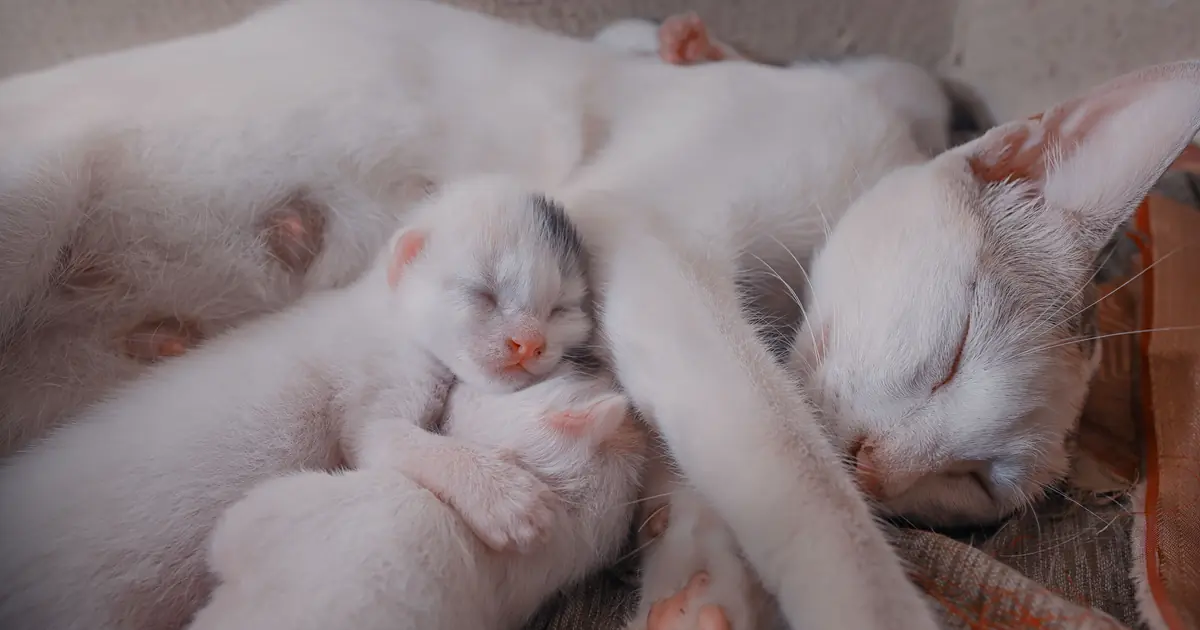
Your cat had kittens and now you can barely find them, she’s tucked them away like tiny treasure. Don’t worry, this secretive behavior is exactly what a good mother cat is supposed to do.
Here’s why mother cats hide their kittens and how to support her without interfering.
- Mother cats hide their kittens to protect them from predators and perceived threats.
- She picks quiet, dark, concealed nesting spots and keeps them out of sight.
- Moving kittens between hiding places is normal, especially if she feels disturbed.
- Give a nursing mom a private, low-traffic space and limit handling of newborns.
- Excessive moving, or a mom ignoring or abandoning kittens, warrants a vet check.
Do cats hide their kittens?
Yes, mother cats routinely hide their kittens as a protective instinct. Newborn kittens are completely helpless, blind, deaf, and unable to move well, so the mother conceals them in quiet, hidden spots to shield them from predators and danger. She keeps the nest out of the open and may tuck kittens into closets, under furniture, or in secluded corners. This hiding behavior is normal and healthy; it’s how a mother cat protects her vulnerable litter during their most fragile early weeks.
Why do mother cats hide their kittens?
Mother cats hide their kittens because, in the wild, exposed kittens are easy targets for predators. Concealing the litter in a safe, sheltered nest improves the kittens’ chances of survival, so the instinct runs deep even in safe indoor homes. A quiet, hidden spot also keeps the kittens warm and reduces stress for the mom. This same protective drive is why she’s picky about the nest location and why she reacts strongly if she senses a threat, closely related to why mother cats move their kittens.
Why does my cat keep moving her kittens?
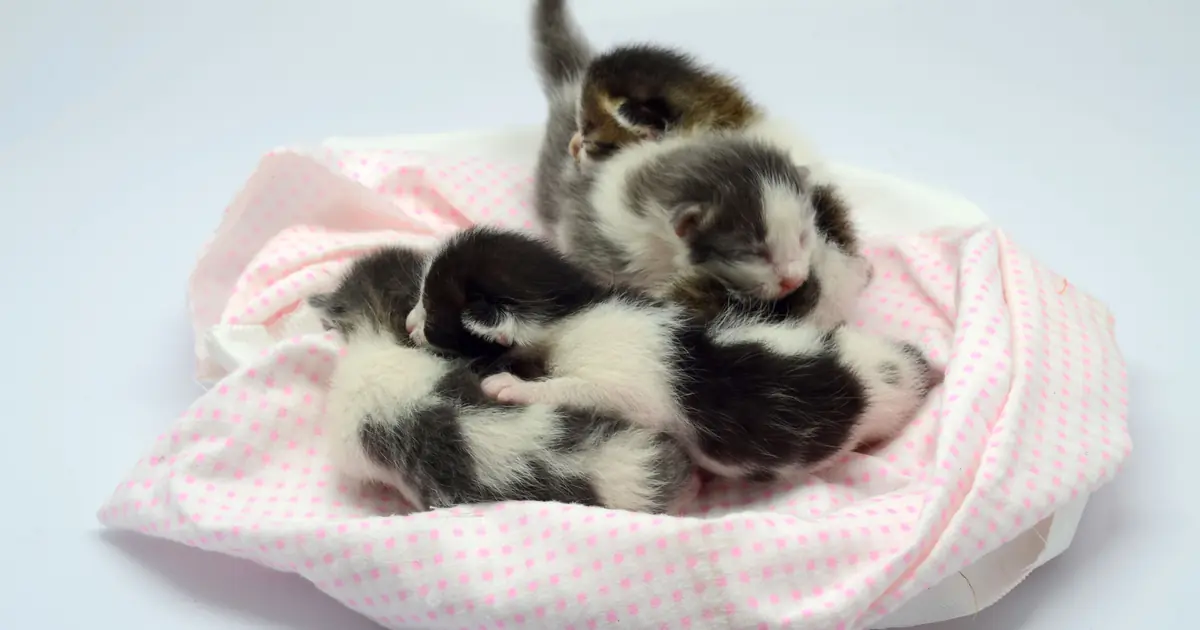
A mother cat moves her kittens to a new hiding spot when she feels the current one is unsafe, too exposed, too busy, or disturbed. Common triggers include too much human traffic or handling, noise, another pet nearby, or the nest getting soiled. Moving is normal and shows she’s actively protecting her litter, but frequent moving can signal she’s stressed or unhappy with the environment. Reducing disturbances and giving her privacy usually settles her. She carries kittens gently by the scruff, which triggers them to go limp for safe transport.
How should you support a mother cat and her hidden kittens?
Support a nursing mom by giving her a safe, quiet, private space and minimal interference. Key steps:
- Provide a warm, secluded nesting area away from foot traffic and other pets.
- Keep noise, visitors, and disturbances low.
- Limit handling of newborns, especially in the first weeks, so mom stays calm.
- Place food, water, and a litter box nearby so she doesn’t leave them long.
- Let her choose the spot when possible, rather than forcing a location.
If you must check on the kittens, understand the cautions around touching newborn kittens.
Normal hiding vs a warning sign
Here’s how to tell protective instinct from a problem.
| Normal, healthy | Worth a vet check |
|---|---|
| Hiding kittens in a quiet, safe spot | Constantly moving kittens, seeming frantic |
| Occasional moving if disturbed | Ignoring, abandoning, or rejecting kittens |
| Nursing, grooming, and returning to the nest | Kittens crying constantly or not nursing |
| Calm, attentive mother | Mom seems ill, weak, or in pain |
When should you worry?
Worry, and call your vet, if a mother cat constantly moves her kittens and seems frantic, ignores or abandons them, or if the kittens cry nonstop or aren’t nursing. Also seek help if the mother appears ill, weak, or in pain, or if a kitten looks cold, limp, or fails to thrive, newborn kittens can decline very quickly. Around intact males, keep the family separate, since some toms can pose a risk, covered in will male cats kill kittens. This article is educational and not a substitute for veterinary care. For newborn and queen guidance, the International Cat Care and ASPCA resources are reliable.
Frequently Asked Questions
Q: Why do mother cats hide their kittens?
To protect them from predators and threats. Newborn kittens are helpless, so the mother conceals them in quiet, sheltered spots to keep them safe and warm. It’s a normal, healthy protective instinct, even in safe indoor homes.
Q: Is it normal for a cat to move her kittens?
Yes. Mother cats move kittens to a safer or cleaner spot when they feel the current nest is exposed, disturbed, or unsafe. Occasional moving is normal protective behavior; frequent, frantic moving can signal stress or an unsuitable environment.
Q: Where do cats usually hide their kittens?
In quiet, dark, concealed spots: closets, under beds or furniture, behind appliances, or in secluded corners and boxes. Mother cats choose low-traffic, sheltered locations that feel safe and warm and keep the litter out of sight.
Q: Should I move or handle newborn kittens?
Limit handling in the first weeks so the mother stays calm and doesn’t feel the need to relocate them. Let her choose the nest, keep disturbances low, and check kittens only briefly if needed. Excessive handling can stress mom.
Q: Why can’t I find my cat’s kittens?
Because she’s hidden them well, an instinct to protect them. She likely chose a concealed, quiet spot and may move them if disturbed. Give her privacy; forcing her out of hiding can stress her and prompt more moving.
Q: When should I worry about a mother cat and her kittens?
See a vet if she constantly moves them frantically, ignores or abandons them, or if kittens cry nonstop, aren’t nursing, or look cold or limp. Also seek help if the mother seems ill or weak, newborns can decline fast.

Hello and welcome to The Ideal Cat!
We are some passionate cat owners from different professions. We love our cats and have a lot of experience in how to care for our pets. We are incredibly excited to share our knowledge, experience, and research with you. So you can take good care of your loving cat. We will answer most of the common questions about owning cats, taking care of them, etc. If you have any question contact with us. Thanks for visiting! Enjoy the content.
