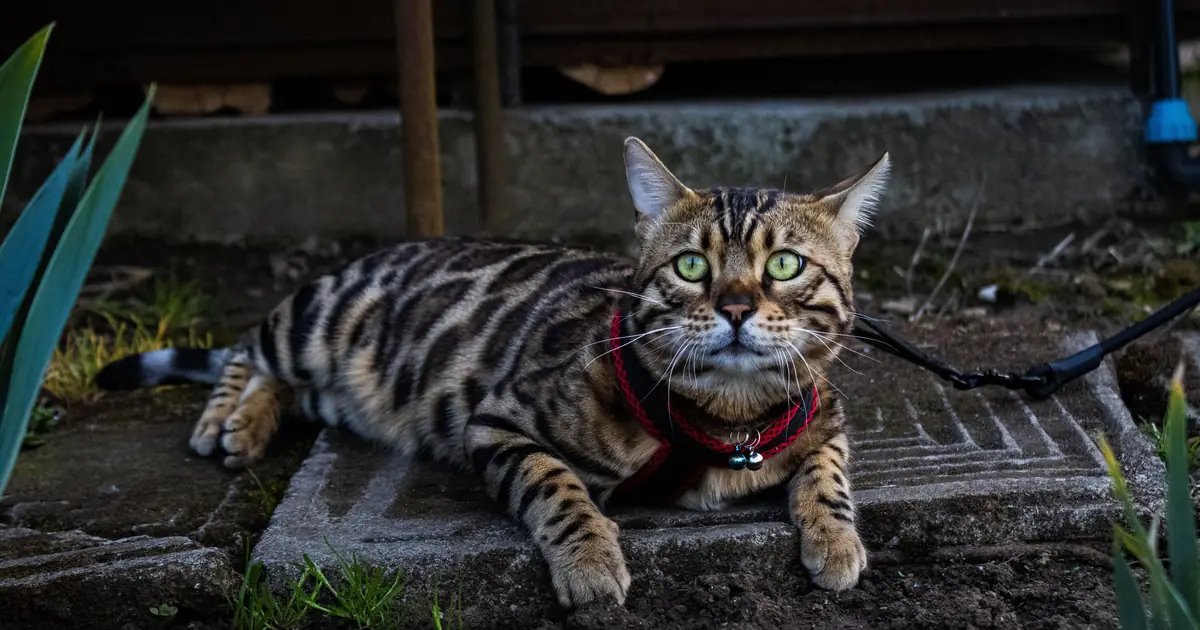
Bengals are basically the border collies of the cat world, brainy, busy, and eager for a challenge. That makes them a joy to train, and honestly, they kind of need it to stay out of trouble.
Here’s why Bengals train so well and how to do it.
- Bengals are one of the easiest, most trainable cat breeds, thanks to high intelligence and energy.
- They’re food-motivated and eager, learning tricks, commands, leash walking, and fetch.
- Use positive, reward-based training in short, fun sessions, never punishment.
- Training channels a Bengal’s energy and prevents boredom-driven behavior problems.
- Clicker training and puzzle games suit their clever, active minds especially well.
Are Bengal cats easy to train?
Yes, Bengal cats are among the easiest cats to train. Their combination of high intelligence, boundless energy, curiosity, and strong food motivation makes them quick learners that actually enjoy training. Bengals can master tricks, respond to commands, walk on a harness and leash, and play fetch, feats many cats never attempt. Positive, reward-based methods work beautifully. Better still, training isn’t just fun; for a demanding breed like the Bengal, it’s an essential outlet that keeps their sharp minds engaged and out of mischief.
Why are Bengals so trainable?
Bengals train easily because they’re exceptionally smart, active, and motivated. Descended from the wild Asian leopard cat, they have keen problem-solving skills and a strong drive to interact with their environment. They’re also very food-motivated and love mental challenges, which makes reward-based training click for them. Their energy means they crave stimulation, so learning gives them a job to do. This trainability is part of the same intelligence and drive that, if unchanneled, leads to the issues in Bengal cat behavior problems, so training is both fun and preventive.
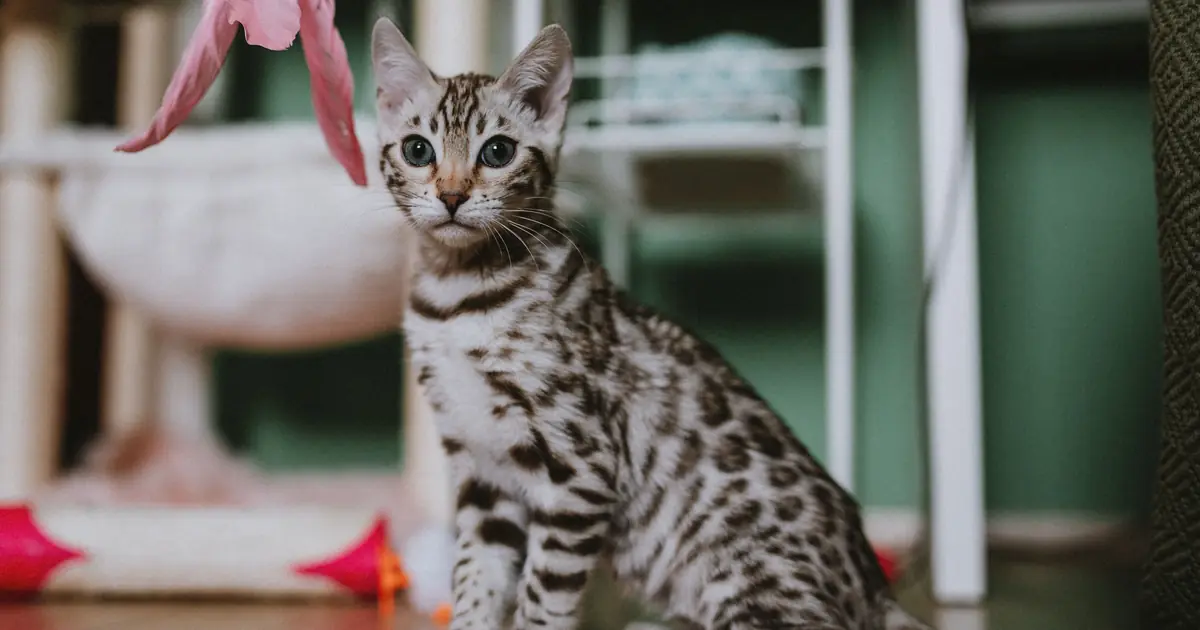
What can you train a Bengal to do?
Bengals can learn an impressive range of skills with patience and rewards. Popular ones:
- Tricks: sit, high-five, spin, and come when called.
- Fetch: many Bengals naturally love retrieving toys.
- Leash walking: harness training for safe outdoor adventures.
- Commands and targeting: clicker and target-stick training.
- Good manners: using scratching posts, staying off counters (with redirection).
Their smarts put Bengals among the brightest cats, in the same league as the breeds in our smartest cat breeds roundup.
How do you train a Bengal cat?
Train a Bengal with short, positive, reward-based sessions and lots of consistency. Use small, tasty treats or play as rewards, keep sessions to a few minutes so your cat stays engaged, and reward the behavior you want the instant it happens (a clicker helps mark it). Break tricks into small steps, end on a success, and never use punishment, which causes fear and sets training back. Practice daily and channel that energy with puzzle feedings and interactive play too. This article is educational; training is enrichment, and combining it with plenty of exercise keeps a Bengal happy and well-behaved. For more on the breed, see our Bengal cat guide, and pair training with water play many enjoy, in do Bengal cats like water. Trusted training guidance comes from the ASPCA and International Cat Care.
Frequently Asked Questions
Q: Are Bengal cats easy to train?
Yes, they’re among the most trainable cats. Bengals are highly intelligent, energetic, and food-motivated, so they quickly learn tricks, commands, leash walking, and fetch with positive, reward-based training and short, fun sessions.
Q: Can you train a Bengal cat to walk on a leash?
Yes. Many Bengals take well to harness and leash training, enjoying safe outdoor exploration. Introduce the harness gradually indoors with treats, then progress to short outings. Their adventurous, active nature makes them great leash-walking candidates.
Q: Do Bengal cats play fetch?
Often, yes. Many Bengals naturally love fetching and will bring toys back to be thrown again. Their high energy and retriever-like enthusiasm make fetch a favorite game, and it’s a great way to burn their considerable energy.
Q: What’s the best way to train a Bengal?
Short, positive, reward-based sessions with treats or play, and consistency. Reward the wanted behavior instantly (clicker training helps), break tricks into steps, and end on a success. Never punish, which causes fear and hinders progress.
Q: Why does my Bengal need training?
Bengals are smart and high-energy, so without mental and physical outlets they get bored and destructive. Training channels that energy, prevents behavior problems, and satisfies their need for challenge, making it both enrichment and good management.
Q: At what age can I start training a Bengal?
You can start as a kitten with simple, gentle, reward-based games, and Bengals of any age can learn. Kittens pick things up fast, but adult Bengals are trainable too. Keep sessions short, positive, and fun at every age.

Hello and welcome to The Ideal Cat!
We are some passionate cat owners from different professions. We love our cats and have a lot of experience in how to care for our pets. We are incredibly excited to share our knowledge, experience, and research with you. So you can take good care of your loving cat. We will answer most of the common questions about owning cats, taking care of them, etc. If you have any question contact with us. Thanks for visiting! Enjoy the content.
