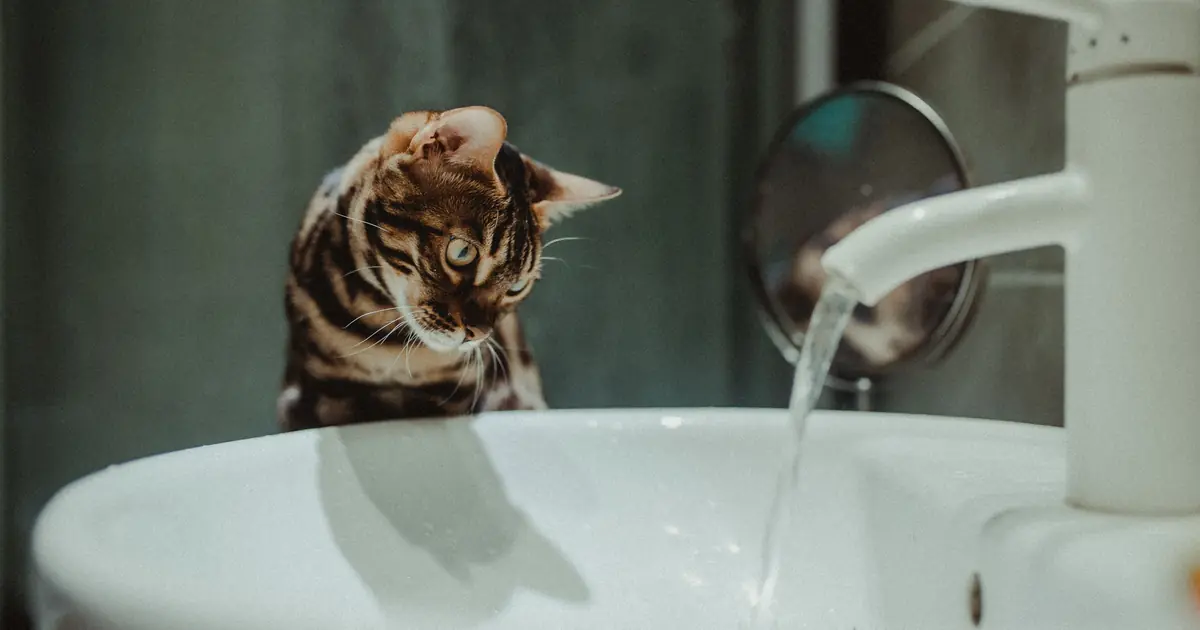
Bengals are gorgeous, brilliant, and full of energy, which is exactly why they can drive owners up the wall. Most Bengal “behavior problems” are really a bored, under-stimulated cat asking for a job.
Here’s what’s behind the common issues, and how to channel all that Bengal energy the right way.
- Most Bengal behavior problems stem from boredom and unmet needs, not a “bad” cat.
- Common issues: hyperactivity, destructiveness, loud vocalizing, rough play, and litter-box problems.
- Bengals are highly intelligent and athletic, needing lots of play, climbing, and enrichment daily.
- Interactive play, vertical space, puzzle feeders, and routine prevent most problem behaviors.
- Sudden behavior changes can signal a health issue, so rule that out with a vet.
What are common Bengal cat behavior problems?
The most common Bengal behavior problems are hyperactivity, destructive behavior, excessive meowing, rough or aggressive play, and litter-box troubles. Because Bengals are unusually intelligent, athletic, and energetic, these issues almost always trace back to boredom, pent-up energy, or unmet needs rather than a flaw in the cat. A Bengal that isn’t given enough stimulation will invent its own entertainment, often in ways owners find frustrating. The fix is meeting the breed’s high activity and enrichment needs.
Why do Bengals develop behavior problems?
Bengals act out mainly because they’re highly intelligent, active cats that get bored easily. Bred from the wild Asian leopard cat, Bengals have strong energy, curiosity, and prey drive, and they need far more mental and physical stimulation than the average house cat. Without enough outlets, that drive turns into hyperactivity, destruction, and demanding behavior. Understanding this is key: the “problem” is usually a mismatch between the cat’s needs and its daily routine, something covered in our Bengal cat guide.
What behavior issues should you watch for?
Bengal behavior problems tend to fall into a few recognizable patterns. Here’s what they look like and the usual cause.
| Behavior | What it looks like | Usual cause |
|---|---|---|
| Hyperactivity | Zoomies, restlessness, can’t settle | Excess energy, not enough play |
| Destructiveness | Knocking things over, scratching, climbing | Boredom, curiosity |
| Excessive vocalizing | Loud, demanding meowing | Attention-seeking, boredom |
| Rough or aggressive play | Biting, ambushing, scratching hard | Under-stimulation, poor play outlets |
| Litter-box issues | Going outside the box | Stress, dirty box, or a health issue |
How do you fix Bengal behavior problems?
You fix most Bengal problems by giving the cat enough physical and mental outlets. Focus on these:
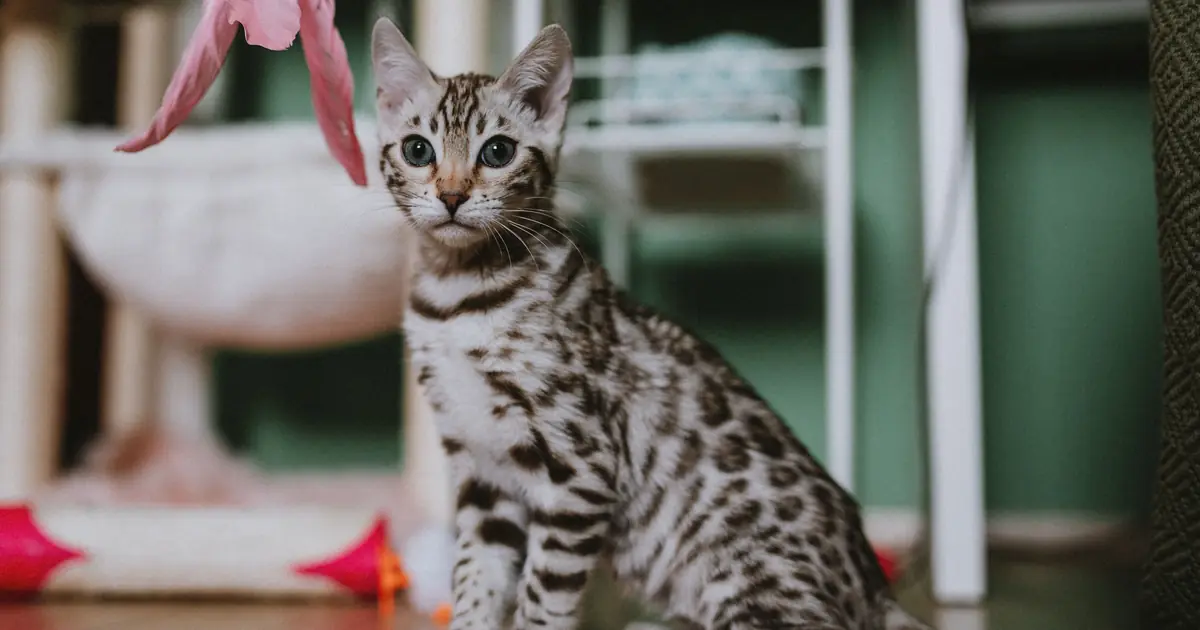
- Interactive play twice a day, wand toys and chase games to burn energy.
- Vertical space, tall cat trees, shelves, and perches for climbing.
- Puzzle feeders and toys to engage that sharp mind.
- Rotate toys and add novelty, even leash walks or a catio.
- Redirect rough play to toys, never hands, and reward calm behavior.
- Keep a consistent routine for feeding, play, and rest.
Bengals often love water and active games, so play to those traits, as we note in do Bengal cats like water, and channel their social energy well since many get along with dogs.
When is it a health issue, not behavior?
A sudden change in your Bengal’s behavior can signal a medical problem, not just boredom. Watch for new aggression, hiding, litter-box avoidance, or changes in appetite or energy, which can indicate pain, illness, or stress rather than a training issue. This article is educational and not a substitute for veterinary care; if your Bengal’s behavior changes abruptly, see your vet to rule out a health cause first. For persistent behavior challenges, a certified feline behaviorist can help. Trusted guidance on cat behavior comes from the ASPCA and International Cat Care.
Frequently Asked Questions
Q: Why is my Bengal cat so badly behaved?
Usually it’s boredom, not bad behavior. Bengals are highly intelligent and energetic, and without enough play, climbing, and enrichment, that energy turns into hyperactivity and destruction. Meeting their activity needs resolves most issues.
Q: Are Bengal cats aggressive?
Bengals aren’t inherently aggressive, but under-stimulation can lead to rough play, biting, and ambushing. Redirect play to toys (never hands), provide plenty of exercise and enrichment, and rule out pain if aggression appears suddenly.
Q: Why does my Bengal meow so much?
Bengals are vocal and demanding when they want attention or are bored. Excessive meowing usually means they need more interaction, play, or stimulation. Ensure their needs are met and avoid rewarding nonstop meowing, and rule out illness if it’s sudden.
Q: How much exercise does a Bengal need?
A lot. Bengals thrive on at least two active play sessions a day, plus climbing space, puzzle toys, and enrichment. They’re athletic, high-energy cats, so daily physical and mental exercise is essential to prevent behavior problems.
Q: Why is my Bengal suddenly acting out?
A sudden behavior change can signal a health problem, stress, or a change in the home. New aggression, hiding, or litter-box issues warrant a vet visit to rule out pain or illness before assuming it’s purely behavioral.
Q: Can Bengal behavior problems be fixed?
Yes, most improve dramatically once the cat’s needs are met with daily interactive play, vertical space, puzzle feeders, and routine. Redirect rough play to toys and reward calm behavior. Persistent issues may benefit from a feline behaviorist.

Hello and welcome to The Ideal Cat!
We are some passionate cat owners from different professions. We love our cats and have a lot of experience in how to care for our pets. We are incredibly excited to share our knowledge, experience, and research with you. So you can take good care of your loving cat. We will answer most of the common questions about owning cats, taking care of them, etc. If you have any question contact with us. Thanks for visiting! Enjoy the content.
)