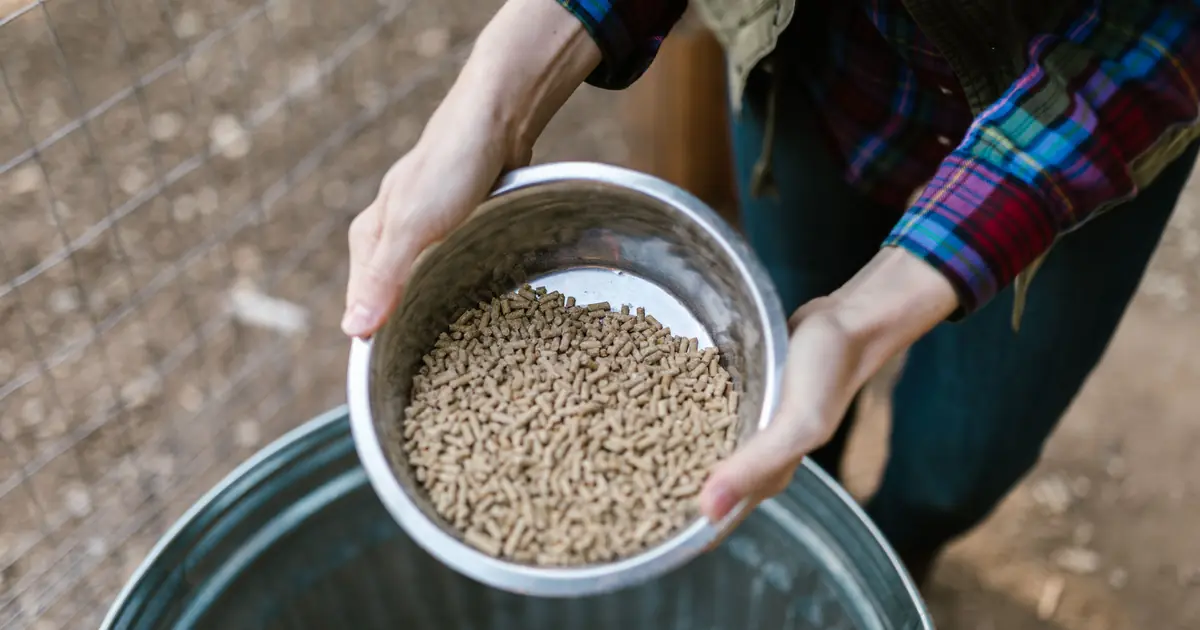
Pine pellet litter has a big fan base for good reason, it’s cheap, natural, and smells like a forest instead of a chemical factory. But it’s not perfect for every cat.
Here’s an honest rundown of the pros and cons so you can decide if pine pellets are right for you.
- Pine pellet litter is natural, biodegradable, low-dust, and usually cheaper than premium clay.
- It controls odor well thanks to pine’s natural absorbency and fresh scent.
- It doesn’t clump, pellets break into sawdust when wet, so you sift rather than scoop clumps.
- Downsides include tracking sawdust, a pine smell some cats reject, and needing a sifting routine.
- Introduce it gradually, and skip it if your cat won’t use the different texture.
What is pine pellet cat litter?
Pine pellet cat litter is a natural litter made from compressed pine sawdust formed into pellets. When urine hits the pellets, they absorb it and crumble into sawdust, trapping moisture and odor. Instead of clumping, the wet sawdust falls to the bottom, where you sift it out with a special sifting litter box. Made from a renewable, biodegradable material, pine pellets are a popular eco-friendly and budget alternative to traditional clay litter.
What are the pros of pine pellet litter?
Pine pellets offer several real advantages, especially for budget- and eco-minded cat parents. The main benefits:
- Natural and biodegradable: made from renewable pine, better for the environment.
- Great odor control: pine’s natural scent and absorbency neutralize smells well.
- Low dust: far less dusty than many clay litters, easier on the lungs.
- Affordable: often cheaper per use, especially plain wood-stall or stove pellets.
- Lightweight: easier to carry than heavy jugs of clay litter.
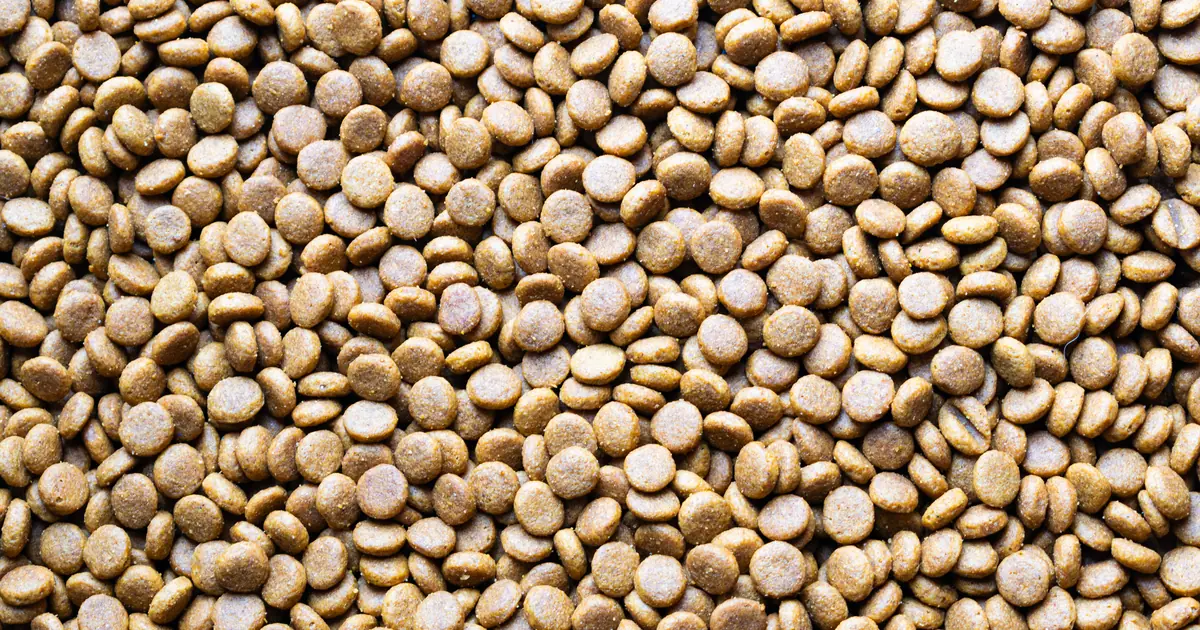
What are the cons of pine pellet litter?
Pine pellets also have drawbacks that make them a poor fit for some cats and homes. The main downsides: they don’t clump, so cleaning means sifting sawdust rather than lifting neat clumps, and you need a sifting box or a two-tray system. The pine scent, while pleasant to many people, is off-putting to some cats and may cause box rejection. Sawdust tracking can be messy, and the coarse pellet texture feels strange to cats used to fine clay. Transitioning can take patience.
Pine pellets vs clumping clay litter
Here’s how pine pellets compare to traditional clumping clay.
| Feature | Pine pellets | Clumping clay |
|---|---|---|
| Clumping | No, crumbles to sawdust | Yes, scoopable clumps |
| Dust | Very low | Often higher |
| Odor control | Good, natural pine scent | Good, varies by product |
| Eco-friendliness | Biodegradable, renewable | Mined, not biodegradable |
| Cleaning | Sift sawdust (sifting box) | Scoop clumps daily |
| Cost | Often cheaper | Varies, premium can be pricey |
Because pine pellets behave so differently, don’t just dump them on top of clay, and avoid combining incompatible litters, as we explain in mixing clumping and non-clumping litter.
How do you switch a cat to pine pellets?
Switch to pine pellets gradually so your cat accepts the new texture and scent. Start by adding a thin layer of pellets under or mixed with the current litter, then increase the pellet ratio over 1 to 2 weeks. Offer a second box with the old litter as a backup, keep everything clean, and watch for any box avoidance. If your cat refuses the pellets or starts going elsewhere, slow down or reconsider, a rejected litter isn’t worth it. This article is educational; for another natural budget option see using dirt for cat litter and, if clumping matters to you, why cat pee won’t clump. For litter-box best practices, the ASPCA and International Cat Care are reliable sources.
Frequently Asked Questions
Q: Is pine pellet litter good for cats?
For many cats, yes. It’s natural, low-dust, biodegradable, controls odor well, and is often cheaper than clay. The main catches are that it doesn’t clump and some cats dislike the pine scent or pellet texture, so introduce it gradually.
Q: Does pine pellet litter clump?
No. Pine pellets absorb urine and crumble into sawdust rather than forming clumps. You use a sifting box to separate the wet sawdust from the intact pellets, and scoop solid waste as usual. It’s a different routine than clumping clay.
Q: Is pine pellet litter safe for cats?
Generally yes, when it’s kiln-dried litter made for cats or plain additive-free wood pellets. Avoid pellets with chemical accelerants. Some cats are sensitive to strong pine oils, so monitor for any irritation, and consult your vet with concerns.
Q: How often do you change pine pellet litter?
Scoop solid waste daily and sift out sawdust regularly, topping up pellets as needed. Do a full change every few weeks, sooner with multiple cats. Because pine controls odor well, many owners find upkeep manageable with a sifting box.
Q: Do cats like pine pellet litter?
Some do, some don’t. Many cats accept it fine, but the coarse texture and pine scent put off others, especially cats used to fine clay. Transition gradually and offer a backup box so you can tell if your cat approves.
Q: Is pine litter cheaper than clay?
Often, yes, especially plain wood-stall or stove pellets, which cost far less per pound than premium clumping clay. Even cat-specific pine litters tend to be budget-friendly, making pine a popular economical and eco-conscious choice.

Hello and welcome to The Ideal Cat!
We are some passionate cat owners from different professions. We love our cats and have a lot of experience in how to care for our pets. We are incredibly excited to share our knowledge, experience, and research with you. So you can take good care of your loving cat. We will answer most of the common questions about owning cats, taking care of them, etc. If you have any question contact with us. Thanks for visiting! Enjoy the content.
)