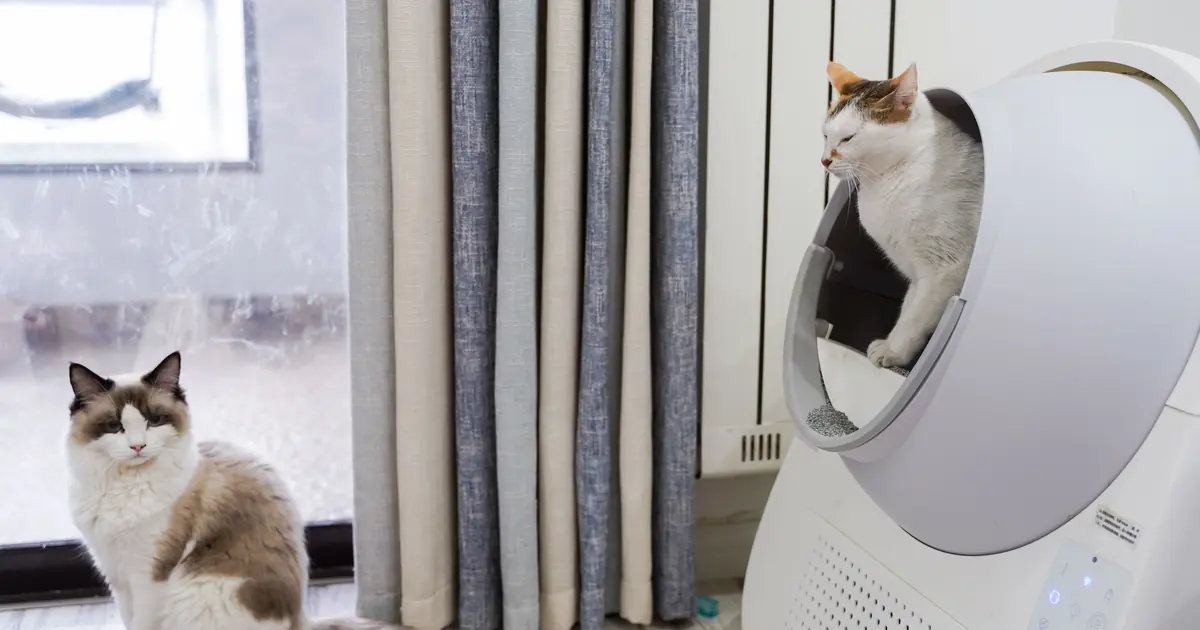
Picture this: you’re down to half a bag of clumping litter, a bag of the old non-clumping stuff is still sitting in the closet, and you figure, why not just combine them? It seems like a smart way to stretch your supply and avoid a trip to the store.
Here’s the thing though. Litter chemistry doesn’t really work that way. Clumping and non-clumping litter do very different jobs in the box, and mashing them together usually gives you the worst of both instead of the best. Let’s get into exactly what happens when you mix them, when it’s actually fine, and what to do instead if your goal is a cleaner, less smelly box.
- Mixing clumping and non-clumping litter is safe for your cat, but it weakens the clumps and makes scooping messier.
- Clumping litter is usually made from sodium bentonite clay, which binds with liquid to form a solid, scoopable clump.
- Non-clumping litter (clay, pine, corn, or silica crystal) absorbs moisture but doesn’t clump, so the whole box needs full changes more often.
- A short-term mix can work as a bridge while you transition your cat to a new litter over 7 to 10 days.
- Any sudden change in litter texture or scent can cause a cat to avoid the box, which sometimes signals a health issue like a urinary tract infection.
Can You Mix Clumping and Non-Clumping Litter?
Yes, you can mix clumping and non-clumping litter without hurting your cat, but you’ll lose most of what makes clumping litter worth using in the first place. Clumping litter earns its keep by forming a solid, sealed ball around urine that you can scoop out whole. Non-clumping granules mixed in break those clumps apart, so instead of one tidy ball, you end up with a crumbly, damp mess that’s harder to separate from clean litter.
Think of it like adding sand to wet cement. The cement can still set, technically, but it won’t hold its shape the way it’s supposed to. Same idea with litter. The two products aren’t designed to work together, they’re designed to be two different solutions to the same problem.
What’s the Difference Between Clumping and Non-Clumping Litter?
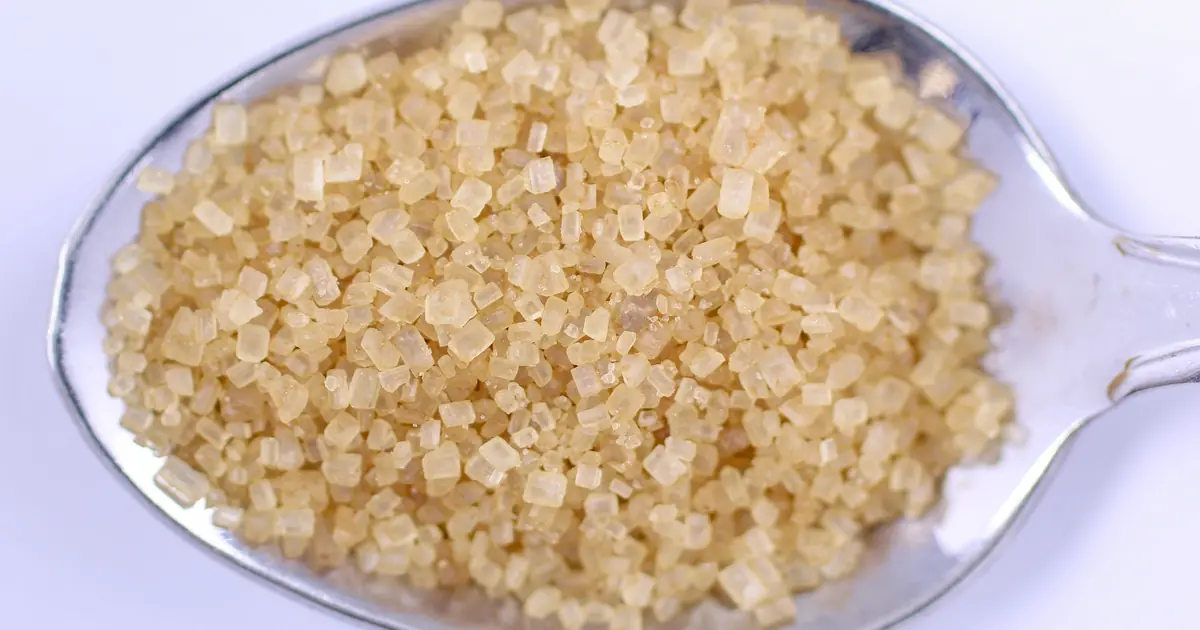
Clumping litter is made mostly from sodium bentonite clay, a mineral that swells and binds tightly when it hits moisture, forming a firm clump you scoop out daily. Non-clumping litter, made from regular clay, pine, corn, wheat, or silica crystals, soaks up moisture and odor but stays loose, so you scoop solid waste and replace the whole box every few days instead of just removing clumps.
Here’s a side-by-side look at how the main litter types stack up:
| Litter Type | Clumps? | Best Use |
|---|---|---|
| Clumping clay (bentonite) | Yes, forms a solid ball | Daily scooping, most homes, easiest long-term odor control |
| Non-clumping clay | No | Budget litter, cats used to a coarser texture, needs full box changes every few days |
| Silica crystal (non-clumping) | No, but absorbs and dries waste | Low dust, low tracking homes, good for owners who want fewer full changes |
| Natural (pine, corn, wheat, paper) | Some clump, many don’t | Flushable or biodegradable options, kittens, cats sensitive to clay dust |
If you’re still deciding between materials, our guide to the best cat litter options breaks down the pros and cons of each type in more detail, and our best clumping cat litter picks are worth a look if odor control and easy scooping are your top priority.
What Happens When You Mix Clumping and Non-Clumping Litter?
Mixing the two litter types gives you weaker, crumblier clumps and more work at cleanup time. The non-clumping granules dilute the bentonite clay’s ability to bind tightly around urine, so clumps break apart mid-scoop instead of lifting out clean. Bits of wet litter get left behind, odor builds up faster because urine is exposed to more air, and you end up sifting through a soggy mix instead of doing a quick daily scoop.
You’re also not saving much litter by mixing. Since the non-clumping portion breaks down the clumps you do form, you often end up scooping out more total litter per cleaning than if you’d just used clumping litter on its own. It’s a bit of a lose-lose.
Are There Any Good Reasons to Mix Clumping and Non-Clumping Litter?
Yes, there are a couple of legitimate, short-term reasons to mix the two. The most common is transitioning your cat from one litter to another, where a gradual blend helps avoid a sudden change your cat might reject. The other is a genuine supply gap, like running low on one type and needing to bridge a day or two until you can restock.
- Litter transitions: Blending old and new litter for a week or two is the standard, vet-recommended way to switch products without spooking your cat.
- Stretching supplies: A temporary mix to get through a shortage is fine, just don’t expect the same clumping performance during that stretch.
- DIY odor boosting: Some owners sprinkle a thin layer of baking soda or a pinch of non-clumping crystal litter on top of clumping litter for extra odor absorption. This is more about topping, not fully blending the two.
Outside of these situations, mixing as your everyday routine usually isn’t worth the tradeoff.
When Does Mixing Litter Become a Problem for Your Cat?
Mixing litter becomes a problem when the new texture, dust level, or scent bothers your cat enough that they start avoiding the box. Cats are picky about what’s under their paws, and a rough or unfamiliar mix can be enough to send them looking for the carpet or a corner of the bathroom instead. International Cat Care notes that litter texture and material are among the biggest factors in whether a cat accepts or rejects a litter tray, since cats often develop strong preferences early in life based on what feels natural to dig and bury in.
If your cat has already started skipping the box, mixing litters probably isn’t the right fix, and it might make an existing aversion worse. Our guide on why your cat isn’t using the litter box walks through the most common causes and how to sort out medical issues from behavior ones.
How Do You Transition Your Cat to a New Litter Safely?
You transition litter safely by mixing in the new type gradually over 7 to 10 days, increasing the new litter’s share a little each day while watching for signs your cat is unhappy with the change. Cats notice sudden swaps immediately, and a full overnight switch is one of the more common reasons a previously reliable cat starts having accidents.
- Start with about 75% old litter and 25% new litter for the first 2 to 3 days.
- Move to a 50/50 mix for the next 2 to 3 days.
- Shift to 75% new litter and 25% old for another 2 to 3 days.
- Switch to 100% new litter once your cat is using the box normally at each stage.
- Keep the box scooped daily throughout the transition, since a dirty box on top of a new texture is a fast way to trigger avoidance.
Watch for scratching at the edges of the box, standing on the rim instead of stepping in, or accidents nearby. Any of those are signs to slow the transition down.
What Should You Do Instead of Mixing Litters?
Instead of mixing, pick one good-quality litter your cat already likes and stick with it, since consistency matters more than the specific brand once you’ve found a match. A well-chosen clumping litter, scooped daily with a full change every 2 to 4 weeks, will control odor and save you more time than any mix of two products ever will.
A couple of combinations are worth avoiding altogether. Skip mixing clumping clay with silica crystal litter, since the crystals stay hard and gritty and interfere with clumping without adding any real benefit. And avoid mixing scented and unscented litter if your cat shows any sensitivity to fragrance, since combining scents can create a smell that’s stronger and more off-putting than either one alone. Cats have a much sharper sense of smell than we do, and a heavily perfumed box is a well-known trigger for box avoidance.
Depth matters more than people think too. Most cats prefer around 2 inches of litter, not a deep pile, so before you reach for a second bag to bulk things up, check whether you actually need more litter or just a cleaner box. If cost is the real issue behind wanting to stretch supplies, our breakdown of how much cat litter costs can help you find a budget-friendly option that still clumps well, and making sure your box is the right size for your cat goes a long way toward keeping litter use efficient in the first place.
A quick note: any sudden litter change, mixed or not, can cause a cat to avoid the box. If your cat stops using it, watch closely and check in with your vet, since avoidance can sometimes point to a urinary tract infection or another medical issue rather than a simple litter preference. This article is meant to help you understand your options, not replace a vet’s diagnosis. The Cornell Feline Health Center notes that house soiling is often tied to a medical cause, so it’s worth ruling that out before assuming it’s just about the litter.
Frequently Asked Questions
Q: Is it bad to mix clumping and non-clumping litter?
It’s not dangerous, but it’s not ideal either. Mixing the two weakens clumping performance, since non-clumping granules break apart the clumps bentonite clay forms, leading to messier scooping and faster odor buildup.
Q: Can mixing litters harm my cat?
No, mixing clumping and non-clumping litter isn’t harmful to your cat’s health on its own. The downside is practical, not medical: weaker clumps, more odor, and a messier box for you to clean.
Q: How do I switch my cat to a new litter without upsetting them?
Blend the old and new litter gradually over 7 to 10 days, increasing the new litter’s share every 2 to 3 days. This slow transition helps cats adjust to a new texture or scent without triggering box avoidance.
Q: Why does my clumping litter stop forming solid clumps?
Weak or crumbly clumps usually mean the litter has been diluted with something else, like leftover non-clumping litter, or the box needs a full change because the clay is oversaturated and can no longer absorb liquid properly.
Q: Can I mix two different brands of clumping litter?
Yes, mixing two clumping litters made from bentonite clay is generally fine and won’t affect clumping the way mixing clumping with non-clumping litter does. Just introduce the new brand gradually in case your cat is sensitive to scent or texture differences.
Q: Is crystal litter the same as non-clumping litter?
Most silica crystal litter is non-clumping. It absorbs urine and dries out waste rather than forming a solid ball, so you scoop solid waste daily and do a full litter change every 2 to 4 weeks depending on the brand and how many cats use the box.
Q: How much litter should I put in the box?
Most cats prefer around 2 inches of litter in the box. Piling in extra litter, including a second bag to make up for a mix, doesn’t improve odor control and can actually put some cats off if the depth feels unfamiliar.
Q: My cat suddenly stopped using the litter box after I changed litter. What should I do?
Switch back to the previous litter temporarily and reintroduce the new one more slowly, over 7 to 10 days instead of all at once. If the avoidance continues even after switching back, book a vet visit, since sudden litter box avoidance can also point to a urinary tract infection or other medical issue.

Hello and welcome to The Ideal Cat!
We are some passionate cat owners from different professions. We love our cats and have a lot of experience in how to care for our pets. We are incredibly excited to share our knowledge, experience, and research with you. So you can take good care of your loving cat. We will answer most of the common questions about owning cats, taking care of them, etc. If you have any question contact with us. Thanks for visiting! Enjoy the content.
