It’s scoop time. You dig in, the clump crumbles, and half of it sinks to the bottom of the box in a wet, stuck-on mess. If that sounds familiar, you already know why the best clumping cat litter is worth getting right. A litter that forms hard, solid clumps saves you money, keeps the box fresher, and turns daily scooping into a ten-second job.
We ranked six clumping litters that actually hold together, from cheap clay to natural corn and walnut. Some are built for multi-cat chaos. Some are low-dust picks for sensitive noses. Here’s how they really stack up, no fluff.
- Dr. Elsey’s Ultra Unscented Clumping Clay is the best all-around pick for hard clumps, low dust, and no added scent.
- Good clumping litter locks liquid into a firm ball within minutes, so it lifts out whole instead of crumbling.
- Clay litters made with sodium bentonite usually clump harder than plant-based litters like corn or walnut.
- Unscented litter is safer for most cats, since strong fragrance can turn sensitive cats off the box entirely.
- Multi-cat formulas use extra odor control and tighter clumping to handle heavier daily use from two or more cats.
Our Top Picks
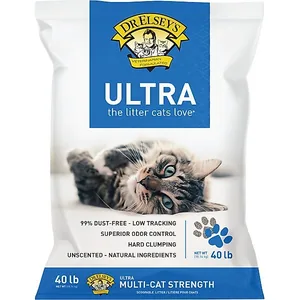
Dr. Elsey’s Ultra Unscented Clumping Clay Cat Litter, 40-lb bag
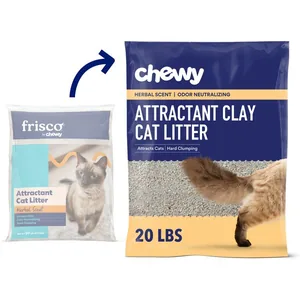
Chewy Made Attractant Multi-Cat Clumping Clay Cat Litter (FORMERLY FRISCO), 20-lb bag
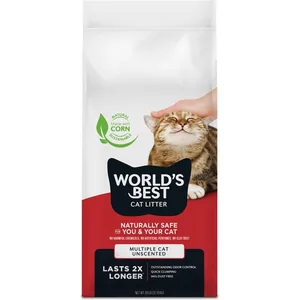
World’s Best Cat Litter Scoopable Multiple Cat Clumping Formula, 28-lb
Comparison: What makes cat litter clump well at a glance
| Litter | Best for | Type | Price |
|---|---|---|---|
| Dr. Elsey’s Ultra Unscented Clumping Clay Cat Litter, 40-lb bag | Best overall | Unscented clay | $20.99 |
| Chewy Made Attractant Multi-Cat Clumping Clay Cat Litter (FORMERLY FRISCO), 20-lb bag | Best budget | Attractant clay | $12.99 |
| World’s Best Cat Litter Scoopable Multiple Cat Clumping Formula, 28-lb | Best natural corn | Plant-based corn | $34.95 |
| Naturally Fresh Multi-Cat Fresh Unscented Clumping Walnut Cat Litter, 14-lb bag | Best walnut | Walnut shell | $20.99 |
| Arm & Hammer Litter Slide Multi-Cat Scented Clumping Clay Cat Litter, 28-lb box | Best for easy scooping | Slide-clean clay | $19.99 |
| Boxiecat Self-Cleaning Probiotic Clumping Clay Cat & Kitty Litter, 16-lb bag | Best low-maintenance | Probiotic clay | $23.99 |
The 6 best best clumping cat litter picks, reviewed
Dr. Elsey’s Ultra Unscented Clumping Clay Cat Litter, 40-lb bag: best overall
Dr. Elsey’s Ultra is the litter we point most cat parents to first. It’s low-dust sodium bentonite clay that forms hard, tight clumps you can scoop in one piece, even from the bottom of the box. No perfume, no cover-up scent, just solid odor control that lets you smell a problem before it becomes one.
The 40-pound bag is a workhorse for one cat or two. It tracks a bit like most clay, so a good mat helps. But for pure clumping strength and reliability, this is the one to beat. Honestly, if you’re not sure what to buy, start here.
Chewy Made Attractant Multi-Cat Clumping Clay Cat Litter (FORMERLY FRISCO), 20-lb bag: best budget
Chewy Made Attractant, the old Frisco formula, gives you strong clumping clay for the least money on this list. At around $13 for 20 pounds, it clumps firmly, controls multi-cat odor well, and adds a natural herb attractant that gently draws hesitant cats back to the box.
That attractant makes it a smart pick for kittens learning the ropes or a cat who’s been avoiding the litter box. The clumps aren’t quite as concrete-hard as Dr. Elsey’s, but for the price, you won’t find much better. Great value, no gimmicks.
World’s Best Cat Litter Scoopable Multiple Cat Clumping Formula, 28-lb: best natural corn
World’s Best Cat Litter is made from whole-kernel corn, so it’s flushable in small amounts, lightweight, and biodegradable. It clumps surprisingly well for a plant litter, holding together far better than most corn or wheat options. The multiple-cat formula bumps up the odor control for busier boxes.
It costs more per bag, and corn litter can attract the odd pantry bug if stored damp, so keep it sealed and dry. But if you want to ditch clay for something greener without giving up real clumping, this is the natural pick that actually works.
Naturally Fresh Multi-Cat Fresh Unscented Clumping Walnut Cat Litter, 14-lb bag: best walnut
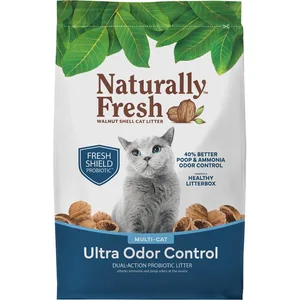
Naturally Fresh is ground walnut shell, and it’s the dark-horse favorite for odor. Walnut is naturally absorbent, so this litter soaks up liquid fast and forms tight clumps while fighting smell better than a lot of clay. It’s unscented, low-dust, and lighter to haul than a clay bag.
The catch: it’s dark brown, so it can look messy on light floors, and it may stain very pale carpet if tracked and left wet. If odor is your main battle and you don’t mind the color, walnut is a genuinely great clumping alternative.
Arm & Hammer Litter Slide Multi-Cat Scented Clumping Clay Cat Litter, 28-lb box: best for easy scooping
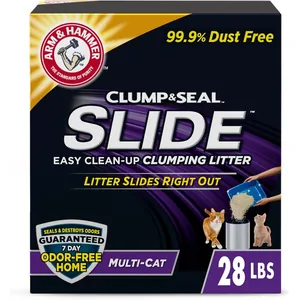
Arm & Hammer Litter Slide is built around one clever idea: clumps that slide right off the bottom of the box instead of cementing to it. If you’ve ever chiseled a stuck clump off the pan, you get the appeal. The baking soda and fragrance blend hits odor hard in multi-cat homes.
It is scented, so cats sensitive to perfume may not love it, and the smell is noticeable when the box is fresh. But for anyone who hates scrubbing a crusty box, the slide-clean formula makes scooping about as painless as it gets.
Boxiecat Self-Cleaning Probiotic Clumping Clay Cat & Kitty Litter, 16-lb bag: best low-maintenance
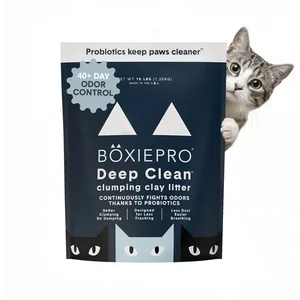
Boxiecat is clumping clay with a twist: added probiotics that work to break down odor-causing bacteria over time, so the box stays fresher between full changes. The clumps are hard and dust is very low, which makes daily scooping quick and clean. It’s a nice fit if you can’t change litter as often as you’d like.
It sits at the pricier end, and the probiotic benefit is subtle rather than magic. But for a busy household that wants to scoop and forget for longer stretches, Boxiecat earns its keep with genuinely low upkeep.
How to choose the best best clumping cat litter
What makes a clump actually good?
A good clump forms fast and stays solid. When your cat pees, quality litter pulls the liquid into a tight ball within a few minutes, then holds firm when you scoop. Weak litter crumbles and leaves wet, smelly bits behind, which means you toss more litter and refill sooner. Hardness is the whole game.
Clay vs. natural: which clumps harder?
Clay litters made with sodium bentonite generally clump the hardest, which is why most top picks are clay. Natural litters like corn and walnut clump well too, and they’re lighter, biodegradable, and often better for odor, but the clumps can be a touch softer. Pick clay for maximum firmness, natural for a greener, lighter box.
How much does dust matter?
Dust matters a lot for cats and people with sensitive airways. Low-dust litters keep the air clearer when you pour and when your cat digs. Clay can be dusty, so look for litters labeled low-dust or 99% dust-free. Walnut and corn tend to run low on dust naturally, which is a real plus for allergy-prone homes.
Do multi-cat formulas really work?
Multi-cat formulas use tighter clumping and stronger odor control to handle heavier daily use. If you have two or more cats sharing boxes, they’re worth the small price bump. The extra clumping strength keeps clumps intact under more traffic, and the boosted odor control buys you more time between deep cleans.
What makes cat litter clump well?
Cat litter clumps well when it contains a binding agent that seals around moisture and hardens. Most clumping litters use sodium bentonite clay, which swells and sticks together the instant it gets wet, forming a solid mass you can scoop out whole. Natural litters clump using plant starches instead, like the sticky properties in corn or the dense fibers in walnut shell. The firmer and faster a litter binds liquid, the cleaner it scoops and the less waste gets left behind. Depth helps too: two to three inches of litter gives clumps room to form fully instead of sticking to the bottom of the box.
Common mistakes to avoid
The most common clumping-litter mistakes are simple to fix. Filling the box too shallow is the big one, since clumps need two to three inches of depth to form fully and not cement to the pan. Waiting too long to scoop lets clumps break down and smell, so aim for once or twice a day. Many cat parents also switch litters cold-turkey, which can put a picky cat off the box; mix old and new litter for a week instead. And don’t lean on scent to mask odor, because heavy fragrance drives some cats away and hides problems you’d want to catch early.
Want to dig deeper into litter box life? Learn how many litter boxes per cat you really need, figure out why your cat might be avoiding the litter box, and if you’re starting fresh, see our guide to setting up a kitten litter box the right way.
Frequently asked questions
Q: What is the best clumping cat litter overall?
Dr. Elsey’s Ultra Unscented Clumping Clay is the best clumping cat litter overall. It forms hard, tight clumps that scoop cleanly, keeps dust low, and skips added fragrance, which suits most cats. It works well for one or two cats and reliably outperforms softer-clumping natural litters on firmness.
Q: Is clay or natural litter better for clumping?
Clay clumps harder than natural litter in most cases. Sodium bentonite clay swells and locks around moisture to form very firm clumps. Natural litters like corn and walnut still clump well and offer lighter weight, biodegradability, and often better odor control, but their clumps can be slightly softer.
Q: How often should I scoop clumping litter?
Scoop clumping litter at least once a day, ideally twice in a multi-cat home. Daily scooping removes clumps while they’re still firm, keeps odor down, and helps you spot changes in your cat’s urine or stool early. Do a full litter change and box wash every two to four weeks.
Q: Does clumping litter cause dust problems?
Some clay clumping litters create dust, but many are now labeled low-dust or 99% dust-free. Dust can bother cats and people with sensitive airways. Walnut and corn litters tend to be naturally lower in dust. Pouring slowly and using a covered or high-sided box also helps cut airborne dust.
Q: Can kittens use clumping cat litter?
Most vets suggest waiting until a kitten is at least three to four months old before using clumping clay litter. Very young kittens sometimes eat litter, and clumping clay can cause blockages if swallowed. Until then, use a non-clumping or natural litter, then switch to a clumping formula as they grow.
Q: Is scented or unscented clumping litter better?
Unscented clumping litter is the safer choice for most cats. Cats have a strong sense of smell, and heavy fragrance can turn sensitive cats off the box entirely. Unscented litter with good clumping and odor control keeps the box fresh without the perfume. Choose scented only if your cat tolerates it well.
Q: How much clumping litter should I put in the box?
Fill the litter box with two to three inches of clumping litter. That depth gives clumps room to form fully instead of sticking to the bottom of the pan, and it lets your cat dig and cover comfortably. Top off as you scoop to keep the level steady between full changes.
Q: Why is my cat’s litter not clumping?
If litter isn’t clumping, the layer is often too shallow, the litter is a non-clumping type, or moisture is spreading before it can bind. Add depth to two or three inches, confirm the bag says clumping, and scoop promptly. Old or damp-stored litter can also lose its clumping power.
The bottom line
If you just want one answer, get Dr. Elsey’s Ultra Unscented Clumping Clay. It clumps hard, stays low on dust, and skips the scent most cats dislike, which makes it the safest, most reliable pick for nearly any home. For more on keeping the box cat-friendly, see the litter and toileting advice from International Cat Care and the guidance on litter box problems from the ASPCA.

Hello and welcome to The Ideal Cat!
We are some passionate cat owners from different professions. We love our cats and have a lot of experience in how to care for our pets. We are incredibly excited to share our knowledge, experience, and research with you. So you can take good care of your loving cat. We will answer most of the common questions about owning cats, taking care of them, etc. If you have any question contact with us. Thanks for visiting! Enjoy the content.
