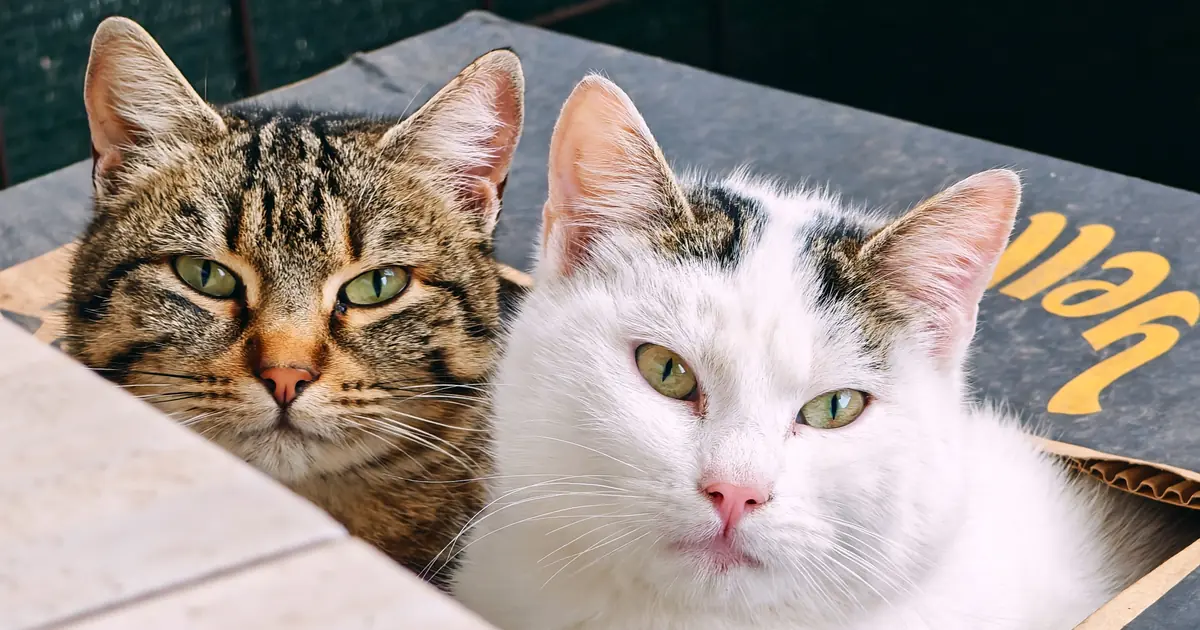
Picture your cat trying to turn around, dig, and squat, all inside a box barely bigger than a shoebox. Not exactly relaxing, right? If your cat is skipping the box, or perching on the edge with their tail hanging out over the rim, size might be the whole problem.
Most litter boxes sold in stores are sized for kittens, not the full grown cats who end up using them for years. The good news is fixing this is cheap and easy. You don’t need a fancy product, just the right dimensions and a little know-how.
- A litter box should be at least 1.5 times your cat’s body length from nose to tail base.
- Most adult cats need a box around 24 inches long, and large breeds like Maine Coons need even more room.
- Litter depth should sit at about 2 to 3 inches so a cat can dig and cover waste comfortably.
- A too-small box is one of the most common, and most overlooked, causes of litter box avoidance.
- Plastic storage totes are a popular, budget-friendly hack for building an oversized litter box at home.
How big should a litter box actually be?
A litter box should be at least 1.5 times your cat’s length, measured from the tip of their nose to the base of their tail (not including the tail itself). For an average adult cat measuring about 16 inches long, that works out to roughly 24 inches. Larger cats need bigger boxes still. This 1.5x rule comes from feline behavior research and is echoed by veterinary behaviorists, because a cramped box makes normal digging, turning, and squatting nearly impossible.
Most litter boxes on store shelves top out around 18 to 20 inches long. That’s fine for a kitten, but it’s tight for a full grown cat. If you’ve ever watched your cat’s back legs or tail hang over the edge of the box while they do their business, that’s your sign the box is too small.
Why does litter box size actually matter?
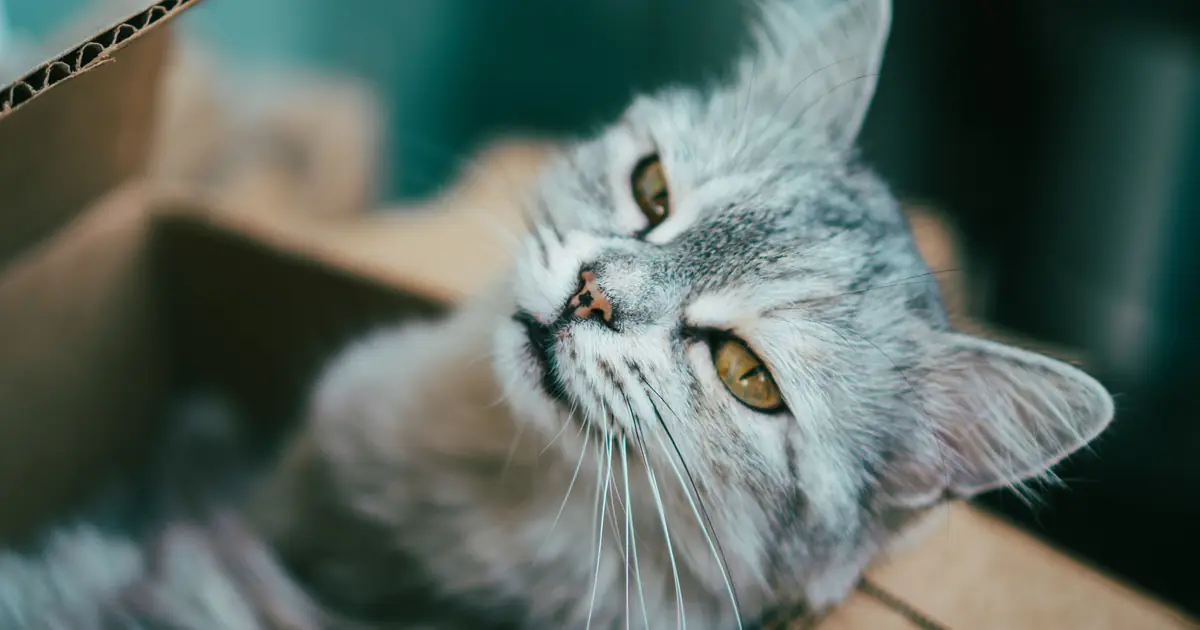
A litter box that’s too small is one of the top reasons cats stop using it altogether. Cats are surprisingly picky about bathroom space, and a cramped box can make them feel exposed, unable to dig properly, or unable to bury waste without stepping in it.
According to the Cornell Feline Health Center, litter box problems are among the most common behavior complaints cat parents bring to vets, and box size and cleanliness are usually the first things worth checking. If your cat is avoiding the litter box entirely, sizing up before you try anything else is a smart first move. It’s free, and it solves the problem for a lot of cats.
What dimensions should you actually look for?
Look for a box that’s at least 24 inches long and about 16 to 18 inches wide for an average adult cat, with sides low enough for easy stepping in and out. Length matters most, since it lets your cat stretch out fully and turn around without hitting a wall. Width gives them room to dig side to side instead of just front to back.
Entry height matters too. A cat with arthritis, or a kitten still growing into their legs, needs an entry point they can step over easily, generally 3 to 4 inches at most on one side, even if the back and sides are taller. A box that’s roomy but impossible to climb into defeats the purpose.
How deep should the litter be in a bigger box?
Litter depth should sit at about 2 to 3 inches, regardless of how big the box footprint is. Going bigger on length and width doesn’t mean you need a deeper pile of litter. Cats want enough litter to dig a hole and bury waste, but too much just gets kicked out or wasted. A shallow layer under an inch, on the other hand, doesn’t let cats dig at all, which is its own turnoff.
Covered or open box, does that change the size you need?
Covered boxes generally need to be even roomier than open ones, since the hood eats into usable space and traps odor close to your cat’s face. If you go covered, add a few extra inches of length and width beyond the standard 1.5x rule to compensate.
International Cat Care notes that many cats actually prefer open trays because they offer a full view of their surroundings and an easy escape route, which matters to a naturally cautious animal doing something as vulnerable as using the bathroom. If your cat already seems hesitant, try swapping a covered box for a large open one before assuming it’s a behavior problem.
Do kittens, adults, and large breeds need different sized boxes?
Yes. Kittens need a smaller, low-sided box they can climb into easily, while adult cats need a full-size box, and large breeds like Maine Coons need an extra-large one. A box sized right for a 10-week-old kitten will feel like a swimming pool one week and a shoebox the next, so plan to size up as your cat grows.
Maine Coons, Norwegian Forest Cats, and other big-bodied breeds can measure well over 20 inches long, nose to tail base, which pushes their minimum box length past 30 inches. A standard “large” litter box from the store often isn’t actually large enough for these cats.
| Cat size or life stage | Recommended box length | Notes on features |
|---|---|---|
| Kitten (under 4 months) | 14 to 16 inches | Very low entry, shallow sides, swap for a bigger box as they grow |
| Average adult cat | 24 inches or more | 1.5x nose-to-tail-base length, low entry point on at least one side |
| Large breed (Maine Coon, etc.) | 30 inches or more | Storage tote or extra-large box, open top usually preferred |
| Senior or arthritic cat | 24 inches or more | Extra low entry (1 to 2 inches), no covered hood, easy footing |
What’s the storage tote hack, and is it actually a good idea?
Yes, a plastic storage tote makes an excellent, budget-friendly litter box for cats who need more room than standard boxes offer. Cat parents have used this trick for years: buy a large, shallow under-bed storage tote, cut a low entry into one side with a utility knife, sand the edges smooth, and fill it with litter. You end up with a box that can run 30 inches or longer for a fraction of the cost of a “jumbo” branded litter box.
This is especially handy for large breed cats, multi-cat households, or anyone whose cat has been giving standard boxes the cold shoulder. Just make sure the sides you keep tall enough for privacy still have that one low, easy entry point cut in.
How many litter boxes do you actually need, on top of size?
Vets generally recommend the “n+1” rule: one litter box per cat, plus one extra. So a single cat household should really have two boxes, and a two-cat household should have three. Size and number work together, not against each other. A giant box doesn’t replace having enough boxes, especially in a multi-cat home where cats can be territorial about litter space. For the full breakdown on placement and setup, see our guide on how many litter boxes per cat you actually need.
What if your cat still avoids a bigger, better box?
A cat who suddenly avoids the litter box, even a good-sized and clean one, can be telling you something medical is going on, not just something about the box. Conditions like a urinary tract infection, bladder stones, or arthritis pain can all make a cat associate the box with discomfort and start going elsewhere. If your cat is pooping outside the litter box or straining, crying, or urinating in small amounts frequently, treat it as a “see a vet now” situation rather than a box problem. This article is educational and isn’t a substitute for a vet visit when your cat’s litter habits change suddenly.
The ASPCA points out that ruling out a medical cause always comes first, before assuming a litter box issue is purely behavioral. Once your vet gives the all clear, then it’s worth working through box size, litter type, cleanliness, and location.
Does the litter itself matter alongside box size?
Yes, litter type affects how well even a perfectly sized box works for your cat. Most cats prefer a soft, fine-grain, unscented clumping litter, since it feels better on their paws and doesn’t carry a strong perfume smell they didn’t sign up for. The Ohio State Indoor Pet Initiative recommends unscented, clumping litter as a safe starting point for most households. If you’re not sure which one to pick, our guide to the best cat litter options breaks down the choices by texture, dust level, and odor control. And if cost is part of your decision, it helps to know roughly how much cat litter costs per month before you commit to a routine.
Frequently Asked Questions
Q: What size litter box does an average adult cat need?
Most adult cats need a litter box that’s at least 24 inches long, based on the 1.5 times nose-to-tail-base rule. Cats on the larger side of average may need closer to 26 to 28 inches to move around comfortably.
Q: Can a litter box be too big?
Practically speaking, no, a litter box is rarely too big for a cat. The real limits are usually your available floor space and how much litter you’re willing to buy, not your cat’s preference.
Q: What size litter box does a Maine Coon need?
A Maine Coon typically needs a box that’s 30 inches long or more, since these cats can measure over 20 inches from nose to tail base. Many Maine Coon parents use large storage totes to get enough room at a reasonable price.
Q: How deep should litter be in a large box?
Litter depth should stay around 2 to 3 inches no matter how big the box is. A bigger footprint gives your cat more room to move, but it doesn’t mean you need a deeper pile of litter.
Q: Is a storage tote really okay to use as a litter box?
Yes, a clean plastic storage tote with a low entry cut into one side works well as a litter box, and it’s a popular way to get an extra-large box without paying for a specialty product. Just sand any cut edges smooth so they’re safe for paws.
Q: Can a small litter box cause a cat to stop using it?
Yes, a too-small litter box is one of the most common reasons cats develop litter box avoidance. Cats need enough room to turn around, dig, and squat without their body hanging over the edge.
Q: What size litter box does a kitten need?
Kittens do best with a smaller box around 14 to 16 inches long, with very low sides they can step over easily. Plan to size up to a full adult box by the time your kitten is around 5 to 6 months old.
Q: Should the litter box entry be low for older cats?
Yes, senior cats and cats with arthritis need an entry point that’s just 1 to 2 inches high on at least one side. A tall lip that’s hard to step over can make an older cat avoid the box even if it’s otherwise the right size.

Hello and welcome to The Ideal Cat!
We are some passionate cat owners from different professions. We love our cats and have a lot of experience in how to care for our pets. We are incredibly excited to share our knowledge, experience, and research with you. So you can take good care of your loving cat. We will answer most of the common questions about owning cats, taking care of them, etc. If you have any question contact with us. Thanks for visiting! Enjoy the content.
