Grab your last litter receipt. Now picture that same amount leaving your wallet every single month for the next fifteen years. That’s the real math of cat ownership, and it’s worth knowing before you settle into a routine (or a brand) you didn’t really choose on purpose.
The good news is that litter costs are one of the easiest parts of cat care to control. You don’t need to guess or overspend just to keep your cat’s box clean and your house smelling normal. Here’s exactly what cat litter costs, why the price swings so much between brands, and where you can actually save money without cutting corners on hygiene.
- One cat typically costs $10 to $25 a month in litter, or $120 to $300 a year.
- Basic clumping clay litter runs about $10 to $15 a month; silica crystal and natural plant-based litters can run $20 to $35 or more.
- Each additional cat adds roughly $8 to $20 a month, plus the cost of an extra litter box.
- Buying in bulk (18-plus pound jugs or multi-pack cases) usually cuts the price per pound by 20 to 30 percent.
- Cutting costs by scooping less often or skipping boxes can lead to litter-box avoidance and urinary problems, so it’s not worth the savings.
How Much Does Cat Litter Cost Per Month?
Most cat owners spend $10 to $25 a month on litter for one indoor cat. That works out to $120 to $300 a year, depending on the type of litter, the size of your cat’s box, and how many times a day your cat visits it. A single cat usually goes through 20 to 30 pounds of clumping litter a month with regular scooping and a monthly full change.
Here’s a quick breakdown by litter type so you can see where your budget is likely to land.
| Litter Type | Approx. Cost Per Month (1 cat) | Notes |
|---|---|---|
| Non-clumping clay | $6 to $10 | Cheapest option, but needs full changes more often since it doesn’t clump for spot-scooping |
| Clumping clay | $10 to $15 | The most common choice; clumps for easy scooping and stretches longer between full changes |
| Silica gel/crystal | $15 to $25 | Absorbs moisture instead of clumping; a bag often lasts 3 to 4 weeks for one cat |
| Natural (corn, wheat, wood, tofu) | $15 to $30 | Plant-based and often flushable or compostable; priced higher per pound than clay |
| Premium clumping/low-dust | $20 to $35 | Extra odor control and dust-free formulas cost more per pound |
According to the ASPCA’s estimates on the ongoing cost of cat ownership, litter is one of the steadiest monthly expenses cat parents budget for, right alongside food. See the ASPCA’s cost breakdown for how litter compares to food, toys, and vet visits over a cat’s lifetime.
Does the Type of Litter Really Change the Price That Much?
Yes, litter type is the single biggest factor in your monthly cost. Clay litter is mined and processed in huge volumes, which keeps the price low. Silica crystal and natural litters cost more to produce, and that shows up at checkout.
Clumping clay litter is the sweet spot for most households: it’s affordable, widely available, and does a solid job trapping odor when you scoop daily. Non-clumping clay is even cheaper up front, but you’ll end up dumping and refilling the whole box more often, which can erase the savings. Silica crystal litters last a long time per bag and control odor well, but the bags themselves cost more. Natural litters made from corn, wheat, wood, or tofu appeal to owners who want something biodegradable or better for cats with allergies or asthma, and you pay a premium for that.
Our honest take: unless your cat has a specific sensitivity or you have a strong preference for flushable or compostable litter, clumping clay gives you the best value for the money.
How Much More Does Litter Cost With Multiple Cats?
Litter costs scale roughly per cat, so two cats usually mean close to double the monthly spend, around $20 to $45 a month combined. Three or more cats push the total higher still, both because there’s more waste to absorb and because you need more boxes.
Vets generally recommend one litter box per cat, plus one extra, so a two-cat household should have three boxes running at once. That means buying enough litter to fill and maintain all of them, not just one. If you’re not sure how many boxes your home actually needs, our guide on how many litter boxes per cat you really need walks through the math for multi-cat homes.
What Makes Your Litter Bill Go Up or Down?
Four things drive most of the difference between a $10 month and a $30 month: litter type, scooping habits, box size, and where you shop. Get a handle on these and you can predict your spending pretty accurately.
- Litter type: covered above, and it’s the biggest lever you control.
- Scooping frequency: scooping once or twice daily actually stretches your litter further, since you’re removing waste instead of letting it soak into clean litter around it.
- Box size and fill depth: bigger boxes and the recommended 2 to 3 inch fill depth use more litter per fill, but a too-shallow box leads to more accidents and re-fills.
- Where and how you buy: big-box stores, warehouse clubs, and auto-ship subscriptions are almost always cheaper per pound than small bags at a convenience store.
Is a Self-Cleaning Litter Box Cheaper Than Regular Litter?
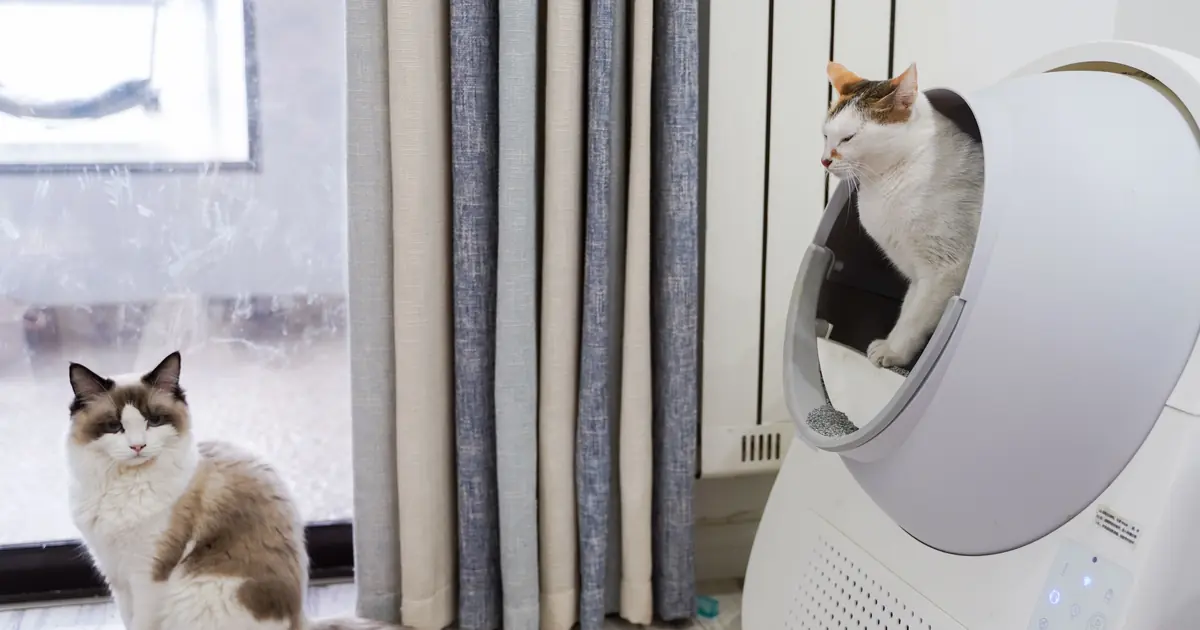
Not right away. A self-cleaning litter box costs $150 to $500 upfront, which is far more than a $10 to $20 plastic box, and you’ll still buy litter every month to refill it. Where it can save money is over time, since many self-cleaning models use clumping litter more efficiently and need less frequent full changes.
Think of it as a tradeoff: you’re paying more upfront for less scooping and, in some cases, slightly lower ongoing litter use. If the convenience matters more to you than the sticker price, it’s worth a look. Our guide to the best self-cleaning cat litter boxes breaks down which models actually earn their price tag.
How Can You Save Money on Cat Litter?
You can cut your litter costs by 20 to 30 percent without lowering your standards of cleanliness. Here’s how:
- Buy in bulk. Larger bags (18 to 40 pounds) and multi-pack cases almost always cost less per pound than small bags.
- Subscribe and save. Many retailers offer 5 to 10 percent off recurring litter orders, which adds up over a year.
- Scoop daily. Removing waste right away keeps the rest of the litter usable longer, so you need fewer full changes.
- Fill to the right depth. Two to three inches is the sweet spot. More than that wastes litter; less than that means more accidents and mess.
- Compare unit price, not bag price. A bigger bag with a higher sticker price is often cheaper per pound than the small one next to it.
If you’re still narrowing down which brand to buy in bulk, our best cat litter picks round up the top options by budget, odor control, and dust level.
Is Cheap Litter Actually Worth It?
Cheap, non-clumping clay litter is worth it for some households, but it comes with real tradeoffs. You’ll likely deal with more odor between full changes, more tracking around the house, and dustier air when you pour it. For a lot of cat parents, the extra $5 to $10 a month for a clumping or low-dust formula is worth every penny in reduced cleanup and smell.
If your cat has asthma, allergies, or is just sensitive to scent and texture, cheap litter can backfire in a bigger way: it can actually cause your cat to avoid the box altogether. That’s a cost no one budgets for, since it usually means cleaning carpet or furniture instead of just refilling a box.
This article is educational and not a substitute for veterinary advice. Don’t try to save money by scooping less often or stretching too many cats across too few boxes. A dirty or overcrowded litter box is one of the most common reasons cats stop using it, and that can snowball into stress-related urinary issues. The Cornell Feline Health Center notes that a clean, appropriately sized litter box is one of the simplest ways to prevent house-soiling behavior. If your cat has already started avoiding the box, our piece on why your cat isn’t using the litter box covers the most common causes and fixes.
Frequently Asked Questions
Q: How much does cat litter cost per year?
Most owners spend $120 to $300 a year on litter for one cat, depending on the litter type and how often they scoop and refill. Households with premium natural or crystal litters can spend closer to $250 to $400 a year.
Q: What’s the cheapest type of cat litter?
Non-clumping clay litter is usually the cheapest, often $6 to $10 a month for one cat. It costs less per bag, though you’ll likely do full box changes more often since it doesn’t clump waste for easy scooping.
Q: How much litter does one cat use in a month?
One indoor cat typically goes through 20 to 30 pounds of clumping litter a month with daily scooping and one full change. Multi-cat households or heavier litter users may go through more.
Q: Does buying litter in bulk actually save money?
Yes. Large bags of 18 to 40 pounds or multi-pack cases typically cost 20 to 30 percent less per pound than small bags. Subscription or auto-ship orders can add another 5 to 10 percent off.
Q: How much does litter cost for two cats?
Two cats typically cost $20 to $45 a month combined in litter, plus the cost of a third litter box, since vets recommend one box per cat plus one extra.
Q: Is silica crystal litter more expensive than clay?
Yes. Silica crystal litter usually costs $15 to $25 a month for one cat, compared to $10 to $15 for clumping clay. A bag of crystal litter lasts longer per pour, which offsets some of the higher price.
Q: Are self-cleaning litter boxes cheaper in the long run?
Self-cleaning boxes cost $150 to $500 upfront, far more than a standard box, and you’ll still buy litter monthly. They can reduce how often you do full changes, but they rarely make litter itself cheaper overall.
Q: Can scooping less often save money on litter?
No, it usually backfires. Waste left in the box makes the surrounding litter unusable faster and increases odor, which often means more frequent full changes, not fewer. It can also cause your cat to avoid the box.

Hello and welcome to The Ideal Cat!
We are some passionate cat owners from different professions. We love our cats and have a lot of experience in how to care for our pets. We are incredibly excited to share our knowledge, experience, and research with you. So you can take good care of your loving cat. We will answer most of the common questions about owning cats, taking care of them, etc. If you have any question contact with us. Thanks for visiting! Enjoy the content.
