You’ve probably seen it in a Facebook group or a “natural pet care” blog: a bag of white powder that promises to kill fleas without chemicals. It’s tempting, especially if your cat has ever had a bad reaction to a spot-on treatment before. But before you dust your cat like a powdered donut, it’s worth knowing what this stuff actually does once it’s on fur, in the air, and near a cat’s nose.
Here’s the thing: diatomaceous earth isn’t a scam, and it does have a real (if narrow) use for pest control. The problem is less about whether it works, and more about whether putting it directly on a cat is a good idea. Spoiler: most vets say it isn’t.
- Only food-grade diatomaceous earth is ever considered for use around cats; pool-grade or filter-grade DE is treated with heat and chemicals and is toxic to pets.
- Inhaling the fine dust from DE can irritate a cat’s lungs, throat, and eyes, and cats are especially prone to breathing it in because they groom themselves constantly.
- DE kills fleas slowly, by drying out their exoskeletons over several days, so it’s far less effective than vet-approved flea treatments for an active infestation.
- Most veterinarians recommend proven flea control products over DE, since they work faster and carry a much lower risk of harming the cat.
- DE is generally considered safer used in the home environment, like on carpets or bedding, than applied straight onto a cat’s coat.
How do you apply diatomaceous earth to a cat?
Most vets advise against applying diatomaceous earth directly to a cat at all, and that’s the honest starting point here. If you’re set on trying it anyway, it involves lightly rubbing a small amount of food-grade DE into the fur along the back, away from the face, and letting it sit before brushing it out. But the process itself is where things go wrong: cats twist, groom, and shake, which sends the fine powder into the air right where they breathe it in.
People try this method because it sounds natural and cheap compared to a vet visit or a name-brand flea product. A bag of food-grade DE costs a few dollars and feels like a simple fix. The trouble is that “natural” doesn’t automatically mean “safe for a cat’s respiratory system,” and DE’s mechanism (physically damaging small exoskeletons) doesn’t care whether it’s landing on a flea or the lining of a cat’s airway.
What is diatomaceous earth, exactly?
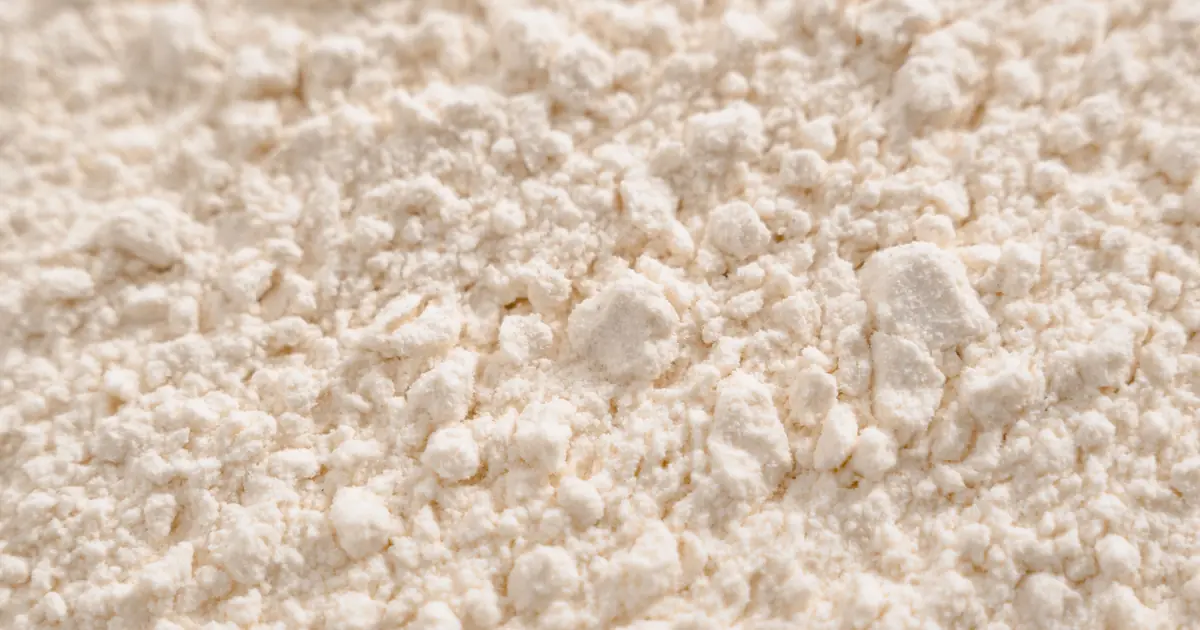
Diatomaceous earth is a soft, chalky powder made from the fossilized remains of diatoms, tiny aquatic algae with silica-based shells. Ground into a fine dust, it works on insects by scratching their waxy outer coating and drying them out over time, which is why it’s marketed as a “natural” flea and pest killer.
There are two very different grades, and mixing them up is a real danger:
- Food-grade DE: lower in crystalline silica, sold for use around gardens, livestock feed, and (with caution) pets.
- Pool-grade or filter-grade DE: heat-treated and much higher in crystalline silica, used in pool filtration systems. This form is toxic and should never touch a cat, a carpet, or a food bowl.
If a bag doesn’t clearly say “food grade” on the label, don’t use it anywhere near your cat or your home.
What are the risks of using diatomaceous earth on cats?
The biggest risk is respiratory irritation from inhaling the dust, and it’s not a minor concern. DE particles are small enough to get pulled deep into a cat’s airways, where they can irritate the lining of the lungs and trigger coughing, sneezing, or wheezing. Cats groom themselves for hours a day, which means any powder on their coat gets licked, inhaled, and rubbed straight into their eyes.
Beyond breathing problems, here’s what else can go wrong:
- Dry, irritated skin: DE is abrasive and absorbs oils, which can leave a cat’s skin flaky, itchy, or cracked with repeated use.
- Eye irritation: even a small amount of dust near the face can cause redness, tearing, or scratched corneas if a cat rubs at it.
- Unreliable flea control: DE needs several days of dry contact to kill fleas, and it washes away or clumps with any moisture, so a single application on a cat rarely knocks out an active infestation.
- False confidence: while you wait days for DE to “maybe” work, fleas keep breeding, and a mild infestation can turn into a heavy one.
The ASPCA Animal Poison Control Center and veterinary sources generally caution that any fine powder applied near a cat’s face carries inhalation risk, which is a big part of why DE isn’t a first-line recommendation from vets.
If you still want to try diatomaceous earth on your cat, how do you reduce the risk?
If you’ve decided to try it despite the warnings, the safest approach starts with your vet, not the internet. Ask your veterinarian before using DE on your cat, since they know your cat’s health history and can flag reasons to avoid it altogether, like asthma, existing skin conditions, or being a kitten.
If your vet gives the go-ahead, a few precautions cut down (though don’t eliminate) the risk:
- Use only food-grade DE. Check the bag says “food grade” explicitly.
- Use a tiny amount, a light pinch rather than a handful.
- Apply it outdoors or in a well-ventilated room, never in a closed bathroom.
- Rub it sparingly along the back and base of the tail only, keeping it well away from the face, nose, eyes, and mouth.
- Avoid letting your cat shake or roll immediately after application, since that’s what launches the dust into the air.
- Brush it out thoroughly after a short time rather than leaving it on indefinitely.
- Watch closely for coughing, sneezing, or eye irritation, and stop immediately if you see any.
Even with all of that, most vets would rather you skip putting DE on the cat entirely and use it in the environment instead, which brings a lot less direct risk to your cat’s lungs and eyes.
How do you use diatomaceous earth in the home instead of on your cat?
Dusting DE into carpets, cracks, and pet bedding is the safer way to use it, since it targets fleas in the environment rather than sitting on your cat’s fur and face. Fleas spend most of their life cycle off the animal, in carpet fibers, baseboards, and bedding, so treating those areas can actually make a bigger dent in an infestation than treating the cat directly.
To do it with less risk to everyone in the house, including you:
- Keep your cat (and yourself) out of the room while applying it.
- Wear a dust mask and gloves, since the fine particles irritate human lungs too.
- Sprinkle a light, even layer on carpets, rugs, and pet bedding, working it gently into fibers with a broom.
- Leave it undisturbed for a day or two, keeping pets away the whole time.
- Vacuum thoroughly, going over the area more than once to pull the dust back out.
- Wash pet bedding on hot afterward and repeat the process if fleas persist.
This still isn’t risk-free for a curious cat who wanders in early, so timing and ventilation matter just as much indoors as they would applying it directly to fur.
Why do vets usually recommend flea treatments over diatomaceous earth?
Vet-recommended flea products work faster, kill more reliably, and go through actual safety testing for use on cats, which DE has never been formally evaluated for. Spot-on treatments and oral flea medications target fleas at multiple life stages, often within 24 to 48 hours, compared to the several days (or longer) DE can take to dry out even a portion of an adult flea population.
If you’re dealing with an active infestation, it’s worth reading up on how to get rid of cat fleas and comparing options in a guide to the best cat flea treatment for your cat’s age and weight. Not sure your cat even has fleas versus something else itchy going on? A quick check on how to tell if your cat has fleas can save you from treating the wrong problem. And if bathing is part of your plan, a look at the best cat flea shampoo options is a gentler place to start than a DIY powder.
According to the Cornell Feline Health Center, effective flea control usually needs to address the pet, the home, and the yard together, which is exactly what modern flea treatments are formulated to support.
| Method | Effectiveness | Safety for cats |
|---|---|---|
| Food-grade DE applied to the cat | Low and slow; may reduce some fleas over several days | Higher risk: inhalation, eye, and skin irritation are real concerns |
| DE used in the home (carpets, bedding) | Moderate; helps reduce environmental flea populations | Lower risk to the cat if applied away from pets and vacuumed up |
| Vet-recommended flea treatment (spot-on/oral) | High; kills fleas within 24 to 48 hours, often at multiple life stages | Tested and labeled specifically for cats when used as directed |
When should you see a vet about fleas or diatomaceous earth exposure?
Call your vet right away if your cat is coughing, sneezing, or seems to have trouble breathing after any exposure to diatomaceous earth. Those signs point to airway irritation and shouldn’t be waited out at home. You should also reach out to your vet if you notice a heavy flea infestation, since a bad case can lead to anemia (especially in kittens or older cats), tapeworms, or skin infections from constant scratching.
Other reasons to book a visit include pale gums, unusual lethargy, or a kitten with fleas, since kittens have far less blood volume to spare and can get sick from flea-related blood loss faster than adult cats. If you’re ever unsure whether a symptom is from fleas, DE, or something else entirely, a vet exam is always the safer call than guessing.
This article is for general education and isn’t a substitute for veterinary advice. Diatomaceous earth carries real risks when used on cats, and most veterinarians recommend proven flea control products instead. Always talk to your vet before using DE around your cat, and never use pool-grade or filter-grade DE on pets or in the home.
Frequently Asked Questions
Q: Can I put diatomaceous earth directly on my cat’s fur?
You can, but most vets advise against it because the fine dust can irritate a cat’s lungs and eyes, especially since cats groom constantly and inhale loose particles. If you choose to anyway, only food-grade DE should ever be used, applied sparingly and away from the face.
Q: Is diatomaceous earth safe for cats to breathe?
No, inhaling diatomaceous earth is not considered safe for cats. The fine particles can irritate the airways and lungs, which is one of the main reasons vets steer pet parents toward flea treatments made specifically for cats instead.
Q: What’s the difference between food-grade and pool-grade diatomaceous earth?
Food-grade DE has a much lower concentration of crystalline silica and is the only type ever considered for use around pets. Pool-grade (filter-grade) DE is heat-treated and much higher in crystalline silica, making it toxic if ingested or inhaled by a cat.
Q: How long does it take diatomaceous earth to kill fleas?
DE typically needs several days of dry, continuous contact to dry out and kill adult fleas, since it works by damaging their exoskeleton rather than acting as an instant poison. This is much slower than vet-approved flea treatments, which often start killing fleas within 24 to 48 hours.
Q: Can diatomaceous earth hurt my cat’s skin?
Yes, DE is a drying, abrasive powder that can leave a cat’s skin flaky, itchy, or cracked with repeated use. This is especially likely on cats with existing skin sensitivities or allergies.
Q: Is diatomaceous earth better than flea medicine for cats?
No, vet-recommended flea medications are generally faster, more reliable, and specifically tested for use on cats, while DE is slower and carries inhalation and skin risks. Most vets recommend proven flea treatments as the first choice, especially for an active infestation.
Q: Can I use diatomaceous earth on carpets if I have a cat?
Yes, using food-grade DE on carpets and bedding is generally considered lower-risk than applying it directly to your cat, since it targets fleas in the environment. Keep your cat out of the room during application and vacuum thoroughly afterward to limit dust exposure.
Q: What should I do if my cat inhales diatomaceous earth and starts coughing?
Move your cat to fresh air right away and contact your veterinarian, especially if the coughing, sneezing, or labored breathing doesn’t stop quickly. These are signs of airway irritation that a vet should evaluate rather than something to just wait out at home.

Hello and welcome to The Ideal Cat!
We are some passionate cat owners from different professions. We love our cats and have a lot of experience in how to care for our pets. We are incredibly excited to share our knowledge, experience, and research with you. So you can take good care of your loving cat. We will answer most of the common questions about owning cats, taking care of them, etc. If you have any question contact with us. Thanks for visiting! Enjoy the content.
)