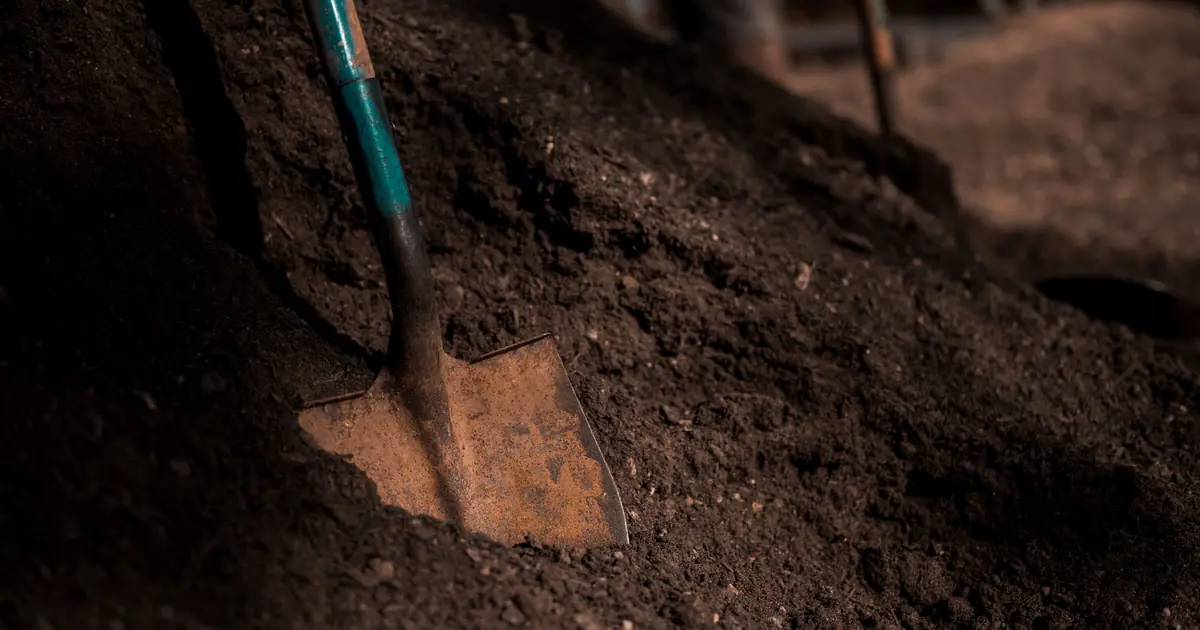
Maybe you’ve run out of litter, you’re camping with your cat, or you’re just wondering if that bag of soil in the garage could save you a store run. It’s a reasonable question, cats do bury their business in dirt outdoors, after all.
So dirt “works,” but there are real catches. Here’s when it’s fine and when it’s a bad idea.
- Dirt can work as emergency cat litter since cats naturally bury waste in soil.
- It’s a poor long-term choice: heavy tracking, weak odor control, and no clumping.
- Outdoor soil may carry parasites, fungi, pesticides, or fertilizer that can harm cats.
- Use only clean, untreated potting-type soil, and switch back to real litter as soon as you can.
- Sudden litter changes can cause a cat to avoid the box, so transition gradually.
Can you use dirt as cat litter?
Yes, you can use dirt as a short-term cat litter substitute. Cats have a deep instinct to dig and bury their waste in loose, earthy material, so most will readily use plain soil. In an emergency, running out of litter, an unexpected trip, a sudden move, clean dirt will do the job. The problem isn’t whether cats will use it; it’s everything that comes with it.
Why isn’t dirt a good long-term litter?
Dirt falls short of real litter in the ways that matter most day to day. It doesn’t clump, so scooping is messy and incomplete. It controls odor poorly, so the box smells fast. And it tracks badly, damp soil sticks to paws and ends up across your floors. Over time that means a dirtier box, a smellier home, and a cat that may start avoiding the box altogether.
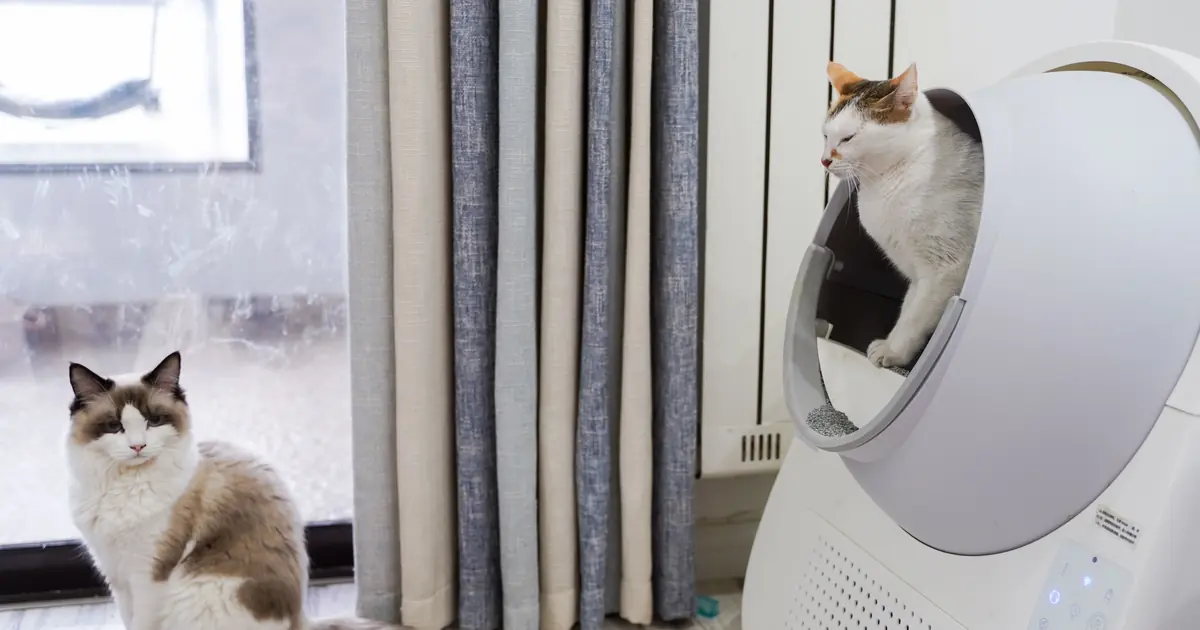
Is outdoor dirt safe for cats?
Outdoor soil carries risks you can’t always see. Garden or yard dirt may contain parasites (including Toxoplasma), fungal spores, bacteria, pesticides, herbicides, or fertilizer, any of which can make a cat sick if ingested during grooming or if it irritates the skin and paws. Toxoplasmosis is also a concern for pregnant people handling soil-based waste, which we cover in cat poop and pregnancy, and the CDC explains how the parasite spreads through contaminated soil. If you must use dirt, choose clean, untreated potting soil rather than random yard dirt.
How does dirt compare to regular cat litter?
Here’s a realistic side-by-side so you know exactly what you’re trading off.
| Factor | Dirt | Cat litter |
|---|---|---|
| Odor control | Poor | Good to excellent |
| Clumping / scooping | None, messy | Easy (clumping types) |
| Tracking | Heavy, especially when damp | Varies, generally less |
| Safety | Possible parasites/chemicals | Formulated and clean |
| Cost | Free/cheap | Ongoing cost |
How do you use dirt as litter safely?
If dirt is your only option, keep it clean and temporary:
- Use clean, untreated soil (bagged potting soil without added fertilizer or chemicals), not yard dirt.
- Fill the box a few inches deep so your cat can dig and bury.
- Scoop often, dirt won’t clump, so remove waste promptly to limit odor and bacteria.
- Change it frequently and wash the box more often than usual.
- Switch back to real litter soon, and transition gradually to avoid box avoidance.
If your setup or box size is part of the problem, see how many litter boxes per cat and how big a litter box should be.
What are better emergency alternatives?
Before dirt, a few household options are often cleaner and safer, shredded newspaper, plain sand, or chick starter/wood pellets. When you restock, transitioning between litter types matters; mixing can backfire, as we explain in can you mix clumping and non-clumping litter. This article is educational and not a substitute for veterinary advice; if your cat stops using the box or seems unwell after a litter change, check with your vet. The ASPCA’s litter box guidance is a solid reference.
Frequently Asked Questions
Q: Can I use dirt instead of cat litter in an emergency?
Yes, temporarily. Cats instinctively bury waste in soil, so clean, untreated dirt works as a short-term backup. Just switch back to real litter soon, since dirt tracks, smells, and can carry contaminants.
Q: Is garden soil safe for my cat’s litter box?
Not ideally. Yard and garden soil can contain parasites, fungi, pesticides, or fertilizer that may harm your cat. If you must use dirt, choose clean bagged potting soil without added chemicals.
Q: Why is dirt bad as regular cat litter?
Dirt doesn’t clump, controls odor poorly, and tracks heavily when damp. That makes the box hard to keep clean and smelly, which can lead a cat to avoid it over time.
Q: Will my cat use dirt as litter?
Most cats will, because digging and burying in loose earth is a strong instinct. Acceptance usually isn’t the issue, cleanliness, odor, and tracking are.
Q: What can I use if I run out of cat litter?
Good short-term options include shredded newspaper, plain sand, wood pellets, or clean potting soil. Whatever you use, scoop often and return to regular litter as soon as possible.
Q: Can dirt in the litter box make my cat sick?
It can if the soil carries parasites, chemicals, or fertilizer, which a cat may ingest while grooming its paws. Using clean, untreated soil and changing it often reduces the risk.

Hello and welcome to The Ideal Cat!
We are some passionate cat owners from different professions. We love our cats and have a lot of experience in how to care for our pets. We are incredibly excited to share our knowledge, experience, and research with you. So you can take good care of your loving cat. We will answer most of the common questions about owning cats, taking care of them, etc. If you have any question contact with us. Thanks for visiting! Enjoy the content.
