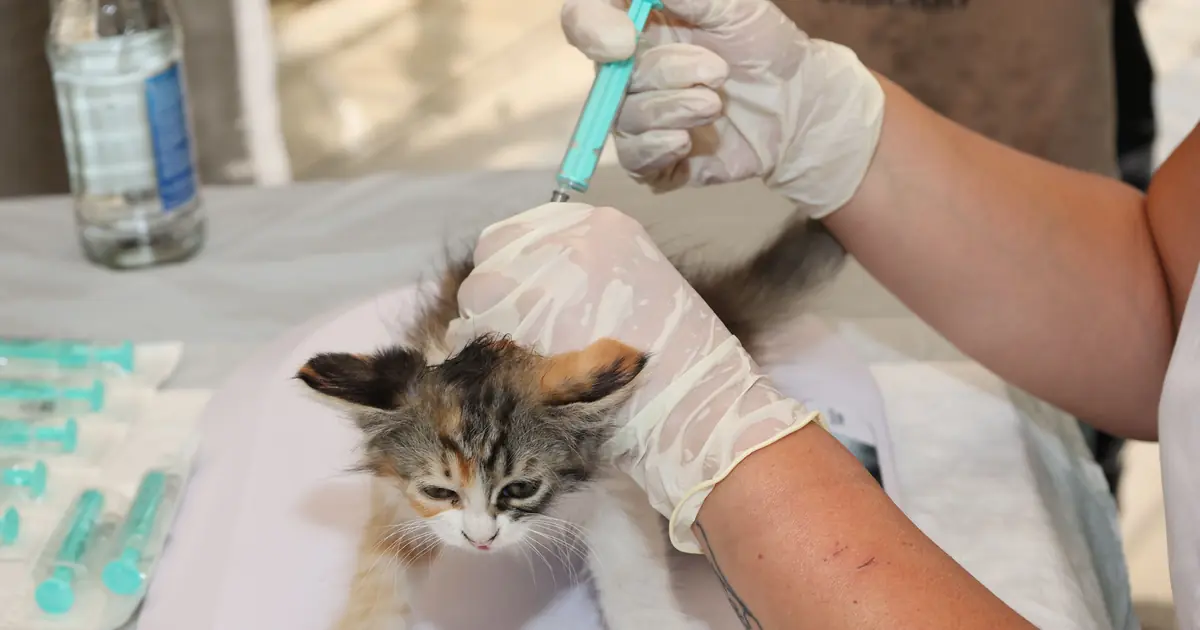
You booked your kitten’s first vet visit, and the front desk mentions the rabies shot. And a little voice in your head goes: “Wait, she’s an indoor cat. Does she really need that?” It’s one of the most common questions cat parents ask, and honestly, it’s a fair one. Your cat may never set a paw outside. So why the shot?
Here’s the short version. The rabies vaccine protects your cat from a disease that’s almost always deadly, and it’s required by law for cats in most of the United States. Let’s walk through what the vaccine does, when your cat needs it, what it costs, and why even a strictly-indoor cat usually still gets one.
- The rabies vaccine protects cats against a virus that is nearly 100% fatal once symptoms appear and can spread to humans.
- A kitten’s first rabies shot is typically given at 12 to 16 weeks old, boosted at one year, then renewed every 1 to 3 years.
- Rabies vaccination is required by law for cats in most U.S. states and municipalities, regardless of whether the cat goes outside.
- Indoor cats still need the vaccine because they can slip outdoors or encounter a bat that gets inside the house.
- A cat rabies vaccine usually costs about $20 to $60, and most cats have no side effects beyond brief soreness or tiredness.
What is the rabies vaccine and why does it matter?
The rabies vaccine is a shot that trains your cat’s immune system to fight the rabies virus before the virus ever gets a chance to take hold. Rabies is a viral disease that attacks the brain and nervous system, and it spreads through the saliva of infected animals, usually by a bite.
Here’s why vets treat rabies so seriously. Once a cat starts showing rabies symptoms, the disease is almost always fatal, and there is no cure. Rabies is also zoonotic, which means it can pass from animals to people. In the U.S., cats are actually the most commonly reported rabid domestic animal, mostly because fewer cats are vaccinated than dogs. So this one shot protects your cat, your family, and your community all at once.
The virus reaches cats through wildlife that carry it: bats, raccoons, skunks, and foxes are the usual suspects. According to the American Veterinary Medical Association, keeping pets vaccinated is one of the main ways rabies is kept in check in the U.S.
When should a cat get the rabies vaccine? (the schedule)
Most kittens get their first rabies vaccine around 12 to 16 weeks of age. After that first shot, your cat gets a booster one year later, and then a renewal every 1 to 3 years for life, depending on which vaccine your vet uses and what your local law requires.
The gap between renewals comes down to the product. Some rabies vaccines are labeled to last one year, others three years. Your vet picks based on the vaccine on hand, your cat’s health, and your city or state rules. Here’s the typical timeline at a glance.
| Life stage / age | Rabies vaccine timing |
|---|---|
| 12 to 16 weeks old | First rabies vaccine |
| 1 year after the first shot | First booster (required to keep protection current) |
| Adult cat, ongoing | Renewed every 1 or 3 years, based on the vaccine and local law |
| Adopted adult with unknown history | One rabies shot, then a booster in 1 year, then the regular cycle |
If you’re just starting your kitten’s shot series, rabies is one of several vaccines they’ll get, alongside protection against common feline viruses. This is a great time to also talk to your vet about parasite treatment and prevention, since kittens often need deworming too.
Is the rabies vaccine legally required for cats?
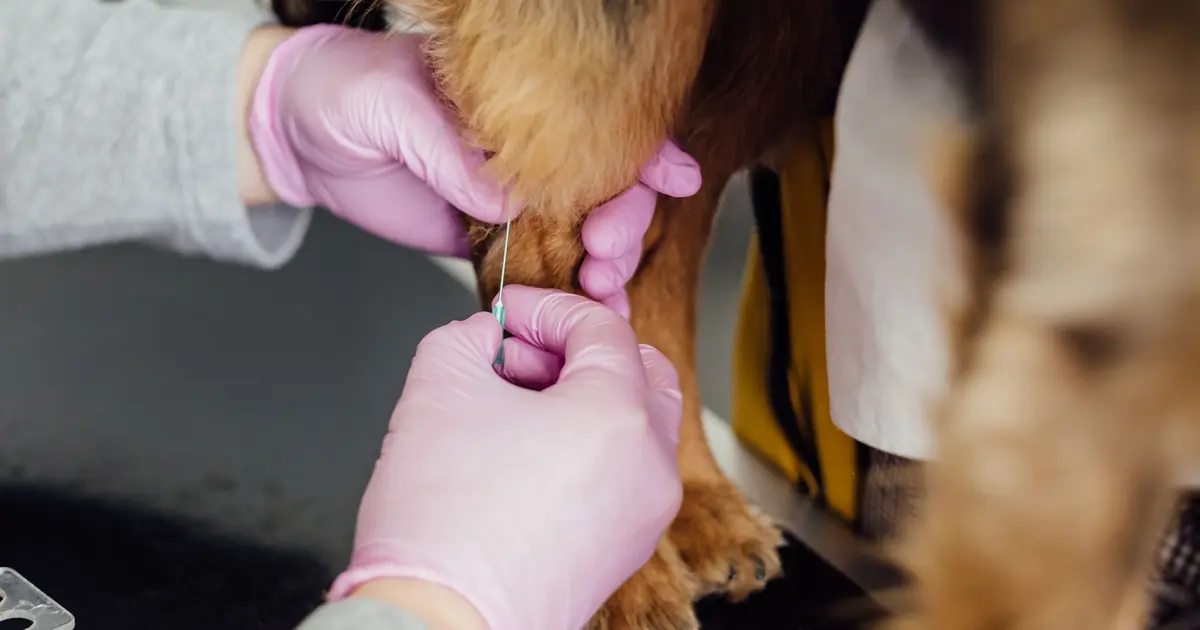
Yes. Rabies vaccination is legally required for cats in most U.S. states and many local counties and cities. The exact rule varies by where you live, but a large majority of areas mandate it, and some won’t license your pet or let you use boarding, grooming, or daycare without proof.
Rabies is the only cat vaccine that’s commonly written into law, and that’s because it’s a public-health issue, not just a pet-health one. A few states leave it up to counties, and a small number don’t have a statewide feline mandate, so the smart move is to check your local animal-control or public-health website. Your vet will also know your area’s rules and can give you the official vaccination certificate you may need.
Do indoor cats need the rabies vaccine?
In most cases, yes, indoor cats still need the rabies vaccine, both because the law usually requires it and because “indoor only” is never a full guarantee. Cats are escape artists. A door left open a beat too long, a torn screen, or a dash during a move, and suddenly your homebody is outside.
And then there’s the bat problem. Bats are a leading rabies carrier in the U.S., and they can get into homes through chimneys, attics, and gaps you didn’t know existed. A cat who corners a bat in the living room has had a rabies exposure, plain and simple. The CDC recommends keeping cats up to date on rabies shots as a core part of preventing the disease. So even for a couch-potato cat, this vaccine is cheap insurance against a deadly, legally-tracked disease.
How much does a cat rabies vaccine cost?
A cat rabies vaccine usually costs about $20 to $60 at most veterinary clinics. The price swings based on your location, your vet, and whether you’re paying for a single shot or a bundled kitten or wellness visit.
Low-cost options exist too. Many animal shelters, humane societies, and community clinics run rabies vaccine events where the shot costs $10 to $30, sometimes less. If you’re already budgeting for a vet visit, it helps to know the going rates for other common procedures too, like the cost to neuter a cat, so nothing catches you off guard.
What are the side effects of the rabies vaccine in cats?
Most cats have no side effects from the rabies vaccine, or only mild ones that pass within a day or two. The common reactions are brief tiredness, a little soreness or a small lump at the injection site, mild fussiness, or a slightly reduced appetite.
Serious reactions are rare. In uncommon cases a cat can have an allergic response with facial swelling, hives, vomiting, or trouble breathing, and that needs a vet right away. There’s also a very rare condition called an injection-site sarcoma, a tumor that can form where a shot was given. It’s uncommon, and vets manage the risk by using modern vaccines and following careful injection guidelines. The Cornell Feline Health Center notes that for the vast majority of cats, the benefit of vaccinating far outweighs these small risks.
Call your vet if you notice a lump at the injection site that’s still there after about three weeks, keeps growing, or grows larger than a pea. When in doubt, a quick phone call to your clinic is always the right move.
What’s the difference between the 1-year and 3-year rabies vaccine?
The main difference between the 1-year and 3-year rabies vaccine is how long each is licensed to protect your cat before a renewal is due. A cat’s very first rabies shot is always treated as a 1-year vaccine, and only after the first booster can a cat move onto a 3-year schedule, if the vet uses a 3-year product and local law allows it.
Some vets prefer a non-adjuvanted rabies vaccine, which is often labeled for one year and is designed to lower the risk of injection-site reactions. Others use a 3-year adjuvanted vaccine so cats need fewer visits. Neither is “better” across the board; the right pick depends on your cat, your vet’s judgment, and your city or state law. Your local rules can actually override the vaccine label, so even a 3-year product might legally need annual renewal in some places.
What happens if an unvaccinated cat bites someone or is exposed to rabies?
If an unvaccinated cat bites a person or is exposed to a possibly rabid animal, the situation gets serious fast, and that’s the strongest practical reason to stay current. An unvaccinated cat that bites someone may be subject to a strict quarantine, and in a suspected exposure, unvaccinated animals can face long isolation periods set by local health authorities.
A vaccinated cat, by contrast, usually just needs a booster and a shorter observation window. Any cat bite to a person should be washed well and checked by a doctor, since bites can get infected and rabies risk has to be ruled out. If your cat bites you, our guide on what to do if your cat bites you walks through cleaning the wound and knowing when to seek care. And if a bite wound on your cat swells or forms a pocket of pus, that could be a cat abscess that needs a vet.
This article is educational and isn’t a substitute for veterinary advice. Rabies is a serious public-health issue, so follow your veterinarian’s guidance and your local vaccination laws, and any bite or possible rabies exposure needs prompt medical and veterinary attention.
Frequently asked questions about the cat rabies vaccine
Q: How often do cats need a rabies vaccine?
Cats need a rabies vaccine every 1 to 3 years after their first two shots, depending on the vaccine used and local law. The first shot goes to kittens around 12 to 16 weeks, followed by a booster one year later, then a renewal on the 1 or 3-year cycle your vet and city require.
Q: At what age do kittens get their first rabies shot?
Kittens usually get their first rabies vaccine between 12 and 16 weeks of age. Some areas allow it as early as 12 weeks. Your vet will time it with the rest of your kitten’s vaccine series and give you a certificate showing the date.
Q: Can an indoor cat skip the rabies vaccine?
Usually not. Rabies vaccination is required by law for cats in most U.S. areas, indoor or not. Indoor cats can also escape outside or run into a bat that gets into the house, so the shot protects them even if they never go out on purpose.
Q: How much does a rabies shot cost for a cat?
A cat rabies vaccine typically costs about $20 to $60 at a vet clinic. Low-cost clinics, shelters, and community vaccine events often offer it for $10 to $30. Prices vary by location and whether it’s part of a larger wellness visit.
Q: Are there side effects from the cat rabies vaccine?
Most cats have no side effects or just mild ones like brief tiredness, soreness, or a small lump at the injection site that fades in a day or two. Serious allergic reactions are rare. Call your vet if a lump lasts more than three weeks, keeps growing, or gets larger than a pea.
Q: Is the rabies vaccine required by law for cats?
Yes, in most U.S. states and local jurisdictions rabies vaccination is legally required for cats. Rules vary by where you live, and some areas won’t license, board, or groom a pet without proof. Check your local animal-control or public-health website, or ask your vet.
Q: What’s the difference between the 1-year and 3-year rabies vaccine for cats?
The difference is how long each is licensed to protect before a renewal is due. A cat’s first rabies shot always counts as a 1-year vaccine; only after the first booster can a cat move to a 3-year product. Local law can still require annual renewal even with a 3-year vaccine.
Q: What happens if my cat’s rabies vaccine is overdue?
An overdue cat is treated as unvaccinated until it’s caught up, which matters a lot if it bites someone or is exposed to a rabid animal, since that can mean a long quarantine. Schedule a booster as soon as you can and keep the new certificate for licensing and any future vet, boarding, or grooming needs.

Hello and welcome to The Ideal Cat!
We are some passionate cat owners from different professions. We love our cats and have a lot of experience in how to care for our pets. We are incredibly excited to share our knowledge, experience, and research with you. So you can take good care of your loving cat. We will answer most of the common questions about owning cats, taking care of them, etc. If you have any question contact with us. Thanks for visiting! Enjoy the content.
