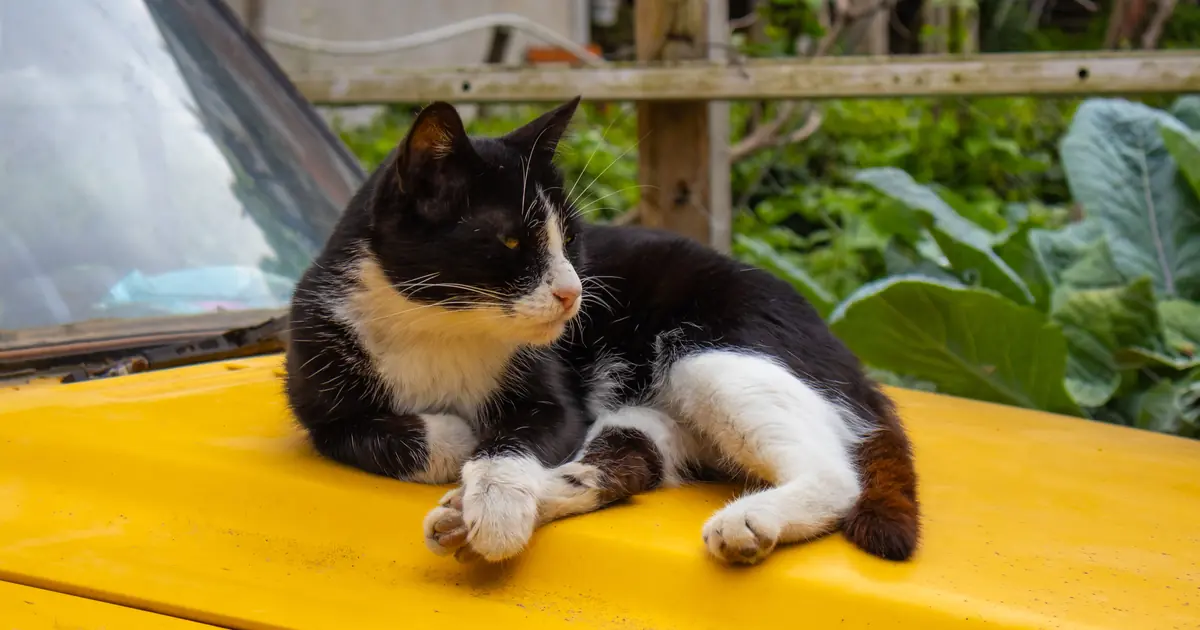
Tuxedo cats have a reputation, sometimes as goofy little clowns, sometimes as scary-smart escape artists. So which is it? Are these dapper cats actually dim?
Here’s the honest answer about tuxedo cats and intelligence, and where the myth comes from.
- Tuxedo cats are not dumb, coat color has no proven effect on intelligence.
- “Tuxedo” is a black-and-white coat pattern, not a breed with fixed traits.
- Intelligence comes from genetics, environment, and individual personality.
- Many tuxedo cats are seen as clever, curious, playful, and affectionate.
- Any “dumb” or “smart” color reputation is anecdotal, not scientific.
Are tuxedo cats dumb?
No, tuxedo cats are not dumb. “Tuxedo” refers only to a black-and-white coat pattern, not a breed, and there’s no scientific evidence linking coat color to intelligence. Tuxedo cats can be found in many breeds and mixed backgrounds, and their smarts vary just like any other cat’s. In fact, many owners describe tuxedo cats as bright, curious, playful, and mischievous. So the idea that a tuxedo coat makes a cat less intelligent is a myth, personality and brains come from elsewhere.
Does coat color affect cat intelligence?
No, a cat’s coat color or pattern does not determine how smart it is. The genes for a tuxedo (black-and-white) pattern have nothing to do with the traits that shape intelligence and problem-solving. Cat smarts depend on genetics, early experiences, environment, and individual temperament, not fur. People form strong impressions about certain colors (some call orange cats goofy, tuxedos clever, and so on), but these are anecdotal stereotypes, not proven patterns. This is the same reasoning behind whether orange cats are dumb (also a myth).
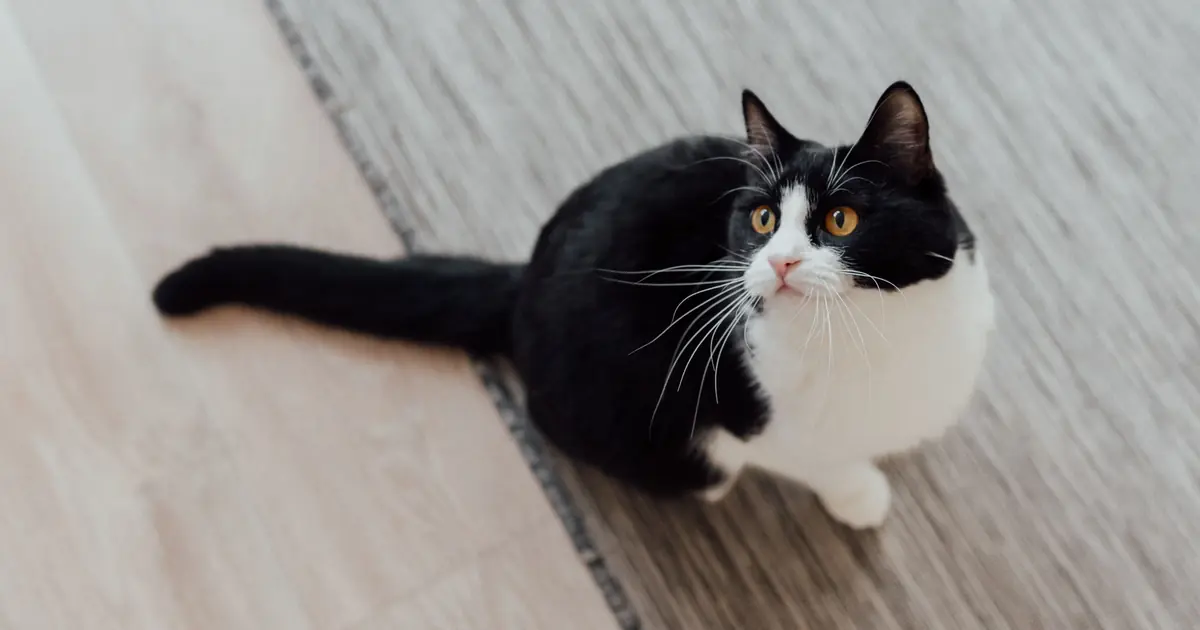
Where does the “dumb tuxedo cat” idea come from?
The stereotype comes from anecdotes and personality impressions, not data. Tuxedo cats are often described as playful, goofy, and full of antics, and that clownish charm can be misread as “not too bright” when it’s really just a fun-loving personality. Human brains love to attach traits to appearances, so a striking, common pattern like the tuxedo picks up folklore over time. But entertaining behavior isn’t a lack of intelligence, in fact, curious, mischievous cats are often quite clever. The reputation says more about our storytelling than about the cats.
Coat-color myths vs what really shapes a cat
Here’s the reality check.
| Claim | Reality |
|---|---|
| Tuxedo cats are dumb | Myth, no link between color and intelligence |
| Coat color sets personality | Weak, inconsistent evidence at best |
| Intelligence is genetic and learned | True, plus environment and personality |
| Tuxedo is a breed | False, it’s just a color pattern |
What are tuxedo cats actually like?
Tuxedo cats are as varied as cats come, since they span many breeds and mixes, but they’re frequently described as affectionate, playful, curious, and outgoing. Some are lap cats, some are athletic goofballs, and plenty are quick learners who figure out doors, drawers, and games. Because “tuxedo” isn’t a breed, the best predictor of a specific cat’s personality and intelligence is the individual cat, plus any breed heritage, not the coat. This article is educational; the smartest cats are usually the well-stimulated ones, so enrichment matters more than color, and you can compare notes with the smartest cat breeds and how coat-color myths pop up in whether black cats are more vocal. Reliable behavior guidance comes from the ASPCA and International Cat Care.
Frequently Asked Questions
Q: Are tuxedo cats less intelligent than other cats?
No. Coat color has no proven link to intelligence. Tuxedo is just a black-and-white pattern, not a breed, so these cats are as smart and varied as any others. Many are described as clever, curious, and playful.
Q: Is “tuxedo” a cat breed?
No. Tuxedo describes a black-and-white coat pattern that appears across many breeds and mixed-breed cats. Because it’s not a breed, tuxedo cats don’t share fixed personality or intelligence traits, each one is an individual.
Q: Does a cat’s color affect its personality?
Evidence for color-personality links is weak and inconsistent. People form strong impressions (goofy orange cats, clever tuxedos), but personality is shaped far more by genetics, environment, and the individual cat than by coat color.
Q: Why do tuxedo cats seem goofy?
Many tuxedo cats have playful, mischievous, antic-filled personalities, which can look “goofy.” But that’s fun-loving charm, not a lack of brains. Curious, playful cats are often quite clever, they just entertain us while being smart.
Q: Are tuxedo cats good pets?
Yes. Tuxedo cats are often affectionate, playful, curious, and outgoing, and make wonderful companions. Since “tuxedo” isn’t a breed, judge a specific cat by its individual personality and any breed heritage rather than the coat pattern.
Q: How can I tell if my cat is smart?
Look at problem-solving, curiosity, learning tricks, and figuring out doors or puzzles, not coat color. Provide enrichment like puzzle feeders and interactive play; a well-stimulated cat shows its intelligence best. Smarts vary by individual, whatever the fur.

Hello and welcome to The Ideal Cat!
We are some passionate cat owners from different professions. We love our cats and have a lot of experience in how to care for our pets. We are incredibly excited to share our knowledge, experience, and research with you. So you can take good care of your loving cat. We will answer most of the common questions about owning cats, taking care of them, etc. If you have any question contact with us. Thanks for visiting! Enjoy the content.
