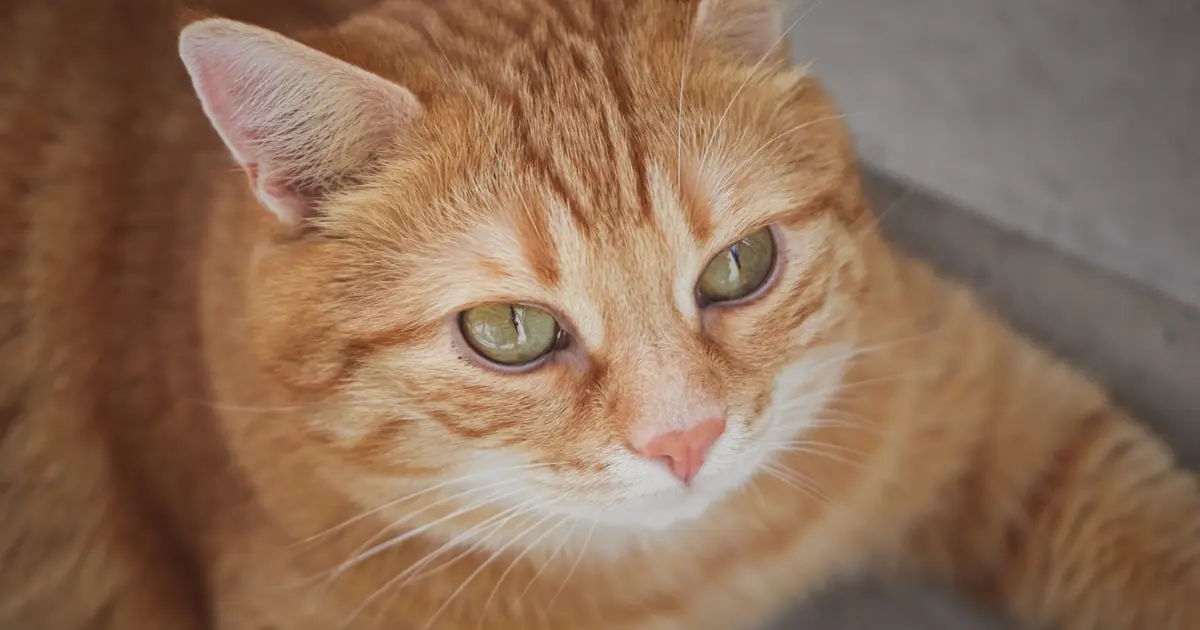
If you’ve spent any time on cat TikTok, you’ve seen the jokes. Orange cats knocking a full glass of water off the counter while making eye contact with you. Orange cats getting stuck in a paper bag they walked into on purpose. The internet has decided orange cats share one collective brain cell, and honestly, the memes are pretty funny.
But funny isn’t the same as true. As someone who has watched way too many orange cat videos (research, obviously), I can tell you the “dumb orange cat” thing is a stereotype, not a fact. Let’s clear this up properly, because these goofy, loud, cuddly cats deserve better than a punchline.
- Coat color does not determine a cat’s intelligence. No peer-reviewed study links fur color to problem-solving ability or learning speed.
- About 80% of orange cats are male because the orange gene sits on the X chromosome, which makes the color pattern much easier for males to inherit.
- The “goofy orange cat” stereotype comes from internet memes, plus the fact that orange cats tend to be male, and male cats (especially unneutered ones) are often bolder and more likely to roam or get into trouble.
- Some owner surveys suggest people perceive certain coat colors as friendlier or more aggressive, but that reflects human perception, not measured intelligence.
- A cat’s personality comes from genetics, early socialization, and environment, not the pigment in its fur.
Are orange cats actually dumb?
No. There is no scientific evidence that orange cats are less intelligent than cats of any other color. Coat color genes and the genes that shape brain development and cognition are separate systems entirely. An orange tabby cat learns, problem-solves, and remembers just as well as a black cat, a gray cat, or a calico. The “dumb orange cat” idea is a personality stereotype, not a measured trait, and it says a lot more about internet culture than it does about actual feline brains.
Where did the “dumb orange cat” stereotype even come from?
The stereotype mostly comes from social media, not science. “Orange cat behavior” became a meme format for chaotic, impulsive, slightly unhinged cat antics, think knocking things over on purpose, walking straight into closed doors, or getting spooked by a cucumber. People started joking that orange cats “share one brain cell,” and the bit stuck because it’s relatable and cute, not because anyone tested it.
Part of why the meme spread so fast is that orange cats are genuinely more common as males, and male cats as a group tend to be bolder, more exploratory, and more prone to getting themselves into silly situations, especially before they’re neutered. So the “orange cat behavior” videos are really capturing a male-cat pattern, dressed up as a color thing.
What does science actually say about coat color and personality?
Science says the evidence is thin and mostly based on how owners perceive their cats, not on tested behavior. A well-known University of California, Davis survey of over 1,200 cat owners found that people reported tortoiseshell and calico cats as more likely to hiss, swat, or bite, while gray-and-white and tabby cats were reported as calmer, and orange cats didn’t stand out as either the friendliest or the most aggressive group overall.
Here’s the catch: that survey measured what owners believed about their cats, not controlled behavioral testing. As veterinary reporting on the study notes, self-reported surveys capture perception, and perception can be shaped by stereotypes people already hold about certain colors. So while there’s a real, published pattern in how people describe cats by color, it is not proof that fur pigment causes any personality trait, and it says nothing at all about intelligence.
Why do orange cats seem so goofy or bold?
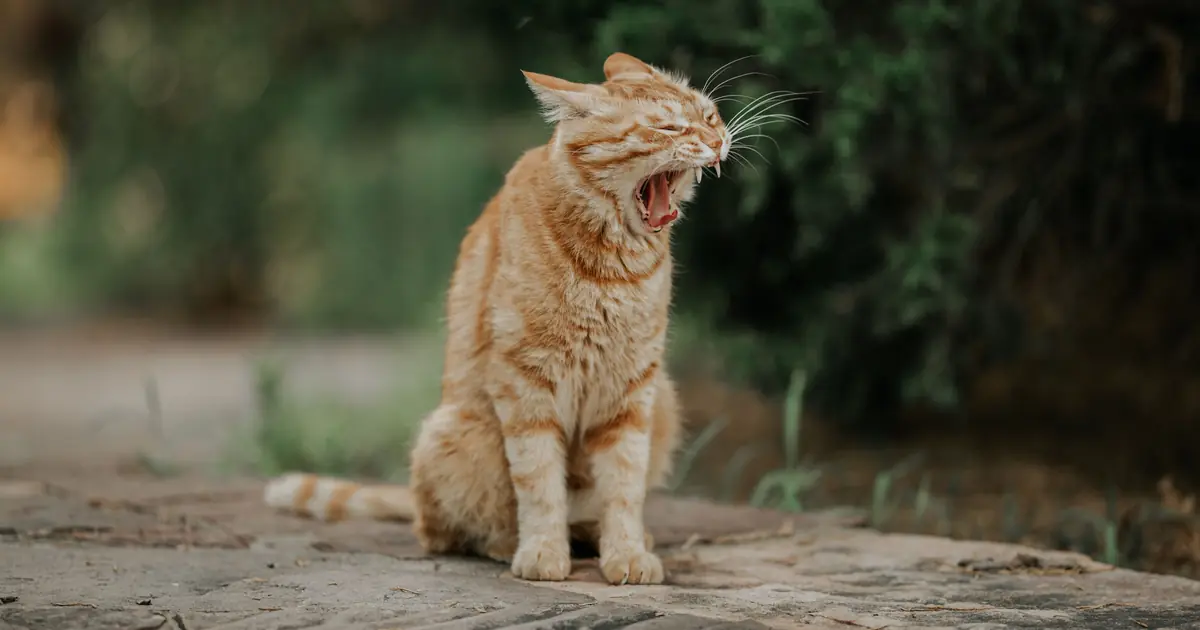
Orange cats seem goofy and bold mostly because of sex, not color. Since roughly 80% of orange cats are male, most of what people call “orange cat energy” is really typical male cat behavior: more confidence, more willingness to explore, and more of that “act first, think later” streak. Unneutered males in particular tend to roam farther, take more physical risks, and get into more scrapes, which makes for great video content and not-so-great decision-making.
Add in that orange cats are highly visible (that bright coat draws the camera every time) and you get a perfect storm: a mostly-male group of confident, curious cats who happen to photograph and film beautifully while doing something ridiculous. That’s a recipe for viral clips, not a lower IQ.
Why are most orange cats male?
Most orange cats are male because the orange color gene sits on the X chromosome. Male cats only have one X chromosome (plus a Y), so a single copy of the orange gene is enough to make them fully orange. Female cats have two X chromosomes, so they need the orange gene on both to be solid orange, which happens far less often. That’s why an estimated 80% of orange or ginger cats are male, according to coat color genetics research from the UC Davis Veterinary Genetics Laboratory. It’s also why calico and tortoiseshell cats, which carry both orange and black on different X chromosomes, are almost always female.
This same X-linked quirk explains why truly orange female cats are considered rare and are sometimes even prized by breeders. If you’ve ever wondered why some orange cats seem more feisty than others, sex and individual temperament play a much bigger role than coat color itself.
Do orange cats have a distinct personality?
Not because of their color, no. Individual personality in cats comes from a mix of genetics, early kitten socialization (especially handling between two and seven weeks old), and the environment a cat grows up in, not from pigment. Two orange cats raised in different homes can end up with completely different temperaments: one shy and clingy, one bold and independent. Breed also plays a bigger role than color; for instance, plenty of orange cats are Domestic Shorthairs with mixed backgrounds, while some come from breeds recognized as being among the smartest cat breeds, like the Abyssinian, which does produce orange or “ruddy” individuals.
What is true is that many orange cat owners describe their cats as extra affectionate and people-oriented, which lines up with orange cats often being cited among the most affectionate cat personalities in casual owner polls. Affectionate is not the same as unintelligent. If anything, a cat that’s confident enough to demand attention, headbutt you awake, and steal your seat the second you stand up is showing social smarts, not a lack of them.
Fun facts about orange and ginger cats
Every orange cat, technically, is a tabby underneath. The orange gene doesn’t erase tabby markings, it just changes their color, so if you look closely you’ll usually spot faint stripes or a classic “M” marking on the forehead, a hallmark of tabby cat patterning. Some other fun, verifiable facts:
- Orange coloring can appear across many breeds and mixes, not one specific breed, which is why orange cats come in every coat length and body type.
- Famous fictional orange cats include Garfield and Puss in Boots, which has only fed the “lazy, food-obsessed orange cat” stereotype further.
- Orange cats can have green, gold, copper, or hazel eyes, and some develop striking amber or orange-toned eyes that seem to match their coat.
- Picking a name is half the fun of bringing one home; if you’re stuck, there’s a whole list of orange cat name ideas built around their sunny look and big personalities.
Myth vs. reality: orange cat edition
| The Myth | The Reality |
|---|---|
| Orange cats are dumb | No link exists between coat color and intelligence; behavior differences trace back to sex ratio and individual temperament, not brainpower. |
| All orange cats are male | About 80% are male, but female orange cats do exist, they’re just genetically rarer since they need the orange gene on both X chromosomes. |
| All orange cats are friendly | Friendliness varies cat to cat; some owner surveys note orange cats as social, but this is a trend in reported perception, not a guarantee for every cat. |
| Orange cats are lazy | Activity level depends on the individual cat, age, and health, not fur color; plenty of orange cats are high-energy hunters and climbers. |
One more honest note: a cat’s intelligence, no matter the color, still needs to be nurtured. Puzzle feeders, climbing space, and daily play keep any cat’s mind sharp. And if a cat of any color suddenly seems confused, disoriented, or struggles with things it used to know how to do, that’s worth a vet visit, not a coat-color joke. Sudden changes in learning or awareness, especially in senior cats, can point to a real medical issue like feline cognitive dysfunction, and a licensed veterinarian is the right person to check it out. This article is educational and isn’t a substitute for veterinary care.
Frequently Asked Questions
Q: Are orange cats less intelligent than other cats?
No. There’s no scientific evidence linking coat color to intelligence in cats. Orange cats learn, problem-solve, and remember at the same range as cats of any other color.
Q: Why do people say orange cats are dumb?
The idea comes from internet memes about “orange cat behavior,” which poke fun at bold, chaotic antics. Since about 80% of orange cats are male, and male cats tend to be more confident and exploratory, the stereotype is really describing typical male cat behavior dressed up as a color trait.
Q: Why are most orange cats male?
The orange coat color gene sits on the X chromosome. A male cat only needs one copy to turn fully orange, while a female cat needs the gene on both of her X chromosomes, which happens far less often. This is why roughly 80% of orange cats are male.
Q: Can a female cat be orange?
Yes, but it’s less common. A female cat needs to inherit the orange gene from both parents to be solid orange, since she has two X chromosomes. This makes true orange female cats genetically rarer than orange males.
Q: Are orange cats friendlier than other cats?
Some owner surveys report orange cats as social and people-oriented, but this reflects owner perception more than proven science. Friendliness in cats depends far more on early socialization and individual temperament than on fur color.
Q: Is coat color linked to personality in cats at all?
Research on this is limited and based mostly on owner surveys, not controlled testing. One UC Davis owner survey found reported differences in aggression by color, but the researchers themselves noted this measures perception, not confirmed cause and effect.
Q: What breeds come in orange or ginger coloring?
Orange coloring shows up across many breeds and mixed-breed cats, including Domestic Shorthairs, Persians, Maine Coons, and Abyssinians. It’s a coat color, not a breed, so an orange cat can technically belong to almost any breed that carries the gene.
Q: Do all orange cats have tabby markings?
Yes, technically. The orange gene doesn’t remove tabby patterning, it just recolors it, so almost every orange cat has faint stripes, spots, or the classic “M” marking on its forehead underneath that bright coat.

Hello and welcome to The Ideal Cat!
We are some passionate cat owners from different professions. We love our cats and have a lot of experience in how to care for our pets. We are incredibly excited to share our knowledge, experience, and research with you. So you can take good care of your loving cat. We will answer most of the common questions about owning cats, taking care of them, etc. If you have any question contact with us. Thanks for visiting! Enjoy the content.
