
Your once-cuddly kitten now seems too cool for lap time, and you wonder if the love is fading. Usually it’s not, this is a normal, temporary phase as kittens grow up.
Here’s what really happens to a kitten’s affection as it matures.
- Kittens often seem less affectionate in adolescence (about 6 months to 2 years) as they gain independence.
- It’s usually a normal developmental phase, not a real loss of affection.
- Busy, energetic teens prefer play and exploring over constant cuddling.
- Many cats become more affectionate again as they mature past adolescence.
- A sudden, marked drop in affection can signal stress, pain, or illness, worth a vet check.
Do kittens become less affectionate as they grow?
Kittens often appear less affectionate as they mature, but most aren’t truly losing affection, they’re becoming more independent. As a kitten moves into adolescence (roughly 6 months to 2 years), it grows busier, more curious, and more autonomous, preferring play and exploration over endless cuddles. This developmental shift is normal and usually temporary. Plenty of cats become cuddly again once they settle into adulthood. So a “cooler” teenage kitten is typically just growing up, not falling out of love with you.
Why do adolescent kittens act more distant?
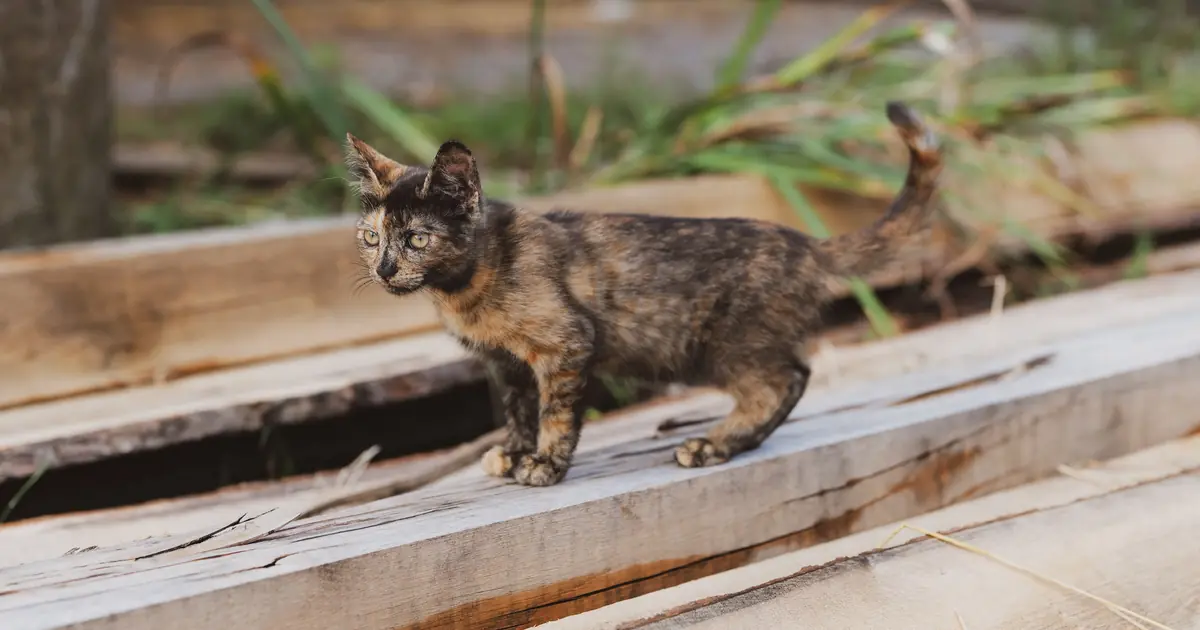
Adolescent kittens act more independent because that’s a natural stage of feline development, much like human teenagers. During this phase they’re brimming with energy, testing boundaries, and driven to explore their world, so they spend more time playing, climbing, and investigating than lounging on your lap. It’s not rejection; their needs have simply shifted toward activity and autonomy. Channeling that energy with play helps you stay bonded, and the phase eases as the cat matures, similar to how kittens calm down over time.
Will my cat become affectionate again?
Yes, many cats grow more affectionate again as they mature past adolescence. As the frantic teenage energy fades in adulthood, cats often mellow and seek more closeness, cuddles, and lap time. Trust built over years deepens the bond too. So the “less affectionate” adolescent phase is frequently followed by a warmer, cuddlier adult and senior cat. This rebound in affection with age is well documented, and we cover it in can cats become more affectionate with age.
Normal independence vs a red flag
Here’s how to tell a growth phase from a problem.
| Normal adolescence | Worth a vet check |
|---|---|
| Gradual shift toward play and exploring | Sudden, marked drop in affection |
| Still eats, plays, and interacts normally | Hiding, lethargy, or appetite loss |
| Comes around for attention on its terms | Avoiding you and everyone, withdrawn |
| Otherwise healthy and confident | Signs of pain, stress, or illness |
How do you keep the bond strong, and when to worry?
Keep the bond strong by meeting your growing kitten where it is, with play, patience, and no forced cuddling. Use interactive toys to burn energy and connect, respect its need for independence, and let affection happen on its terms while rewarding closeness. Consistency and gentle attention keep trust high through the teen phase. This article is educational; a sudden, dramatic change in affection, especially with hiding, appetite loss, or lethargy, isn’t just a phase and can signal stress, pain, or illness, so consult your vet. For related shifts, see why cats get clingy (the opposite swing) and the most affectionate cat breeds. Trusted behavior guidance comes from the ASPCA and International Cat Care.
Frequently Asked Questions
Q: Do kittens get less affectionate as they grow up?
Often they seem to, during adolescence (about 6 months to 2 years) as they become more independent and busy. But most aren’t losing affection, just gaining autonomy. Many become cuddly again once they mature into adulthood.
Q: Why is my kitten suddenly less cuddly?
Usually it’s the adolescent phase, your kitten is full of energy and drawn to play and exploration over lap time, like a teenager. It’s normal and temporary. A truly sudden, dramatic change with other symptoms, though, warrants a vet check.
Q: Will my cat become affectionate again after the teen phase?
Very often, yes. As adolescent energy fades in adulthood, many cats mellow and seek more cuddles and closeness. Trust built over time deepens the bond, so the cooler teen phase is frequently followed by a warmer adult cat.
Q: At what age do kittens become independent?
The independent, “teenage” phase generally runs from about 6 months to 2 years, peaking in the first year. Energy and autonomy are highest then, and cats typically settle and often grow more affectionate as they reach full maturity.
Q: How do I bond with a less affectionate kitten?
Meet its needs with interactive play to burn energy and connect, respect its independence, and let affection happen on its terms with treats and gentle attention. Don’t force cuddles. Consistent, positive time keeps trust strong through the phase.
Q: When is reduced affection a health concern?
When it’s sudden and dramatic, or paired with hiding, lethargy, appetite loss, or other symptoms. Cats hide illness, so a marked behavior change can signal stress, pain, or disease. Have your vet examine your cat if you’re worried.

Hello and welcome to The Ideal Cat!
We are some passionate cat owners from different professions. We love our cats and have a lot of experience in how to care for our pets. We are incredibly excited to share our knowledge, experience, and research with you. So you can take good care of your loving cat. We will answer most of the common questions about owning cats, taking care of them, etc. If you have any question contact with us. Thanks for visiting! Enjoy the content.
