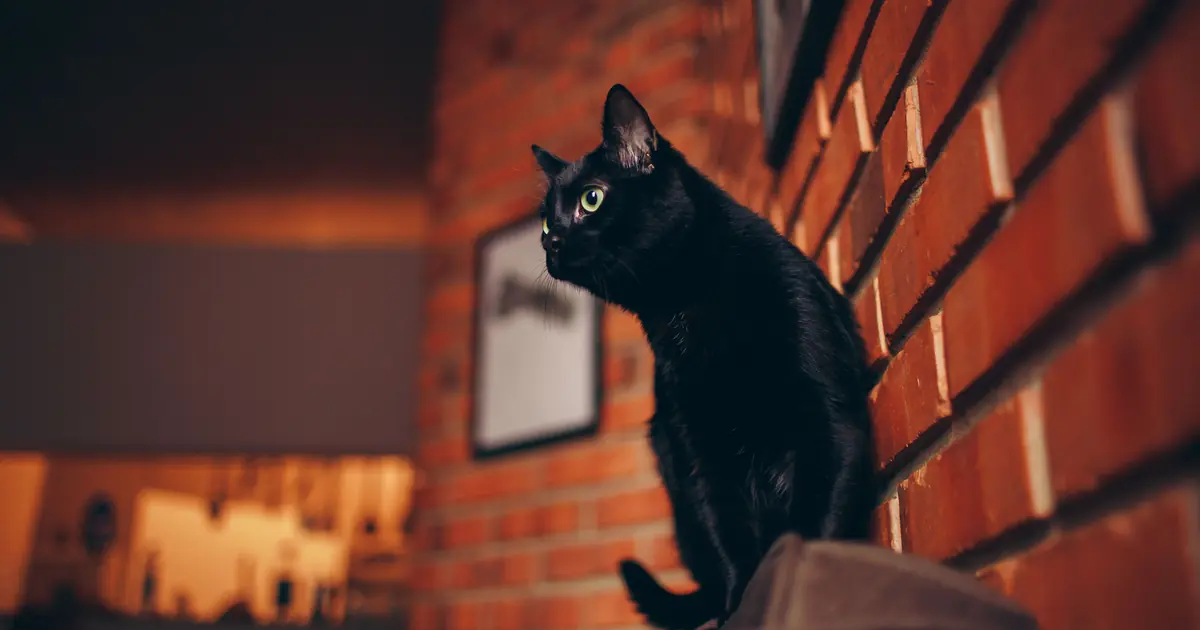
You walk past the curtain and catch a whiff of something sharp and unmistakable. Your cat is standing there, tail up and quivering, backed right against the fabric. That’s spraying, and it’s one of the most frustrating things a cat parent can deal with.
Here’s the thing though: your cat isn’t doing this to punish you. Spraying is communication. Once you understand what’s triggering it, you can usually fix it, and a cat repellent on the sprayed spot buys you time while you do. Let’s walk through exactly how.
- Spraying is vertical scent-marking on walls, furniture, or curtains, which is different from a cat peeing outside the litter box on flat surfaces.
- Neutering resolves spraying in roughly 90% of male cats, especially when it’s done before the behavior becomes a habit.
- Sudden spraying can be a medical problem, like a urinary tract infection, so a vet visit should come before any behavior fixes.
- Cats spray because of stress, territory disputes, or unfixed hormones, not spite or “acting out.”
- Ordinary soap and water won’t remove the scent marker, so a sprayed spot needs an enzyme cleaner or your cat may mark it again.
How Do You Get a Cat to Stop Spraying?
You stop a cat from spraying by treating it as a medical and stress issue first, and a behavior problem second. Follow these steps in order for the best results.
- Book a vet visit. Rule out a urinary tract infection, bladder stones, or FLUTD before you assume it’s pure behavior.
- Spay or neuter your cat if they’re intact. This is the single biggest fix for hormone-driven spraying, especially in unneutered males.
- Identify the trigger. Watch when spraying happens: after a new pet arrives, when an outdoor cat shows up at a window, or during a household change.
- Remove or block the trigger where you can. Close blinds facing the street, separate cats that don’t get along, or give a stressed cat a safe room.
- Clean every sprayed spot with an enzyme cleaner. Skip regular soap. It won’t break down the scent markers that pull your cat back.
- Add a synthetic feline pheromone diffuser near sprayed areas and shared spaces to lower general anxiety.
- Give each cat their own resources. Separate food, water, and litter boxes, plus vertical space like cat trees, so nobody feels cornered.
- Keep litter boxes extra clean. Scoop daily. A dirty box can push a stressed cat toward marking instead.
- Give it time. Neutering can take a few weeks to fully calm hormone-driven spraying, and stress-related spraying improves gradually as things settle.
What Is Cat Spraying, and Why Do Cats Do It?

Cat spraying is when a cat backs up to a vertical surface, raises their quivering tail, and releases a small amount of strong-smelling urine to leave a scent mark. It’s communication, not an accident.
Cats spray for three main reasons. Unfixed cats spray to advertise they’re ready to mate. Stressed cats spray when their environment feels unpredictable. And cats in multi-cat homes, or ones that spot outdoor cats through a window, spray to mark territory and warn rivals off. None of this is spite, and punishing a cat for spraying almost always makes it worse.
Is My Cat Spraying, or Just Peeing Outside the Litter Box?
Spraying and inappropriate urination look similar but come from different causes, so telling them apart matters for fixing it. Spraying happens on vertical surfaces in small amounts, while a cat avoiding the litter box usually squats and pees a full bladder on a horizontal surface like a rug or bed.
| Feature | Spraying (Marking) | Litter Box Avoidance |
|---|---|---|
| Posture | Standing, tail up and quivering | Squatting |
| Surface | Vertical (walls, doors, furniture legs) | Horizontal (floors, rugs, beds) |
| Amount | Small, targeted squirt | Larger, full-bladder amount |
| Common cause | Territory, stress, unfixed hormones | Dirty box, wrong litter, medical issue, or box location |
Not sure which one your cat is doing? Our guide on why cats pee outside the litter box covers the avoidance side in more detail, and why cats avoid the litter box for solid waste is worth a read if that’s happening too.
Could a Medical Problem Be Causing the Spraying?
Yes, a medical issue can look like spraying, which is why a vet visit comes first. A urinary tract infection, bladder stones, or feline lower urinary tract disease (FLUTD) can make a cat urinate small amounts frequently, strain in the box, or leave urine in odd spots that mimic marking.
The Cornell Feline Health Center notes house soiling often has a medical root, so ruling that out first spares your cat an untreated infection while you chase fixes that were never going to work.
Does Neutering or Spaying Stop Spraying?
Yes, in most cases. Neutering resolves spraying in roughly 90% of male cats, and the earlier it happens, the better the results. Spayed females spray less to begin with, but fixing an intact female can also cut down on marking tied to heat cycles.
Testosterone drives most territorial marking in tomcats, so removing the source removes the motivation. If your cat isn’t fixed yet, our guide on how old a cat needs to be to get fixed covers timing. The ASPCA lists it as the single most effective step for hormone-related marking.
What’s Stressing My Cat Out Enough to Spray?
Cats spray under stress when their territory feels threatened or their routine gets disrupted. Common triggers include a new pet or baby, a move, or an outdoor cat parading past the window like it owns the place.
- Multi-cat conflict: cats that don’t get along may mark shared spaces to claim them.
- Outdoor cat sightings: an unfamiliar cat through a window can trigger marking near doors and windows.
- Household changes: new furniture, a move, or a new family member can unsettle a cat into marking.
- Not enough resources: too few litter boxes or resting spots in a multi-cat home breeds tension.
Learning the early signs of stress in cats helps you catch a trigger before it becomes a habit. International Cat Care notes that resolving the stress matters as much as any cleaning routine.
How Do I Clean Up Sprayed Urine So My Cat Doesn’t Do It Again?
Clean every sprayed spot with an enzyme-based cleaner made for pet urine, not a regular household cleaner. Enzyme cleaners break down the proteins that create the scent, while soap or vinegar can leave enough residue that your cat smells their own mark and returns to refresh it.
Blot up fresh urine first, then soak the spot with the enzyme cleaner and let it air dry. Fabric and carpet may need a repeat treatment. Our full walkthrough on how to get rid of cat pee smell covers product picks and technique for stubborn spots.
Do Pheromone Diffusers Actually Help?
Pheromone diffusers can calm a stressed cat, though they work best alongside the other fixes, not on their own. They release a synthetic copy of the facial pheromone cats leave when they rub against furniture, signaling “this space is safe” instead of “mark here.” Plug one in near the areas your cat sprays most. Our guide to the best cat pheromone diffuser breaks down what to look for.
What Should I Never Do When My Cat Sprays?
Never punish your cat for spraying. Yelling, spraying them with water, or rubbing their nose in it doesn’t stop the marking, it just teaches your cat to fear you, piling more stress on top of whatever triggered the behavior. Skip harsh scented deterrents near litter boxes too. Strong smells like citrus can make a cat avoid the area entirely, which just shifts the marking somewhere new.
This article is educational and not a substitute for veterinary care. Sudden spraying, straining to urinate, or frequent trips to the box with little output can signal an emergency, especially in male cats, who are prone to urinary blockages. If you notice straining, crying in the box, or no urine at all, see a vet right away. The VCA Animal Hospitals guide on urine marking has more on when a vet visit is urgent.
Frequently Asked Questions
Q: How long does it take for a cat to stop spraying after being neutered?
Spraying often eases within a few weeks of neutering, though some cats take a couple of months for hormones to settle. Neutering resolves spraying in roughly 90% of male cats overall.
Q: Can a spayed female cat still spray?
Yes, though it’s less common. Spayed females can still spray if they’re stressed or in territorial conflict with another cat, even though the hormonal drive to mark is gone.
Q: Why is my cat suddenly spraying after years of not doing it?
Sudden spraying is often triggered by a new stressor, like another pet or a move, or by a medical issue like a urinary tract infection. A vet visit is the right first step.
Q: Does a pheromone diffuser really stop spraying?
Pheromone diffusers can reduce stress-related spraying by mimicking the calming facial pheromone cats leave when they rub on objects. They work best combined with removing the actual trigger and cleaning sprayed spots with an enzyme cleaner.
Q: What smells stop cats from spraying in a certain spot?
Cats tend to avoid citrus, vinegar, and strong essential oil scents. Deterrent scents only mask a symptom though. Finding and fixing the actual trigger works better long term.
Q: Is cat spraying the same as marking territory with scratching?
They’re related but not identical. Both leave a scent signal, since cats have scent glands in their paws and near their tail. Spraying uses urine as the marker, while scratching uses the paw pad glands and a visible scratch mark.
Q: Will getting a second cat make spraying better or worse?
It depends on how the cats get along. A compatible companion can ease loneliness-driven stress, but a cat that clashes with your current one is more likely to trigger territorial spraying. Introduce any new cat slowly.
Q: Can indoor cats spray because of outdoor cats they see through windows?
Yes, this is a common trigger for indoor-only cats. Seeing an unfamiliar cat outside can feel like a territorial threat, and cats often spray near the window or door where the sighting happened. Closing blinds can help.

Hello and welcome to The Ideal Cat!
We are some passionate cat owners from different professions. We love our cats and have a lot of experience in how to care for our pets. We are incredibly excited to share our knowledge, experience, and research with you. So you can take good care of your loving cat. We will answer most of the common questions about owning cats, taking care of them, etc. If you have any question contact with us. Thanks for visiting! Enjoy the content.
