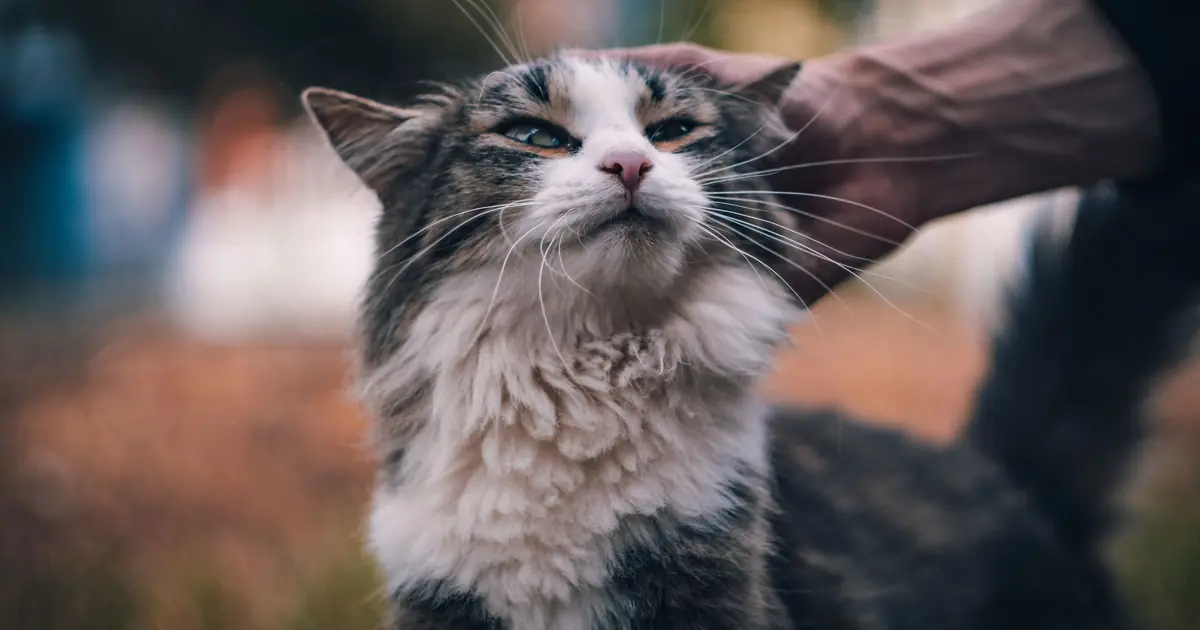
Pilling a cat can feel like wrestling a furry escape artist with opinions. But with the right technique, and a bit of trickery, most cats can be medicated calmly and safely.
Here are the methods that actually work, from easiest to most hands-on.
- Try the easy way first: hide the pill in a soft treat, pill pocket, or a small amount of tasty food.
- If hiding fails, use gentle restraint and place the pill at the back of the tongue, then close the mouth.
- Follow every pill with a little water or wet food to ensure it goes down and doesn’t irritate the throat.
- A pill popper (piller) helps you place pills without your fingers near the teeth.
- Never crush or split a pill unless your vet confirms it’s safe; some must stay whole.
What’s the easiest way to give a cat a pill?
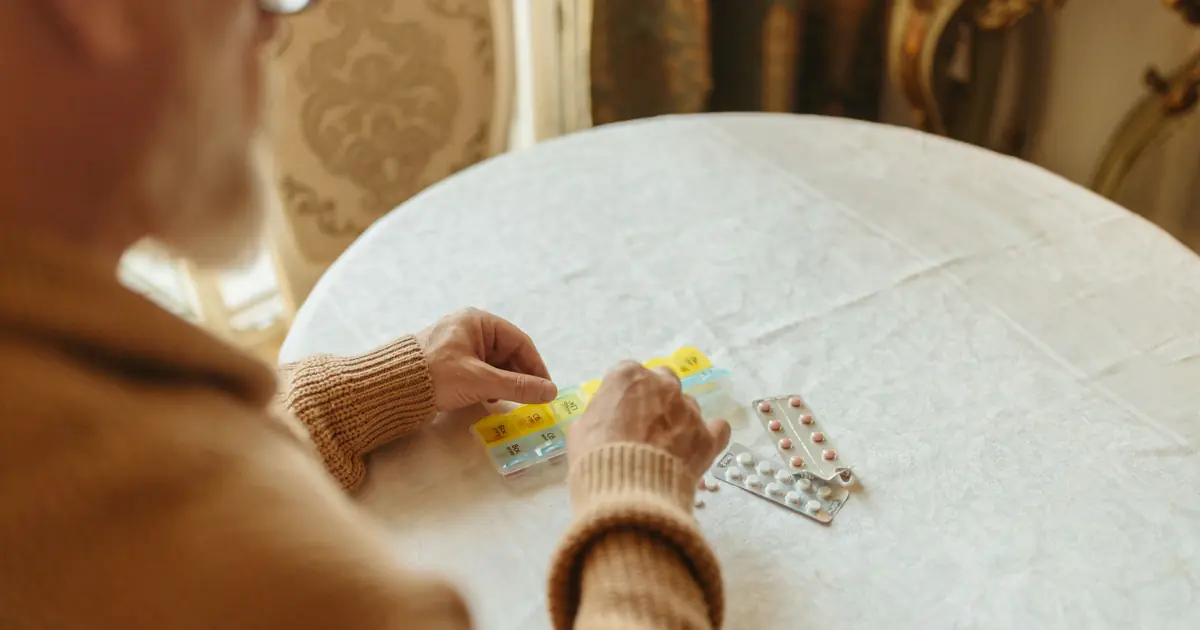
The easiest method is to disguise the pill in food your cat loves. Many cats will happily gulp a pill tucked into a soft treat, a commercial pill pocket, or a small ball of wet food, canned cheese, or a lick treat, without ever noticing. Always start here, since a stress-free swallow is best for both of you. It only fails if your cat is a suspicious eater or the medication can’t be given with food.
How do you hide a pill in food?
A few tricks improve your odds:
- Use a strong-smelling, soft treat or pill pocket that fully hides the pill.
- Offer a “practice” treat with no pill first, then the loaded one, then another plain one.
- Make sure your cat actually swallows it rather than eating around the pill.
- Check with your vet whether the medication can be given with food, some can’t.
How do you give a pill by hand, step by step?
When hiding won’t work, direct pilling is reliable with gentle technique. Go slowly and calmly.
- Prepare: have the pill ready and, ideally, a syringe of water nearby.
- Restrain gently: place your cat on a stable surface or wrap it snugly in a towel (“purrito”) if needed.
- Tilt the head back: hold the top of the head and gently tip the nose upward so the jaw relaxes.
- Open the mouth: use a finger to lower the lower jaw.
- Place the pill: drop or push it as far back on the tongue as you can, over the “hump.”
- Close and encourage a swallow: close the mouth, hold briefly, and gently stroke the throat or blow lightly on the nose to prompt swallowing.
- Follow with water: offer a little water or wet food so the pill goes all the way down.
Do pill poppers and other tools help?
Yes, a pill popper (piller) can make direct dosing easier and safer. This small plunger tool places the pill at the back of the throat without your fingers near the teeth, handy for wrigglers or people worried about being bitten. Our guide to the cat pill popper covers how to use one. For liquid medications, see how to give medicine to a cat.
What should you avoid when pilling a cat?
A few mistakes make pilling harder or riskier. Steer clear of these.
| Avoid | Why |
|---|---|
| Crushing or splitting without vet approval | Some pills must stay whole; crushing can harm or reduce effect |
| Dry-swallowing (no water after) | Pills can stick in the throat and cause irritation |
| Scruffing harshly or forcing | Increases fear and makes future dosing harder |
| Chasing or cornering a stressed cat | Damages trust; try again calmly later |
What if your cat absolutely won’t take pills?
If your cat fights every attempt, don’t force a battle, ask your vet about options. Many medications come as flavored liquids, transdermal gels applied to the ear, or compounded treats, and your vet or a technician can demonstrate technique or dose your cat if needed. For very difficult or defensive cats, professional handling helps, as we cover in how vets deal with aggressive cats. This article is educational and not a substitute for veterinary advice; always follow your vet’s dosing instructions. The VCA’s guide to oral medications and International Cat Care offer detailed, cat-friendly instructions.
Frequently Asked Questions
Q: What’s the easiest way to pill a cat?
Hide the pill in a soft treat, pill pocket, or small ball of wet food. Most cats swallow it without noticing. Offer a plain treat first and after to keep them from getting suspicious.
Q: How do I give my cat a pill if it won’t eat it in food?
Gently restrain the cat, tilt the head back, open the mouth, and place the pill far back on the tongue. Close the mouth, encourage a swallow, and follow with a little water. A pill popper can help.
Q: Can I crush my cat’s pill into food?
Only if your vet says it’s safe. Some pills are coated or time-released and must stay whole, and crushing can make others taste bitter or reduce their effect. Always check first.
Q: Why should I give water after a pill?
Pills, especially dry-swallowed ones, can stick in a cat’s throat or esophagus and cause irritation. A small amount of water or wet food afterward helps the pill go all the way down safely.
Q: Is it safe to use a pill popper on my cat?
Yes, when used gently. A pill popper places the pill at the back of the throat without your fingers near the teeth, which is safer for wrigglers. Follow with water and don’t jab, place it gently.
Q: What if my cat is too aggressive to pill?
Don’t force it. Ask your vet about flavored liquids, transdermal gels, or compounded medications, and have a vet or technician demonstrate or administer it. Forcing pills damages trust and can lead to bites.

Hello and welcome to The Ideal Cat!
We are some passionate cat owners from different professions. We love our cats and have a lot of experience in how to care for our pets. We are incredibly excited to share our knowledge, experience, and research with you. So you can take good care of your loving cat. We will answer most of the common questions about owning cats, taking care of them, etc. If you have any question contact with us. Thanks for visiting! Enjoy the content.
