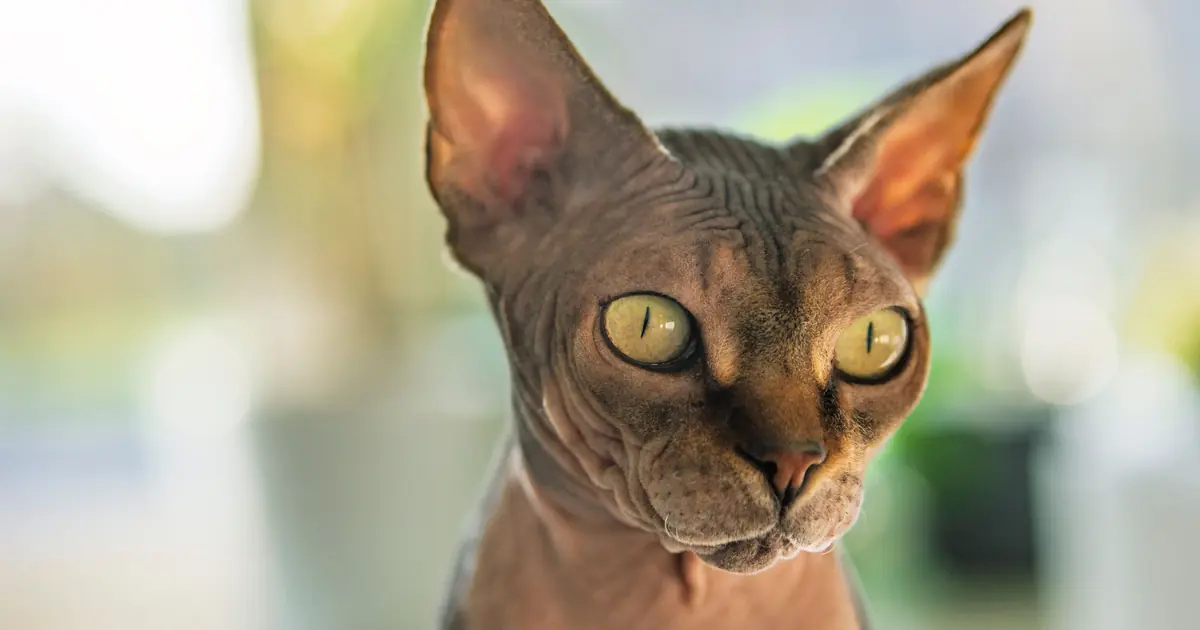
You’re allergic to cats but dreaming of a Sphynx, and the logic seems airtight: no fur, no allergy, right? It’s the most common myth about hairless cats, and unfortunately it doesn’t hold up.
Here’s the honest science on hairless cats and allergies, and what actually helps.
- Yes, hairless cats can still trigger allergies, they’re not hypoallergenic.
- The main allergen, Fel d 1, is in saliva and skin, not the fur itself.
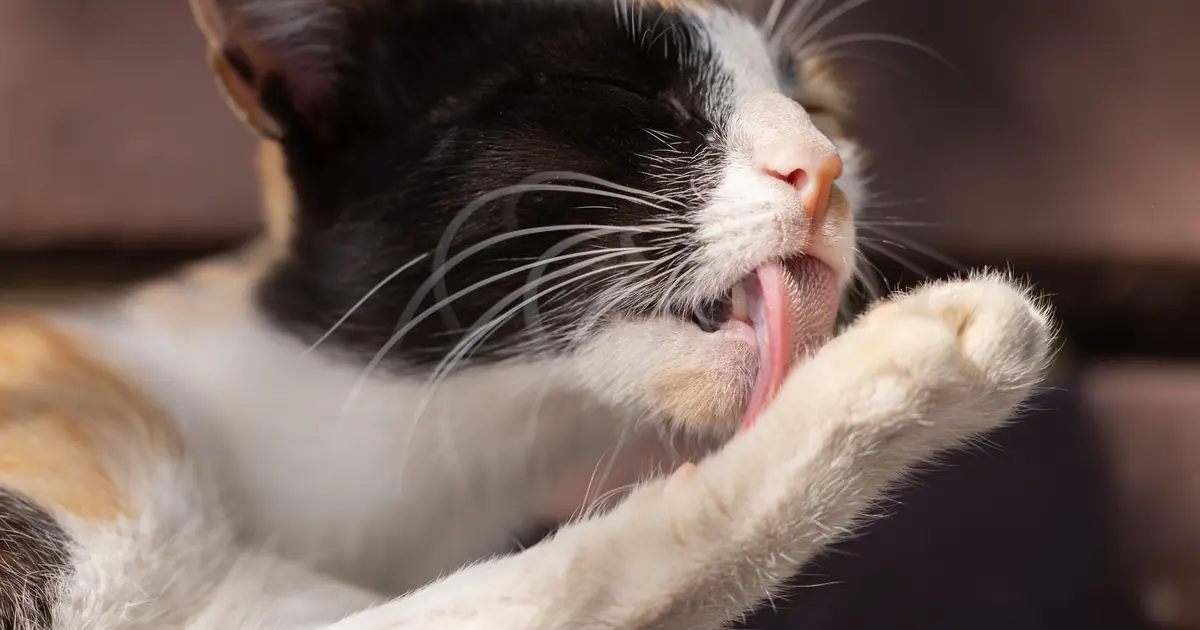
- Hairless cats still groom, so their skin is coated in allergen-laden saliva.
- Less shed fur may spread slightly less allergen around, but plenty remains on skin and surfaces.
- Frequent bathing and cleaning can reduce, not eliminate, allergens from a hairless cat.
Can you still be allergic to hairless cats?
Yes, you can still be allergic to a hairless cat. The belief that “no fur means no allergy” misunderstands what causes cat allergies. The trigger is a protein called Fel d 1, produced in a cat’s saliva and skin (sebaceous) glands, and hairless cats make it just like furry cats. So a Sphynx or other hairless breed can still leave you sneezing, itchy, or worse.
What actually causes cat allergies?
Cat allergies come from proteins, chiefly Fel d 1, not from hair. When a cat grooms, it spreads saliva over its body; as that dries, microscopic allergen-carrying flakes (dander) shed from the skin and float into the air and onto surfaces. That’s what most allergic people react to. Because the allergen lives on skin and in saliva, a hairless cat isn’t off the hook, this is the same point we make in which cat breeds are hypoallergenic.
Do hairless cats spread less allergen?
Slightly, but not enough to call them safe. Without a coat, a hairless cat sheds far less allergen-coated hair around your home, so less allergen may become airborne through fur. But the cat’s skin is still covered in dried saliva and dander, and it transfers to your hands, clothes, furniture, and bedding on contact. Many allergic people still react strongly to hairless cats despite the lack of fur.
How do hairless cats compare to other “low-allergen” cats?
Hairless cats sit alongside other breeds marketed as allergy-friendly, none of which are truly hypoallergenic. Here’s a realistic view.
| Cat | Reputation | Reality |
|---|---|---|
| Sphynx (hairless) | “No fur, no allergy” | Still makes Fel d 1; needs frequent bathing |
| Lykoi (partly hairless) | Sparse coat looks safe | Still produces and spreads the allergen |
| Siberian | Claimed low Fel d 1 | Some individuals lower, not guaranteed |
| Persian (long-haired) | Often assumed either way | Heavy shedder, worse for allergies |
We cover the specifics in can Sphynx cats grow hair, are Lykoi cats hypoallergenic, and is a Persian cat hypoallergenic.
How can you reduce allergens with a hairless cat?
You can lower exposure, but not erase it:
- Bathe/wipe regularly: hairless cats need routine bathing anyway, which also removes surface allergen.
- Use HEPA air purifiers in the rooms you use most.
- Keep the cat out of the bedroom for allergen-free sleep.
- Wash hands after petting and clean surfaces and fabrics often.
- Wipe the cat down between baths to cut saliva residue on the skin.
Should you get a hairless cat if you have allergies?
Only after testing your reaction to that specific cat, and ideally checking with an allergist. Because Fel d 1 levels vary by individual cat, and cat allergies can be serious, no hairless breed is a guaranteed solution. This article is educational and not medical advice. The ASPCA notes grooming and cleaning help reduce household allergens, and PetMD confirms no cat is truly hypoallergenic.
Frequently Asked Questions
Q: Are hairless cats hypoallergenic?
No. Hairless cats like the Sphynx still produce the Fel d 1 allergen in their saliva and skin, so they can trigger allergies. No cat breed, hairless or otherwise, is truly hypoallergenic.
Q: Why can I still be allergic to a Sphynx?
Because the allergen is in saliva and skin, not fur. A Sphynx grooms and coats its skin in allergen-laden saliva, which transfers to your hands, clothes, and furniture, triggering symptoms despite the lack of coat.
Q: Do hairless cats cause fewer allergies than furry cats?
Sometimes slightly, because less shed fur spreads less allergen through the air. But they still produce Fel d 1 and coat their skin and your home with it, so many allergic people react strongly anyway.
Q: Does bathing a hairless cat help with allergies?
Yes, to a degree. Regular bathing and wiping remove surface saliva and dander, lowering allergen levels. Hairless cats need frequent baths anyway, so it’s a helpful habit, but it won’t eliminate the allergen.
Q: What cat is best for severe allergies?
No cat is safe for severe allergies. Some people tolerate certain individuals (sometimes Siberians or particular low-Fel d 1 cats) better, but you must test your own reaction and consult an allergist first.
Q: Should I test my allergy before adopting a hairless cat?
Yes. Spend real time with the specific cat to gauge your reaction, and talk to an allergist. Because reactions vary so much by cat and person, personal testing is the only reliable way to know.

Hello and welcome to The Ideal Cat!
We are some passionate cat owners from different professions. We love our cats and have a lot of experience in how to care for our pets. We are incredibly excited to share our knowledge, experience, and research with you. So you can take good care of your loving cat. We will answer most of the common questions about owning cats, taking care of them, etc. If you have any question contact with us. Thanks for visiting! Enjoy the content.
