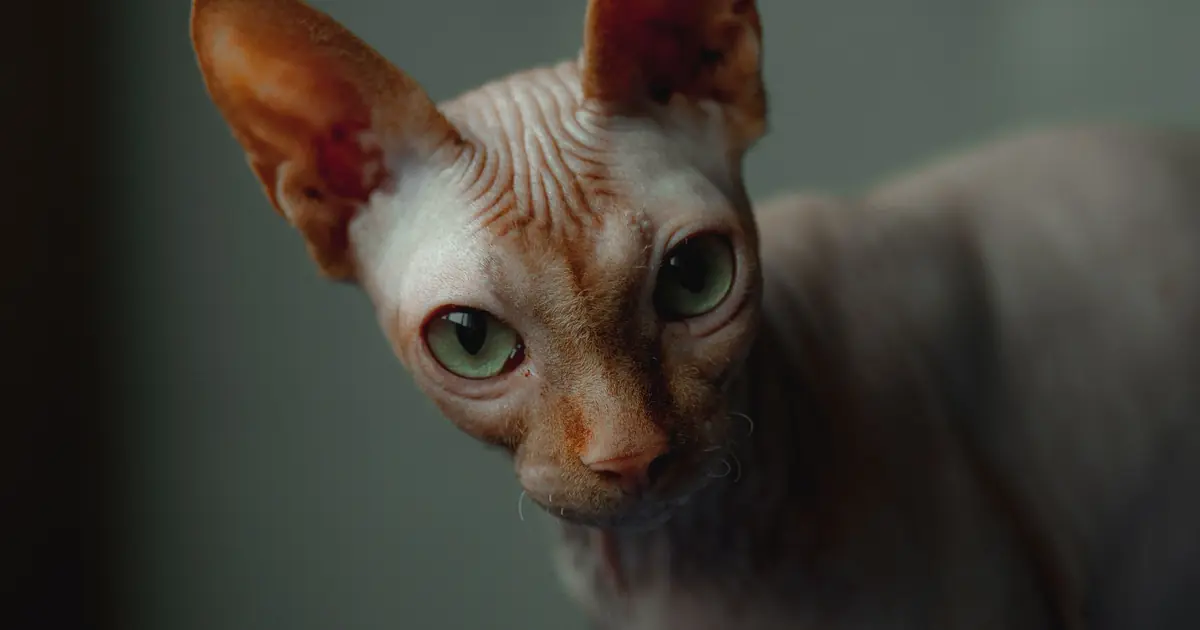
Watch a Sphynx cat for five minutes and you’ll probably catch it mid-lick, tongue working over bare, wrinkly skin like there’s a full coat underneath. It looks a little funny the first time you see it. There’s no fur there. So why bother?
Here’s the thing: grooming isn’t really about the fur. It’s a habit wired so deep into a cat’s brain that a hairless cat keeps doing it anyway, fur or no fur. But that same instinct also can’t fully do its job on bare skin, and that gap is exactly why hairless cats need more hands-on care than furry cats, not less.
- Hairless cats, including the Sphynx, still groom themselves by instinct even though they have no fur to clean.
- Grooming triggers self-soothing brain chemicals, so hairless cats keep licking for comfort, not just cleanliness.
- Without a fur coat to absorb it, skin oil builds up on hairless cats, so their tongues can’t keep them clean on their own.
- Hairless cats need regular baths, usually about once a week, to manage the greasy buildup their skin produces.
- Skin folds, ears, and nail beds need extra attention on hairless cats because oil and debris collect there fast.
Do hairless cats lick themselves?
Yes, hairless cats groom themselves just like furry cats do. A Sphynx cat will lick its paws, wash its face, and stretch to reach its back the same way any tabby would. The lack of fur doesn’t turn off the instinct. It’s still very much switched on, and you’ll see a hairless cat spend real time each day going through the motions of a full grooming routine.
Why do hairless cats still groom if they have no fur to clean?
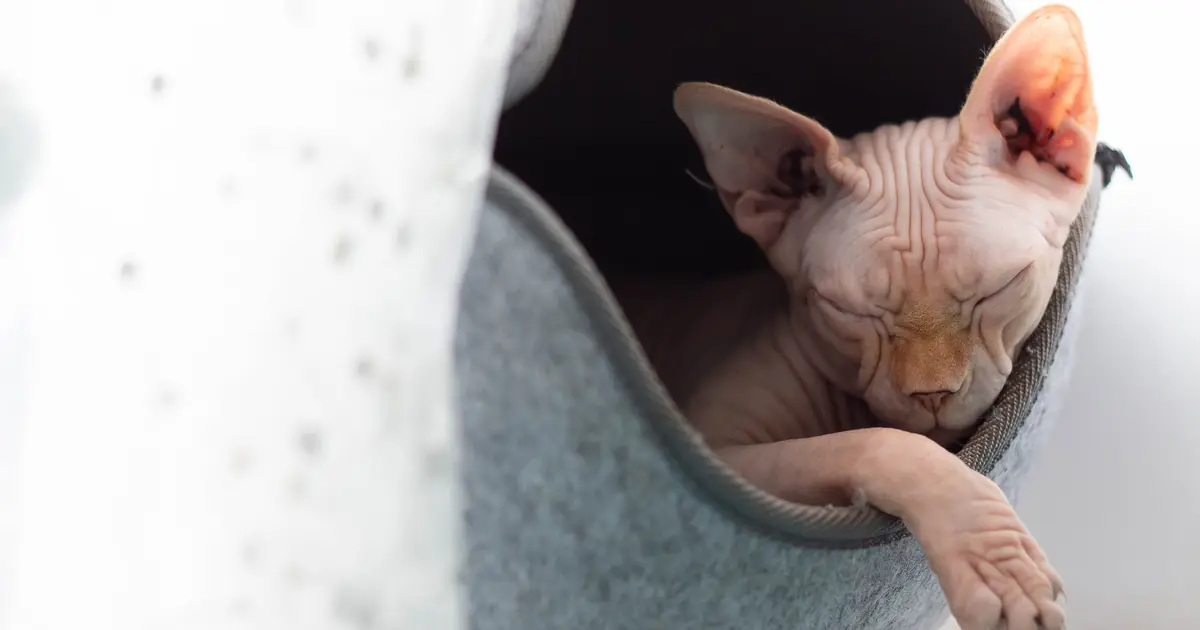
Hairless cats keep grooming because the behavior isn’t really about fur maintenance at all, it’s about instinct, comfort, and communication. Grooming is one of the oldest, most hardwired behaviors in cats, and kittens start doing it within their first few weeks of life, long before it serves much practical purpose.
A few things keep the habit going even without a coat:
- Self-soothing: licking releases endorphins that calm a cat down, so grooming doubles as stress relief after something startling happens.
- Scent spreading: saliva carries a cat’s scent, and grooming helps mark their own body as familiar territory.
- Skin cleaning: even without fur, skin collects dust, oil, and loose debris, and licking is the cat’s first instinct for dealing with it.
- Temperature regulation: saliva evaporating off the skin offers a small cooling effect, something hairless cats actually rely on more since they run warmer without an insulating coat.
So a hairless cat isn’t confused about not having fur. It’s just running an ancient program that was never really about the fur in the first place.
What does a rough cat tongue do on bare skin?
A cat’s tongue is covered in tiny, backward-facing hooks called papillae, and they still rasp against bare skin the same way they rasp against fur. According to the Cornell Feline Health Center, these papillae are made of keratin, the same protein in claws and hooves, and they work like a built-in comb for detangling fur and scraping away debris. On a hairless cat, there’s no fur to detangle, so all that scraping action goes straight onto the skin instead.
That’s where things can get tricky. Some hairless cats, especially ones prone to anxiety or skin irritation, will over-groom a specific spot until it turns pink, raw, or bald in an already-thin-skinned area. If a cat’s rough tongue works overtime on the same patch of bare skin, it can cause more harm than good. Watch for a spot your cat keeps returning to. That’s usually a sign of irritation, a skin issue, or stress, not just normal grooming.
Why isn’t licking enough to keep a hairless cat clean?
Licking alone isn’t enough because a hairless cat has no fur to soak up the oil its skin produces, so that oil just sits on the surface instead. Furry cats have a coat that acts like a sponge, wicking sebum (the skin’s natural oil) away from the body and spreading it thin across thousands of hair shafts. Hairless cats skip that step entirely, and the oil has nowhere to go.
The result is a greasy, sometimes waxy film that builds up on the skin, especially in areas that don’t get much airflow. Left alone, this buildup can:
- Clog pores and lead to blackheads, most commonly on the chin
- Collect in skin folds around the neck, armpits, and tail base
- Turn nail beds sticky and grimy, since Sphynx cats often have visibly dirty claws compared to furred breeds
- Leave a faint yellowish residue on bedding, furniture, and your own clothes
No amount of self-licking clears this up on its own. It’s a job that needs a set of human hands and a washcloth.
How do you take care of a hairless cat’s skin?
Caring for a hairless cat’s skin means bathing regularly, cleaning skin folds and ears, and protecting against sun and cold, since a hairless cat’s tongue can’t manage any of that alone. Most Sphynx owners settle into a weekly bath routine, though your vet may suggest more or less often depending on how oily your specific cat runs.
- Bathe about once a week using a cat-safe or vet-recommended shampoo, warm (not hot) water, and a gentle, unhurried approach so your cat doesn’t dread the tub.
- Wipe skin folds daily or every few days with a soft, damp cloth, focusing on the neck, armpits, groin, and tail area where oil pools.
- Clean the ears weekly since hairless cats tend to produce more ear wax than furred breeds, and a vet-approved ear cleaner keeps buildup from turning into an infection.
- Trim nails and clean nail beds regularly, since oil collects there fast and can trap dirt underneath the claw.
- Protect against sunburn by keeping your cat out of direct, prolonged sun, since bare skin burns the way ours does, sometimes worse.
- Keep them warm with sweaters or heated beds in cooler weather, since there’s no fur layer trapping body heat.
If you want a full breed-specific rundown, our Sphynx cat guide covers temperament, diet, and everyday care beyond just the skin routine. And if bath time turns into a wrestling match, our guide on how to bathe a cat that hates water has practical tricks for making it less stressful for both of you.
Do hairless cats need more grooming than furry cats, even though they don’t shed?
Yes, hairless cats need more hands-on grooming overall, even though they skip shedding entirely. It’s an easy trap to fall into: no fur means no shedding, no hairballs, no fur tumbleweeds under the couch, so it’s tempting to assume less work all around. In reality, the workload just shifts from fur maintenance to skin maintenance, and skin maintenance needs you, not just the cat’s tongue.
Here’s how the two compare side by side:
| Grooming Need | Furry Cat | Hairless Cat |
|---|---|---|
| Self-licking | Keeps coat clean and detangled | Still occurs by instinct, but doesn’t clean skin oil well |
| Bathing | Rarely needed, often never | Needed regularly, typically about weekly |
| Ear cleaning | Occasional, breed-dependent | Frequent, since more wax tends to build up |
| Sun and warmth protection | Fur provides natural coverage | Needs sunscreen or shade, and sweaters in cold |
So while you’ll never pull a hairball out from under the couch cushions, you will need to book more regular grooming time on your calendar. For extra help with the basics, our guide on how to groom a cat at home walks through tools and techniques that work well for sensitive, bare skin.
What skin issues should you watch for in hairless cats?
Watch for blackheads, greasy skin folds, sunburn, and cold sensitivity, since these are the most common skin issues hairless cats face. A few specifics worth knowing:
- Blackheads and acne: usually show up on the chin as small dark specks from clogged oil glands, similar to feline acne in furred cats but more visible on bare skin.
- Greasy fold buildup: if you notice a musty smell or sticky residue in the neck or armpit folds, it’s time for a wipe-down or bath.
- Sunburn: pink or red patches on ears, the nose, or back after time near a sunny window are a sign your cat needs shade or protection.
- Cold sensitivity: shivering, seeking out warm spots constantly, or curling into a tight ball can mean your hairless cat is too cold and needs a sweater or warmer bedding.
Since hairless cats often have short, sparse, or even absent whiskers, they also lose some of the sensory feedback whiskers normally provide, so they may bump into things or misjudge tight spaces more than a furred, fully-whiskered cat would.
When should you take a hairless cat to the vet for skin problems?
Take your hairless cat to the vet if you notice open sores, redness that doesn’t fade, a bad odor, obsessive licking of one spot, or any sign of a skin infection. These aren’t things to wait out at home. According to International Cat Care, Sphynx and other hairless breeds are more prone to certain skin conditions precisely because their skin is so exposed, so catching problems early matters more than it would for a furred cat.
This article is meant to help you understand normal hairless cat grooming behavior, not replace professional veterinary care. If your cat’s skin looks inflamed, feels unusually hot, or your cat seems bothered by a specific area, a licensed veterinarian can check for infection, allergies, or other underlying causes and recommend the right treatment.
Frequently Asked Questions About Hairless Cats and Grooming
Q: Do Sphynx cats groom themselves like other cats?
Yes, Sphynx cats groom themselves the same way furry cats do, licking their paws, face, and body out of instinct. The behavior looks identical to a furred cat’s routine, even though there’s no coat involved.
Q: Why do hairless cats feel greasy?
Hairless cats feel greasy because their skin produces natural oil (sebum) that would normally be absorbed by fur. Without a coat to soak it up, the oil sits directly on the skin, which is why regular bathing is part of standard hairless cat care.
Q: How often should you bathe a hairless cat?
Most hairless cats need a bath about once a week, though some may need it more or less often depending on how much oil their skin produces. Ask your vet to help you settle on the right schedule for your specific cat.
Q: Can hairless cats get sunburned?
Yes, hairless cats can get sunburned since they have no fur layer to block UV rays. Ears, the nose, and the back are common spots, so limiting direct sun exposure and using vet-approved protection helps prevent it.
Q: Do hairless cats get cold easily?
Yes, hairless cats get cold more easily than furred cats because they lack an insulating coat. Many owners use cat sweaters or heated beds, especially in cooler months, to help them stay comfortable.
Q: Is it normal for a hairless cat to lick the same spot a lot?
Occasional focused licking is normal, but constant licking of the same spot can signal irritation, a skin issue, or stress. If a spot looks red, raw, or bald, a vet visit is worth it to rule out a medical cause.
Q: Do hairless cats need their ears cleaned more than furry cats?
Yes, hairless cats typically produce more ear wax than furred breeds and benefit from weekly ear cleaning with a vet-approved solution. Skipping this can lead to buildup and a higher risk of ear infections.
Q: Why do hairless cats have dirty-looking claws?
Hairless cats often have dirtier-looking claws because skin oil collects around the nail beds without fur to absorb it. Regular nail trims paired with a gentle wipe-down keep this buildup under control.

Hello and welcome to The Ideal Cat!
We are some passionate cat owners from different professions. We love our cats and have a lot of experience in how to care for our pets. We are incredibly excited to share our knowledge, experience, and research with you. So you can take good care of your loving cat. We will answer most of the common questions about owning cats, taking care of them, etc. If you have any question contact with us. Thanks for visiting! Enjoy the content.
