Your old cat is eating like a teenager but melting off the bone. She’s yowling at 3am, drinking from every glass, and the vet just said the word “hyperthyroid.” Deep breath. This one is treatable.
Hyperthyroidism is one of the most common hormone problems in older cats, and the good news is it’s very manageable. You’ve got four solid treatment paths, and one of them can actually cure it. Here’s what each option really involves, what it costs, and how to pick with your vet.
This article is educational and isn’t a substitute for veterinary care. Treatment choices, dosing, and monitoring should always come from your own vet.
- Feline hyperthyroidism is an overactive thyroid gland, usually caused by a benign (non-cancerous) growth, and it mostly affects cats over 10 years old.
- The four treatments are radioactive iodine (I-131), daily methimazole medication, surgical thyroidectomy, and a prescription iodine-restricted diet.
- Radioactive iodine cures more than 95% of cats with a single injection and needs no lifelong pills, which is why most specialists call it the treatment of choice.
- Methimazole controls the disease but doesn’t cure it, so it’s given for the rest of the cat’s life with regular bloodwork.
- Treating hyperthyroidism can unmask hidden kidney disease, so vets monitor kidney values (creatinine, BUN, SDMA) alongside thyroid levels.
What is hyperthyroidism in cats?
Hyperthyroidism in cats is an overactive thyroid gland that pumps out too much thyroid hormone, which cranks up the cat’s metabolism. The thyroid sits in the neck and controls how fast the body burns energy. When it goes into overdrive, everything speeds up: heart rate, appetite, and weight loss all at once.
In the vast majority of cats, the cause is a benign (non-cancerous) enlargement of the thyroid gland. According to the Cornell Feline Health Center, it’s the most common endocrine (hormone) disease in cats, and it shows up almost entirely in middle-aged and senior cats. The average patient is around 12 or 13 years old. It’s rare under age 8.
What are the signs of hyperthyroidism in cats?
The classic sign of hyperthyroidism is weight loss despite a big, even ravenous, appetite. Your cat eats and eats but keeps getting thinner. That combination is the red flag that sends most owners to the vet.
Other common signs include:
- Increased thirst and more trips to the litter box
- Hyperactivity, restlessness, or seeming “wired”
- Vomiting or diarrhea
- A fast heart rate
- Increased vocalizing, especially at night
- A rough, unkempt, or greasy coat
Because vomiting is on that list, hyperthyroidism can hide behind everyday tummy trouble. If your cat is throwing up often, it’s worth knowing when to worry about cat vomiting and mentioning any weight loss to your vet.
What are the treatment options for cat hyperthyroidism?
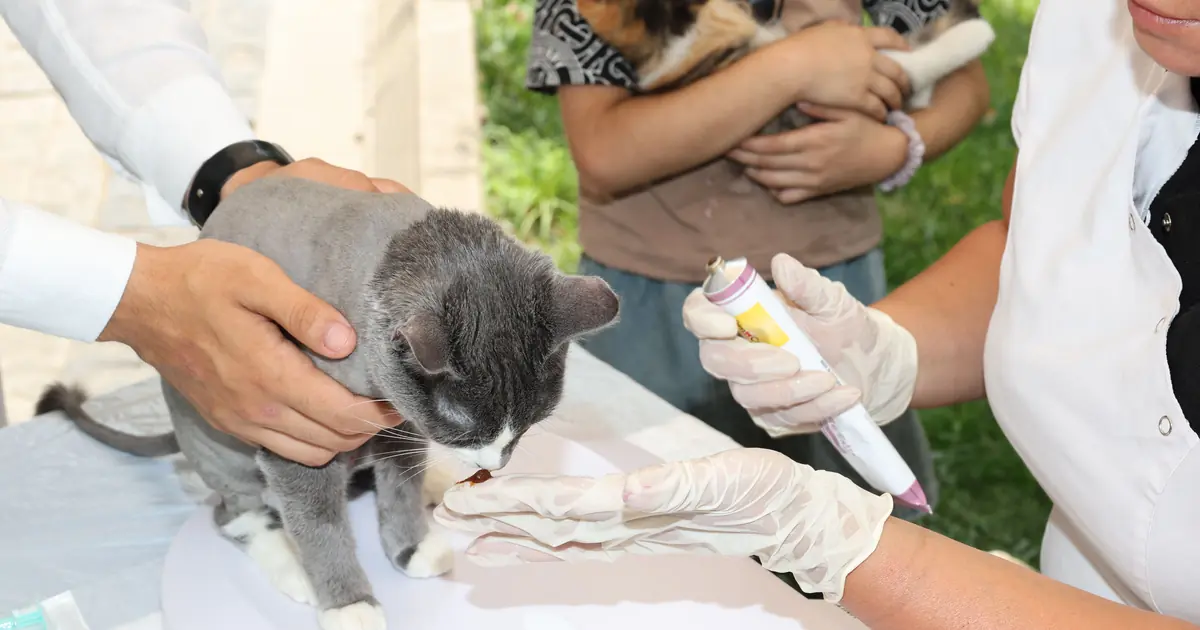
There are four treatments for feline hyperthyroidism: radioactive iodine (I-131), daily anti-thyroid medication (methimazole), surgical removal of the thyroid gland, and a prescription iodine-restricted diet. Two of them (radioactive iodine and surgery) can cure the disease outright. The other two (medication and diet) control it but must continue for life.
Each option has real trade-offs around cost, convenience, side effects, and whether your cat ends up cured or simply managed. Here’s how they stack up side by side.
| Treatment | How it works | Pros | Cons | Rough cost (US) |
|---|---|---|---|---|
| Radioactive iodine (I-131) | A single injection of radioactive iodine destroys the overactive thyroid tissue | Cures more than 95% of cats; no anesthesia; no lifelong pills or special diet | Needs a licensed facility; cat stays hospitalized a few nights; higher upfront cost | $1,500 to $2,500 |
| Methimazole (medication) | A daily pill or ear gel that blocks thyroid hormone production | Low upfront cost; widely available; easy to start and reversible | Lifelong dosing; doesn’t cure; possible side effects; frequent bloodwork | $20 to $70 per month, plus labs |
| Surgical thyroidectomy | A surgeon removes the affected thyroid gland(s) | Can cure the disease; no daily pills afterward | Requires anesthesia (risky in older cats); can affect nearby glands; may recur | $800 to $2,000 |
| Iodine-restricted diet (y/d) | A prescription food that limits iodine, so the thyroid makes less hormone | No pills or surgery; simple for hard-to-medicate cats | Must be the ONLY thing eaten, forever; no treats or hunting; controls, not cures | $40 to $80 per month |
Radioactive iodine (I-131): the gold standard
Radioactive iodine is considered the treatment of choice for feline hyperthyroidism because it cures more than 95% of cats with a single dose. The cat gets one injection of radioactive iodine, which travels straight to the overactive thyroid tissue and destroys it while sparing healthy tissue and other organs. No anesthesia, no surgery, no daily pills.
The catch is logistics. Only specially licensed facilities can give the treatment, and your cat stays hospitalized while the radiation clears, usually 2 to 3 nights (sometimes up to a week or more). Visits are limited during that stretch. For most cats, though, it’s a one-and-done fix, which is why so many owners feel it’s worth the higher upfront price.
Methimazole: the flexible daily option
Methimazole is an anti-thyroid medication that blocks the gland from making excess hormone, and it’s the most common starting point for treatment. It comes as a pill or a gel you rub into the ear, given every day for the rest of your cat’s life. It controls the disease well but does not cure it, so if you stop, the hyperthyroidism comes right back.
The Merck Veterinary Manual notes that some cats develop side effects like vomiting, poor appetite, lethargy, facial itching, or changes in blood cell counts and liver values. Most are manageable, but they’re why your vet runs regular bloodwork. Many owners like that methimazole is cheap to start and fully reversible, which makes it a great way to “test drive” how the kidneys respond before committing to a permanent cure. Dosing a cat daily is its own skill, so our guide on how to give medicine to a cat can make life easier.
Surgical thyroidectomy: the surgical cure
Surgical thyroidectomy removes the overactive thyroid gland and can permanently cure hyperthyroidism. It’s a fairly routine procedure with a good success rate, and once the cat recovers, there are usually no more pills. For a single affected gland, results are excellent.
The trade-off is anesthesia. Many hyperthyroid cats are old and may have heart or kidney issues, which raises anesthetic risk. There’s also a small chance of damaging the nearby parathyroid glands, which control calcium, and the disease can return if abnormal tissue was left behind. With radioactive iodine widely available and needing no anesthesia, surgery is chosen less often today.
Iodine-restricted diet (y/d): the food-only route
A prescription iodine-restricted diet, such as Hill’s Prescription Diet y/d, limits the iodine the thyroid needs to make hormone, which lowers thyroid levels over time. It’s appealing for cats who can’t be pilled and owners who want to avoid surgery or hospitalization.
Here’s the hard part: it only works if the diet is the cat’s only food. No treats, no table scraps, no stealing the other cat’s kibble, no hunting. That’s tough in multi-cat homes and for outdoor cats. It also controls the disease rather than curing it, and not every cat loves the taste. For senior cats juggling more than one health issue, talk to your vet about how this fits with the rest of their senior cat food plan.
How does the vet choose the right treatment?
Your vet chooses a treatment based on your cat’s kidney health, age, other medical conditions, and how realistic daily medicating is at home, plus your budget. There’s no single “best” answer for every cat, which is exactly why four options exist.
Kidneys are the big one. Hyperthyroidism increases blood flow through the kidneys and can mask early kidney disease. When you treat the thyroid and metabolism slows down, hidden kidney problems can suddenly show up. Because of that, many vets start with methimazole for a few weeks first: it’s reversible, so if kidney values worsen, the dose can be adjusted before committing to a permanent cure like I-131 or surgery.
A cat that’s easy to pill and doing well may stay on methimazole for years. A cat that hates pills, or an owner who wants a true cure, often leans toward radioactive iodine. Surgery fits specific cases, and diet suits single-cat, indoor households where nothing else gets eaten.
What monitoring does a hyperthyroid cat need?
A hyperthyroid cat needs regular blood tests to track thyroid hormone (T4) and kidney values, especially in the first months of treatment. This isn’t optional. It’s how your vet keeps the dose right and catches kidney trouble early.
For cats on methimazole, T4 is typically rechecked a few weeks after starting, then adjustments are made until levels land in a healthy range. After that, most cats get bloodwork every 3 to 6 months for life. Those same tests keep an eye on kidney markers like creatinine, BUN, and SDMA. Cats treated with radioactive iodine or surgery still get follow-up bloodwork to confirm the cure held and thyroid levels didn’t dip too low.
What’s the prognosis for a cat with hyperthyroidism?
The prognosis for a cat with hyperthyroidism is generally good to excellent with proper treatment, and many cats go on to live years of normal, comfortable life. Caught and managed well, it’s one of the more treatable senior-cat diseases.
Outcomes are best when the disease is treated before it strains the heart and other organs. Untreated, the constant overdrive can lead to high blood pressure, heart problems, and severe weight loss. The presence of other conditions, especially kidney disease, is what most affects the long-term picture, which loops right back to why monitoring matters so much.
If your cat is showing signs of hyperthyroidism or any sudden weight loss, see your veterinarian. Only a vet can diagnose it with an exam and blood test and build the right treatment plan for your cat.
Cat hyperthyroidism treatment FAQ
Q: What is the best treatment for hyperthyroidism in cats?
Radioactive iodine (I-131) is widely considered the best treatment because it cures more than 95% of cats with a single injection, needs no anesthesia, and requires no lifelong pills. Still, the right choice depends on your cat’s kidneys, age, and your budget, so it’s a decision to make with your vet.
Q: Can cat hyperthyroidism be cured?
Yes. Radioactive iodine therapy and surgical thyroidectomy can both cure feline hyperthyroidism. Radioactive iodine cures over 95% of cats with one treatment. Medication and prescription diet control the disease but don’t cure it, so they must continue for life.
Q: How much does it cost to treat a cat with hyperthyroidism?
Radioactive iodine typically runs about $1,500 to $2,500 as a one-time cost. Methimazole medication is roughly $20 to $70 per month plus regular bloodwork. Surgery ranges from about $800 to $2,000, and prescription y/d diet is around $40 to $80 per month.
Q: How long can a cat live with hyperthyroidism?
With proper treatment, many cats live several more years of good-quality life. The prognosis is generally excellent when the disease is managed early. Other conditions, especially kidney disease, have the biggest effect on how long a treated cat lives.
Q: Is methimazole safe for cats long term?
Methimazole is used long term in many cats and is generally well tolerated, but some develop side effects like vomiting, poor appetite, facial itching, or changes in liver and blood values. Regular bloodwork lets your vet catch problems early and adjust the dose.
Q: What happens if cat hyperthyroidism goes untreated?
Untreated hyperthyroidism keeps the metabolism in overdrive, which can lead to high blood pressure, heart disease, severe weight loss, and eventually organ damage. It tends to worsen over time, so treatment is strongly recommended once it’s diagnosed.
Q: Does treating hyperthyroidism affect a cat’s kidneys?
It can reveal hidden kidney disease. Hyperthyroidism boosts blood flow through the kidneys and can mask early kidney problems, which may surface once thyroid levels return to normal. That’s why vets monitor kidney values like creatinine, BUN, and SDMA during treatment.
Q: What foods should a hyperthyroid cat avoid?
If your cat is on a prescription iodine-restricted diet like y/d, it must eat only that food, with no treats, table scraps, or other cat food, since extra iodine undermines the treatment. Cats on other treatments don’t need special foods, but always follow your vet’s dietary advice.
Bottom line: hyperthyroidism sounds scary, but it’s one of the most treatable diseases a senior cat can get. Whether you go for the one-and-done cure of radioactive iodine or the steady routine of a daily pill, the goal is the same, a comfortable, purring cat. Talk it through with your vet, keep up with the bloodwork, and you’ve got this.

Hello and welcome to The Ideal Cat!
We are some passionate cat owners from different professions. We love our cats and have a lot of experience in how to care for our pets. We are incredibly excited to share our knowledge, experience, and research with you. So you can take good care of your loving cat. We will answer most of the common questions about owning cats, taking care of them, etc. If you have any question contact with us. Thanks for visiting! Enjoy the content.
