
The Lykoi’s striking werewolf appearance and patchy, sparse coat make it look like it should be an allergy-friendly cat. If you’re allergic but smitten with this unusual breed, it’s a fair hope.
Unfortunately, “less fur” doesn’t mean “less allergen.” Here’s the honest science on Lykoi cats and allergies.
- Lykoi cats are not hypoallergenic; no cat breed truly is.
- The main cat allergen, Fel d 1, comes from saliva and skin, not just fur, so a thin coat doesn’t remove it.
- Lykoi have a partial coat and shed, so they still spread dander and allergen around the home.
- Some allergy sufferers react less to individual cats, but that varies by person and cat, not just breed.
- If you have allergies, spend time with the specific cat first and manage allergens with cleaning and air filtration.
Are Lykoi cats hypoallergenic?
Lykoi cats are not hypoallergenic. Their sparse, partly hairless coat leads people to assume they’re allergy-safe, but the coat isn’t the real issue. The primary cat allergen is a protein called Fel d 1, produced in saliva and skin glands, and Lykoi produce it like any other cat. Because they still have hair and still shed, they also still distribute dander around your home.
What actually causes cat allergies?
Cat allergies are triggered by proteins, mainly Fel d 1, not by fur itself. When a cat grooms, it coats its hair and skin with saliva; as that dries, tiny allergen-laden flakes (dander) float into the air and settle on surfaces. That’s what most allergic people react to.
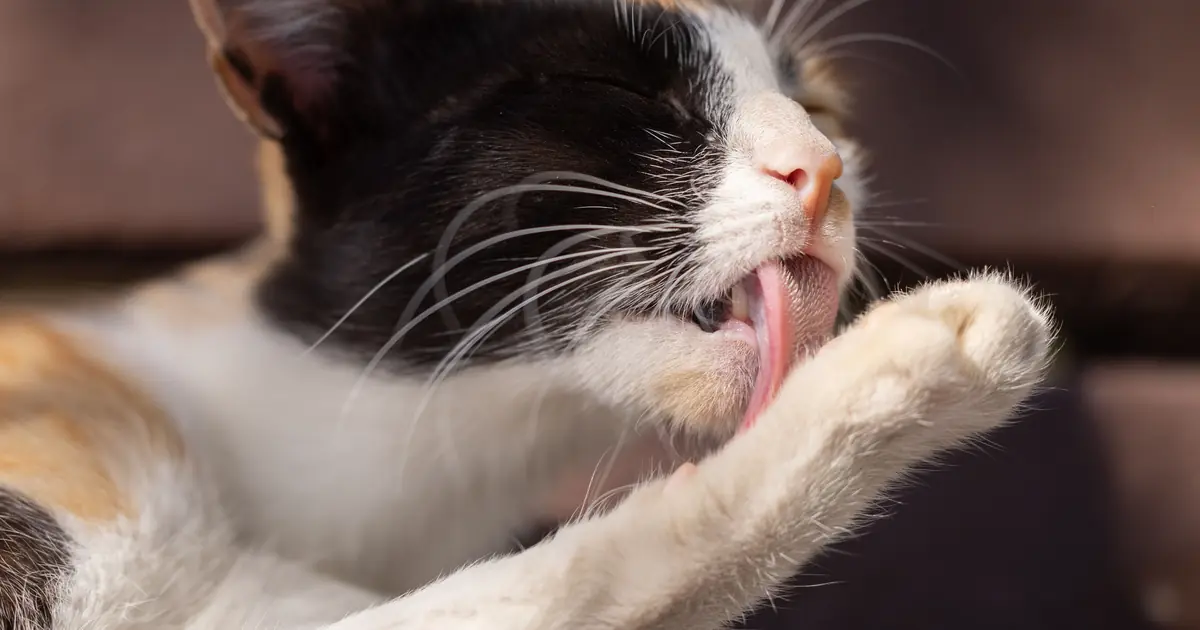
So a cat with less hair still makes the allergen, it just may spread slightly less of it through shed fur. This is the same reason our guide on which cat breeds are hypoallergenic stresses that “low-shedding” is not the same as “allergen-free.”
Do Lykoi cats produce less Fel d 1?
There’s no solid evidence that Lykoi produce less Fel d 1 than typical cats. Fel d 1 levels vary a lot between individual cats, and even between males and females (intact males often produce more), but that variation isn’t reliably tied to the Lykoi breed. So you can’t count on a Lykoi being easier on your allergies just because of its unusual coat.
How do Lykoi compare to other “low-allergen” cats?
Lykoi sit alongside other breeds often marketed as allergy-friendly, none of which are truly hypoallergenic. Here’s a realistic comparison.
| Breed | Reputation | Reality |
|---|---|---|
| Lykoi | Sparse coat looks allergy-safe | Still makes Fel d 1 and sheds |
| Sphynx | Hairless | Allergen still on skin and saliva; needs frequent bathing |
| Siamese/Balinese | Fine coat, “lower allergen” | May shed less, but still produces Fel d 1 |
| Siberian | Claimed low Fel d 1 | Some individuals lower, but not guaranteed |
Our piece on whether Siamese cats are hypoallergenic makes the same key point: it comes down to the individual cat and person.
Can allergy sufferers live with a Lykoi?
Some can, but it’s a personal experiment, not a guarantee. If you’re allergic and set on a Lykoi, spend real time around the specific cat before committing to see how you react. Then reduce allergens at home: use HEPA air purifiers, wash hands after petting, keep the cat out of the bedroom, vacuum often, and bathe or wipe the cat as your vet advises. If you want the full breed picture, our Lykoi cat guide covers temperament and care.
Should you get a Lykoi if you have allergies?
Only after testing your own reaction to that cat, and ideally checking with your doctor. Cat allergies range from mild to severe, and severe allergies can be a health risk that no breed reliably solves. This article is educational and not medical advice; talk to an allergist about managing symptoms. The ASPCA notes regular grooming and cleaning help reduce household allergens, and the International Cat Care resources cover living well with cats.
Frequently Asked Questions
Q: Are Lykoi cats good for people with allergies?
Not reliably. Lykoi aren’t hypoallergenic; they still produce the Fel d 1 allergen and shed. Some allergic people tolerate a particular cat, but that depends on the individual, not the breed.
Q: Does the Lykoi’s lack of fur reduce allergens?
Not meaningfully. The main allergen comes from saliva and skin, not fur. A thinner coat may shed a bit less allergen-carrying hair, but the cat still produces and spreads Fel d 1.
Q: Is any cat breed truly hypoallergenic?
No. No breed is completely hypoallergenic. Some are marketed as low-allergen, and a few individuals produce less Fel d 1, but every cat makes the allergen to some degree.
Q: How can I reduce cat allergies at home?
Use HEPA air purifiers, vacuum and dust often, wash your hands after petting, keep cats out of the bedroom, and bathe or wipe the cat as advised. These steps cut allergen load but don’t eliminate it.
Q: Do male or female Lykoi produce fewer allergens?
Intact males tend to produce more Fel d 1, and neutering can lower it somewhat. But allergen levels vary by individual cat, so sex isn’t a dependable predictor for the Lykoi breed.
Q: Should I test my allergy before adopting a Lykoi?
Yes. Spend time with the specific cat first to gauge your reaction, and consider talking to an allergist. Because reactions vary so much, personal testing is the only real way to know.

Hello and welcome to The Ideal Cat!
We are some passionate cat owners from different professions. We love our cats and have a lot of experience in how to care for our pets. We are incredibly excited to share our knowledge, experience, and research with you. So you can take good care of your loving cat. We will answer most of the common questions about owning cats, taking care of them, etc. If you have any question contact with us. Thanks for visiting! Enjoy the content.
